
Marble's Enduring Appeal: Trends Shaping Interior Design

Marble, a material synonymous with luxury and timeless elegance, continues to be a dominant force in interior design. Far from being a fleeting trend, this natural stone is celebrated for its unique beauty, durability, and versatility. From dramatic veining to subtle accents, marble is being reimagined in contemporary spaces, proving its lasting allure.
Key Takeaways
- Marble is considered a timeless material that transcends trends.
- Dramatic veining, nautical hues, and vivid colors are current trends.
- Marble is increasingly used in furniture and accent pieces.
- Alternatives like quartz and porcelain offer similar aesthetics with different practicalities.
- The global marble market is projected for significant growth.
Marble's Timeless Appeal in Design
Interior designers widely regard marble as a classic material that never goes out of style. Its natural character, color, and texture add a touch of organic glamour to any home. While often associated with opulence, marble's durability makes it suitable for high-traffic areas like kitchens and bathrooms when properly cared for. Its versatility allows it to be incorporated through countertops, flooring, wall tiles, and decorative accessories, effortlessly elevating a space.
Current Marble Trends
For 2024, several distinct trends are emerging in marble usage:
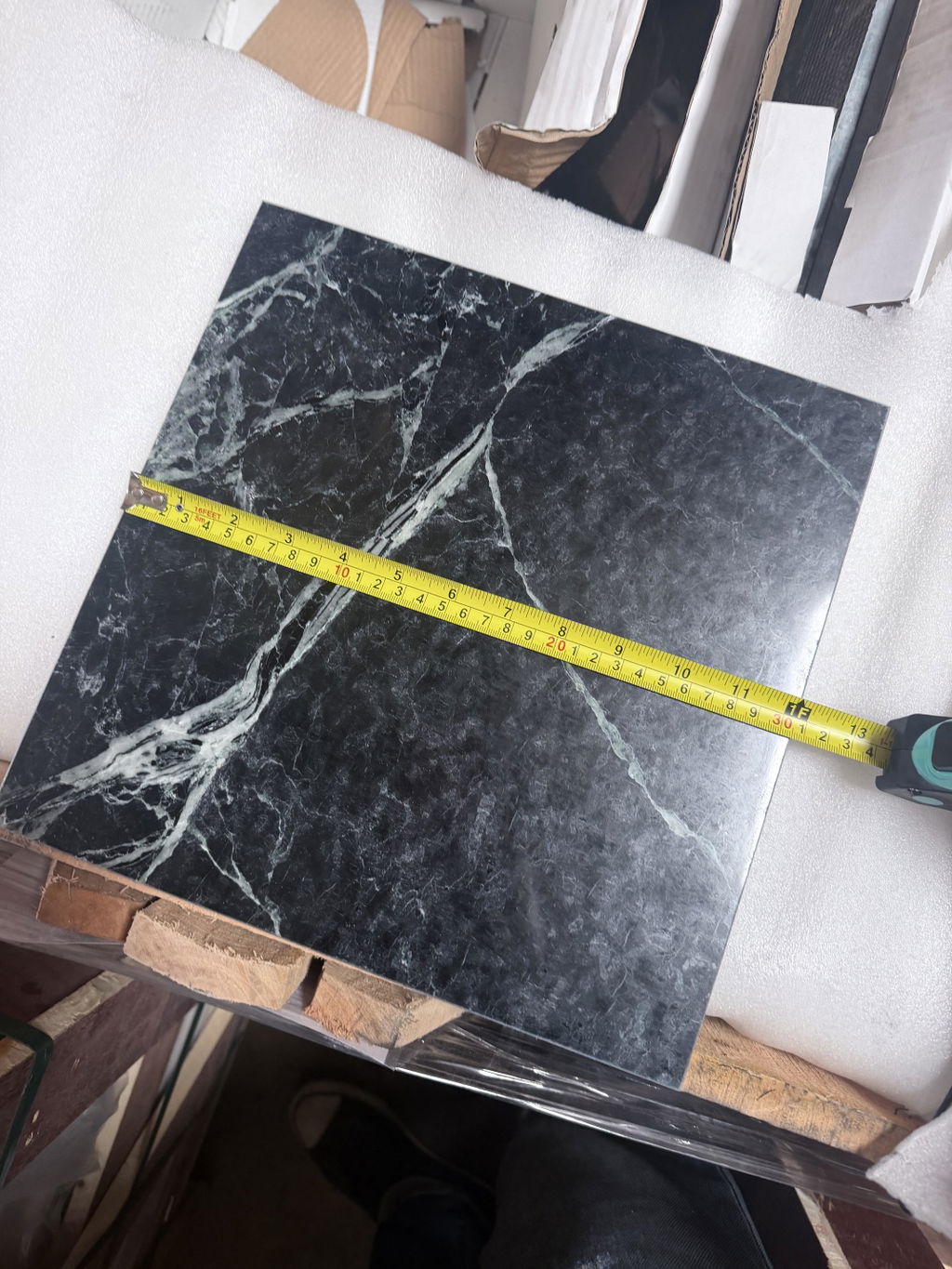
- Dramatic Veining: Bold, organic swirls and intricate patterns are being highlighted, celebrating the unique character of each marble slab. Exotic and rare varieties with striking veining are particularly sought after.
- Nautical-Inspired Hues: Shades of blue and green marble are gaining popularity, bringing a serene, coastal charm and oceanic vibe to interiors.
- Vivid Colors: Beyond traditional whites and grays, marble in deep, vibrant hues like reds and blacks is being used to make bold statements and add personality to spaces.
- Marble Furniture and Accents: Marble is increasingly integrated into furniture design, from coffee and dining tables to smaller decorative items like trays and lamp bases, adding a touch of luxury.
- Classic White Marble: Despite emerging trends, the timeless elegance and purity of classic white marble, such as Carrara and Calacatta, remain a perennial favorite.
Practical Considerations and Alternatives
While marble offers unparalleled beauty, its porous nature means it can be prone to staining and requires regular sealing and maintenance. For high-traffic areas like kitchens, designers often recommend quartz as a more practical alternative that mimics the natural stone aesthetic while offering superior stain and scratch resistance. Porcelain tiles are also gaining traction, capable of emulating marble's look with less maintenance and a lower price point.
Market Growth and Outlook
The global marble market is substantial and projected for continued growth. The construction and real estate industries are major drivers, with marble extensively used in both residential and commercial projects for its aesthetic appeal and perceived value. The market is expected to reach approximately USD 98.34 billion by 2033, with a CAGR of 4.1%. Asia-Pacific currently dominates the market, driven by rapid urbanization and infrastructure development, while Europe is noted for its historical use and growing demand for sustainable practices.
Marble in Bathrooms
Marble is a popular choice for bathrooms, creating a spa-like ambiance. Designers suggest using honed finishes over polished ones for better durability and slip resistance in wet areas. Whether used for flooring, walls, vanities, or accent pieces, marble can transform a bathroom into a luxurious retreat. Combining marble with wood accents can add warmth, while pairing it with bold wallpaper can create an eclectic and stylish look.
Sources
- Is marble still on trend? Interior designers have their say, Homes and Gardens.
-
Top marble trends in interior design for 2024: From dramatic veining patterns to nautical-inspired hues |
Hindustan Times, Hindustan Times. - 20 Gorgeous Marble Bathrooms to Inspire You, The Spruce.
- Marble Market Size ,Demand & Trends by 2033, Straits Research.
- Marble Tile Market Size, Competitive Industry Insights & Forecast, Verified Market Reports.

Leave a comment