
Natural stone pros and cons: a professional buyer’s guide

Key Takeaways
Choosing the right natural stone involves balancing aesthetic goals, practical performance, and long-term investment value for your property.
- Natural stone significantly boosts home equity and market appeal compared to synthetic alternatives.
- Regular sealing and pH-neutral cleaning are essential for preserving the luster of marble and travertine.
- Different stone types offer varying levels of hardness, making granite ideal for high-traffic areas and marble better for luxury accents.
- Calculating a generous waste factor during installation ensures seamless color and pattern distribution across large surfaces.
- Direct-from-quarry sourcing provides premium luxury options while minimizing middleman markups for homeowners.
The aesthetic and value benefits of natural stone
Investing in natural stone represents a commitment to both enduring beauty and long-term home value. Many homeowners discover that the unique character of these materials transforms a standard room into a bespoke luxury space, offering a depth that mass-produced materials simply cannot match. For instance, Surfaces Galore provides a vast array of high-end choices that cater to discerning tastes looking to elevate their living environments.
Elevating property value and long-term equity
Premium natural stone is widely recognized in 2026 as a major driver for property appreciation, often adding significant resale value to residential projects. When you integrate high-quality materials into kitchens or bathrooms, you are creating a lasting legacy of luxury that resonates with future buyers. By sourcing from a direct importer, you gain access to architectural-grade materials that would otherwise be cost-prohibitive.
The timeless appeal of authentic natural textures
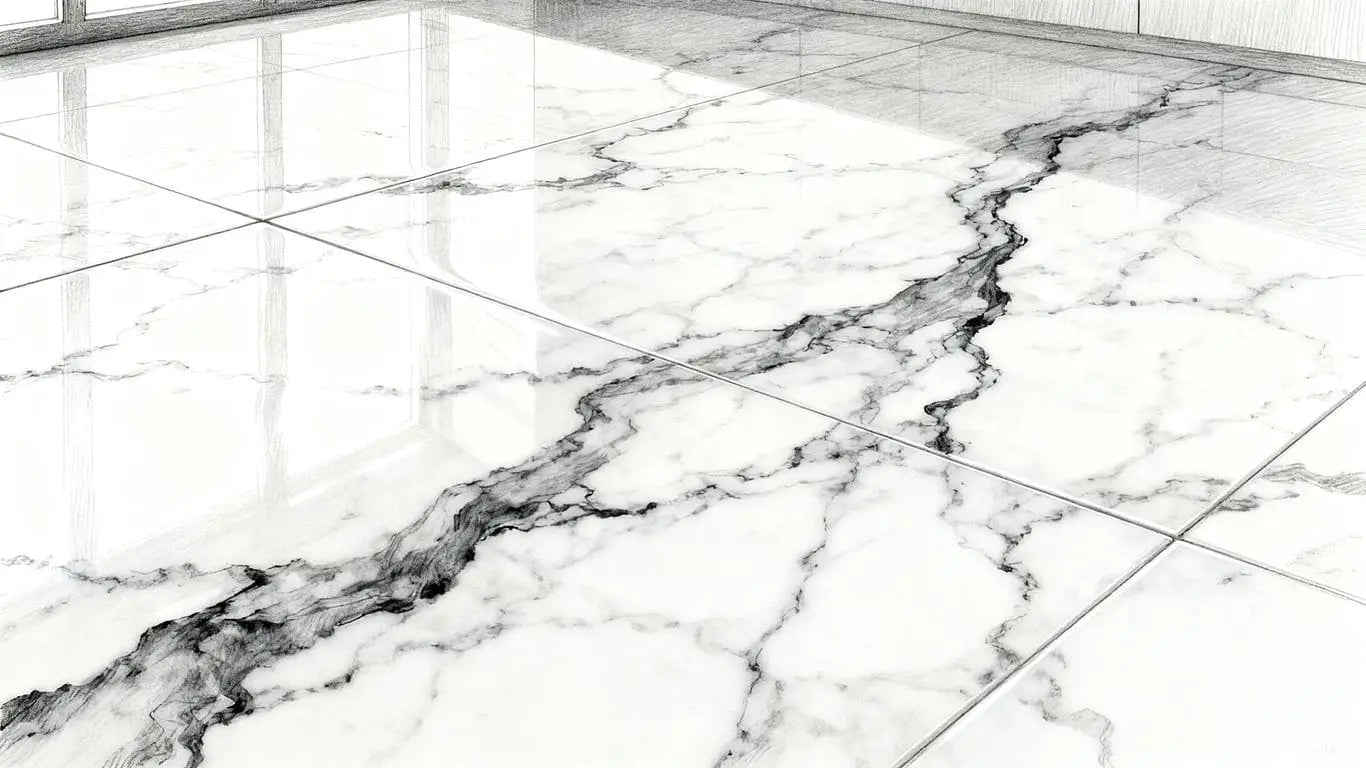
The tactile nature of stone—its coolness to the touch and subtle variations in grain—brings a ground-level connection to the outdoors into your home. This authenticity is why designers consistently return to natural slab installations rather than settling for the uniformity of engineered surfaces. Whether it is the soft matte of a honed tile or the rustic charm of a chiseled edge, the material feels alive.
Unique veining and the exclusivity of one-of-a-kind installations
Nature never replicates the same pattern twice, which ensures that your countertop, floor, or backsplash is effectively a unique work of art. No two kitchens will ever be identical when you use authentic materials, providing a sense of exclusivity that mass-produced surfaces lack. This one-of-a-kind feature turns a standard renovation into a standout design statement.
Understanding the regular maintenance requirements
While natural stone is incredibly durable, it does require a mindful approach to care to maintain its pristine appearance over the years. Understanding the simple, periodic habits required to keep your installation in top shape is the first step toward long-term satisfaction. With the right routine, keeping your stone luxurious is surprisingly straightforward.
Executing a professional sealing protocol
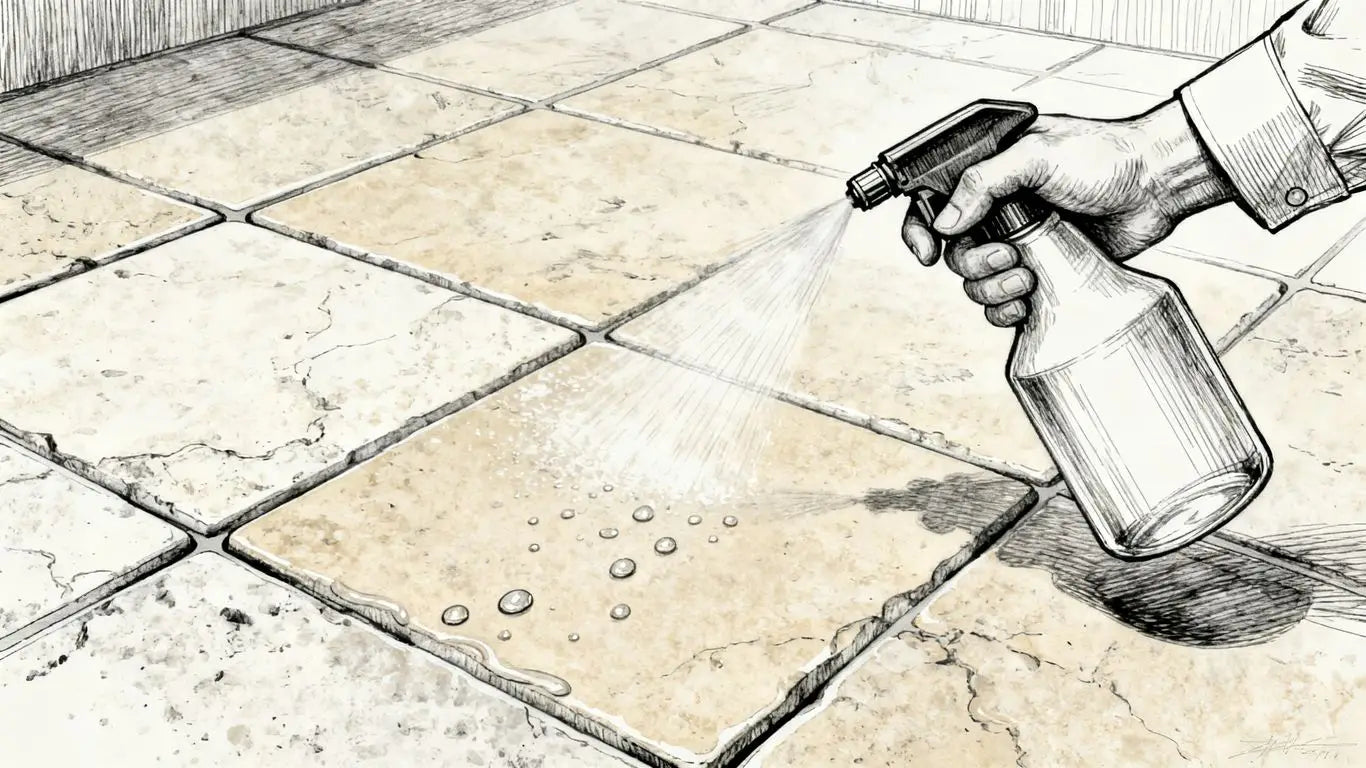
The foundation of stone longevity is the application of a high-quality impregnating sealer, which fills the stone's natural pores to repel stains and moisture. We recommend an annual refresh of this protective layer for high-traffic areas like entryways or kitchen counters. By creating a reliable surface barrier, you ensure that even accidental spills do not lead to long-term discoloration.
Best practices for daily pH-neutral cleaning
Maintaining your stone surfaces requires avoiding acidic cleaners such as vinegar, lemon juice, or harsh chemical agents that can etch the mineral structure. Instead, rely on dedicated pH-neutral stone soaps specifically formulated for the delicate balance of marble and limestone. A simple daily wipe-down with non-abrasive tools keeps the surface free of grit that could otherwise cause micro-scratching.
Managing spills and preventing permanent staining
Immediate attention to spills is the most effective way to protect your investment from lasting damage. Blotting liquids rather than wiping them across the surface prevents them from penetrating deeper into the stone, which is a common mistake for inexperienced owners. By acting quickly, you maintain the structural integrity and aesthetic clarity of your stone tiles.
Durability and performance characteristics across stone types
Different stones possess varying mineral hardness levels that dictate their survival in specific household environments. Assessing the physical properties of a stone before you commit is vital for a successful, low-maintenance outcome. The table below outlines how various premium materials compare in typical home scenarios:
| Stone Type | Durability | Suggested Use | Maintenance Level |
|---|---|---|---|
| Granite | Very High | Kitchen Counters | Low |
| Marble | Moderate | Bathrooms | High |
| Travertine | Moderate | Flooring | Medium |
Selecting the right finish—such as polished, honed, or tumbled—further impacts how the stone performs against wear and tear in your specific home layout.
Assessing mineral hardness for high-traffic environments
In corridors and kitchens where foot traffic is heavy, mineral hardness serves as your first line of defense against erosion. You should prioritize stones with a denser crystalline structure for these active zones, ensuring the material can withstand mechanical forces and heavy activity over decades. When you consult with Surfaces Galore experts, they can guide you toward varieties designed for these rigorous demands.
Evaluating the resilience of granite versus marble
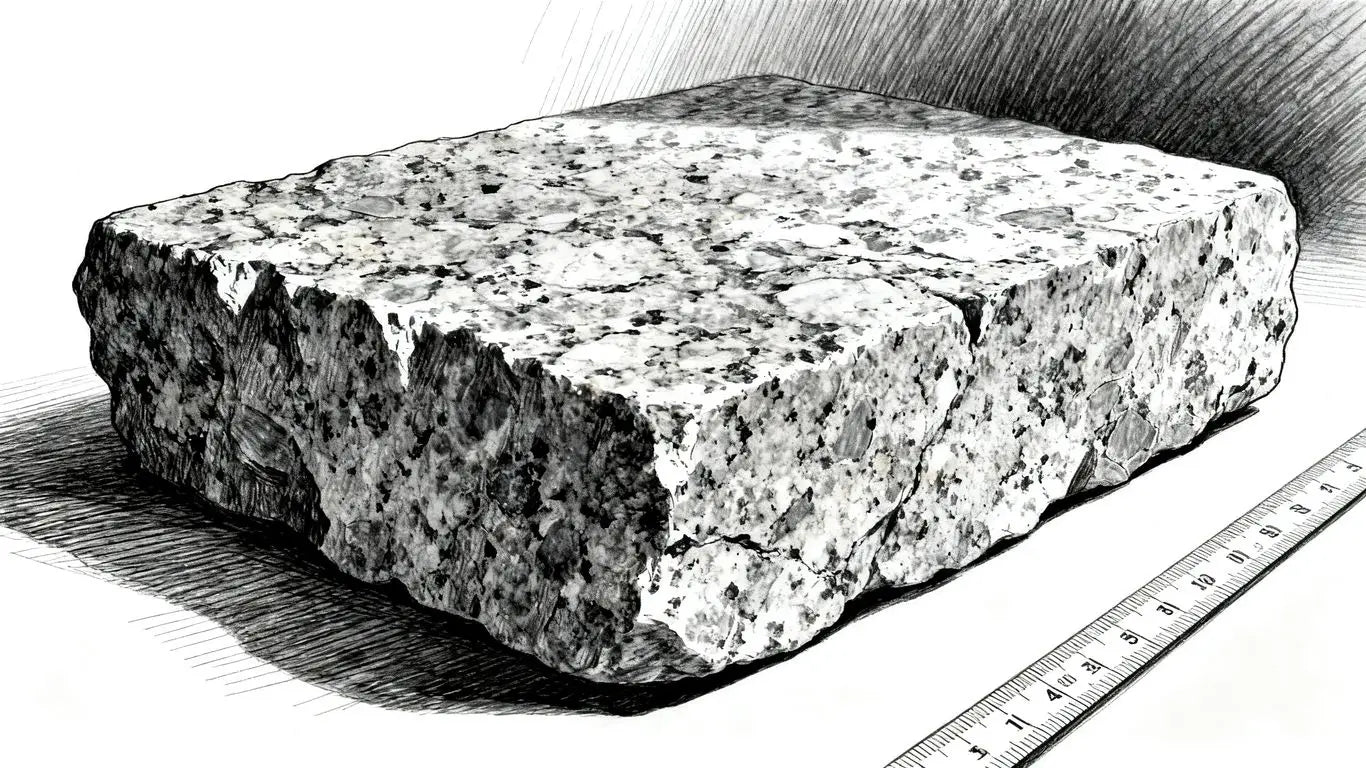
Granite remains the gold standard for high-performance spaces because it is naturally dense and holds up exceptionally well to heat and heavy physical usage. Marble, while visually softer and more elegant, requires a bit more caution in an active kitchen due to its reactivity to acidity. Knowing this distinction helps you place each material where its inherent strengths can shine the longest.
Performance traits of exotic and specialty stones
Unique specialty stones like quartzite or soapstone offer specific advantages, such as extreme heat resistance or natural antimicrobial properties, which make them ideal for niche culinary applications. These materials not only push the boundary of visual design but also provide functional benefits that exceed those of standard flooring options. Evaluating these materials requires looking closer at their geological formation and your intended use case.
Key limitations and practical installation considerations
Successful installation is rarely about the stone alone but rather the professional expertise behind the planning and placement. Factors like porosity, waste, and friction are critical variables that must be calculated before the first tile is even bonded to the floor.
- Ensure the subfloor is perfectly level to prevent cracking under high-pressure points.
- Account for a 10-30% waste factor during the ordering phase to handle cuts and breakage.
- Choose finishes such as honed or tumbled to maximize natural slip resistance in wet rooms.
- Discuss your specific layout with a professional to minimize unsightly, irregular edge cuts.
Understanding these practical constraints is the best way to ensure the final result matches the vision you had when you first selected the stone.
Managing porosity in moisture-prone rooms
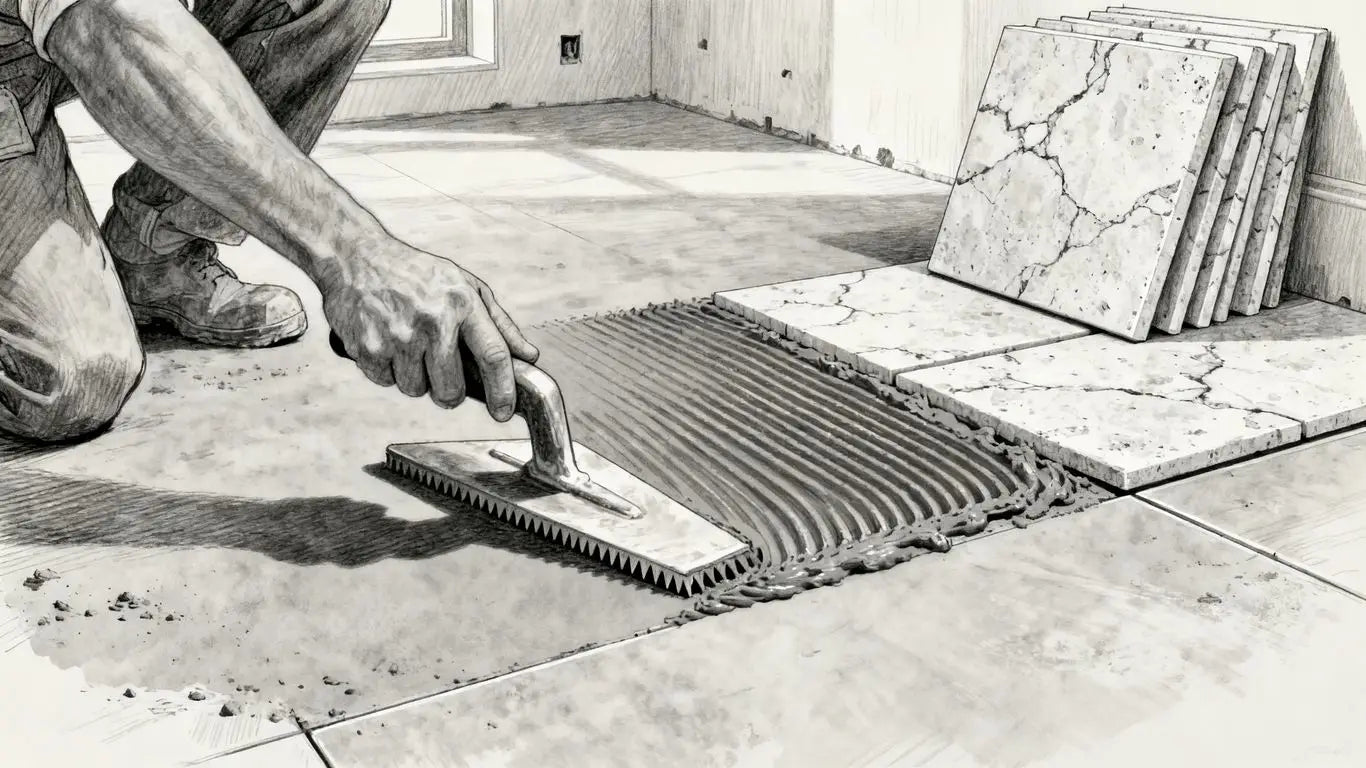
In environments like spa-inspired bathrooms or wet rooms, the pores of the stone can become pathways for moisture if not managed correctly. Utilizing the correct Malibu Premium Travertine or other natural stone with moisture-resistant properties requires a skilled hand during the initial bond and grout process. Applying professional expertise here prevents long-term moisture entrapment and keeps the installation flawless.
Understanding the waste factor in custom masonry projects
Precision during the planning phase, especially with complex herringbone or Versailles patterns, will significantly influence the total square footage you must purchase. Accurate material estimation means you won't run out of a specific batch of stone, which is crucial because individual shipments vary slightly in hue. Ordering appropriately at the start saves you significant frustration and potential color-matching issues later.
Measuring slip resistance through finish surface selection
Safety is paramount when installing stone in areas prone to dampness, such as pool decks or shower floors. Selecting a finish that provides inherent texture, such as a brushed or tumbled surface, serves as a natural deterrent against falls. Balancing aesthetics with this practical slip resistance ensures that your beautiful stone installation is safe for every member of your family.
Comparing natural stone vs. engineered alternatives
When you line up natural stone against man-made alternatives, the debate usually centers on unique variation versus manufactured uniformity. For enthusiasts of Carrara White marble and other classic selections, there is no contest. Natural stone brings a narrative and authenticity that simply cannot be synthesized in a lab.
Natural thermal conductivity for radiant heating systems
Natural stones such as limestone and marble serve as exceptional thermal conductors, retaining heat far longer than synthetic materials. This makes them the premier choice for modern radiant flooring projects, where you want to turn your floor into a consistent, gentle warmth emitter. The efficiency they offer creates a cozy environment that feels significantly more organic underfoot.
Environmental impact and ecological sustainability
Because natural stone is quarried rather than manufactured through energy-intensive chemical processes, it represents a more environmentally responsible choice for the eco-conscious homeowner. The life cycle of stone is remarkably long, often lasting an entire human lifetime without needing a replacement. Choosing a product from the earth itself keeps your home footprint cleaner than relying on plastic-heavy synthetic resins.
Distinguishing between synthetic uniformity and natural variation
Synthetic materials strive for perfect consistency, which often results in a bland, hollow appearance. Natural stone offers the opposite: a vibrant range of veins, mineral swirls, and fossil inclusions that provide a genuine personality to your floors. If you crave a design that feels deeply rooted and sophisticated, look for the Malibu Premium Travertine or other imports that celebrate natural irregularity.
Strategic selection for long-term real estate investment
Buying the right stone is a financial decision as much as it is a creative one, requiring you to think about availability and quality assurance. A savvy buyer works with a team that understands the logistics of importing, insuring, and verifying stone quality before it hits the delivery truck. Working with Surfaces Galore gives you an edge in both pricing and technical precision.
Leveraging direct-from-quarry pricing for better margins
By cutting out layers of retail distributors, you can secure premium materials at a fraction of the cost found in boutique showrooms. This level of access grants you a competitive advantage if you are renovating for profit or simply trying to get the highest level of luxury for your budget. You can request a quote to see how direct pricing impacts your project's total bottom line.
The importance of expert sourcing and inventory verification
Authenticating the quality of stone prior to shipment ensures that you never deal with second-grade materials that have hidden structural flaws. High-quality importers physically verify and crating their stock to make sure it matches the aesthetic you saw in digital catalogs. This technical gatekeeping is vital for avoiding the disappointment of damaged or mismatched materials arriving at your site.
Planning for secure crating, insured logistics, and delivery
Natural stone is heavy and susceptible to damage during cross-country transport if it is not crated and prepared by professionals. Insured logistics protect your investment from the warehouse to the driveway, removing the burden of risk from your shoulders as a homeowner. When you plan your timeline with a partner that ensures job-site readiness, your installation proceeds without costly delays.
Conclusion
Selecting natural stone for your home is more than a design choice; it is a long-term investment in beauty, durability, and property value. By understanding the unique maintenance needs of marble and travertine and selecting the right finish for your specific environment, you can enjoy these elegant surfaces for decades. Whether you are aiming for a luxurious bathroom retreat or a stunning outdoor area, staying informed about your stone's physical characteristics will ensure a seamless and successful renovation journey that elevates your home's character forever.
Frequently Asked Questions
Is natural stone difficult to look after?
Not at all, provided you use the correct sealing protocol and avoid harsh acidic cleansers in your daily maintenance routine.
Which kind of stone works best with underfloor heating?
Marble and limestone are excellent thermal conductors, which makes them the most efficient materials to pair with modern radiant floor systems.
Does installing natural stone really raise my home value?
Yes, real estate professionals frequently classify natural stone as a top-tier upgrade that can add significant market equity because of its luxury appeal.
Can stone be used outside for patios or decks?
Many natural stones, particularly travertine and granite, are perfect for exterior use provided they are chosen with a slip-resistant finish.
Why does the stone density matter so much?
Density is the primary indicator of how well a stone will resist stains, scratches, and physical wear over years of high-traffic usage.
How much extra material should I order for my project?
Industry standards typically recommend ordering about 10-30% more material than your floor area indicates to account for cuts, trimming, and potential breakage.
Are there specific cleaners I should definitely avoid using?
Yes, you must stay away from acidic liquids like vinegar, lemon juice, or commercial cleaners that use harsh, corrosive ingredients which can etch the finish.

Leave a comment