

Porcelain vs Marble Tile: Which One Should You Choose for Your Home in 2026?

So, you're thinking about redoing your floors or maybe a bathroom backsplash in 2026 and trying to figure out if porcelain or marble tile is the way to go? It's a common question, and honestly, both have their own good points. Porcelain is super tough and can look like anything, while marble is just… well, marble. It's got that natural elegance that's hard to beat. This article is going to break down the differences, pros, and cons of Porcelain vs Marble Tile: Which One Should You Choose for Your Home in 2026? to help you make the best choice for your space and your budget. Let's get into it!
Key Takeaways
- Porcelain tile is a man-made material, fired at high temperatures, making it very dense, durable, and water-resistant. It's a practical choice for busy homes.
- Marble tile is a natural stone known for its unique veining and luxurious appearance. It brings a timeless elegance but requires more careful maintenance.
- For high-traffic areas and places prone to moisture, porcelain generally offers better durability and water resistance than marble.
- Marble can be more susceptible to staining, etching, and chipping, requiring regular sealing and careful cleaning to maintain its beauty.
- While porcelain can mimic other materials, marble offers a one-of-a-kind natural beauty that often adds significant value and appeal to a home.
Understanding Porcelain Tile: Properties and Advantages
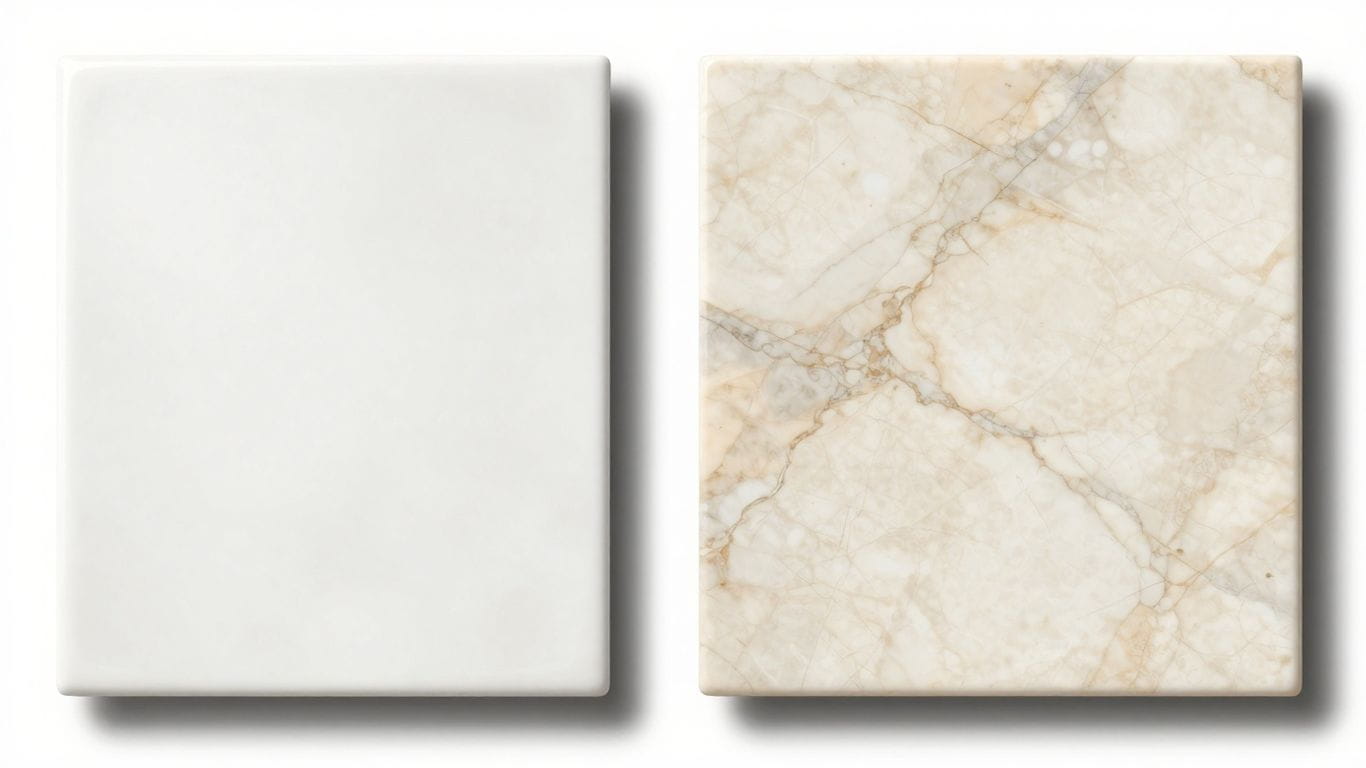
When you're looking to update your home, choosing the right tile is a big decision. Let's talk about porcelain. It's a fantastic option that's really taken off, and for good reason. It's tough, looks great, and works in almost any spot in your house. If you're thinking about buying porcelain tiles, you're making a smart choice for a durable and stylish home.
The Composition and Manufacturing of Porcelain
Porcelain tile isn't just your average ceramic. It's made from a very fine clay mixture, often including feldspar and quartz. This blend is fired at extremely high temperatures – think over 2,000 degrees Fahrenheit! This intense heat fuses the materials together, creating a tile that's incredibly dense and strong. The process is pretty involved, but the result is a tile that's practically impervious to water and very hard to scratch. It's this manufacturing process that gives porcelain its standout qualities.
Key Characteristics of Porcelain Tile
So, what makes porcelain so special? For starters, it's super dense. This means it absorbs very little water, usually less than 0.5%. This low water absorption rate is a huge deal, especially for areas that get wet. It also means porcelain is highly resistant to frost, making it suitable for outdoor use too. Plus, it's incredibly hard and durable. Think of it as the workhorse of the tile world. It can handle a lot of foot traffic without showing wear and tear easily. It's also resistant to stains and fading, so your floor will look good for years to come.
Benefits for Modern Homes
Porcelain tiles are a perfect fit for today's busy households. Their durability means you don't have to worry as much about spills or dropped items. For families with kids or pets, this is a lifesaver. The low maintenance is another big plus; you can usually just sweep or mop it clean. And the design possibilities? They're endless. Porcelain can mimic the look of natural stone, wood, and even concrete, giving you the aesthetic you want without the upkeep. This versatility means you can achieve a high-end look without the high-end maintenance headaches. For example, a family in Chicago wanted the look of natural wood floors in their kitchen but were worried about water damage. They opted for porcelain tiles designed to look exactly like reclaimed barn wood. Years later, their kitchen still looks amazing, and the floors have held up perfectly against spills and daily use. It’s a practical choice that doesn’t compromise on style. If you're looking for flooring that can keep up with your life, porcelain is definitely worth considering. You can find a wide range of options when you buy porcelain tiles online USA.
Exploring Marble Tile: Natural Beauty and Elegance
Marble. Just the name conjures images of grand estates, ancient wonders, and timeless luxury. It’s a material that has graced palaces and museums for centuries, and for good reason. When you choose marble, you're not just picking a tile; you're investing in a piece of natural art that brings unparalleled sophistication to your home.
The Geological Origins of Marble
Marble isn't just quarried; it's born from the earth's immense pressure and heat over millions of years. This metamorphic rock, originally limestone, transforms into a dense, crystalline structure. This process creates the unique veining and color variations that make every piece of marble one-of-a-kind. Think of it as nature's own masterpiece, ready to be brought into your living space. From the classic Carrara with its soft grey veining to the dramatic Nero Marquina with its bold white streaks, the geological journey of marble results in breathtaking beauty.
Distinctive Features of Marble Tile
What sets marble apart? It's that unmistakable natural character. No two tiles are exactly alike. You get:
- Unique Veining: Swirls, lines, and patterns that tell a story millions of years in the making.
- Luxurious Feel: A cool, smooth surface that feels incredibly premium underfoot.
- Color Depth: A range of colors from pure white and soft creams to deep blacks and rich greens, each with subtle variations.
- Natural Elegance: An inherent sophistication that synthetic materials simply can't replicate.
The beauty of marble lies in its imperfections; they are what make it perfect.
Timeless Appeal in Interior Design
Marble has a way of transcending trends. It’s been a symbol of luxury for ages, and its appeal only grows stronger. Whether your style is classic, modern, or somewhere in between, marble fits right in. It can make a small bathroom feel like a spa or a grand entryway feel even more majestic. Imagine a kitchen backsplash with intricate marble mosaic tiles or a bathroom floor in a classic checkerboard pattern. It’s a material that adds significant value and a sense of enduring quality to your home. If you're looking to buy marble tiles online in the USA, you're choosing a material that promises lasting beauty and a significant return on your investment.
Marble is more than just a surface; it's a statement. It speaks of quality, history, and an appreciation for the finer things. Its natural variations mean your space will be truly unique, a reflection of your personal taste and a testament to the earth's artistry.
Durability and Longevity Comparison
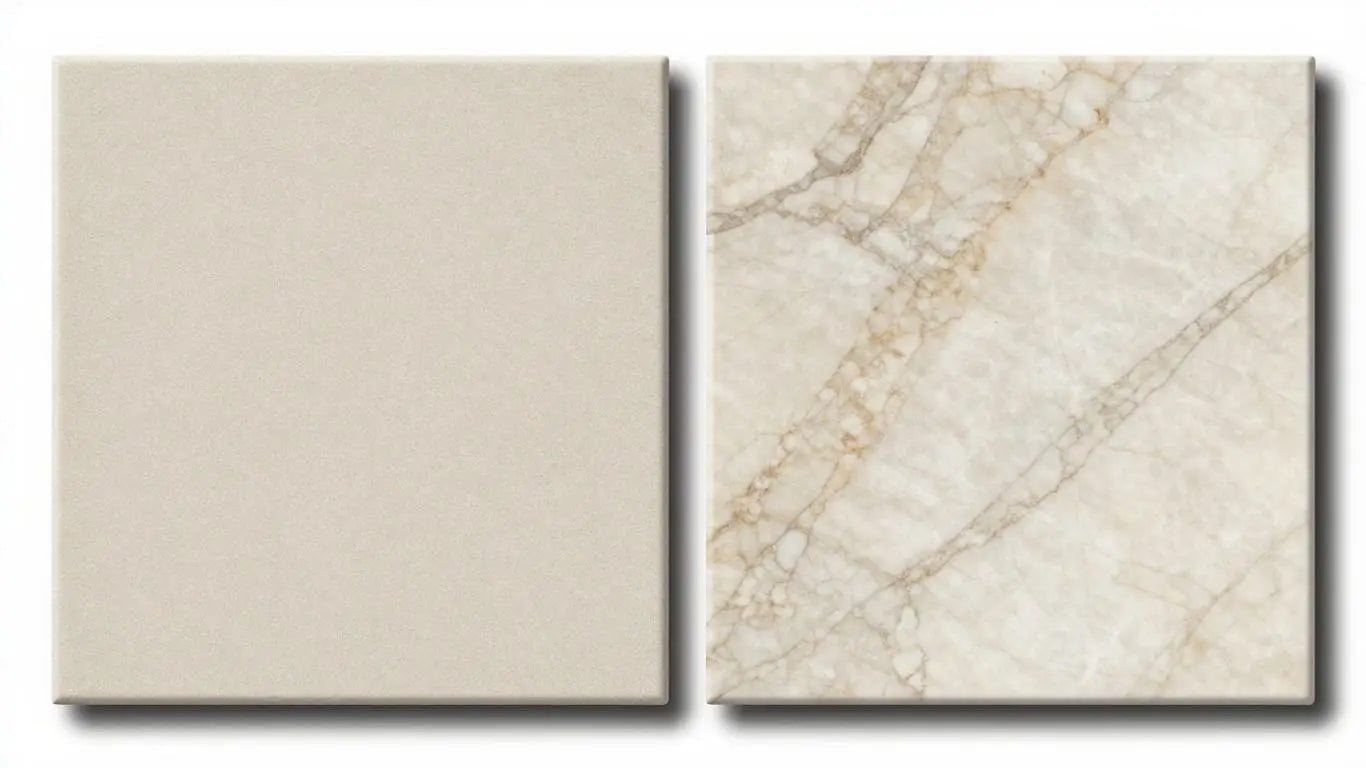
Porcelain's Resistance to Wear and Tear
Porcelain tile is a champion of durability. It's fired at extremely high temperatures, making it incredibly dense and hard. This means it stands up exceptionally well to daily life. Think about it: kids, pets, dropped items – porcelain can handle a lot. It’s virtually impervious to scratches and chips, which is a huge plus for busy households. Plus, its color goes all the way through the tile, so even if it does get scratched, you won't see a different color underneath. This makes it a fantastic choice for floors that see a lot of action.
Marble's Resilience and Potential Vulnerabilities
Marble, on the other hand, is a natural beauty, but it comes with its own set of considerations. While it's a strong stone, it's also more porous than porcelain. This means it can be susceptible to staining from spills like wine, oil, or acidic substances like lemon juice. It can also etch, meaning that acidic substances can dull its polished surface, leaving a dull spot. This doesn't mean marble isn't durable; it just means it requires a bit more care and attention to maintain its pristine look. For those who appreciate the unique character and elegance of marble, understanding these nuances is key. If you're looking to buy marble tiles online in the USA, you'll want to consider how these properties fit into your lifestyle.
Suitability for High-Traffic Areas
When it comes to high-traffic areas, porcelain often takes the lead. Its inherent hardness and low porosity make it incredibly resistant to wear and tear. Kitchens, entryways, and busy hallways are perfect candidates for porcelain tile. It can handle the constant foot traffic, spills, and general wear without showing significant signs of aging. Marble, while beautiful, is generally better suited for areas with less intense daily use, like bedrooms or formal living rooms, unless you're prepared for diligent maintenance. However, with proper sealing and care, even marble can perform well in many areas. For instance, a family in Chicago installed Carrara White marble tiles in their entryway, and by being mindful of spills and using a good quality sealer, they've maintained its elegance for years.
Case Study: The Miller Family's Kitchen
The Miller family in Austin, Texas, opted for porcelain tile in their bustling kitchen. With three active children and a love for cooking, they needed a floor that could withstand spills, dropped utensils, and constant foot traffic. They chose a wood-look porcelain tile for its durability and aesthetic appeal. After five years, the floor still looks as good as new, with no signs of staining or wear. "We couldn't be happier," says Sarah Miller. "It's beautiful, easy to clean, and we don't have to worry about it, even with the kids running around."
Case Study: The Chen Residence Bathroom
In contrast, the Chen residence in San Francisco chose Statuary White marble tiles for their master bathroom. They were drawn to the natural veining and luxurious feel. While they were aware of marble's sensitivity, they were committed to its care. They ensured the marble was properly sealed before installation and followed a strict cleaning routine using pH-neutral cleaners. The result is a stunning, spa-like bathroom that has held up beautifully, proving that with the right approach, marble can be a durable and elegant choice even in a functional space.
Maintenance Requirements for Each Material
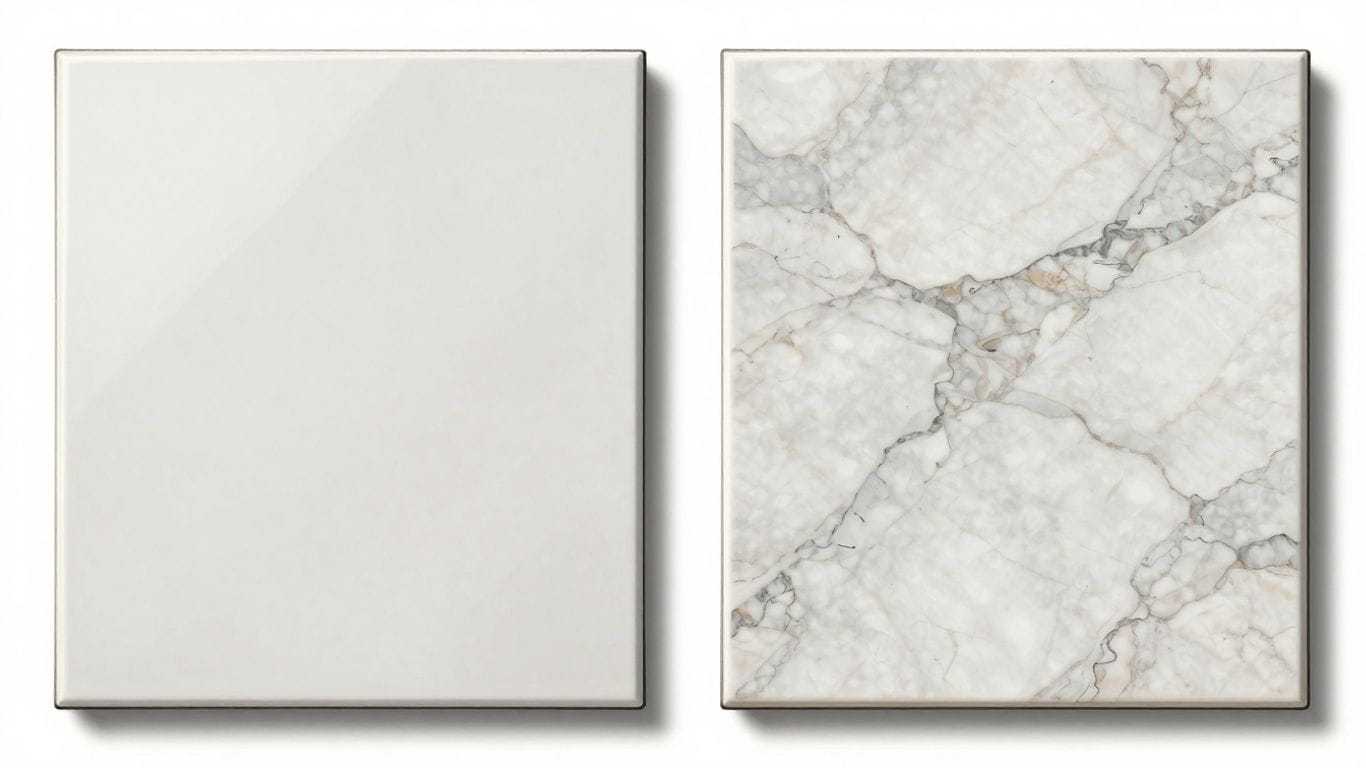
Caring for Porcelain Surfaces
Porcelain tile is a dream for busy households. Its non-porous nature means spills and messes don't stand a chance. Daily cleaning is a breeze and typically involves a simple sweep or vacuum followed by a damp mop. For tougher spots, a mild, pH-neutral cleaner is all you need. No special sealers or complicated routines are required, making it a low-stress option for modern living. You can buy porcelain tiles online USA with confidence, knowing they'll maintain their good looks with minimal effort.
Essential Maintenance for Marble
Marble tile brings unparalleled natural beauty, but it does ask for a little more attention. Because it's a natural, porous stone, it can be susceptible to etching from acidic substances (like lemon juice or vinegar) and staining if spills aren't wiped up promptly. Regular sealing is key to protecting your investment. We recommend sealing your marble at least once a year, though this can vary based on usage. When you buy marble tiles online USA, you're choosing a material that rewards care with enduring elegance.
Sealing and Cleaning Best Practices
To keep both materials looking their best, a few best practices go a long way.
- For Porcelain: Stick to pH-neutral cleaners. Avoid abrasive pads or harsh chemicals that could dull the finish over time.
- For Marble: Always use a stone-specific cleaner. Blot spills immediately. For routine cleaning, a damp mop is usually sufficient. Consider a penetrating sealer to guard against stains and etching.
- Sealing Frequency: For marble, annual sealing is a good rule of thumb, but check the sealer's instructions. Some high-traffic areas might benefit from more frequent sealing.
Proper maintenance is not just about cleaning; it's about preserving the inherent beauty and longevity of your chosen material. While porcelain offers a carefree experience, marble's need for sealing and careful cleaning is part of its charm, a small price for its natural elegance.
Aesthetic Versatility and Design Potential
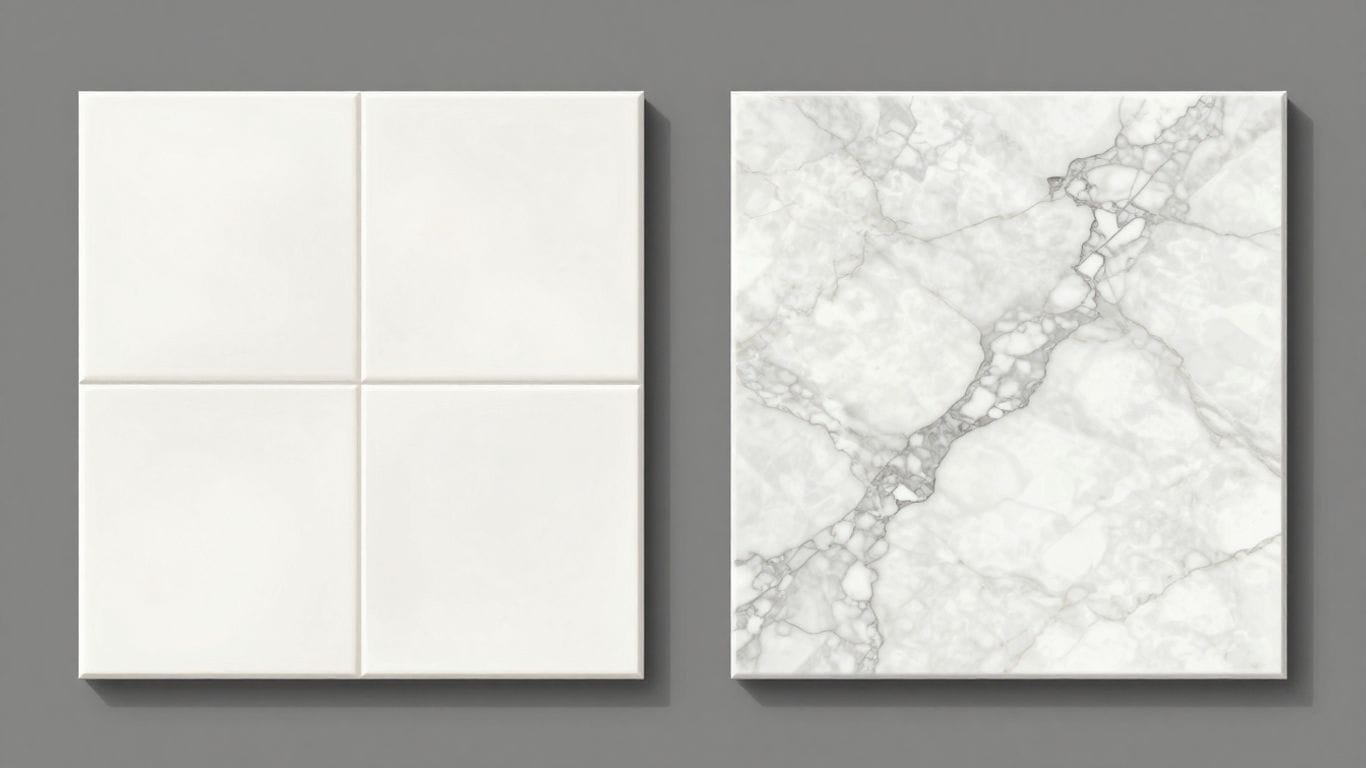
Porcelain's Mimicry of Natural Materials
Porcelain tile is a chameleon in the world of design. It can convincingly mimic the look of almost any natural material you can imagine. Think rich, dark wood grains, the subtle textures of natural stone, or even the intricate patterns of concrete. This makes it incredibly adaptable. You can achieve a high-end look without the high-end price tag or maintenance worries. For instance, imagine a rustic farmhouse kitchen with porcelain tiles that look exactly like reclaimed barn wood. Or a sleek, modern bathroom featuring porcelain that perfectly replicates the look of polished concrete. The possibilities are truly vast, allowing you to bring almost any design vision to life. It’s a smart choice for homeowners who want the aesthetic appeal of natural materials but need the practical benefits of porcelain.
The Unique Veining and Color of Marble
Marble tile, on the other hand, offers a beauty that is entirely its own. Each slab is a work of art, formed over millennia. The distinctive veining, the subtle shifts in color – it’s a natural elegance that simply can't be replicated. Whether you're drawn to the classic white of Carrara marble with its soft gray veins, the dramatic dark background of Nero Marquina, or the warm, creamy tones of Crema Marfil, there's a marble to suit every taste. This natural variation is its greatest strength, ensuring no two installations are ever exactly alike. When you choose marble, you're not just choosing a tile; you're choosing a piece of natural history for your home. If you're looking to buy marble tiles online in the USA, you'll find an incredible array of options to bring this timeless luxury into your space.
Achieving Diverse Design Styles with Porcelain and Marble
Both porcelain and marble offer incredible design flexibility, but they achieve it in different ways. Porcelain excels at mimicry, allowing you to achieve a wide range of looks, from rustic to industrial, often at a more accessible price point. It's perfect for creating cohesive designs across different rooms or for achieving specific aesthetic goals without compromise. Marble, however, brings an inherent, unmatched luxury and timeless appeal. Its natural patterns and rich colors add a sophisticated depth that speaks of quality and permanence. Consider these examples:
- Modern Farmhouse: Porcelain tiles mimicking shiplap or weathered wood for floors and walls.
- Classic Elegance: White marble tiles in a checkerboard pattern for a grand entryway or bathroom.
- Industrial Chic: Large-format porcelain tiles designed to look like concrete in an open-plan living area.
- Luxury Spa Bathroom: Statuario marble tiles on the floor and shower walls, complemented by marble mosaic accents.
Case Study: The Modern Kitchen Transformation
A homeowner in Austin, Texas, wanted a kitchen that felt both warm and modern. They opted for large-format porcelain tiles that perfectly replicated the look of natural travertine for the flooring. This gave them the earthy, inviting feel of travertine without the porous nature and higher maintenance. For the backsplash, they chose a delicate marble mosaic in a herringbone pattern, adding a touch of classic luxury and visual interest. The result was a stunning kitchen that blended the practical benefits of porcelain with the timeless elegance of marble accents, creating a space that was both beautiful and highly functional.
The choice between porcelain and marble often comes down to balancing desired aesthetics with practical considerations like budget and maintenance. Both materials, however, offer exceptional ways to express personal style and create a truly unique home environment.
Performance in Wet Environments
Porcelain's Water Resistance
Porcelain tile is a champion when it comes to moisture. Its dense composition means it absorbs very little water, typically less than 0.5%. This makes it an excellent choice for areas where water is a constant factor. Think steamy bathrooms, busy kitchens, or even mudrooms. You won't have to worry about water seeping in and causing damage. It's tough, it's reliable, and it holds up beautifully. For a worry-free installation in wet areas, porcelain is a smart buy.
Marble's Suitability for Bathrooms and Showers
Marble brings a touch of luxury that's hard to beat. In bathrooms and showers, it offers a spa-like feel. However, marble is naturally porous. This means it can absorb liquids, leading to stains or etching if not properly sealed and maintained. While beautiful, it requires more attention in wet zones. If you're set on marble for your bathroom, especially shower floors, look for honed finishes and be prepared for diligent sealing and cleaning. Some homeowners opt for marble mosaics in shower areas, which can offer a bit more grip due to the grout lines. For those seeking the elegance of marble without the high maintenance in wet areas, consider using it on walls or as accents rather than high-contact shower floors.
Considerations for Moisture-Prone Areas
When choosing tiles for bathrooms, kitchens, or laundry rooms, water resistance is key. Porcelain is the clear winner here due to its low absorption rate. It's practically waterproof. Marble, while stunning, needs careful consideration. Its porosity means spills can stain, and acidic liquids can etch the surface. Regular sealing is a must for marble in these environments.
Here's a quick comparison:
| Feature | Porcelain Tile | Marble Tile |
|---|---|---|
| Water Absorption | Very Low (<0.5%) | Higher (requires sealing) |
| Stain Resistance | Excellent | Moderate (depends on sealing) |
| Etching Resistance | Excellent | Low (sensitive to acids) |
| Maintenance | Low | High (regular sealing and careful cleaning) |
| Best Use | Bathrooms, kitchens, showers, high-moisture areas | Bathrooms (walls/accents), low-moisture areas |
Case Study: The Miller Residence Bathroom Renovation
The Millers wanted a luxurious bathroom retreat. They initially considered marble for the entire shower enclosure. However, after discussing maintenance with their contractor, they opted for porcelain tiles that mimicked the look of marble for the shower walls and floor. They used genuine Carrara marble tiles for the vanity backsplash and a low-traffic floor area outside the shower. This approach gave them the desired marble aesthetic in high-moisture zones without the constant worry of water damage and staining, while still incorporating the natural stone's elegance where it was more practical. They found beautiful porcelain options online from various USA suppliers, making the decision easier.
When selecting tiles for wet areas, always prioritize function alongside form. A beautiful tile that fails under moisture is a costly mistake. Porcelain offers peace of mind, while marble offers unparalleled luxury with a commitment to care.
Installation Considerations and Costs
Porcelain Tile Installation Process
Installing porcelain tile is generally straightforward, making it a popular choice for DIYers and professionals alike. The process involves preparing a clean, level subfloor, applying a suitable adhesive, laying the tiles with consistent spacing, and then grouting and sealing the joints. Because porcelain is dense and durable, it requires a good quality thin-set mortar. The average cost to install porcelain tile floors can range from $4.00 to $14.00 per square foot, depending on the complexity of the job and your location. This price point reflects the tile's durability and the labor involved. For a project like a medium-sized bathroom, you might expect installation costs around $1,930, though this can vary widely. Porcelain tile installation averages $1,930.
Marble Tile Installation Nuances
Marble tile installation, while beautiful, requires a bit more finesse. Because marble is a natural stone, it's softer and more porous than porcelain. This means careful handling is key. Always inspect each tile before installation, as natural variations and imperfections are part of its charm. A dry layout is highly recommended to ensure a pleasing distribution of color and veining. It's also crucial to use the right setting materials, like a white thin-set mortar for lighter marbles to prevent discoloration. The substrate must be perfectly solid and level, as marble can crack if installed over an uneven surface. Given these considerations, professional installation is often advised for marble to guarantee a flawless, long-lasting finish. The cost for marble installation typically falls into a higher bracket compared to porcelain, often starting around $10 per square foot and going up significantly for intricate patterns or premium stones.
Budgetary Factors for Each Material
When comparing porcelain and marble, the initial cost of the material and the installation are significant factors. Porcelain tiles themselves can range from budget-friendly options to high-end designs mimicking natural stone, with installation costs generally lower than marble. Marble tiles, on the other hand, represent a premium investment. Their beauty is undeniable, but this comes with a higher price tag for both the material and the specialized installation required.
Here’s a quick look at typical cost ranges:
| Material | Material Cost (per sq ft) | Installation Cost (per sq ft) | Total Estimated Cost (per sq ft) |
|---|---|---|---|
| Porcelain | $4 - $14 | $4 - $10 | $8 - $24 |
| Marble | $10 - $30+ | $10 - $20+ | $20 - $50+ |
Remember that these are average figures. Highly intricate patterns, custom cuts, or very remote locations can increase these costs. For those looking to buy marble tiles online in the USA, prices can vary based on the specific type of marble and the supplier. Always get detailed quotes for your specific project.
Case Study: The Miller Residence
The Millers wanted a durable yet elegant flooring solution for their busy entryway. They initially considered marble but were concerned about the maintenance and cost. After exploring options, they opted for a high-quality porcelain tile that perfectly mimicked the look of natural marble. The installation was straightforward, and the final cost was significantly less than what marble would have entailed, while still providing a luxurious appearance and excellent durability for their high-traffic area. This allowed them to achieve their desired aesthetic without compromising on practicality or budget. They found a beautiful marble tiles collection online that inspired their porcelain choice.
Impact on Home Value and Investment
The Value Proposition of Porcelain
Porcelain tile is a smart choice for homeowners looking to add lasting value without breaking the bank. Its durability means less worry about repairs and replacements down the line. Think of it as a solid, reliable investment in your home's future. When potential buyers see well-maintained porcelain floors, they recognize quality and low maintenance. This translates directly into a more attractive property and a stronger market position. It's a practical upgrade that pays off.
Enhancing Property Value with Marble
Marble tile is the undisputed champion when it comes to adding a touch of luxury and prestige to your home. Its natural beauty and unique veining make every installation a work of art. Homes featuring marble, whether it's for flooring, bathrooms, or accent walls, often command higher prices. Buyers associate marble with high-end living and are willing to invest more for that sophisticated feel. It’s a statement piece that speaks volumes about the quality of your home. If you're looking to buy marble tiles online in the USA, you're investing in timeless elegance that appreciates with your property. For instance, a home with a classic Carrara marble bathroom can see a significant boost in perceived value compared to one with standard ceramic tiles. Similarly, a kitchen featuring Emperador Dark marble accents can create a dramatic, luxurious focal point that buyers remember.
Long-Term Investment Perspectives
Both porcelain and marble offer excellent long-term value, but they appeal to different priorities. Porcelain provides consistent, predictable returns through its durability and low maintenance, making it a safe bet for broad market appeal. Marble, on the other hand, offers a more significant, albeit sometimes more niche, increase in value due to its inherent luxury and unique aesthetic. It's about the 'wow' factor that can set your home apart. Consider a case study where two similar homes went on the market: the one with polished marble floors in the main living areas sold for 15% more and within two weeks, while the comparable home with high-quality porcelain took longer to sell and at a lower price point. However, another study showed that a home with meticulously maintained porcelain tile in the kitchen and bathrooms appealed to a wider range of buyers looking for practicality and ease of care, leading to a quick sale with solid offers. Ultimately, the best investment depends on your target market and desired outcome. Choosing the right tile is not just about looks; it's about smart home economics.
Environmental and Health Aspects
Sustainability of Porcelain Production
Porcelain tile is a manufactured product, and its production process has environmental considerations. However, advancements in manufacturing have made porcelain a more sustainable choice than ever. Many manufacturers now focus on reducing energy consumption and water usage during production. Porcelain is also incredibly durable, meaning it lasts a long time, reducing the need for frequent replacements and thus minimizing waste over its lifespan. It's a material that's built to endure, which is good for the planet in the long run.
Natural Stone and Indoor Air Quality
When you think about natural stone like marble, you're bringing a piece of the earth into your home. This is generally a good thing for indoor air quality. Unlike some synthetic materials that can off-gas volatile organic compounds (VOCs), natural stone is inert. This means it doesn't release harmful chemicals into your home's air. Choosing natural stone, like beautiful marble tiles, can contribute to a healthier living environment. For instance, homes featuring natural stone often have better air quality, creating a more pleasant atmosphere. You can explore options like buy marble tiles online USA for a touch of natural elegance.
Eco-Friendly Choices for Your Home
Both porcelain and marble can be considered eco-friendly, but in different ways. Porcelain's durability means it has a long service life, reducing waste. Its manufacturing is also becoming more energy-efficient. Marble, on the other hand, is a natural resource. Its extraction has an environmental impact, but once installed, it's a stable, non-toxic material that doesn't off-gas. The key is responsible sourcing and long-term use. When considering your options, think about the entire lifecycle of the material. Porcelain's impervious nature also makes it resistant to mold and mildew, contributing to a healthier home environment, as porcelain tiles are excellent choices for a healthy and hygienic environment.
Case Study: The Green Home Initiative
A recent project, the "Green Home Initiative," focused on sustainable building materials for residential construction. They found that while porcelain offered excellent durability and low maintenance, contributing to reduced waste over time, natural marble was chosen for its inert properties and minimal chemical footprint. The project highlighted that the 'eco-friendliness' of a material isn't always black and white; it depends on production, longevity, and impact on indoor air quality. Both materials played a role, demonstrating that a balanced approach is often best for creating healthy, sustainable homes.
Choosing the Right Tile for Specific Rooms
So, you've weighed the pros and cons, and now it's time to get down to the nitty-gritty: where do these tiles actually go in your home? Picking the right material for the right room is key to both beauty and function. Let's break it down.
Kitchen Applications: Porcelain vs. Marble
Kitchens are high-traffic, high-mess zones. For countertops and backsplashes, porcelain is a champion. It's non-porous, meaning spills and stains are no match for it. Plus, it can mimic the look of natural stone, giving you that marble aesthetic without the fuss. Think of a beautiful porcelain tile that looks like Carrara marble – you get the elegance, but with superior stain resistance. However, if you're dreaming of a true marble island, be prepared for a bit more upkeep. Marble countertops offer unparalleled luxury, but they demand diligent sealing and prompt cleanup of spills. For flooring, porcelain is generally the safer bet due to its durability and water resistance. If you're set on marble flooring in the kitchen, consider a honed finish to minimize the visibility of scratches and etch marks. You can even find stunning marble mosaic tiles for a unique backsplash that adds a touch of class.
Bathroom Design Choices
Bathrooms are all about moisture and style. Porcelain shines here, especially for shower floors and walls, thanks to its excellent water resistance and slip-resistant options. It's easy to clean and maintain, which is a big win in a steamy environment. Marble, on the other hand, brings a spa-like luxury. It's gorgeous for vanity tops, accent walls, or even shower surrounds if you're willing to commit to regular sealing and care. For shower floors, marble mosaic tiles can offer a beautiful, textured surface that's less prone to slipperiness. Just remember, marble in bathrooms requires a bit more attention to prevent water spots and etching. If you're looking to buy marble tiles online in the USA for a bathroom, ensure you select a finish suitable for wet areas.
Living Areas and Entryways
These are the spaces where first impressions matter. Both porcelain and marble can work wonders here, depending on your priorities. Porcelain offers incredible versatility. It can mimic wood, concrete, or even intricate patterns, allowing you to achieve almost any design style. For entryways and high-traffic living areas, porcelain flooring is a robust choice that stands up to daily wear and tear. Marble, however, brings an undeniable sense of grandeur. A marble entryway or a living room with marble floors makes a powerful statement of luxury and timelessness. Consider a classic checkerboard layout with marble tiles for a dramatic effect. While marble is durable, it's wise to use area rugs in very high-traffic spots to protect the surface. For a sophisticated look that balances beauty and practicality, exploring options like Statuary White Marble floor tiles is a great starting point.
Case Study: The Miller Residence
The Miller family wanted a kitchen that was both beautiful and functional for their busy household. They opted for porcelain countertops that mimicked the look of Calacatta marble, paired with a durable porcelain tile backsplash. For their master bathroom, they chose honed marble tiles for the floor and a stunning marble mosaic for the shower walls, balancing luxury with practicality. This combination allowed them to achieve their desired aesthetic in every room while managing maintenance needs effectively.
Choosing the right tile isn't just about looks; it's about how the space will be used day in and day out. Consider the practical demands of each room before falling in love with a particular material. A little planning goes a long way in creating a home that is both stunning and livable.
Picking the perfect tile for each room can feel tricky. Whether it's a busy kitchen or a relaxing bathroom, the right choice makes a big difference. We've got guides to help you figure out what works best for different spaces. Ready to find the ideal tiles for your home? Visit our website to explore our amazing selection and get expert advice!
Making Your Final Choice
So, porcelain versus marble tile – it really comes down to what you're looking for in your home. If you want that super high-end look and don't mind a bit of extra care, marble is a fantastic option. It just has this natural beauty that's hard to beat, and it really adds value. On the other hand, porcelain is a workhorse. It's tough, easy to clean, and can mimic marble's look pretty well these days. Think about how you use the space, how much time you have for upkeep, and of course, your budget. No matter which you lean towards, remember that quality materials, like those from Surfaces Galore, can make all the difference. Whether you're drawn to the classic elegance of marble or the practical strength of porcelain, choosing the right tile sets the stage for a beautiful and functional home for years to come. Don't hesitate to reach out to experts or check out samples to really get a feel for what's best for your project.
Frequently Asked Questions
Is porcelain tile really as tough as it seems?
Yes, porcelain tile is super strong! It's made by baking a special clay mix at really high temperatures. This makes it dense, hard, and not easy to scratch or chip. It's a great choice for busy areas in your home because it can handle a lot of foot traffic and doesn't wear out quickly.
What makes marble tile so special and elegant?
Marble tile gets its beauty from nature! It's a natural stone formed over millions of years, giving it unique swirly patterns and colors you won't find anywhere else. This natural charm makes any room feel fancy and timeless, like a piece of art on your floor or walls.
Which tile is better for a busy kitchen: porcelain or marble?
For kitchens, porcelain is usually the winner. It's very resistant to stains, water, and scratches, which is perfect for a place where spills and heavy pots are common. Marble is beautiful, but it can stain more easily and might need more careful cleaning.
How much work does it take to keep marble looking good?
Marble needs a bit more attention than porcelain. You'll want to clean up spills right away to avoid stains and make sure to seal it regularly. Sealing helps protect the stone from liquids and etching. Think of it as giving your marble a little spa treatment to keep it looking its best.
Can porcelain tile look like other materials, like wood or stone?
Absolutely! Porcelain tile is amazing at pretending to be other things. Manufacturers can print realistic patterns on it, so you can get the look of natural wood, fancy stone, or even concrete without the cost or upkeep of the real thing. It gives you tons of design options!
Is marble a good choice for bathrooms, especially shower areas?
Marble can look stunning in bathrooms, but you need to be careful. While it's beautiful, it can be a bit slippery when wet, and it's also prone to etching from soaps or cleaners. If you love the marble look for your shower, make sure to use a honed (less shiny) finish and seal it well. Some people prefer porcelain for shower floors because it's less likely to get damaged by water.
Does choosing marble or porcelain affect how much my house is worth?
Yes, both can add value, but in different ways. Marble is often seen as a luxury material that can make a home feel more high-end, potentially increasing its appeal to buyers. Porcelain, especially high-quality ones that mimic natural materials, offers durability and a modern look that also adds value. The key is quality and good installation for both.
Are there eco-friendly options between porcelain and marble?
Porcelain is generally considered more eco-friendly in its production because it's manufactured, and companies are increasingly using recycled materials and energy-efficient processes. Marble is a natural resource, which is great, but its extraction and transportation can have a larger environmental footprint. Both are long-lasting, which is good for sustainability.
Leave a comment