

What Is Vein Cut Marble? Visual Drama for Luxury Spaces

Most American luxury homes in California feature marble surfaces that set the tone for elevated living. Yet vein cut marble remains one of the industry’s most misunderstood materials, despite its dramatic linear patterns and rich geological origins. For interior designers and architects working on high-end residential renovations, learning the facts about vein cut marble and debunking persistent myths reveals design opportunities that transform kitchens and bathrooms into truly bespoke spaces.
Table of Contents
- Vein Cut Marble Defined And Common Myths
- Types Of Vein Cut Travertine And Marble
- Visual Characteristics And Design Impact
- Popular Varieties For High-End Interiors
- Installation, Care, And Cost Factors
- Comparing Vein Cut To Other Cut Styles
Key Takeaways
| Point | Details |
|---|---|
| Vein Cut Technique | Vein cut marble reveals striking linear patterns, enhancing the aesthetic appeal of luxury spaces. |
| Unique Geological History | Each marble slab’s veining is a natural reflection of its geological history, making no two pieces alike. |
| Installation and Care | Professional installation and specialized maintenance are critical to preserving the beauty of vein cut marble. |
| Cutting Style Comparisons | Vein cut marble creates dramatic visual effects, distinguishing it from other cutting styles like cross cut and block cut. |
Vein Cut Marble Defined and Common Myths
Vein cut marble is a sophisticated stone cutting technique that reveals the dramatic geological story embedded within natural stone. By slicing marble perpendicular to its natural geological layers, designers unlock a stunning linear pattern that transforms ordinary surfaces into extraordinary visual experiences. Marble’s crystalline structure creates unique veining that makes each slab a singular work of art.
The technique specifically involves cutting stone across its natural mineral formations, which produces striking linear patterns running consistently through the material. Unlike cross-cut marble, which creates a more scattered, random appearance, vein cut marble generates strong horizontal lines that create a sense of movement and depth. This method transforms stone from a simple building material into a design statement that can dramatically elevate luxury spaces like bathrooms, kitchens, and feature walls.
Several persistent myths surround vein cut marble that deserve clarification. Many people incorrectly assume all marble looks identical or that veining is artificially created. In reality, each marble slab’s veining reflects its unique geological history, with variations determined by mineral composition, geographic origin, and the intense geological pressures that formed the stone over millions of years. The veins are completely natural, representing the stone’s authentic geological narrative.
Pro tip: When selecting vein cut marble, view multiple slabs side by side to understand the unique flow and pattern, ensuring you choose a piece that perfectly complements your design vision.
Types of Vein Cut Travertine and Marble
Travertine and marble represent two distinct natural stone varieties that showcase extraordinary visual characteristics when expertly vein cut. Different geological formations create unique veining patterns that transform these materials from simple building elements into sophisticated design statements. The cutting technique reveals intricate linear patterns that capture the stone’s internal geological history, making each piece a singular artistic expression.
Travertine varieties offer remarkable diversity in vein cut applications. The material includes dense banded types like Mexican onyx and more porous varieties such as tufa, each presenting distinctive visual textures. Popular travertine options like ivory, silver, scala nova walnut, and red rojo demonstrate how vein cutting can dramatically enhance stone’s natural aesthetic. Marble types similarly showcase remarkable variation, with black, red, oriental, and green Verde antique marbles revealing stunning linear patterns when strategically cut to highlight their inherent geological structures.
The selection of vein cut stone depends on several critical factors including color palette, mineral composition, and intended design context. Calcitic and dolomitic marble varieties offer different levels of veining complexity, while travertine’s natural banded texture provides architects and designers with unique visual storytelling opportunities. The linear patterns created through vein cutting can transform spaces, adding depth, movement, and a sense of geological narrative to luxury interiors.
Pro tip: When selecting vein cut travertine or marble, always view multiple slabs under similar lighting conditions to understand how the natural veining will interact with your specific design environment.
Visual Characteristics and Design Impact
Vein cut marble transforms interior spaces through its extraordinary visual storytelling, creating dramatic linear narratives that captivate designers and homeowners alike. Elongated linear streaks and fluid patterns generate a sense of movement that elevates architectural environments from ordinary to extraordinary. The dynamic interplay between contrasting mineral layers produces a visual complexity that makes each stone installation a unique artistic statement.
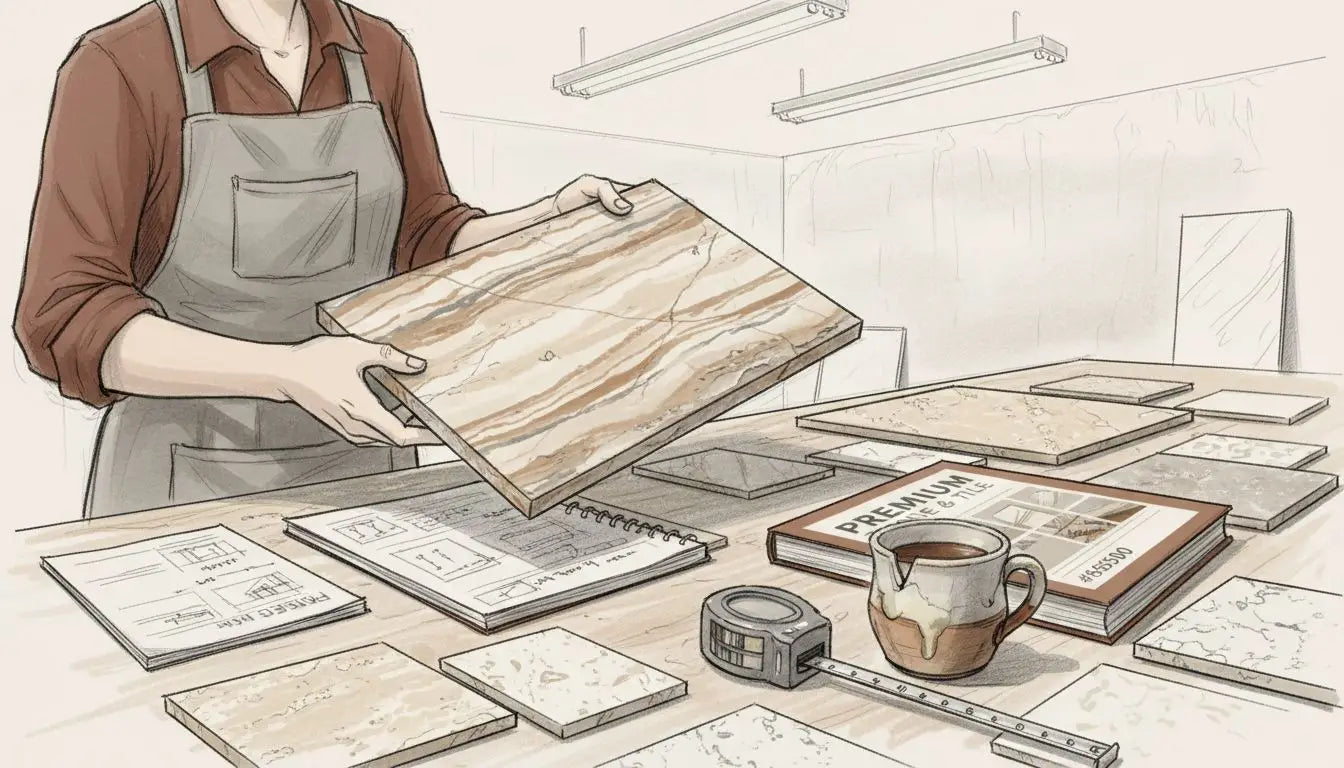
The design impact of vein cut marble extends far beyond mere surface decoration. Environmental interactions and mineral composition influence the stone’s visual character, creating nuanced textures that reflect light and depth in unexpected ways. Architects leverage these characteristics to create focal points in large open spaces, using vein cut marble in applications ranging from expansive wall claddings to intricate flooring designs. The reflective polish and intricate linear patterns contribute to an atmosphere of luxury and refined sophistication, transforming mundane surfaces into compelling visual experiences.
Understanding the visual language of vein cut marble requires appreciating its geological narrative. Each linear streak represents millions of years of geological compression, telling a story of transformation through color, texture, and pattern. Designers select specific marble varieties not just for their aesthetic qualities, but for their ability to communicate spatial energy and create emotional resonance within interior environments. The strategic placement of vein cut marble can define spatial rhythms, guide visual movement, and establish a sense of organic elegance that synthetic materials cannot replicate.
Pro tip: When selecting vein cut marble for a design project, consider how natural and artificial lighting will interact with the stone’s unique veining to maximize its visual drama and depth.
Popular Varieties for High-End Interiors
Luxury interior design demands sophisticated stone selections, and vein cut marble offers an extraordinary palette of options for discerning professionals. Prestigious marble varieties from Italy and the United States dominate high-end architectural projects, with each stone telling a unique visual story. Classic options like Carrara, Calacatta, and Statuario marble represent the pinnacle of natural stone elegance, featuring bold veining patterns that transform spaces from ordinary to extraordinary.
Architects and designers frequently select distinctive marble varieties based on their unique visual characteristics, including remarkable options such as French gray and Champlain black marble, pristine white Vermont marble, and the rare green Verde antique serpentine. Black marble varieties create dramatic statements in contemporary spaces, while white marbles like Carrara provide a luminous, sophisticated backdrop for intricate interior designs. Each variety offers a different intensity of veining, color depth, and reflective qualities that can dramatically influence a room’s aesthetic and emotional atmosphere.
Beyond traditional marble, travertine provides an intriguing alternative for designers seeking natural stone with distinctive character. While less common than marble, travertine offers unique banding and coloration that can create equally compelling visual narratives in luxury interiors. The selection process involves careful consideration of veining intensity, color consistency, and how the stone will interact with surrounding architectural elements, lighting conditions, and design aesthetics.
Below is a summary of marble and travertine varieties and their visual features:
| Stone Type | Popular Varieties | Veining Characteristics | Color Palette |
|---|---|---|---|
| Marble | Carrara, Calacatta, Statuario, Vermont, Verde antique | Bold, linear or complex veins | White, gray, green, black |
| Travertine | Ivory, Silver, Scala Nova Walnut, Red Rojo, Mexican onyx | Dense bands, porous lines | Cream, brown, silver, red |
Pro tip: Always view potential marble slabs in the actual lighting environment of your project to accurately assess how the veining and color will perform in the specific space.
Installation, Care, and Cost Factors
Vein cut marble installation demands exceptional skill and precision to preserve the stone’s intricate visual narrative. Professional installation techniques are critical for maintaining veining continuity and ensuring the stone’s aesthetic integrity. Experienced stone installers must carefully align each marble slab to create a seamless visual flow, which requires extensive expertise and meticulous attention to detail.
Maintenance of vein cut marble involves specialized care strategies to protect its delicate surface and preserve its luxurious appearance. Regular sealing and cleaning with pH-neutral products are essential to prevent damage and maintain the stone’s natural beauty. The stone’s inherent vulnerability to acids and abrasion means that homeowners and designers must implement rigorous protection protocols, including immediate cleaning of spills, using soft cleaning materials, and avoiding harsh chemical treatments that could compromise the marble’s intricate surface.
The cost factors for vein cut marble extend beyond the initial material purchase, encompassing complex installation, specialized maintenance, and long-term preservation. Premium marble varieties can range from $50 to $300 per square foot, with installation costs potentially adding another $30 to $100 per square foot. These expenses reflect the material’s extraordinary visual complexity, the expertise required for proper installation, and the stone’s inherent value as a luxury architectural element. Designers and homeowners must balance aesthetic aspirations with practical budget considerations, recognizing that vein cut marble represents a significant but potentially transformative investment in interior design.
Pro tip: Always request multiple installation quotes and maintain detailed documentation of the specific marble slabs used in your project to ensure consistent maintenance and potential future repairs.
Comparing Vein Cut to Other Cut Styles
Marble cutting techniques dramatically transform stone’s visual character, with each method revealing unique aesthetic possibilities. Vein cut marble distinguishes itself through its distinctive linear orientation, creating elongated visual narratives that differ fundamentally from other cutting approaches. Unlike alternative methods, vein cutting emphasizes the stone’s natural geological storytelling, producing continuous, dramatic patterns that capture the imagination of designers and architects.
Different marble cutting styles produce dramatically varied visual experiences, each offering unique design potential. Cross cut marble, characterized by shorter, more fragmented vein patterns, creates a more subtle and dispersed visual texture compared to the bold linear statements of vein cut marble. Book matching techniques create symmetrical designs by mirroring stone slabs, while block cutting produces uniform surfaces with minimal veining emphasis. These alternative approaches serve different aesthetic goals, allowing designers to select cutting styles that best complement their specific spatial and design requirements.
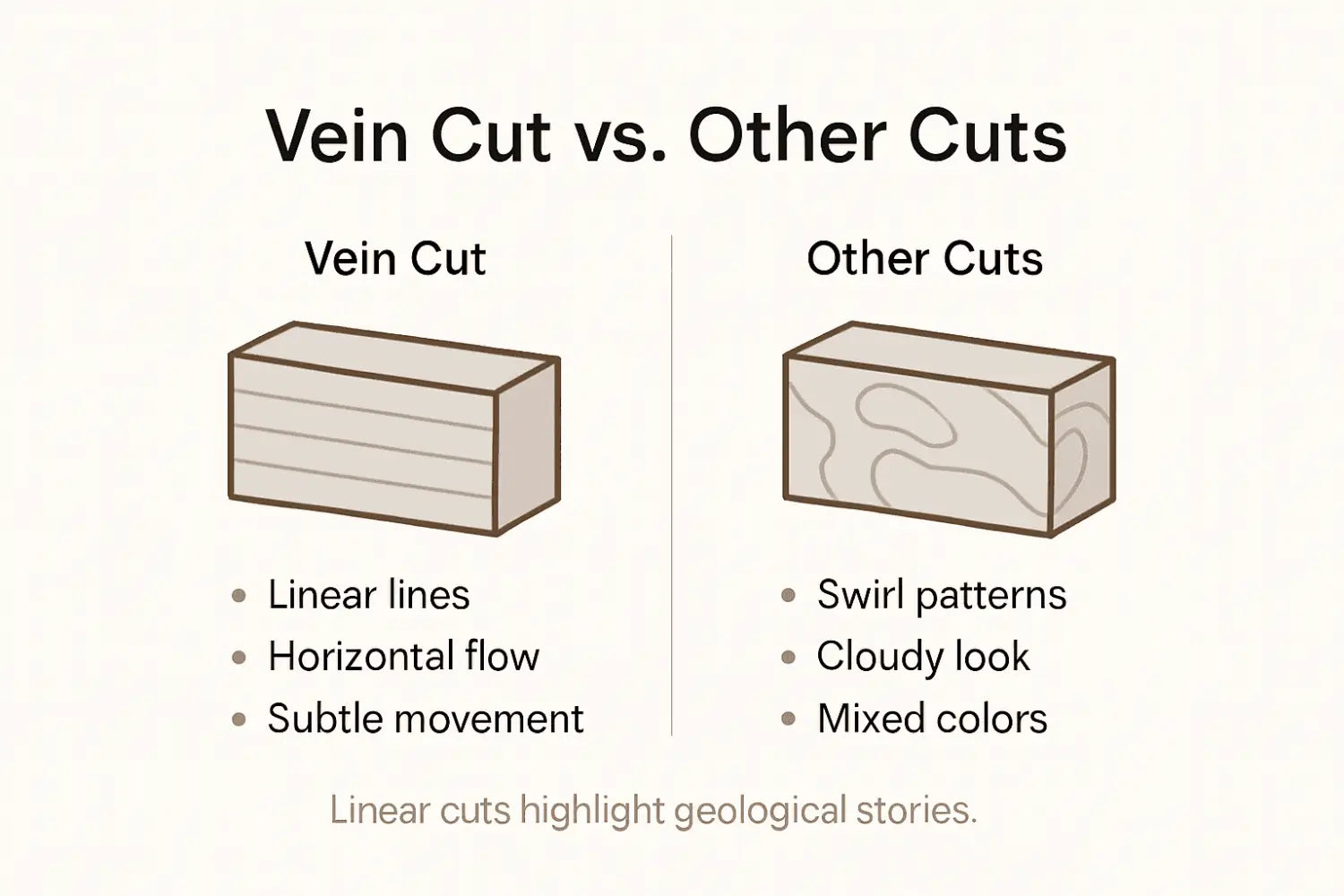
The selection between vein cut and other marble cutting techniques involves careful consideration of visual impact, spatial dynamics, and project-specific design intentions. Vein cut marble typically commands higher prices due to its complex cutting process and dramatic visual effect, making it a premium choice for luxury interiors. Cross cut and block cut styles offer more economical alternatives while still providing beautiful natural stone surfaces. Architects and designers must balance aesthetic aspirations, budget constraints, and the unique narrative potential of each cutting technique to achieve their desired design outcome.
Here’s a concise comparison of marble cutting styles and their primary design impacts:
| Cutting Style | Visual Effect | Typical Use Cases | Cost Range |
|---|---|---|---|
| Vein Cut | Strong linear patterns | Feature walls, luxury floors | High ($50-$300/sq ft) |
| Cross Cut | Scattered, random veins | Bathrooms, countertops | Moderate ($30-$100/sq ft) |
| Book Matched | Symmetrical mirror image | Artistic panels, focal areas | Very high (custom pricing) |
| Block Cut | Minimal veining | Large uniform installations | Low to moderate |
Pro tip: Request sample slabs of different cut styles under your project’s actual lighting conditions to accurately assess how each cutting technique will perform in your specific design environment.
Elevate Your Luxury Space with Authentic Vein Cut Marble
Capturing the stunning linear patterns and natural geological stories of vein cut marble can transform any luxury interior into a masterpiece. If you are seeking to create dramatic visual drama with bold, natural veining that tells a unique story in your design project then quality and authenticity are essential.
Surfaces Galore specializes in premium marble and travertine tiles that preserve the intricate vein cut patterns you value. As a leading direct importer, we offer a broad selection of high-end natural stone options that meet the demands of designers, architects, contractors, and homeowners who want both elegance and durability. Explore our carefully curated collections to find the perfect slabs that complement your vision while ensuring seamless installation and long-term beauty.
Discover how our authentic natural stone can bring your vein cut marble project to life. Visit Surfaces Galore today to access our premium inventory. Learn more about the benefits of selecting expert-crafted vein cut marble on our homepage and start your journey toward timeless luxury now.
Frequently Asked Questions
What is vein cut marble?
Vein cut marble is a stone cutting technique that slices marble perpendicular to its natural geological layers, showcasing dramatic linear patterns and unique veining that reflect the stone’s geological history.
How does vein cut marble differ from cross cut marble?
Vein cut marble features strong horizontal lines and a more consistent linear appearance, while cross cut marble has a scattered and random veining pattern, resulting in distinct visual effects for each cutting method.
What are the benefits of using vein cut marble in interior design?
Vein cut marble enhances luxury spaces by creating a sense of movement and depth through its striking visual patterns, transforming ordinary surfaces into stunning focal points.
How should vein cut marble be maintained?
To preserve the beauty of vein cut marble, regular sealing is essential, and cleaning should be done with pH-neutral products to prevent damage. Immediate cleaning of spills and avoiding harsh chemicals are also crucial for maintenance.
Comments on this post (1)
This is a great explanation of vein cut marble and how it differs from cross cut stone. I like how the article breaks down the visual effect and applications in a way that’s easy to understand. Knowing these details makes a big difference when selecting stone for a project. Content like this helps homeowners and designers choose materials more intentionally.
Tree Removal Arvada
— Arvada Tree Service LLC