

Choosing the right flooring is a big decision because it sets the mood for your entire home.


Choosing the right flooring is a big decision because it sets the mood for your entire home. Natural stone floor tile is a great choice if you want something durable that never goes out of style. We gathered 15 real world examples to show you how different textures and colors can change a room. These ideas will help you find the perfect look for your next renovation project.
1. Rustic Slate in the Mudroom
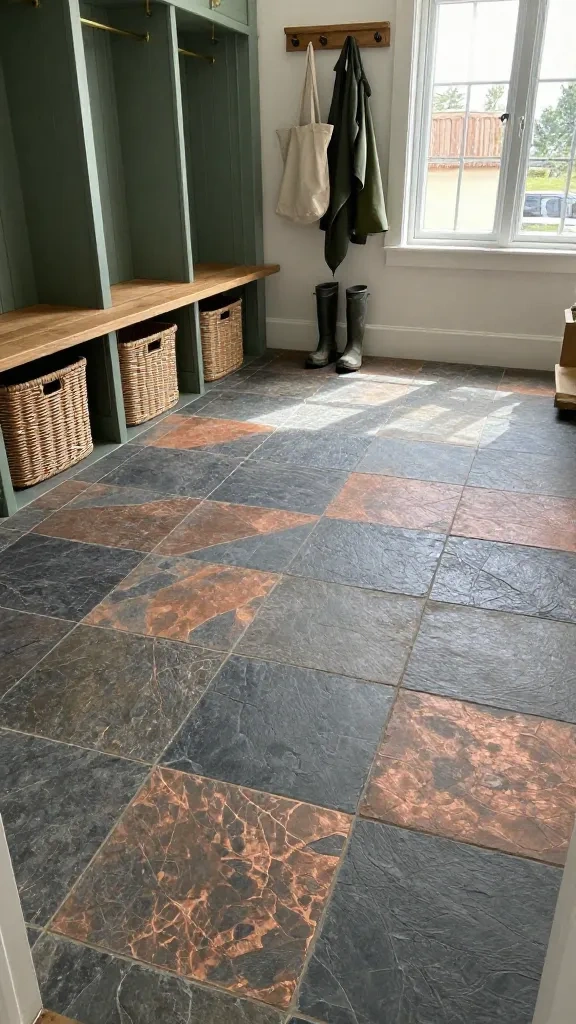
Mudrooms are the hardest working spaces in a house, so you need a floor that can handle wet boots and muddy paws without showing every speck of dirt. Rustic slate is a perfect choice because its naturally cleft surface provides built-in slip resistance, which is a lifesaver on rainy days. You won't have to worry about scratches or scuffs ruining the finish since the stone is incredibly dense and durable.
The beauty of slate lies in its deep charcoal and earthy copper tones that hide outdoor debris remarkably well. I recommend choosing multi-colored slate tiles with varied textures to give the room an organic, lived-in feel right away. It grounds the space and pairs beautifully with simple wooden benches or heavy duty storage cubbies.
To keep it looking fresh, make sure you use a high quality penetrating sealer after installation to prevent salt or oil from soaking in. This extra step makes mopping up winter slush much easier. Since slate stays quite cool, you might even consider installing radiant heating underneath to dry out wet shoes faster and keep your toes warm.
2. Classic White Marble Bathroom Floors
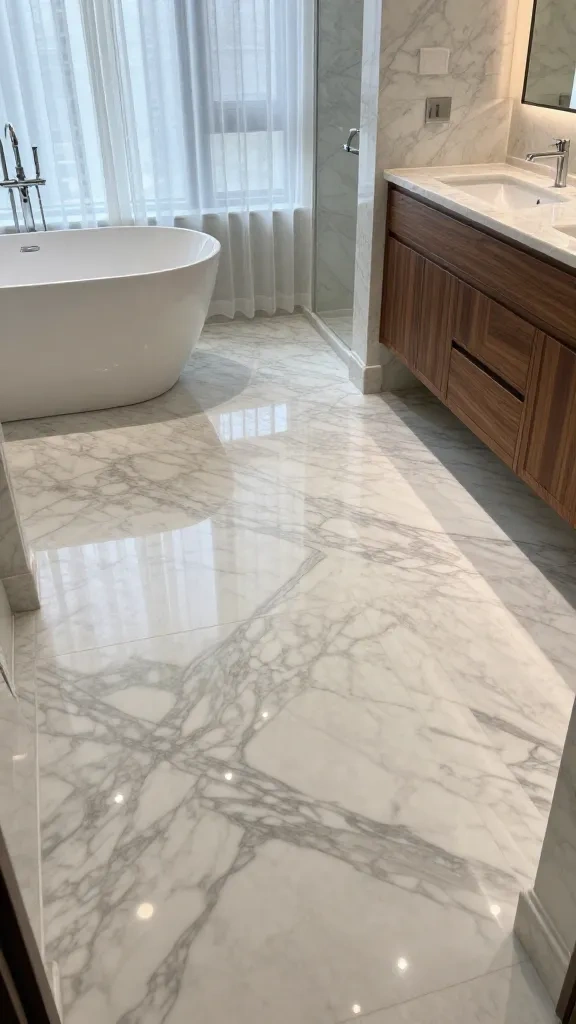
| Marble Variety | Background Color | Veining Style |
|---|---|---|
| Carrara | Cool Gray | Soft, blurry streaks |
| Calacatta | Bright White | Thick, bold patterns |
Picture stepping onto a honed Carrara marble floor after a hot shower. The soft gray tones hide water spots better than polished surfaces, and the natural cooling property of the stone feels great in the summer.
You don't need a massive budget to make this look work. Using smaller hexagon tiles instead of large slabs adds grip underfoot and keeps the cost per square foot manageable.
White marble acts as a neutral base that lets you swap out towels or hardware whenever you want a new look. It pairs just as well with matte black faucets as it does with warm brass fixtures.
Just make sure you apply a high quality sealer once a year. This simple step prevents hair dye or spilled makeup from soaking into the porous stone and leaving a permanent mark.
3. Warm Travertine for Open Living Rooms
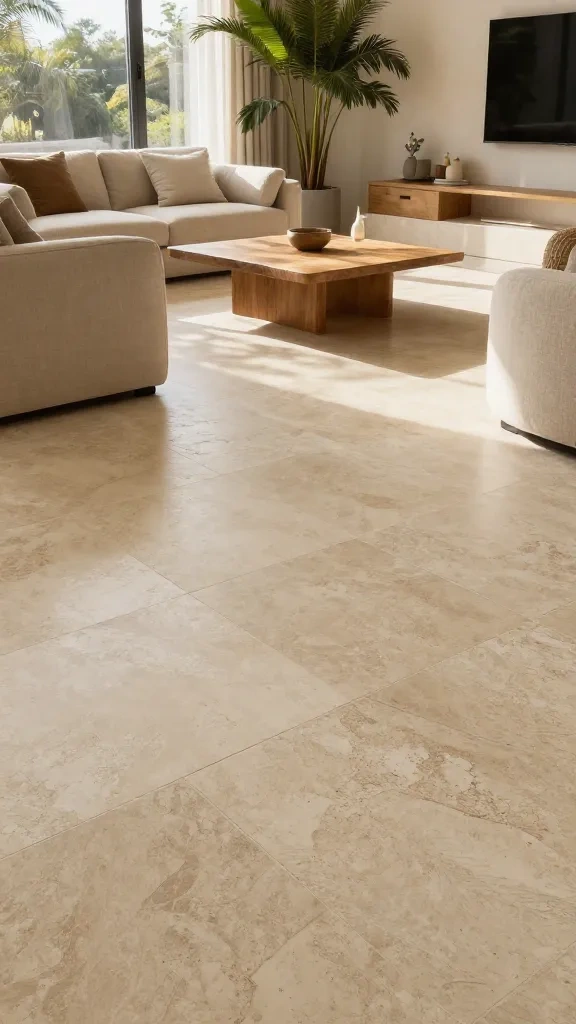
Travertine is the only material that actually makes a massive, open-concept room feel cozy instead of hollow. While cold grey marble can feel a bit like a museum lobby, honed travertine brings in those creamy beige and walnut tones that soak up sunlight. It creates a soft, matte backdrop that grounds your furniture and makes the whole space feel lived-in.
You should look for a French pattern layout to break up the visual monotony of a large floor. This specific arrangement uses four different sizes of rectangular and square tiles to create a staggered, organic look. It hides dirt surprisingly well, which is a huge plus if you have kids or dogs running across the main living area every day.
The natural pits and pores in the stone give it a tactile quality that feels great under bare feet. If you're worried about it feeling too rustic, choose a vein-cut finish for a linear look that mimics wood grain. This style keeps the warmth of the stone but adds a modern edge that fits perfectly with low-profile sofas and minimal decor.
4. Modern Tumbled Limestone Kitchens
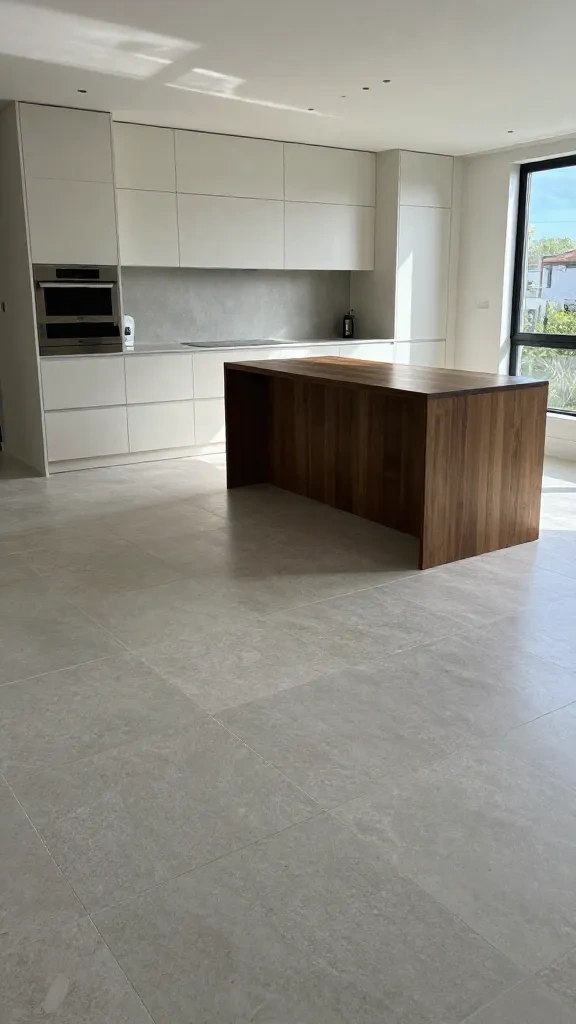
Tumbled limestone works surprisingly well in high traffic kitchens because the worn edges hide the inevitable chips and scratches from dropped pans. You get a soft, chalky texture underfoot that feels much warmer than standard ceramic or polished marble.
The muted tones of Jerusalem Gold or light grey limestone act as a neutral base that keeps a modern space from feeling too sterile. It balances out the sharp lines of flat panel cabinets and stainless steel appliances perfectly.
- Choose a large format tile like 24x36 inches to minimize grout lines and make a small kitchen feel much wider.
- Apply a high quality penetrating sealer before grouting to prevent dark pigments from staining the porous stone surface.
- Mix different tile lengths in a running bond pattern to lean into the natural, slightly irregular look of tumbled edges.
This stone develops a beautiful patina over time that actually looks better as it ages and gets used every day.
5. Dramatic Black Granite in Entryways
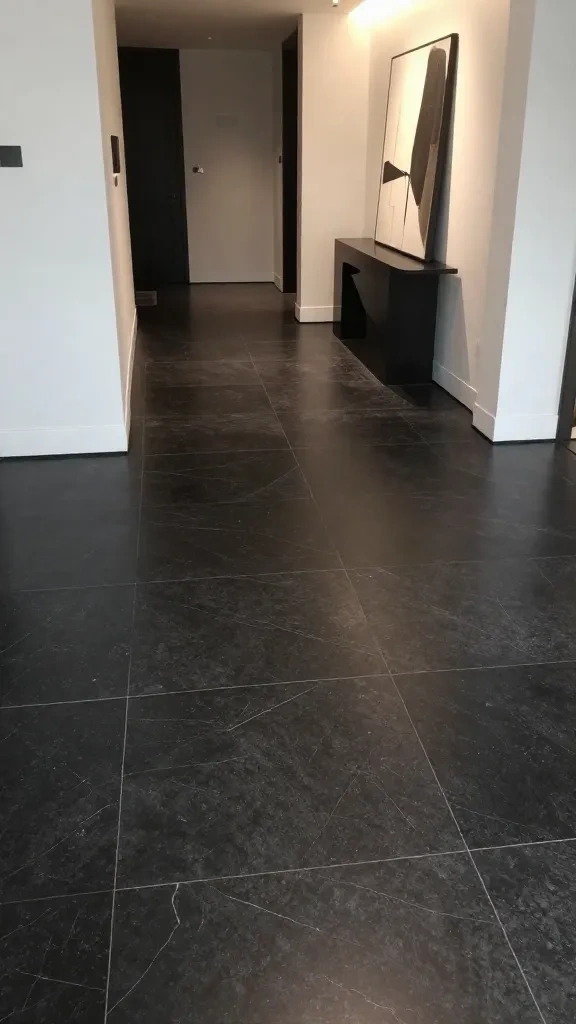
If you're worried about your home looking like every other house on the block, honed black granite is your best friend. It gives off a moody, sophisticated vibe that immediately tells guests they aren't in a cookie-cutter suburban flip.
I love using large format tiles, maybe 24 by 24 inches, to minimize grout lines and create a solid sheet of dark stone. The matte finish is key because it hides the inevitable footprints and dust that come with a high traffic entryway.
You can pair it with crisp white walls and brass hardware to keep the space from feeling too heavy or cave-like. The contrast makes the natural flecks of grey and silver in the stone really pop under overhead lighting.
It's also incredibly tough, so you don't have to stress when people walk in with wet boots or heavy bags. Unlike marble, granite won't etch or scratch the second someone drops their keys on the floor.
Just make sure you choose a high quality sealer during the installation process. This keeps the deep charcoal color looking rich and prevents any salt stains from soaking into the surface during the winter months.
6. Earthy Sandstone for Indoor-Outdoor Patios
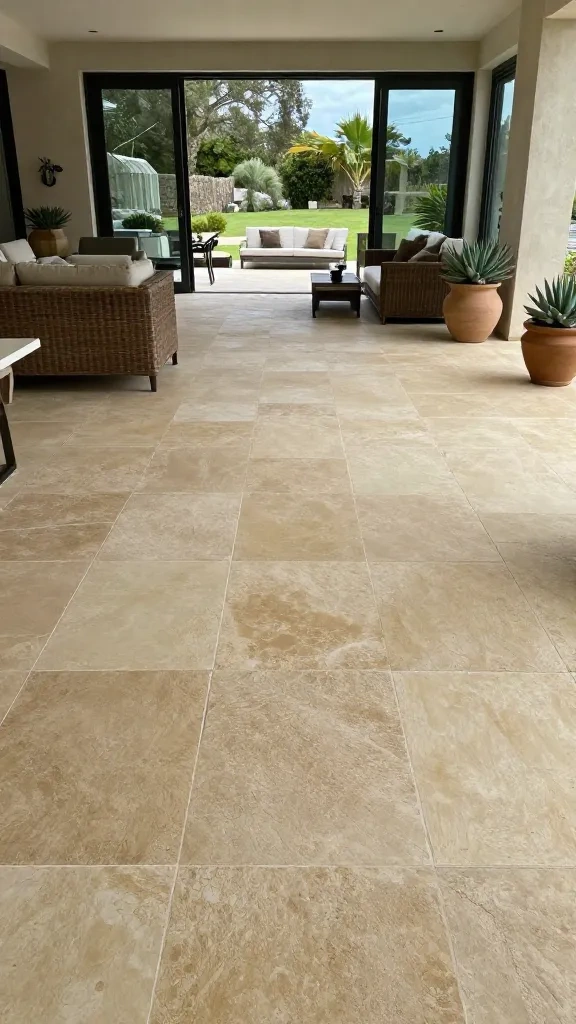
Sandstone is the perfect pick if you want your living room to flow right onto the back porch without a weird visual break. It has a gritty, natural texture that feels great under bare feet and keeps things from getting slippery when it rains.
The real magic of this stone is how it handles the sun. Since it's literally made of compressed sand, it stays much cooler than dark slate or concrete during those blistering July afternoons.
- Thermal Regulation: The light tan and gold tones reflect heat so your patio stays comfortable for kids and pets.
- Natural Grip: Its built-in grain provides a slip-resistant surface that works well near pool decks or rainy entryways.
- Color Consistency: Using the same stone inside and out tricks the eye into thinking your home is much larger than it actually is.
You'll notice that sandstone ages beautifully over time. It develops a soft patina that hides dust and dirt much better than polished marble or ceramic tile ever could.
7. Polished Quartzite for High-End Dining
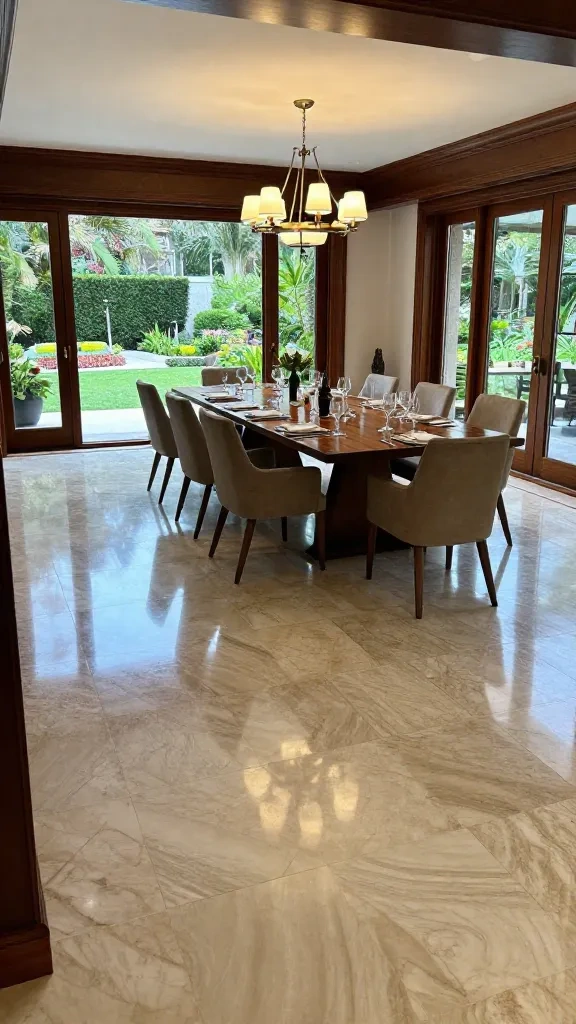
You might feel stuck between choosing a classic marble or a more rugged granite for your dining room floor. Marble offers that iconic high gloss look but stays notoriously prone to etching from a spilled glass of wine or citrus juice. Granite handles the spills much better, yet it often lacks that luminous, crystalline depth that makes a formal space feel special.
Polished quartzite sits right in the sweet spot because it's actually harder than granite but looks like a piece of high-end jewelry. Stones like Taj Mahal or White Macaubas feature soft, flowing veins that catch the light beautifully under a chandelier. You get the sophisticated aesthetic of a luxury hotel without the constant anxiety of ruining the finish during a dinner party.
I always recommend going with large format quartzite tiles to minimize grout lines and create a mirror-like surface. This material is incredibly dense, so it won't dull or scratch when guests pull out heavy dining chairs. It is a significant investment up front, but the sheer durability means you won't be refinishing these floors in ten years.
8. Textured River Stone Shower Floors
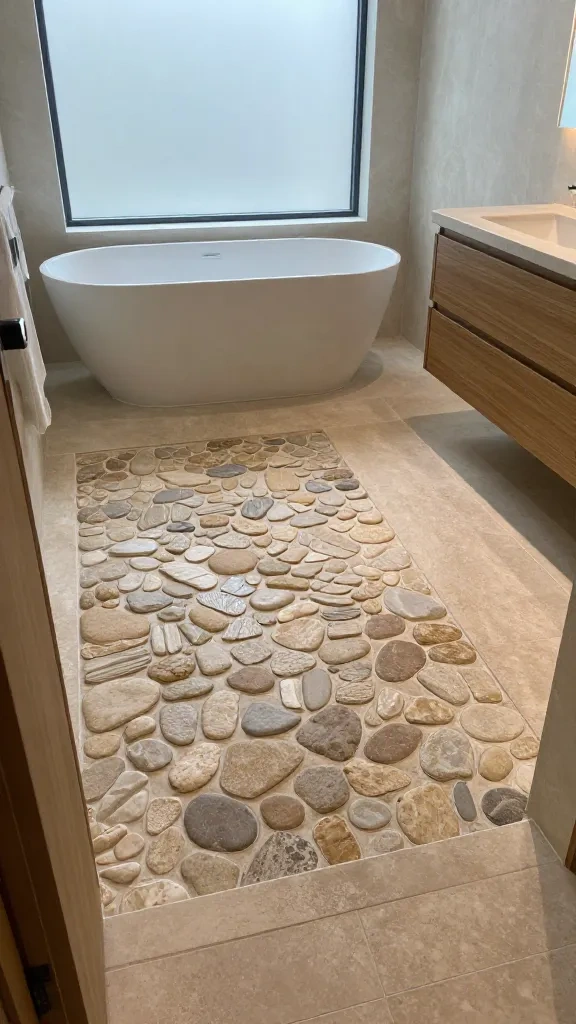
Walking into a shower with river stone flooring feels less like a chore and more like a quick trip to a mountain stream. The rounded edges of the stones provide a natural massage for your feet that flat tiles just can't replicate.
These floors consist of small, smooth pebbles embedded in grout to create a slip resistant surface. You don't have to worry about sliding around on soapy water because the uneven texture offers a built in grip.
To keep the look authentic, choose stones in varied earth tones like charcoal, tan, and soft grey. Make sure your installer uses a high quality sealer to prevent the grout from soaking up moisture over time.
This style works best when you carry the stones slightly up the wall or use them in a recessed niche. It ties the whole bathroom together and makes the space feel like a private outdoor spa.
9. Multicolor Flagstone for Sunrooms
| Feature | Multicolor Flagstone | Single Tone Slate |
|---|---|---|
| Visual Texture | High variation with earthy swirls | Uniform and consistent |
| Dirt Concealment | Excellent for hides and dust | Shows footprints easily |
| Natural Feel | Rugged and organic | Modern and controlled |
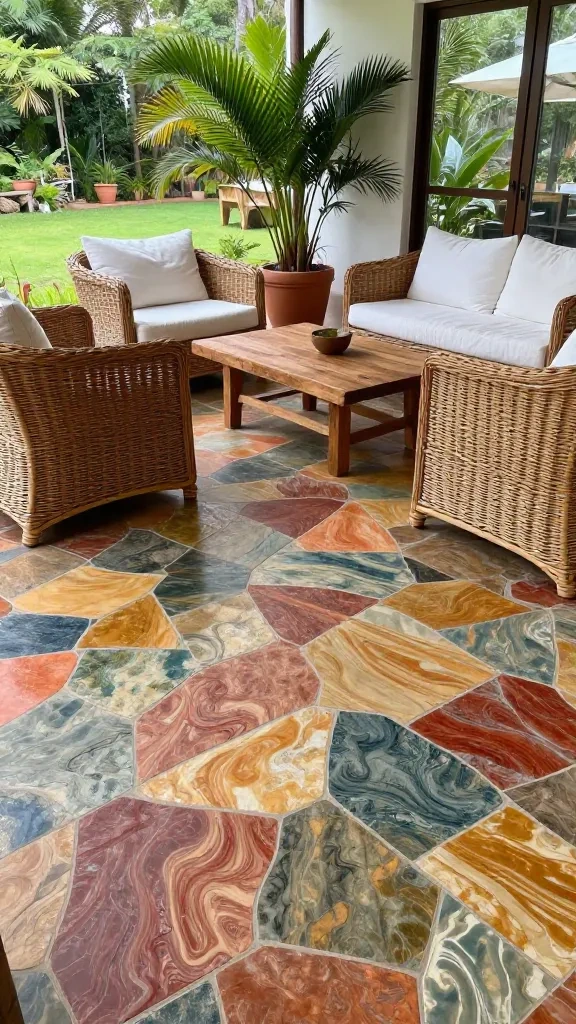
Picture a Sunday morning where the light hits your sunroom floor, revealing deep rust oranges, charcoal greys, and sandy tans all in one slab. This variety makes the space feel like an extension of your backyard rather than just another indoor room. It handles the transition from garden to house perfectly because it doesn't show every blade of grass or bit of dried mud you track in.
The cleft surface of multicolor flagstone provides a natural grip that feels great under bare feet. It stays cool during the hottest July afternoons, which is a lifesaver in rooms with wall to wall windows. You won't have to worry about the colors fading in the sun since these pigments are baked into the rock over millions of years.
Pairing these stones with wicker furniture or heavy wooden planters creates a grounded, cozy atmosphere. The irregular shapes of the stones break up the rigid lines of window frames and baseboards. It's a practical choice that looks expensive without requiring constant scrubbing or polishing.
10. Honed Basalt for Minimalist Spaces
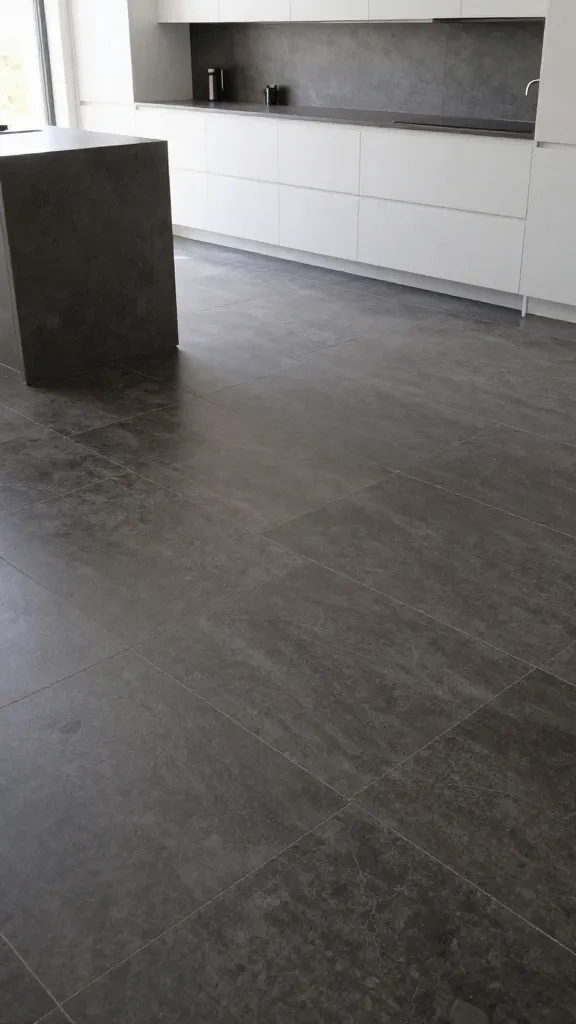
Basalt is the absolute heavy hitter for anyone who wants a clean, moody look without the high maintenance of marble. It is a volcanic rock that brings a deep charcoal or soft black tone to a room, creating a solid foundation that doesn't feel busy. When it has a honed finish, the stone feels velvety smooth under your feet and loses that shiny, dated reflection.
I love using large format basalt tiles in a bathroom or a kitchen to minimize grout lines. This makes a small space feel much bigger because the floor looks like one continuous slab of dark silk. It works perfectly with natural wood cabinets or white walls, providing enough contrast to make the furniture pop without stealing the spotlight.
You should know that basalt is incredibly dense, so it handles heavy foot traffic and spills better than most porous stones. Just make sure to use a high quality sealer during installation to keep the color rich. Since it holds heat well, it is also a fantastic choice if you are planning to install radiant floor heating in your home.
11. Vintage Checkerboard Marble Hallways
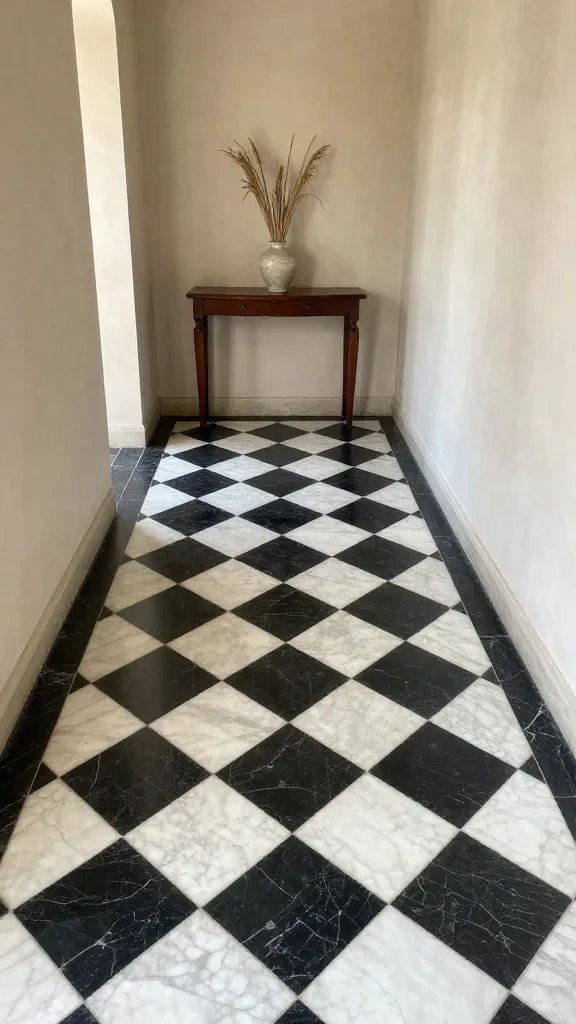
Setting up a checkerboard floor in your entryway immediately solves the problem of a boring transition space. The high contrast between honed black marble and creamy white stone hides the inevitable dirt that guests track inside.
It creates a grounded, historic feeling that makes even a small hallway feel like a deliberate architectural choice. You don't need expensive furniture when the floor itself acts as the primary design feature.
- Choose 12 by 12 inch tiles to keep the pattern from feeling too busy in narrow corridors.
- Select a matte finish rather than high gloss to prevent the surface from becoming a slip hazard when it rains.
- Use a dark grey grout for the entire floor so the lines between the white tiles don't get stained over time.
This layout works best when you align the tiles diagonally to the walls, which visually pushes the boundaries of the room outward.
12. Organic Pebble Mosaics in Spas
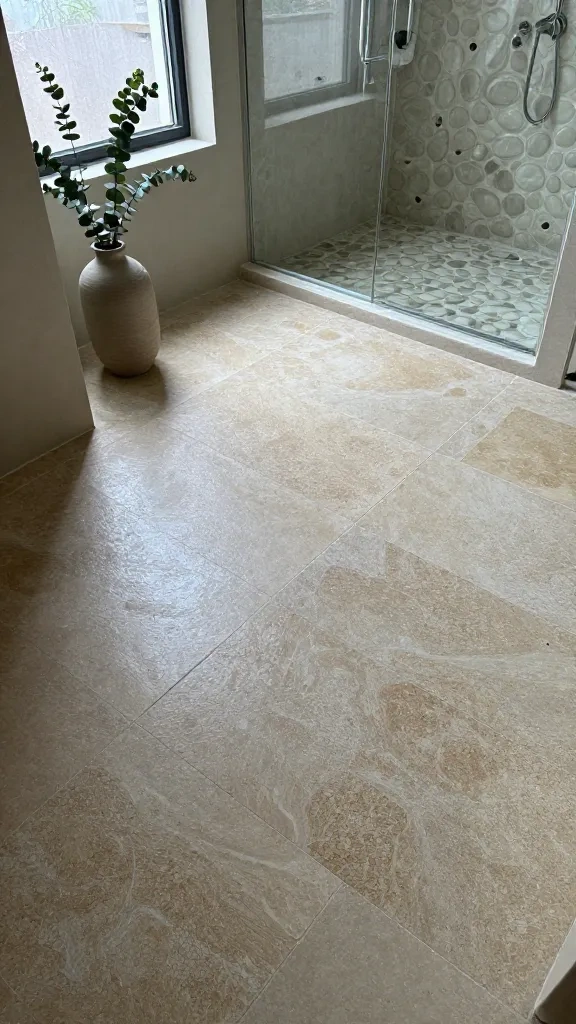
Have you ever noticed how the floor in a high end spa feels under your feet? It is usually those organic pebble mosaics that make the space feel so grounded and calm.
I love using these in walk in showers because the rounded edges of the stones actually massage your feet while you wash. It is a simple way to bring a bit of the outdoors into a bathroom without it looking messy or unfinished.
You can choose flat sliced pebbles if you want a level surface for furniture or standing. If you prefer a more tactile sensation, go with the full rounded stones that stick up slightly from the grout line.
The trick to making these look expensive is picking a grout color that matches the stones closely. This creates a monochromatic look that feels like a natural riverbed rather than a busy DIY project.
I usually recommend the tan or grey varieties for a classic spa vibe. They hide water spots and soap scum much better than flat porcelain tiles, which makes maintenance a lot easier for you.
13. Herringbone Travertine Pattern Designs
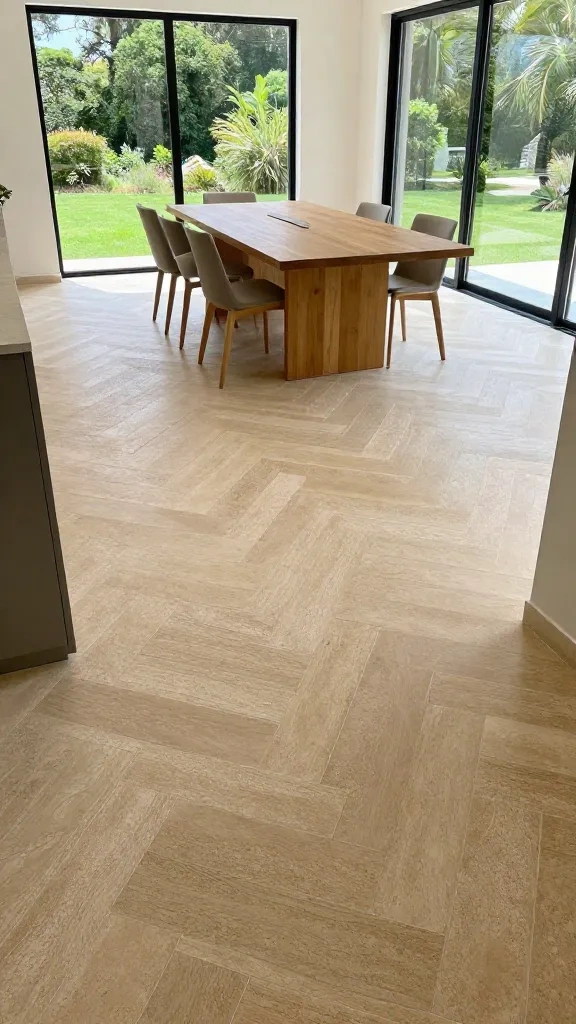
The herringbone layout works so well with travertine because it breaks up the stone's naturally linear veins. Instead of seeing long rows, you get a zigzag movement that makes a hallway or kitchen floor feel much wider.
I usually recommend using smaller rectangular tiles for this specific pattern. If the tiles are too big, you lose that classic woven look that makes the floor stand out.
- Contrast the grout to make the geometric lines pop against the creamy stone.
- Select tumbled edges for an old world feel that hides small chips or wear over time.
- Mix different shades from the same color family to add depth to the repeating pattern.
This style is great for high traffic areas like mudrooms. The busy pattern is excellent at hiding footprints and pet hair between cleanings.
Stick with a honed finish rather than polished. It provides better grip underfoot and keeps the space looking casual and inviting.
14. Rough-Cut Soapstone for Cozy Dens
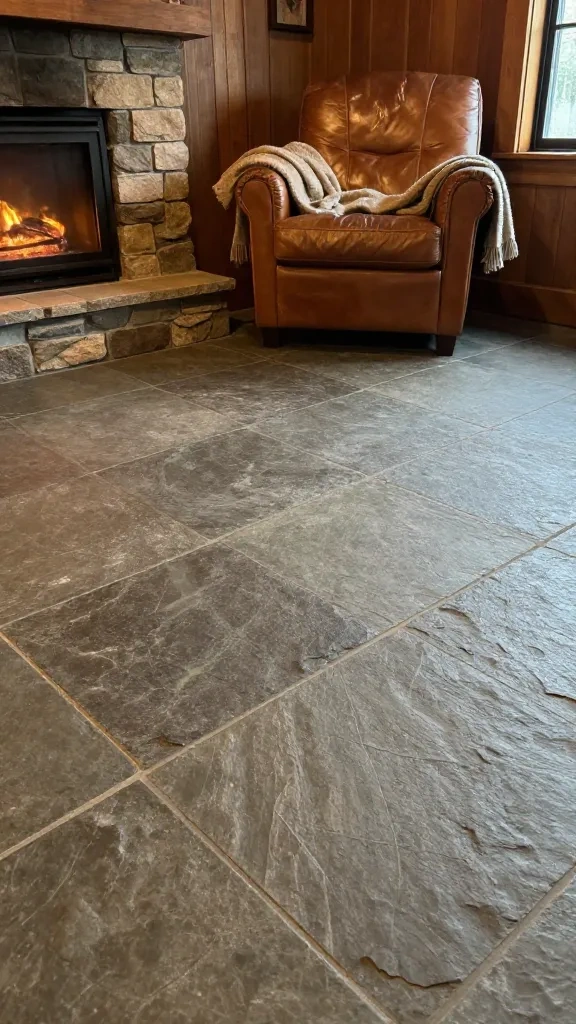
You might be torn between choosing a polished, dark soapstone or a rough-cut finish for your den. Polished soapstone looks sleek and modern, but it can feel a bit cold and slippery under your feet during the winter months.
The rough-cut version offers a completely different vibe by keeping the natural clefts and ridges of the stone intact. This texture creates a grippy, matte surface that feels incredibly grounded and rustic in a smaller room.
I highly recommend going with the rough-cut tiles if you want a space that feels like a mountain cabin. Because soapstone holds heat so well, these tiles stay warm long after you turn off the fireplace.
Pair the gray-green tones of the stone with a thick wool rug and leather armchairs to finish the look. The uneven edges of the stone add a layer of authentic character that you just can't get from factory-finished ceramic tiles.
15. Matte Onyx for Bold Visual Accents
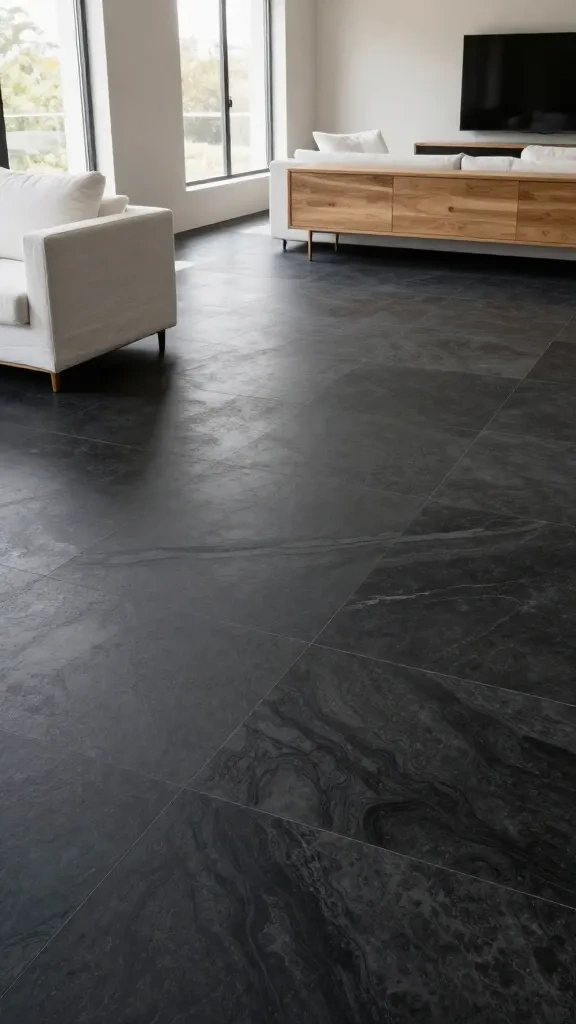
Most people think of onyx as a translucent, glowing material used for backlit bars or fancy wall panels. Choosing a matte onyx floor flips that expectation on its head by trading the shine for a deep, velvety texture that feels incredibly grounded.
The dark charcoal and ink tones provide a heavy visual anchor that makes light-colored furniture or white oak cabinets pop. Since the finish is flat rather than polished, you get to see the actual swirls and layers of the stone without a distracting glare.
Try using large format tiles in a small powder room or a high-end master bath to create a moody, private sanctuary. It hides water spots much better than polished black stone, which is a massive win for maintenance.
Pair it with unlacquered brass fixtures or a thick wool rug to balance the coolness of the stone. This specific look works best when you let the floor be the loudest element in the room while keeping the walls simple and clean.
Wrapping Up
Choosing natural stone floor tile is a great way to add character and lasting quality to your home. These fifteen styles show that you can find a look for any room, whether you want something rustic or modern. Take your time looking at samples in person to see how the light hits them. Pick the stone that fits your daily life and start your renovation with confidence.
Leave a comment