

How to Choose Tile Size Based on Room Dimensions: The Professional Layout Guide

Picking the right tile size for your room can really change how the whole space feels. It's not just about looks, but how big or small a room seems. This guide, "How to Choose Tile Size Based on Room Dimensions: The Professional Layout Guide," is here to help you figure it all out. We'll go over how different tile sizes work with room sizes, how to place them so they look good, and even how to figure out how much you need. Let's get your floors looking just right.
Key Takeaways
- Larger tiles can make smaller rooms feel more open, but you need to be careful with cuts. Smaller tiles can work well in tight spots, especially for detailed patterns.
- Always plan your tile layout before you start. Centering the design and working outwards often gives the best results, minimizing awkward cuts at the edges.
- Measure your room's square footage carefully and always add extra for cuts, waste, and potential future repairs. This prevents you from running short.
- Grout lines play a role in how tile size is perceived. Thinner grout lines can make tiles look bigger and create a more unified look.
- Consider the material of your tile. Marble and travertine offer classic beauty, while granite and quartz bring durability. Each has its own strengths for different room types and uses.
Understanding Tile Scale and Room Proportions
Choosing the right tile size isn't just about looks; it's about making your room feel just right. Think of it like picking out furniture – too big, and it overwhelms the space; too small, and it can feel cluttered. We're here to help you get it perfect.
The Impact of Tile Size on Perceived Space
Ever walked into a room and felt like it was bigger or smaller than it actually is? Tile size plays a huge role in that illusion. Large format tiles, for instance, can make a small bathroom feel surprisingly spacious. They create fewer grout lines, which means a more continuous visual flow. This can be a game-changer if you're looking to buy marble tiles online in the USA and want to maximize the sense of openness in your home. On the flip side, smaller tiles can add detail and texture, making a large room feel cozier.
The right tile size can dramatically alter how a room feels.
Balancing Large Format Tiles with Smaller Rooms
It might seem counterintuitive, but large format tiles can work wonders in smaller spaces. Instead of breaking up the floor with many small tiles, a few large ones create a cleaner, more expansive look. Imagine a small kitchen with 24x24 inch tiles versus one with 12x12 inch tiles. The larger tiles will make the kitchen feel more open and less busy. This is a popular choice for modern bathrooms and entryways. We've seen clients transform their compact areas using this technique, achieving a sophisticated finish that belies the room's actual dimensions. It’s all about creating that visual continuity.
Optimizing Small Tiles for Compact Areas
Now, don't count out smaller tiles just yet! In compact areas like a powder room or a small entryway, smaller tiles can be your best friend. They allow for more intricate patterns and can add a decorative flair that larger tiles might overpower. Think about mosaic tiles or subway tiles laid in a unique pattern. These can add personality and detail without making the space feel cramped. For areas where you want to add a touch of detail, like a backsplash, smaller tiles are often the way to go. They can create a rich texture and visual interest that draws the eye.
Case Study: The Compact Condo Kitchen
A client in a city condo had a very small kitchen. They were worried about making it feel even smaller. We recommended large format (18x36 inch) porcelain tiles for the floor. The result? The kitchen felt significantly larger and more modern. The minimal grout lines created a smooth, continuous surface that opened up the space beautifully. They were thrilled with how much bigger the kitchen appeared.
Choosing the correct tile size is a strategic design decision that impacts the overall feel and perceived dimensions of your room. It's not just about aesthetics; it's about spatial psychology. Consider the room's function and your desired atmosphere when making your selection.
Strategic Tile Placement for Visual Harmony
Getting the tile layout right is more than just aesthetics; it's about making your space feel just right. A well-planned layout can make a room feel bigger, more balanced, and frankly, just more pleasing to the eye. It’s about creating a flow that guides the viewer’s attention and makes the most of your chosen tiles. Think of it as setting the stage for your entire room's design. When done correctly, it makes a huge difference.
Centering the Layout for Symmetry
Starting your tile layout from the center of the room is a pro move. It ensures that the most visible areas have full tiles, and any cuts are tucked away at the edges, usually against walls or cabinets. This creates a balanced look that feels intentional and polished. It’s the secret to making your floor or wall look professionally done, even if you're a DIYer.
- Find the true center: Measure your room carefully and mark the center point. This is your anchor.
- Establish guidelines: Use chalk lines to create a cross at the center, giving you reference lines to start laying tiles.
- Dry lay first: Before any adhesive touches the floor, lay out your tiles without it. This lets you visualize the pattern and make adjustments. It’s a critical step to avoid surprises later.
Working from the Center Outward
Once you have your center point and guidelines, begin laying tiles outward in all directions. This method guarantees that any partial tiles or cuts will be at the perimeter of the room. It’s a simple technique that yields a sophisticated result. For example, using large format tiles like 600 x 1200mm in a living area can make the space feel expansive when laid out this way. You can find beautiful options if you want to buy marble tiles online USA.
Avoiding Unattractive Cuts at Perimeters
Nobody wants to see tiny, awkward slivers of tile at the edges of their room. A strategic layout minimizes these. By starting from the center, you ensure that the cuts are as large and as uniform as possible, or ideally, you can place full tiles along the most prominent walls. This attention to detail is what separates a good tile job from a great one. It’s about making the tile work for the room, not against it.
Case Study: The Open Concept Living Area
A client wanted to update their large, open-concept living and dining area. They loved the look of large format travertine tiles but were worried about how cuts would look along the expansive perimeter. We advised a center-out layout. By finding the exact center of the main living space and laying tiles outward, we ensured that the majority of the floor featured full tiles. The cuts, though necessary, were strategically placed against the walls and under built-in cabinetry, making them virtually unnoticeable. The result was a stunning, cohesive floor that made the already large space feel even grander.
Planning your tile layout from the center outward is a professional technique that ensures symmetry and minimizes unsightly cuts, making your space look more polished and intentional. It’s a small step that has a big impact on the final appearance.
Calculating Tile Needs for Accurate Coverage
Don't guess when it comes to your tile order. Getting the quantity right is super important. Too little, and you're stuck with an unfinished project and a headache. Too much, and you've wasted money. Let's break down how to calculate exactly what you need, so you can buy with confidence and get that perfect finish.
Measuring Square Footage Accurately
This is the first step, and it's pretty straightforward. You need to know the total area you're covering. Grab a tape measure and get the length and width of your room. Multiply those two numbers together to get the square footage. For rooms that aren't perfect rectangles, break them down into smaller rectangular sections, measure each one, and add them all up. It’s better to measure twice and cut once, right?
Always measure in the same units, whether that's feet or inches, to avoid confusion.
For example, if your room is 10 feet long and 12 feet wide, your square footage is 10 x 12 = 120 sq ft. If you're buying tiles that are sold by the square foot, this is your starting number. If you're buying by the box, you'll need to check how many square feet each box covers. You can find a handy tile calculator online to help with this, just input your room dimensions and tile size [9302].
Accounting for Waste and Cuts
This is where most people slip up. You can't just buy the exact square footage of your room. Why? Because you'll need to cut tiles to fit edges, corners, and around obstacles like doorways or cabinets. Plus, sometimes a tile might chip or break during installation. It's standard practice to add a percentage for this 'waste'.
- For standard rectangular rooms and simple patterns: Add 10% for waste.
- For rooms with lots of angles, curves, or complex patterns (like a French pattern or Versailles): Add 15% or even 20%.
So, if your room is 120 sq ft and you're adding 10% for waste, you'll need 120 + (120 * 0.10) = 132 sq ft of tile. This extra bit ensures you have enough to work with and avoids a last-minute trip to the store.
Case Study: The Kitchen Backsplash Dilemma
Sarah wanted a stunning marble backsplash for her kitchen. She measured her backsplash area, which came out to 30 sq ft. She decided to buy exactly 30 sq ft of tile. When she started cutting around the outlets and the window, she quickly ran out. She had to make another trip to the store, hoping they had the same batch of marble, and paid extra for a smaller quantity. If she had added 15% for waste (30 * 1.15 = 34.5 sq ft), she would have had enough and saved herself the hassle.
Estimating Quantity with Grout Lines
While grout lines are usually small, they do take up a tiny bit of space. For most standard tile sizes, the waste percentage already accounts for this. However, if you're using very small tiles or mosaics, or if you're aiming for a super tight grout line, you might want to double-check your calculations. Some online calculators can factor in grout lines for you, making the process even simpler [285f].
Pro Tip: When you buy your tiles, especially if you're ordering beautiful natural stone like marble or travertine, try to order from the same dye lot or batch. This helps ensure color consistency across all your tiles. If you need to buy more later, you might not get an exact match. So, getting it right the first time is key. If you're looking to buy marble tiles online in the USA, make sure to check the batch information.
Always order a little extra. It's far better to have a few leftover tiles for future repairs than to be short on your project. Think of it as insurance for your beautiful new floor or wall.
The Role of Grout Lines in Tile Size Perception
Minimizing Grout Lines for a Seamless Look
Think of grout lines as the silent architects of your space. They might seem small, but their impact on how a room feels is huge. Too much grout, especially in a contrasting color, can break up a floor or wall, making it look busy and smaller than it is. For a spacious, open feel, especially in smaller rooms, you want to minimize these visual breaks. This is where grout color and tile placement really shine. Choosing a grout that closely matches your tile color is a pro trick for making the tile field look continuous. It’s like magic for making spaces feel bigger. If you're aiming for that expansive, modern look, especially with large format tiles, keeping grout lines tight and color-matched is key. It creates a unified surface that draws the eye across the room, not across individual tiles. This technique is a game-changer for bathrooms, kitchens, and even living areas where you want that sense of flow. You can buy marble tiles online USA and achieve this sophisticated look with careful grout selection.
The Effect of Grout Color on Visual Scale
Color is everything, right? The same goes for grout. A dark grout on a light tile can make each tile pop, creating a distinct grid. This can be great for a bold look, but it also visually shrinks the space. On the flip side, a light or neutral grout that blends with your tile color makes the tiles seem to melt into one another. This creates a larger, more unified surface. Imagine laying down some beautiful travertine tiles; using a grout that's close to the travertine's natural tone will make the whole floor look more expansive. It’s a subtle change with a big visual payoff. This is especially true when you're looking at materials like marble or granite. The goal is to let the tile's natural beauty dominate, not the lines between them. A well-chosen grout color can make your chosen tiles, like those from our Marble Tiles Collection, truly sing.
Considering Narrower Grout for Larger Tiles
When you're working with larger tiles, say 24x24 inches or bigger, the grout lines become even more significant. Using a narrower grout joint, often referred to as a 'tight joint' or 'minimal grout line', is a smart move. This approach is particularly effective with materials like large format porcelain or even big slabs of natural stone. It reduces the number of grout lines per square foot, further enhancing that expansive, seamless look. For instance, installing large format marble tiles with a very thin, color-matched grout line can make a small bathroom feel like a spa. It’s about creating an uninterrupted flow. Remember, the goal is to make the tile the star, and minimizing grout lines helps achieve that. This is a technique often used when you want a very clean, modern aesthetic, and it works wonders for making any room feel more open and luxurious. It’s a detail that makes a huge difference, especially when you're aiming for that high-end finish you see in designer spaces. If you're looking to buy marble tiles online USA, consider how grout will play a role in the final look.
Large Format Tiles: Maximizing Impact in Expansive Spaces
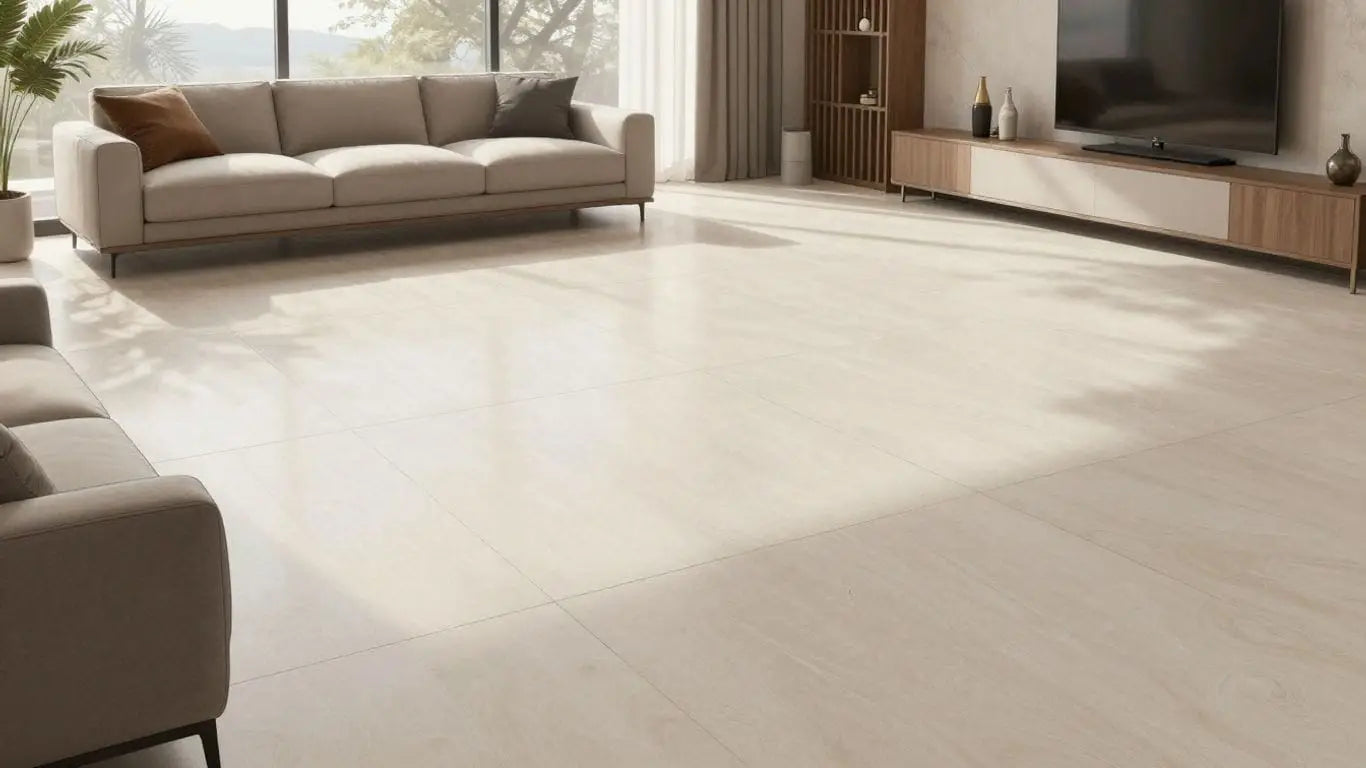
Ready to make a grand statement? Large format tiles are your secret weapon for creating breathtaking, expansive interiors. Think fewer grout lines, a cleaner look, and a sense of boundless space. These tiles aren't just big; they're a design revolution for modern living.
Benefits of Large Tiles in Open Floor Plans
Open floor plans demand a design that flows. Large format tiles deliver exactly that. They minimize visual interruptions, making rooms feel bigger and more connected. Imagine walking into a living area where the floor seems to stretch on forever. It’s a sophisticated look that buyers love. Plus, with fewer grout lines to clean, maintenance becomes a breeze. This is especially true when you buy marble tiles online USA, as marble offers a natural elegance that complements large spaces beautifully.
- Expands Visual Space: Creates an illusion of a larger room.
- Reduces Grout Lines: Offers a cleaner, more modern aesthetic.
- Streamlines Installation: Fewer tiles mean quicker project completion.
- Easy Maintenance: Less grout means less scrubbing.
Achieving a Modern Aesthetic with Large Formats
Large format tiles are the cornerstone of contemporary design. They lend an air of understated luxury and sophistication. Whether you're opting for the natural veining of marble or the robust look of granite, these tiles bring a polished finish. They work wonders in living rooms, kitchens, and even bathrooms, creating a cohesive and high-end feel. For example, using large format tiles in a bathroom can make a small space feel like a spa retreat. See bathroom ideas.
Installation Considerations for Oversized Tiles
Installing large format tiles requires precision. It’s not a DIY job for the faint of heart. Proper subfloor preparation is key. You'll need the right tools, like a large notched trowel and potentially a leveling system, to ensure each tile sits perfectly flush. Working with these larger pieces means you need a steady hand and a good plan. It’s often best to consult with a professional installer to guarantee a flawless finish. They know how to handle the weight and ensure the tiles are set correctly, preventing issues like lippage.
When choosing large format tiles, consider the overall scale of your room. While they excel in expansive areas, a well-planned layout can also make them work in moderately sized spaces, provided you focus on centering the design and minimizing awkward cuts.
Small Format Tiles: Enhancing Detail in Intimate Settings
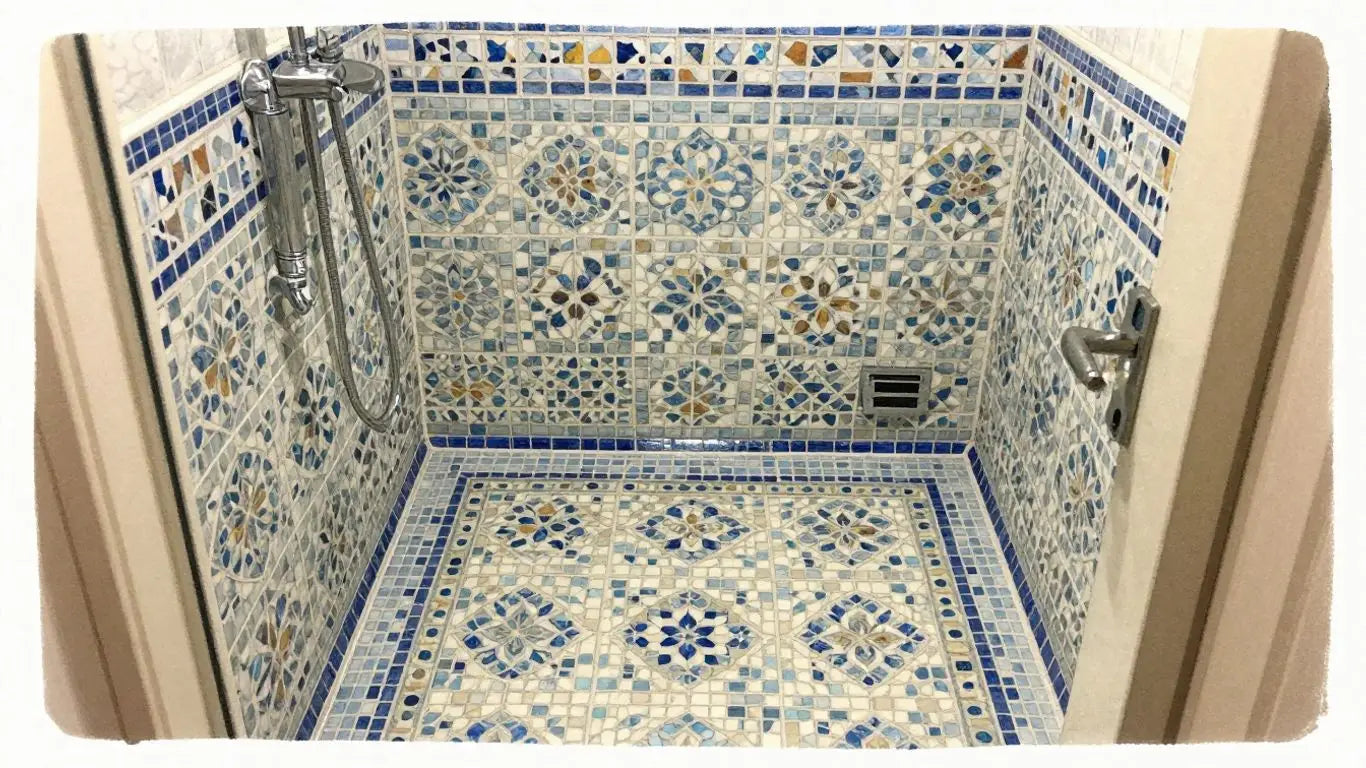
Creating Intricate Patterns with Smaller Tiles
Don't underestimate the power of small tiles! In smaller rooms, these little gems can actually make the space feel more expansive and detailed. Think about intricate patterns that draw the eye and create a sense of depth. Small format tiles are your best friend when you want to add a lot of visual interest without overwhelming the room. They're perfect for creating a sophisticated look that feels custom-made. You can really play with layouts here, making a big impact in a small area. If you're looking to buy marble tiles online in the USA, small mosaics can offer incredible detail.
Suitability for Detailed Areas Like Backsplashes
Small tiles absolutely shine in areas that demand detail, like kitchen backsplashes or bathroom shower surrounds. They allow for intricate designs and can handle the curves and corners of these spaces with ease. Imagine a beautiful mosaic backsplash that becomes the focal point of your kitchen. It’s a way to add personality and style without taking over the whole room. For these detailed applications, consider options like travertine mosaic tiles for a warm, natural feel, or marble mosaics for pure luxury. They are fantastic for adding texture and visual appeal.
The Charm of Mosaics and Decorative Patterns
Mosaics are the ultimate expression of small format tile artistry. Whether it's a classic subway tile laid in a herringbone pattern or a complex geometric mosaic, these smaller pieces allow for incredible design flexibility. They can transform a simple wall into a work of art. For bathrooms, using smaller tiles can actually help make small bathrooms appear larger when laid strategically. Think about the rich textures and colors you can achieve with options like marble mosaic tiles or intricate travertine patterns. They bring a unique charm that larger tiles just can't replicate.
Rectangular Tiles: Versatility in Orientation
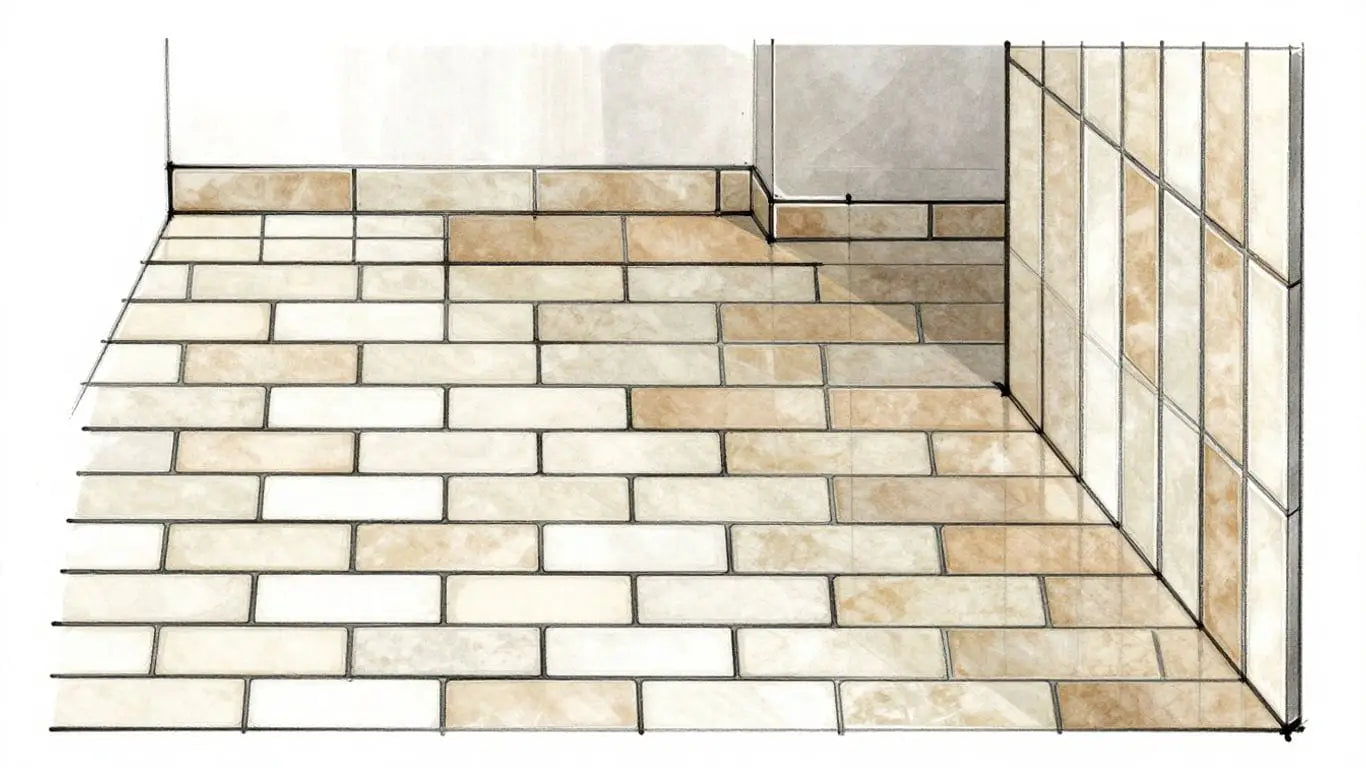
Horizontal Laying to Widen a Space
Want to make a narrow room feel more expansive? Laying rectangular tiles horizontally is your secret weapon. This technique visually stretches the walls, creating an illusion of greater width. It’s a smart move for hallways, galley kitchens, or any space that feels a bit cramped. Think about the clean lines this creates – it’s modern and effective. For a truly seamless look, consider using tiles with minimal grout lines. If you're looking to buy marble tiles online in the USA, this horizontal orientation can really highlight the natural veining, making your space feel even grander.
Vertical Laying to Increase Ceiling Height
Conversely, if your room feels a bit low, orienting rectangular tiles vertically can work wonders. This draws the eye upward, making ceilings appear higher. It’s a fantastic trick for basements or rooms with standard ceiling heights that you want to feel more open. This method adds a sense of verticality and can make a space feel more airy and grand. It’s a simple change with a big impact on perceived room dimensions.
Running Bond Patterns for Visual Interest
The running bond, or staggered, pattern is a classic for a reason. It’s incredibly versatile and can be used with rectangular tiles in various ways. Think of the subway tile look – it’s a common running bond that adds a touch of timeless style. This pattern works well in kitchens and bathrooms, offering a balanced look that’s neither too busy nor too plain. It’s also a great way to break up large expanses of tile, adding subtle visual texture. This layout is particularly effective when you want to add character without overwhelming the space. It’s a go-to for designers and homeowners alike because it’s forgiving and always looks good. For example, a running bond of travertine tiles can add a warm, rustic charm to a living area, while the same pattern in a sleek porcelain can offer a modern edge.
Case Study: The Narrow Hallway Transformation
A client in Chicago had a long, narrow entryway that felt more like a tunnel. We suggested laying large format rectangular porcelain tiles horizontally. The effect was dramatic. The hallway immediately felt wider and more welcoming. We used a light grey tile with minimal grout to maximize the sense of space. It was a simple layout change that completely altered the perception of the room's dimensions.
Case Study: The Compact Bathroom Boost
In a small guest bathroom, the goal was to make it feel larger. We opted for vertical installation of rectangular ceramic tiles on the main walls. This simple shift made the ceiling appear significantly higher, giving the illusion of more space. The client was thrilled with how much more open the bathroom felt after the renovation.
Square Tiles: Classic Simplicity and Balance
The Timeless Appeal of Square Formats
Square tiles are the ultimate classic. They’ve been around forever, and for good reason. Their perfect symmetry brings a sense of order and calm to any room. Think about it – a grid layout just feels right, doesn't it? It’s a design choice that’s both simple and incredibly effective, making spaces feel balanced and intentional. Whether you're aiming for a clean, modern look or something more traditional, square tiles are your reliable go-to. They’re easy to work with, too, which is a big plus for any DIYer or homeowner looking to update their space. You can find them in almost any material, from durable granite to elegant marble. If you're looking to buy marble tiles online in the USA, square formats are a fantastic starting point.
Achieving Grid-Like Order with Square Tiles
There's something undeniably satisfying about the clean lines a square tile layout creates. It’s like building with perfect blocks – everything fits together. This grid-like structure is fantastic for making a room feel more organized and spacious. It’s especially great for smaller areas where you want to maximize the sense of order without overwhelming the space. Imagine a small bathroom or a compact kitchen; a well-laid square tile pattern can make it feel much larger and more put-together. This approach is also super versatile. You can play with different sizes, from small mosaics to larger format squares, and the grid remains the foundation of the design. It’s a layout that’s hard to mess up and always looks good.
Suitability for Traditional and Contemporary Designs
Don't let their simplicity fool you – square tiles are chameleons. They fit into almost any design scheme. In a traditional setting, think of classic checkerboard patterns with black and white marble, or a warm terracotta. For a modern vibe, large format square tiles in a neutral tone can create a sleek, minimalist floor. They’re also perfect for creating a foundation for more intricate designs. For instance, you could use square tiles as a border around a more complex patterned area. It’s this adaptability that makes them a perennial favorite. They offer a solid base that can be dressed up or down depending on your style. It’s a smart choice for homeowners who want a look that lasts, both in terms of style and durability. Consider how a simple square layout can transform your space, enhancing flow and defining your interior style.
Case Study: The Modern Farmhouse Kitchen
Sarah and Tom wanted to update their kitchen, aiming for a modern farmhouse feel. They chose 12x12 inch Carrara marble tiles for the floor. The clean, white marble with subtle grey veining, laid in a simple grid pattern, provided the perfect foundation. It complemented their white shaker cabinets and rustic wood accents beautifully. The square format kept the space feeling open and bright, while the marble added a touch of luxury that felt both timeless and current. It was a straightforward choice that delivered a significant impact, proving that sometimes, classic simplicity is the most effective design strategy.
Irregular and Patterned Tile Layouts
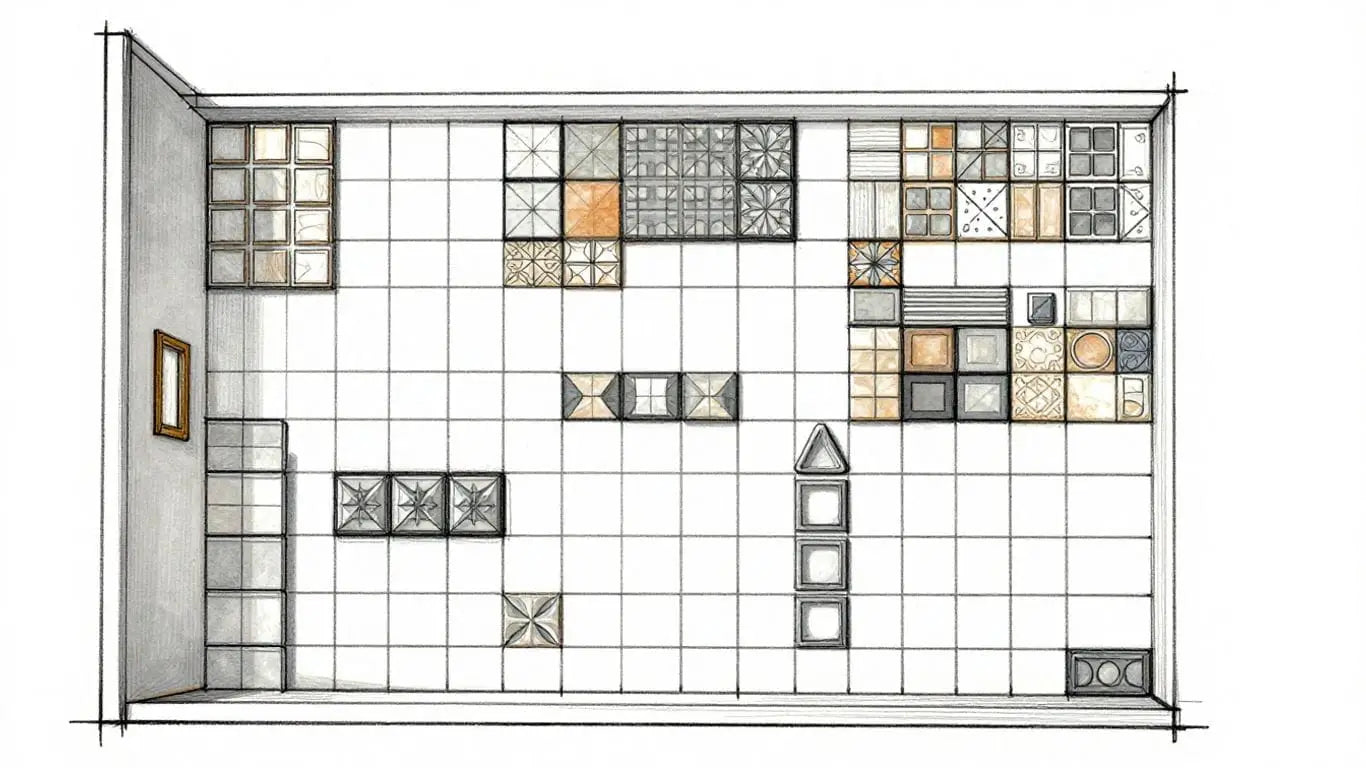
Ready to break free from the ordinary? Irregular and patterned tile layouts are where true design artistry happens. Forget predictable grids; these patterns inject personality, history, and a touch of the unexpected into your space. They're not just tiles; they're statements. If you're looking to buy marble tiles online in the USA or explore unique travertine options, patterned layouts offer a way to make your project truly stand out.
The French Pattern (Versailles) for Classic Charm
The French Pattern, often called the Versailles pattern, is a classic for a reason. It's a sophisticated arrangement of different sized rectangular and square tiles that come together to create a beautiful, almost regal look. This isn't just for grand chateaus; it brings timeless elegance to any home. Think of it as a curated mosaic of natural beauty. It’s perfect for creating a warm, inviting atmosphere in living rooms, dining areas, or even a luxurious bathroom floor. The interplay of sizes adds depth and visual interest that a simple grid just can't match. We have stunning travertine tile sets available in this pattern, ready to transform your space.
Checkerboard Layouts for Bold Statements
Who says classic can't be bold? The checkerboard layout is a timeless design that instantly adds a striking visual effect. Whether you opt for high-contrast black and white or a more subtle blend of complementary colors, this pattern makes a statement. It’s incredibly versatile, working wonderfully in kitchens, entryways, or even as a dramatic backsplash. Our marble and travertine tiles are perfect for creating this iconic look. Imagine stepping onto a floor that’s both elegant and full of character – that’s the power of checkerboard.
Mosaic Patterns for Artistic Expression
Mosaics are all about detail and artistry. These small, intricate tiles can be arranged in countless ways to create stunning visual effects. From geometric designs to flowing, organic shapes, mosaics allow for incredible creative freedom. They're fantastic for adding a pop of color or texture to backsplashes, shower walls, or accent areas. Whether you choose marble mosaic tiles for a touch of luxury or travertine mosaic tiles for a natural feel, these patterns bring a unique, handcrafted quality to your design. They truly let your personal style shine through.
Case Study: The Grand Foyer Transformation
A client wanted to create a memorable entrance for their luxury home. They opted for a custom French Pattern layout using premium travertine tiles. The result was a breathtaking foyer that immediately conveyed elegance and sophistication. The varied sizes of the travertine pieces created a dynamic yet harmonious floor, drawing the eye and setting a luxurious tone for the entire house. This pattern proved that thoughtful tile arrangement can be the defining feature of a space.
Case Study: The Chic Kitchen Backsplash
For a kitchen renovation, the homeowner desired a backsplash that was both stylish and functional. They chose a black and white marble mosaic tile arranged in a classic checkerboard pattern. The result was a stunning focal point that added depth and personality to the kitchen, complementing the sleek cabinetry and countertops. It demonstrated how even a smaller area can make a significant design impact with the right patterned tile choice.
Material Considerations for Tile Size Selection
Choosing the right tile material is as important as picking the perfect size. Different materials bring unique qualities to your space, influencing both the look and the practicality of your tile choices. Let's explore some popular options and how they pair with various tile sizes and room dimensions.
Marble and Travertine: Durability and Aesthetics
Marble and travertine tiles offer timeless elegance and a luxurious feel. Marble, with its distinctive veining, adds a sophisticated touch, making it ideal for areas where you want to make a statement. Travertine, known for its earthy tones and natural pits, brings a warm, rustic charm. Both are natural stones, meaning each tile is unique. Larger format marble tiles can create a grand, expansive look in living rooms or entryways, while smaller travertine tiles or mosaics work beautifully in bathrooms or as decorative accents. When you buy marble tiles online in the USA, remember that these stones are softer than granite and require sealing to protect against stains and etching. This makes them best suited for areas with moderate foot traffic.
- Marble: Luxurious, unique veining, best for low-traffic areas, requires sealing.
- Travertine: Earthy tones, natural pits, versatile for indoor/outdoor use, needs sealing.
Case Study: A homeowner in Scottsdale wanted to create a spa-like master bathroom. They opted for large format (24x24 inch) honed travertine tiles for the floor and shower walls. The neutral tones and matte finish provided a serene backdrop, while the larger size minimized grout lines, enhancing the feeling of spaciousness. The honed finish also offered a bit more slip resistance, a key consideration for a bathroom.
Granite and Quartz: Strength and Versatility
For areas demanding high durability and resistance to wear, granite and quartz are top contenders. Granite is incredibly hard, making it perfect for busy kitchens and high-traffic floors. Its natural patterns range from subtle to dramatic. Quartz, while often manufactured, offers consistent color and pattern, exceptional durability, and is non-porous, requiring no sealing. Both materials lend themselves well to large format tiles, which can create a sleek, modern look in expansive spaces. If you're looking for robust flooring that can handle daily life, consider these robust options.
- Granite: Extremely durable, heat and scratch-resistant, ideal for kitchens and high-traffic areas.
- Quartz: Non-porous, highly durable, consistent appearance, low maintenance.
Case Study: A busy family in Chicago chose large format (36x36 inch) polished granite tiles for their entryway and kitchen. The durability of granite meant they didn't have to worry about scratches from shoes or spills from cooking. The large tiles created a seamless, easy-to-clean surface that complemented their modern home design.
Terracotta and Cement Tiles: Unique Textures
Terracotta and cement tiles offer distinct textures and a warm, artisanal feel. Terracotta, with its reddish-brown hue, brings a rustic, Mediterranean vibe, often used in smaller formats or intricate patterns. Cement tiles are known for their vibrant patterns and matte finish, perfect for adding a pop of color and personality to backsplashes or feature floors. These tiles can be more porous and may require sealing, especially cement tiles, to prevent staining. Their unique character shines in both small and large formats, depending on the desired aesthetic.
- Terracotta: Warm, rustic, Mediterranean feel, often in smaller formats or patterns.
- Cement: Vibrant patterns, matte finish, requires sealing, great for accents.
Case Study: A restaurant owner in Austin wanted to add character to their dining area. They chose patterned cement tiles in a checkerboard layout for the floor. The bold patterns and matte finish created a unique, vintage look that was both visually striking and durable enough for commercial use. The 12x12 inch tiles were manageable for installation and allowed the intricate patterns to stand out.
When selecting your tile material, always consider the room's function and your maintenance preferences. For advice on choosing the perfect tile for your project, exploring different options is key. Check out tile options that fit your lifestyle and aesthetic.
Choosing the right tile size is super important for how your room looks and feels. Bigger tiles can make a small space seem larger, while smaller tiles might be better for intricate patterns. Think about the room's size and the overall style you're going for. For expert advice on picking the perfect tile size for your project, visit our website today!
Wrapping Up Your Tile Project
So, picking the right tile size really does make a difference, doesn't it? It's not just about how the room looks, but how it feels too. We've gone over how to think about room size, shape, and even where the light hits to help you make a good choice. Remember, a little planning goes a long way. Whether you're going for big tiles in a large space or smaller ones to add detail, think about what works best for your specific room. And hey, if you're looking for some great marble or travertine options to get started, Surfaces Galore has a ton of choices that can really make your project shine. Don't hesitate to reach out to them for quotes or to see what they have in stock. Happy tiling!
Frequently Asked Questions
How big should tiles be for a small room?
For smaller rooms, think about using medium-sized tiles, maybe around 12x12 inches or 18x18 inches. These can make the room feel bigger than using tiny tiles that create a lot of grout lines. Large format tiles can also work if they are laid out carefully, as they reduce the number of grout lines, making the space look more open.
What's the best tile size for a large room?
In bigger spaces, you have more freedom! Large format tiles, like 24x24 inches or even bigger, can look really impressive and modern. They create a sleek, continuous look with fewer grout lines. Just make sure the room is large enough so the tiles don't feel overwhelming.
Should I use square or rectangular tiles?
Square tiles are a classic choice that works well in almost any room, giving a sense of order. Rectangular tiles are super versatile. Laying them horizontally can make a narrow room feel wider, while placing them vertically can make the ceiling seem taller. They also look great in patterns like a running bond.
How do grout lines affect how tile size looks?
Lots of grout lines can make a tiled area look busy and can break up the space, making it seem smaller. Using tiles that are closer in color to the grout can help create a more seamless look. Larger tiles naturally have fewer grout lines, which often makes a room feel more spacious and modern.
What is a 'dry lay' and why is it important?
A 'dry lay' means placing your tiles on the floor without any glue or grout first. It's like a practice run! This helps you see how the tiles will look, plan where cuts will go, and make sure the pattern is balanced. It's really helpful, especially with natural stones like marble or travertine that have unique variations.
How much extra tile should I buy?
It's always smart to buy extra tile! Plan for about 10-15% more than you need. This covers any tiles that get broken during cutting or installation, or if you need to replace a tile later on. It’s better to have a little extra than to run out and not be able to find a matching tile.
Are mosaic tiles good for small bathrooms?
Yes, mosaic tiles can be fantastic for small bathrooms! While they have many grout lines, their small size allows for intricate designs and can add a lot of personality. They work especially well as accent pieces, like in a shower niche or as a decorative border, rather than covering the entire floor.
What's the difference between marble and travertine tiles?
Marble is known for its luxurious veining and polished look, often used for high-end designs. Travertine has a more natural, earthy feel with visible pores and often a tumbled finish, making it great for a rustic or Mediterranean style. Both are durable natural stones, but marble can be a bit more delicate than travertine.
Leave a comment