
How to Clean Marble Tile Without Damaging the Surface: A Comprehensive Guide

Marble tile is beautiful, no doubt about it. It adds a certain something to a room that not many other materials can match. But let's be real, keeping it looking its best can feel a bit tricky. You want that shine, that elegance, but you don't want to accidentally ruin it. This guide is here to help you figure out exactly how to clean marble tile without damaging the surface, so you can enjoy its beauty for years to come. We'll cover everything from daily upkeep to tackling those stubborn spots.
Key Takeaways
- Always use pH-neutral cleaners specifically made for natural stone to avoid damaging the marble's surface.
- Wipe up spills immediately, especially acidic ones like wine, juice, or vinegar, to prevent etching.
- Avoid abrasive cleaners, scrub pads, and harsh chemicals, as these can scratch or dull the marble.
- Regularly seal your marble to protect it from stains and moisture, following manufacturer instructions.
- For tough stains, a poultice can be an effective, gentle cleaning method when applied correctly.
Understanding Marble Tile Properties
Marble tile. It’s a material that just screams luxury, right? Think of those grand old buildings, fancy bathrooms, and kitchens that look like they belong in a magazine. That’s the power of marble. But it’s not just about looks; there’s some real substance behind that shine. Understanding what makes marble tick is the first step to keeping it looking amazing.
The Enduring Appeal of Marble
Marble has been a go-to for builders and designers for centuries. Why? Because it’s beautiful, unique, and frankly, it makes any space feel more expensive. Each slab is like a piece of art, with its own swirling patterns and color variations. When you choose marble, you’re not just picking a tile; you’re investing in a timeless look that never goes out of style. It’s a material that buyers recognize as a sign of quality, which can really boost your home's value. If you're thinking about upgrading your home, consider looking at marble tiles online USA for a touch of class.
Marble's Natural Characteristics
So, what exactly is marble? It’s a natural stone, formed over millions of years from limestone. This geological journey gives it a unique crystalline structure, mostly made of calcium carbonate. This composition is what gives marble its distinctive look, but it also means it’s a bit softer and more porous than, say, granite. This is super important to remember when you're thinking about cleaning and maintenance. It’s a natural material, and like all natural things, it has its own personality and needs.
Durability and Investment Value
Let’s talk durability. Marble is tough, no doubt about it. It can handle a lot of foot traffic, which is why you see it in busy areas. However, its natural composition makes it more susceptible to etching from acids and scratching compared to harder stones. This isn't a deal-breaker, though! It just means you need to be a little more mindful. Proper care and sealing are key. Think of it this way: a little extra attention means your marble will look stunning for decades, adding significant value and appeal to your home. It’s a material that truly pays off in the long run.
Case Study: The Timeless Kitchen
Sarah and Tom wanted a kitchen that felt both modern and classic. They decided on Statuario marble countertops and a marble tile backsplash. Initially, they were a bit worried about the maintenance, especially with two young kids. But after a good sealing and sticking to a simple cleaning routine (pH-neutral cleaners only!), their kitchen still looks brand new after three years. They love how the marble adds a touch of elegance that synthetic materials just can't match, and they’ve received countless compliments from guests. For them, the investment in marble was absolutely worth it for the aesthetic and the lasting impression it creates.
Essential Preparations Before Cleaning
Before you even think about grabbing a sponge, let's get you prepped. Proper preparation is the secret weapon for keeping your marble looking its absolute best. It’s not just about wiping; it’s about setting the stage for a clean that lasts and protects your investment. Think of it as a spa day for your stone – you wouldn't just jump in the shower without a little prep, right?
Gathering Necessary Cleaning Supplies
To keep your marble tiles pristine, you need the right tools. Forget the generic stuff; marble demands a bit more finesse. Having the correct supplies on hand means you're ready for anything, from a quick wipe-down to tackling a stubborn spot. It saves time and, more importantly, prevents accidental damage. You want cleaners that respect marble's natural beauty, not ones that strip it away.
- pH-Neutral Cleaner: This is your go-to for daily cleaning. Look for one specifically made for natural stone. It cleans effectively without etching or dulling the surface.
- Soft Microfiber Cloths: These are gentle and won't scratch. Have a few handy for washing and drying.
- Clean Water: Always use distilled or de-mineralized water if your tap water is hard, as mineral deposits can leave spots.
- Poultice Materials: For tougher stains, you'll need absorbent materials like diatomaceous earth or baking soda, mixed with a suitable liquid.
Identifying Your Marble Type
Not all marble is created equal, and knowing your specific type is key to choosing the right cleaning approach. Different marbles have unique characteristics, and what works for one might not be ideal for another. This step is like understanding your skin type before picking skincare – it’s personalized care. If you're unsure, a quick chat with your supplier or a stone professional can help. For those who've recently purchased beautiful marble tiles online USA, checking your order details is a great start.
Clearing the Marble Surface
Before any cleaning begins, a clear surface is non-negotiable. Remove all items – decorative pieces, rugs, furniture – from the marble area. This gives you unobstructed access and prevents any accidental spills or knocks during the cleaning process. It’s about creating a clean slate, literally.
A clean, clear workspace is the foundation for effective and safe marble cleaning. It allows you to focus on the task at hand without interruption or the risk of damaging surrounding items.
Daily Cleaning for Marble Surfaces
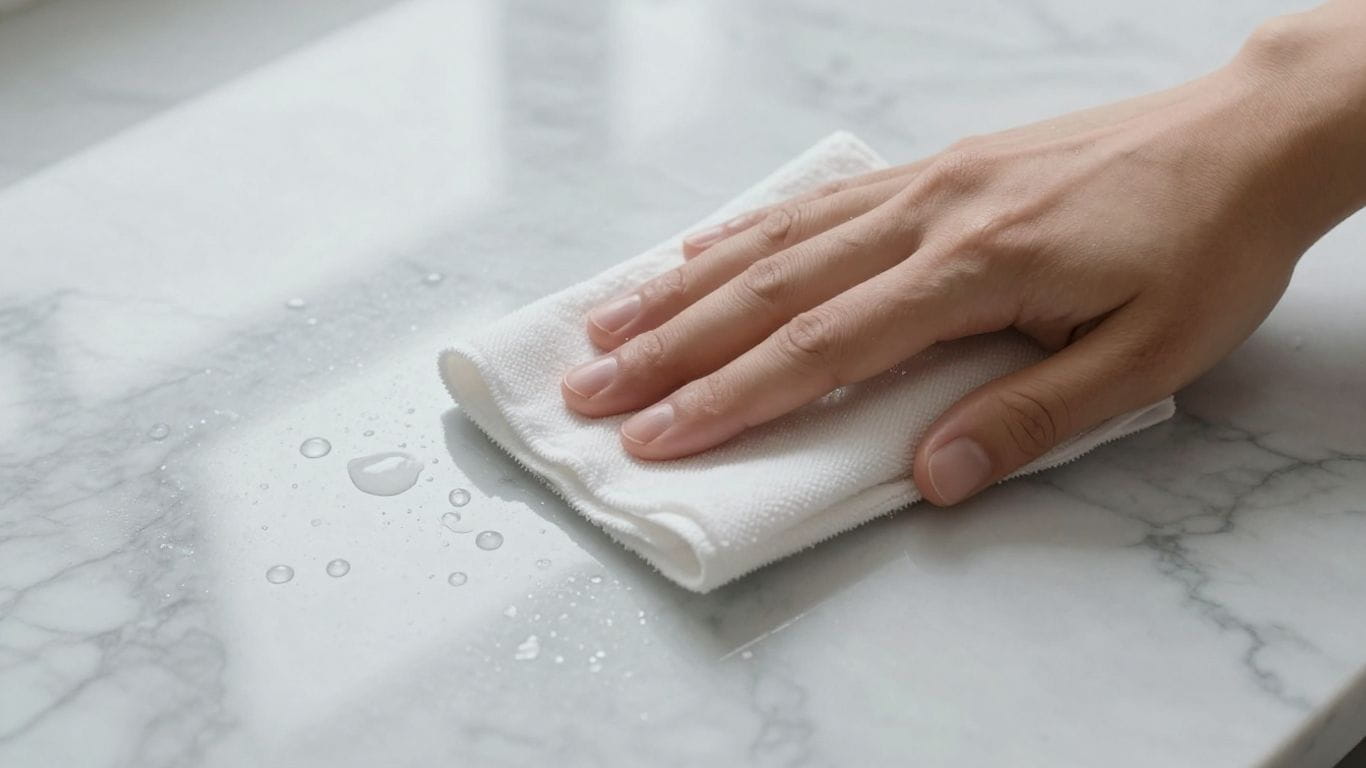
Keeping your marble looking its best doesn't require a lot of fuss. In fact, a simple daily cleaning routine is the secret weapon for maintaining that pristine, luxurious look. Think of it as a quick spa treatment for your floors and countertops.
Gentle Wiping Techniques
Daily upkeep is key. You want to remove dust and light debris before they have a chance to scratch the surface. The best way to do this is with a soft, dry microfiber cloth. It’s gentle, effective, and won't leave lint behind. For slightly more stubborn dust or light smudges, a slightly damp microfiber cloth works wonders. Just make sure it’s not wet – excess moisture is marble’s enemy. This simple step prevents grit from becoming an abrasive problem later on.
Using pH-Neutral Cleaners
When water alone isn't quite enough, reach for a cleaner specifically designed for natural stone. The golden rule here is pH-neutral. Acidic cleaners, like vinegar or lemon-based products, can etch the marble, leaving dull spots that are a real pain to fix. We recommend a cleaner that's gentle but effective. A quick spray and wipe with a pH-neutral solution will lift away any light grime without compromising the stone's natural beauty. It’s like giving your marble a refreshing drink, not a harsh chemical bath. If you're looking to buy marble tiles online in the USA, remember to also pick up the right cleaning supplies to go with them.
Immediate Spill Management
This is where daily vigilance really pays off. Marble is porous, meaning spills can soak in if left unattended. Don't panic, just act fast! Blot up any liquid spills immediately with a clean, absorbent cloth. For sticky or greasy messes, a damp cloth with a tiny bit of your pH-neutral cleaner is usually all you need. The quicker you address a spill, the less likely it is to leave a stain or cause etching. It’s a small effort that makes a huge difference in preserving that showroom shine.
Case Study: The Coffee Catastrophe
Sarah, a homeowner in Chicago, was initially worried about her new marble kitchen countertops. One morning, she accidentally knocked over her full mug of coffee. Instead of letting it sit, she immediately grabbed a paper towel and blotted up the spill. She then gave the area a quick wipe with a damp cloth and her favorite pH-neutral stone cleaner. Later that day, she checked the spot – no stain, no etching, just perfect marble. Her quick action saved her countertops from what could have been a costly repair.
Remember, consistent, gentle cleaning is the best defense against damage. It’s far easier to maintain marble's beauty with daily care than to try and fix problems later.
Deep Cleaning Marble Without Damage
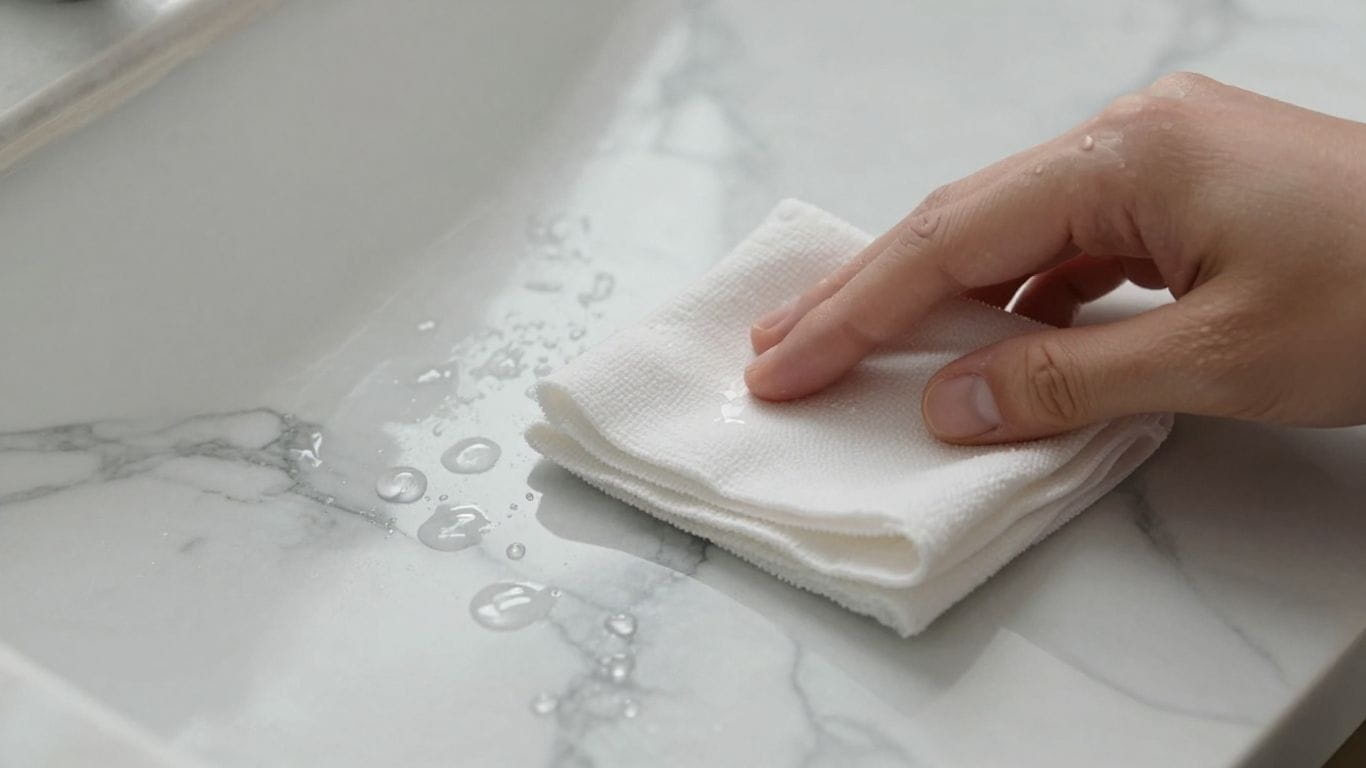
Marble is beautiful, but it needs a gentle touch. When it's time for a deeper clean than your daily wipe-down, you need to be careful. Using the wrong methods can dull its shine or even cause permanent damage. Let's get into how to clean your marble tiles thoroughly without risking that gorgeous surface.
The Importance of Gentle Scrubbing
Think of your marble like fine skin. You wouldn't scrub your face with steel wool, right? The same applies here. Gentle scrubbing is key to lifting dirt and grime without scratching or etching the stone. This means using soft cloths, sponges, or even specialized marble brushes. The goal is to loosen the dirt, not grind it into the stone. For tough spots, a little patience and the right technique go a long way. Remember, when you buy marble tiles online USA, you're investing in a material that rewards careful handling.
Avoiding Harsh Chemicals
This is a big one. Many common household cleaners are too acidic or alkaline for marble. Things like vinegar, lemon juice, or even some bathroom cleaners can react with the calcium carbonate in marble, causing etching – those dull, dull spots that look like water damage but are actually surface damage. Stick to cleaners specifically designed for natural stone. These are pH-neutral and won't strip the sealant or harm the marble itself. If you're unsure about a product, always test it in an inconspicuous area first. A good pH-neutral cleaner is your best friend for keeping that shine alive.
Rinsing and Drying Thoroughly
After you've cleaned your marble, it's vital to rinse away all cleaning residue. Leftover cleaner can dull the finish or attract more dirt. Use a clean, damp cloth and rinse the area thoroughly. Once rinsed, don't let the marble air dry. Water, especially if it's hard water, can leave spots. Buff the surface dry with a clean, soft towel. This step not only prevents water spots but also brings back that beautiful, polished sheen. It’s the final touch that makes all the difference.
Case Study: The Kitchen Countertop Revival
Sarah had a beautiful marble countertop that had seen better days. Coffee spills, cooking splatters, and general use had left it looking dull and stained. She was worried about permanent damage. Following a deep cleaning routine using a pH-neutral cleaner and a soft microfiber cloth, she gently scrubbed the surface. For a stubborn grease stain, she used a poultice made from baking soda and water, letting it sit overnight. After carefully rinsing and buffing dry, the countertop looked almost new. She realized that with the right approach, even heavily used marble could be restored. This experience made her consider sealing her marble floor tiles more regularly.
Case Study: The Bathroom Floor Shine
Mark’s marble bathroom floor had developed a hazy appearance over time. He suspected soap scum and hard water buildup. He decided against harsh scrubbing and instead opted for a specialized marble cleaner. He applied it, let it sit for a few minutes as directed, and then gently wiped with a soft sponge. He made sure to rinse every bit of cleaner off with clean water and then dried the floor completely with a soft towel. The difference was remarkable – the natural veining of the marble popped, and the dullness was gone. He learned that consistent, gentle cleaning was the secret to maintaining that luxurious bathroom look.
Addressing Common Marble Stains
Even the most beautiful marble can face unwelcome marks. Don't panic! Understanding how to tackle common stains is key to keeping your stone looking its best. We'll show you how to deal with them effectively, preserving that luxurious finish you love.
Understanding Stain Types
Marble is porous, meaning it can absorb liquids. Different substances leave different kinds of marks. Knowing what you're dealing with helps you choose the right removal method. Common culprits include oil-based stains (like grease or cosmetics), organic stains (from food or drinks), rust, and water spots.
- Oil-based stains: Darken the marble. They often come from cooking oils, lotions, or makeup.
- Organic stains: Usually pinkish or brown. Think coffee, tea, fruit juice, or even leaves.
- Rust stains: Orange or brown, often from metal objects left on the surface or water with high iron content.
- Water spots: Can leave dull rings, especially on polished marble.
Poultice Application for Stains
For stubborn stains, a poultice is your best friend. It's a paste that draws the stain out of the stone. You can make one at home or buy a commercial stone poultice. The key is to use the right ingredients for the type of stain.
For oil-based stains, a poultice made with baking soda and hydrogen peroxide works wonders. Mix them into a thick paste, apply it to the stain, cover it with plastic wrap, and let it sit for 24-48 hours. Then, gently scrape it off and clean the area.
Here’s a quick guide for common stains:
| Stain Type | Poultice Ingredients | Application Time | Notes |
|---|---|---|---|
| Oil-based | Baking soda + water (or hydrogen peroxide for tough ones) | 24-48 hours | Apply paste, cover, let dry, scrape off. |
| Organic | Hydrogen peroxide (or ammonia for dark stains) | 24-48 hours | Use caution with ammonia; test in an inconspicuous area first. |
| Rust | Commercial rust remover poultice | As per product | Follow manufacturer instructions carefully. |
| Water Spots | Buff with #0000 steel wool (for polished marble only) | N/A | Use very gently to avoid scratching. For minor spots only. |
Remember, always test any cleaning solution or poultice on a small, hidden area of your marble first to ensure it doesn't cause discoloration or damage. Patience is key when dealing with marble stains.
Preventative Sealing Strategies
An ounce of prevention is worth a pound of cure, right? Regular sealing is your best defense against stains. A good quality stone sealer creates a barrier that helps prevent liquids from penetrating the marble's surface. This makes cleanup much easier and reduces the risk of permanent marks. When you're looking to buy marble tiles online in the USA, make sure to also consider the best sealers to protect your investment. Properly sealed marble is far more forgiving. We recommend resealing your marble surfaces annually, or more often if they see heavy use. This simple step can save you a lot of trouble down the line and keep your marble looking as stunning as the day you installed it. If you're interested in durable and elegant flooring options, exploring our marble tile collections is a great starting point.
Preventing Etching on Marble Surfaces
Identifying Acidic Substances
Marble is beautiful, but it's also sensitive. Acids are the enemy of polished marble. Think common kitchen culprits: lemon juice, vinegar, wine, and even some cleaning products. These can react with the calcium carbonate in marble, leaving dull spots called etches. It's not a stain, but a surface change. Spotting these culprits is the first step to keeping your marble looking pristine. You want that glossy finish to last, right?
Protective Measures Against Etching
Prevention is key! Keep acidic items away from your marble. Use coasters for drinks, especially wine or citrus-based beverages. When cooking, use cutting boards and trivets religiously. For cleaning, always opt for pH-neutral cleaners designed specifically for natural stone. This simple habit makes a huge difference. If you're looking to buy marble tiles online in the USA, remember that proper care starts from day one.
Promptly wipe up any spills, no matter how small. Don't let them sit. A quick wipe with a soft cloth can save you from a much bigger headache later.
Case Study: The Kitchen Counter Catastrophe
Sarah loved her new marble kitchen island. It was stunning! But one evening, while making salad dressing, she spilled some lemon juice. She wiped it up quickly, or so she thought. The next morning, a dull, lighter patch marred the surface. She hadn't realized how quickly the acid had worked. A quick call to a stone care specialist confirmed it was an etch mark. Now, she's extra vigilant, always using a tray for citrus and cleaning spills instantly. It’s a lesson learned the hard way.
Restoring Etched Marble
So, what if an etch happens? Don't panic! For light etches, sometimes a marble polishing powder can help. You apply it with a damp cloth and buff gently. It can help to bring back some of the shine. For deeper etches, you might need professional help. They have specialized tools and compounds to restore the surface. It’s always best to try the least abrasive method first. If you're considering marble for your home, understanding these potential issues and solutions is part of the commitment. Explore beautiful marble tiles to find the perfect fit for your space.
Maintaining Marble Grout Lines
Gentle Grout Cleaning Methods
Don't forget the grout! It's the unsung hero holding your beautiful marble tiles together. Neglected grout can really bring down the look of your whole floor. But don't worry, keeping it clean is easier than you think. We recommend a simple, gentle approach. Start with a soft brush and a pH-neutral cleaner. This is key – harsh chemicals can damage both the grout and your marble. For tougher spots, a paste of baking soda and water can work wonders. Just apply, let it sit for a bit, then gently scrub. Remember, consistency is your best friend here. A quick clean every week or so makes a huge difference. You can find great pH-neutral cleaners specifically for natural stone at most home improvement stores. If you're looking to buy marble tiles online in the USA, make sure to check out the cleaning and maintenance sections of reputable suppliers.
Sealing Grout for Protection
Once your grout is clean, sealing it is the next smart step. Think of it like a raincoat for your grout. Sealing helps prevent stains and moisture from seeping in, which can lead to discoloration or even damage over time. It's a simple process that adds a significant layer of protection. Most sealers are easy to apply with a small brush or applicator. You'll want to reapply the sealer periodically, usually once a year, depending on foot traffic and wear. This simple step helps maintain the pristine look of your marble installation for years to come.
Repairing Damaged Grout
Sometimes, despite our best efforts, grout can get damaged. Cracks or missing pieces can happen. If you spot any damage, it's best to address it sooner rather than later. Small repairs are usually straightforward. You can buy grout repair kits at most hardware stores. These kits typically come with the necessary materials to mix and apply new grout. Just follow the instructions carefully, matching the color as closely as possible. For larger or more complex issues, it might be worth consulting a professional. Keeping your grout in good shape is just as important as keeping your marble tiles looking great. It's all part of the overall care that makes your marble investment truly last.
Case Study: The Miller Residence
The Millers installed stunning white marble tiles in their kitchen. They loved the look but noticed the grout lines started to darken within months. They were using a standard bathroom cleaner, which was too acidic. After switching to a pH-neutral cleaner and sealing the grout, the problem stopped. They now regularly seal their grout lines annually, and the kitchen still looks as fresh as the day it was installed.
Proper grout maintenance is often overlooked, but it's vital for the longevity and aesthetic appeal of your marble surfaces. Don't let dirty or damaged grout detract from the beauty of your investment.
The Role of Sealing in Marble Care
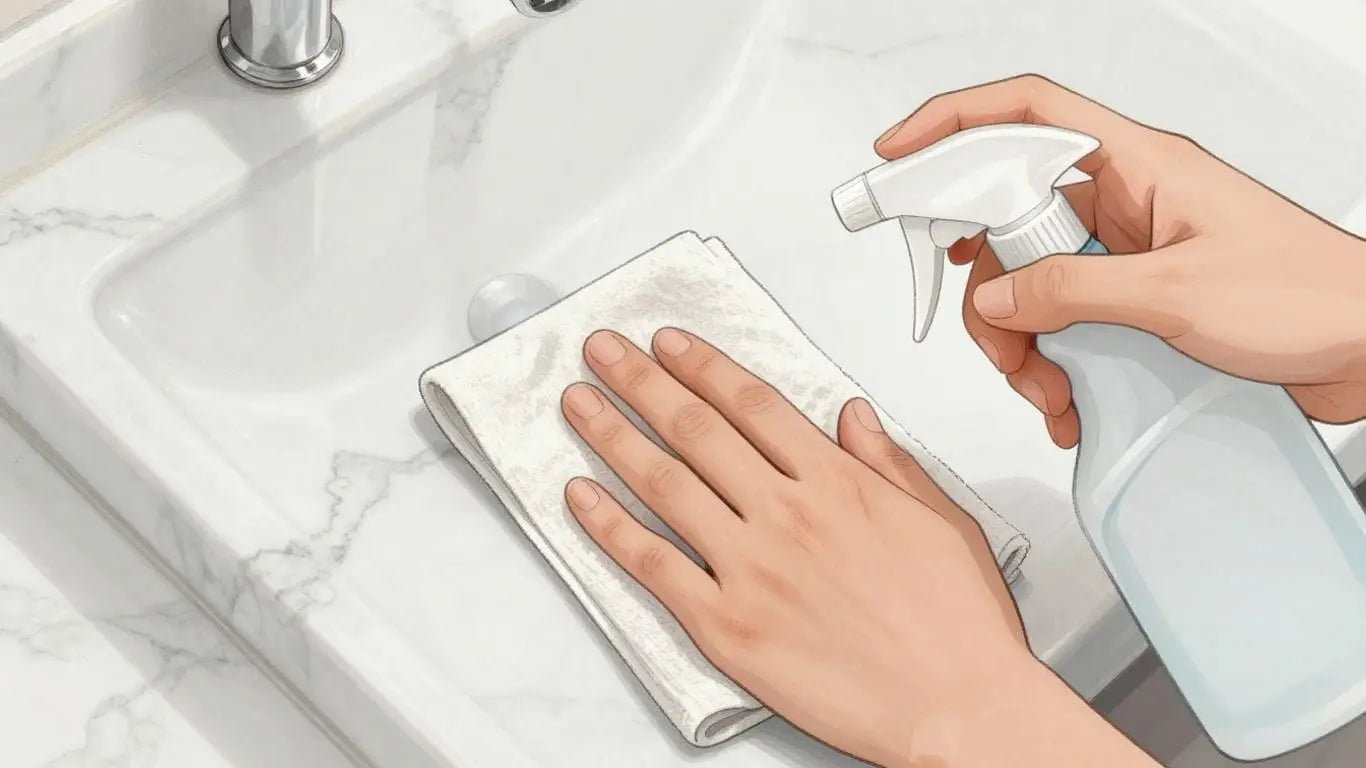
Benefits of Regular Sealing
Sealing your marble isn't just a good idea; it's a necessity for preserving its beauty and longevity. Think of it as a protective shield against the everyday wear and tear your surfaces endure. When you seal your marble, you're creating a barrier that helps prevent stains from penetrating the stone. This is especially important for porous materials like marble, which can easily absorb liquids. Regular sealing means fewer worries about spills from wine, coffee, or oil ruining your gorgeous countertops or floors. It's a proactive step that saves you time and stress down the line. Plus, a well-sealed surface is easier to clean, making your daily maintenance a breeze. Investing a little time in sealing now pays off with a marble surface that looks stunning for years to come. If you're looking to buy marble tiles online in the USA, remember that proper sealing is key to maintaining that initial wow factor.
Choosing the Right Stone Sealer
Not all sealers are created equal, and picking the right one is vital for effective protection. You'll find two main types: penetrating sealers and topical sealers. Penetrating sealers soak into the stone, offering protection from within without changing the surface's look or feel. These are generally preferred for natural stone like marble because they don't create a film that can peel or wear away unevenly. Topical sealers, on the other hand, form a protective layer on the surface. While they can offer good protection, they might alter the marble's natural sheen and can be more prone to scratching or wear over time. Always opt for a sealer specifically designed for natural stone, and check if it's suitable for marble. Some sealers can also enhance the color of the stone, giving it a richer, deeper look, while others are designed to maintain the original appearance. Read the product labels carefully to understand what each sealer offers.
Proper Sealing Application Techniques
Applying sealer correctly is just as important as choosing the right product. It's not complicated, but it does require attention to detail. First, make sure your marble surface is clean and completely dry. Any dirt or moisture trapped under the sealer can cause problems later. You'll typically apply the sealer with a clean cloth, brush, or a sprayer, working in small sections. Apply a liberal, even coat. Let the sealer penetrate the stone for the time recommended by the manufacturer – usually about 10-20 minutes. Then, crucially, wipe away any excess sealer from the surface. If you leave excess sealer to dry, it can leave a hazy or sticky residue that's difficult to remove and can affect the marble's finish. You might need to apply a second coat for maximum protection, especially in high-use areas. Always follow the specific instructions on your chosen sealer's packaging. For example, a case study from a homeowner in Chicago found that a properly applied penetrating sealer on their marble kitchen island prevented red wine stains from setting, even after a full night's soak, a feat that would have been impossible on unsealed marble. Another homeowner in Miami reported that sealing their marble shower walls significantly reduced water spots and soap scum buildup, making cleaning much faster.
Sealing is your marble's best defense against stains and daily wear. It's a simple step that makes a huge difference in maintaining its pristine look and value.
Tools and Products to Avoid
When it comes to keeping your marble tiles looking their absolute best, knowing what not to use is just as important as knowing what to use. Think of it like this: you wouldn't use steel wool on a delicate silk scarf, right? The same principle applies to your beautiful marble. Using the wrong cleaning agents or tools can lead to permanent damage, etching, and dullness, turning that gorgeous shine into a sad, scratched surface. Let's make sure that doesn't happen to your investment.
Abrasive Cleaners and Scrubbers
Harsh scrubbing pads, steel wool, or abrasive powders are marble's worst nightmare. These can easily scratch the surface, dulling the natural polish and leaving behind unsightly marks. Even seemingly mild "all-purpose" cleaners can sometimes contain micro-abrasives that do damage over time. For your marble, always opt for soft cloths, microfiber mops, or non-abrasive sponges. It’s about gentle care, not brute force.
Acidic Household Products
This is a big one. Many common household cleaners, and even some natural "solutions," are acidic. We're talking about things like vinegar, lemon juice, and even some bathroom cleaners. Marble is a calcium carbonate-based stone, which means it reacts poorly with acids. Exposure to these substances can cause etching – a dulling or roughening of the surface that looks like a permanent watermark. It's not a stain; it's a chemical reaction that damages the stone itself. If you're looking for effective cleaning solutions, stick to pH-neutral cleaners specifically designed for natural stone. You can easily find these online or at most home improvement stores. For instance, using a proper cleaner is key to maintaining marble's appearance and longevity [208d].
Excessive Water Usage
While marble needs to be cleaned, drowning it in water isn't the answer. Excessive water can seep into grout lines, potentially leading to mold or mildew issues. It can also leave water spots on the marble surface if not dried properly. The best approach is to use a damp (not soaking wet) mop or cloth. After cleaning, always follow up with a dry, soft cloth to buff the surface and remove any residual moisture. This ensures a streak-free shine and prevents potential water damage.
What to Watch Out For:
- Vinegar-based cleaners: A definite no-go for marble.
- Citrus-based cleaners: The acidity in fruits like lemons and oranges can etch your stone.
- Scouring powders: These are too gritty and will scratch.
- Harsh chemical bleaches: Can discolor or damage the stone.
Case Study: The Accidental Etch
Sarah, a homeowner in California, recently installed stunning Carrara White marble tiles in her kitchen [516c]. She loved the look but was unsure about cleaning. One morning, she quickly wiped up a spill with a paper towel that had been sitting near a bottle of lemon-scented all-purpose cleaner. Unbeknownst to her, a small amount of the cleaner had seeped onto the towel. Within minutes, she noticed a dull spot where the towel had been. It was a classic case of acid etching. Thankfully, she remembered reading about this and was able to address it with a marble polishing powder, but it was a stark reminder of how sensitive marble can be. If you're looking to buy marble tiles online in the USA, remember that proper care is part of the package.
Remember, your marble is a natural work of art. Treat it with the respect it deserves, and it will reward you with timeless beauty for years to come. Choosing the right products is an investment in its longevity.
Long-Term Marble Maintenance Strategies
Keeping your marble looking its best over the years isn't complicated, but it does require a consistent approach. Think of it like a good skincare routine for your home – regular attention prevents bigger issues down the line. It’s about building habits that protect your investment and keep that natural beauty shining.
Consistent Cleaning Routines
Daily care is your first line of defense. A quick sweep or dust mop removes grit that can scratch the surface. For spills, blot them up immediately – don't let them sit. Use only pH-neutral cleaners designed for natural stone. This simple, regular attention prevents the buildup of dirt and grime that can dull your marble over time. It’s the easiest way to maintain that fresh, clean look without much fuss.
Periodic Professional Inspection
While you're the primary caretaker of your marble, bringing in a professional now and then can catch things you might miss. Experts can spot subtle wear, recommend specific treatments, or advise on re-sealing. Think of it as a check-up for your stone. They can identify potential problems before they become noticeable or costly. This is especially helpful if you're unsure about the condition of your grout or the effectiveness of your current sealing.
Protecting Marble from Heavy Impact
Marble is beautiful, but it's not indestructible. Be mindful of heavy objects. Use coasters under glasses and trivets under hot dishes, even though marble is heat-resistant. For areas with very heavy foot traffic or where furniture might be moved frequently, consider using rugs or mats. This simple step can prevent chips, scratches, and cracks that can mar the surface. If you're looking to buy marble tiles online in the USA, remember that proper care from day one is key to their longevity.
Case Study: The Miller Residence
The Miller family invested in stunning marble flooring for their entryway and kitchen. For the first year, they followed a strict cleaning routine, but then life got busy. They started noticing faint scratches near the kitchen island and a slight dullness in the entryway. A periodic inspection revealed that the sealant had worn down due to heavy use and minor impacts from dropped utensils. After a professional re-sealing and a renewed commitment to using trivets and mats, their marble regained its luster. This highlights how consistent care, even with occasional professional help, keeps marble beautiful.
Case Study: The Chen Apartment
When the Chen’s renovated their apartment, they chose elegant marble countertops for their bathroom vanity. They were diligent about cleaning but noticed a small etching mark after a hairspray bottle tipped over. They learned that even seemingly harmless household products can affect marble. By promptly addressing the etching with a specialized poultice and being more mindful of product placement, they prevented further damage. This experience underscored the importance of understanding what can affect marble and taking preventative measures.
Long-term care isn't about constant scrubbing; it's about mindful living with a beautiful, natural material. Small, consistent efforts make a huge difference in preserving the elegance and value of your marble surfaces for years to come.
Keeping your marble looking its best for years to come is easier than you think! Simple, regular care can prevent dullness and damage. Discover the best ways to maintain your beautiful stone surfaces and keep them shining. Visit our website today to learn more about our top-notch marble care tips and products.
Wrapping Up Your Marble Care Routine
So, there you have it. Keeping your marble looking its best doesn't have to be a huge chore. By sticking to gentle cleaning methods and avoiding harsh chemicals, you can protect that beautiful surface for years to come. Remember, a little bit of regular care goes a long way in maintaining the elegance of your marble tiles. If you're ever in doubt or need more specific advice for your project, Surfaces Galore is always here to help you find the right materials and support you need. Happy cleaning!
Frequently Asked Questions
What makes marble tiles so special?
Marble tiles are loved because they look super fancy and unique. Each piece has its own cool patterns, like natural art! They make any room feel more elegant and can even make your home worth more money. Plus, they last a really long time if you take care of them.
What's the best way to clean my marble tiles every day?
For daily cleaning, just use a soft cloth or mop to wipe up dust and spills. It's best to use water or a cleaner that's mild and doesn't have strong chemicals, like ones made just for stone. This keeps the marble looking great without scratching it.
How can I get rid of tough stains on my marble?
Stubborn stains can be tricky! For most stains, you can make a paste called a 'poultice' using baking soda or plain flour and water. Spread it on the stain, cover it with plastic wrap, and let it sit overnight. Then, gently wipe it away. For really tough stains, you might need a special stain remover made for marble.
What does 'etching' mean for marble, and how do I stop it?
Etching happens when something acidic, like lemon juice or vinegar, touches the marble. It makes the shiny surface look dull or chalky. To prevent this, clean up spills right away and try to keep acidic things away from your marble surfaces. If it does happen, you might need to polish the area to bring back the shine.
Is it important to seal my marble tiles?
Yes, sealing is super important! It puts a protective layer on the marble that helps stop liquids and stains from soaking in. Think of it like a shield. You should reseal your marble every year or so, especially in areas that get a lot of use, like kitchens and bathrooms.
What cleaning products should I absolutely NOT use on marble?
Never use harsh cleaners on marble! Things like bleach, ammonia, or cleaners with strong acids (like bathroom cleaners or vinegar) can damage the stone, making it dull or causing stains. Also, avoid using rough scrub brushes or steel wool, as they can scratch the surface.
What about the grout between my marble tiles?
The grout lines can get dirty too. You can clean them gently with a soft brush and a mild soap or a special grout cleaner. Make sure to rinse well afterward. Sealing the grout after cleaning also helps keep it looking fresh and prevents stains.
Can I use marble tiles outside?
Some types of marble can be used outside, but it depends on the specific marble and your climate. It's generally best to use marble that's meant for outdoor use, like pavers, and make sure it's properly sealed. For patios or walkways, travertine is often a more durable choice for outdoor areas.

Leave a comment