
How to Clean Marble Tiles Safely (Without Damaging Them)

Marble tiles bring such a classic, elegant feel to any home. They just look so fancy, right? But if you're like me, you probably worry about messing them up. Cleaning them can seem like a minefield – one wrong move and you could be looking at dull spots or scratches. The good news is, keeping your marble looking its best isn't as complicated as it sounds. This guide is all about how to clean marble tiles safely (without damaging them), so you can enjoy that beautiful shine for years to come.
Key Takeaways
- Marble's natural beauty comes with a need for gentle care; always use pH-neutral cleaners and soft cloths.
- Wipe up spills right away, especially acidic ones like wine or lemon juice, to prevent etching.
- Avoid abrasive scrubbers, harsh chemicals, and excessive water, as these can damage the stone.
- Regular sealing is important to protect marble's porous surface from stains and moisture.
- For stubborn stains or significant damage, don't hesitate to call a professional stone restorer.
Understanding Marble Tile Properties
The Timeless Elegance of Marble
Marble. It’s a word that conjures images of grand architecture, luxurious homes, and enduring beauty. For centuries, this natural stone has been the material of choice for those who appreciate true sophistication. Think of the Taj Mahal or the Pantheon – these iconic structures stand as testaments to marble's lasting appeal. When you choose marble tiles, you're not just selecting a flooring material; you're investing in a piece of history and art for your home. Its unique veining patterns, a signature of its natural origin, mean that no two tiles are ever exactly alike. This inherent variation adds depth and character, transforming any space into a bespoke masterpiece. Whether you're drawn to the classic purity of Carrara or the dramatic swirls of Calacatta, marble offers an unparalleled aesthetic that simply can't be replicated by manufactured materials. If you're looking to buy marble tiles online in the USA, you're choosing a material that promises to impress and endure.
Durability and Longevity of Marble
Don't let its elegant appearance fool you; marble is a remarkably durable stone. While it's often associated with delicate beauty, marble is a strong natural material that can withstand the test of time. When properly installed and maintained, marble tiles can last for generations, making them a wise long-term investment for your home. It's a material that holds up well in various settings, from elegant living rooms to more functional spaces. Of course, like any natural stone, it requires a bit of care, but its inherent strength means it can handle daily life. Consider this: many historical buildings and sculptures made of marble are still standing today, centuries after their creation. That's the kind of longevity you can bring into your own home. For those seeking robust beauty, exploring options like Tundra Gray Marble can offer a sophisticated yet resilient choice for high-traffic areas.
Aesthetic Appeal and Design Versatility
Marble tiles offer a design versatility that few other materials can match. Their natural beauty, characterized by unique veining and a spectrum of colors from pure white to deep black, allows them to complement virtually any interior design style. Whether your aesthetic is modern minimalist, classic traditional, or something in between, marble can adapt. It can be polished to a high sheen for a glamorous look or honed for a softer, more understated finish. This adaptability makes marble perfect for a wide range of applications – from stunning flooring and elegant bathroom walls to sophisticated kitchen backsplashes and dramatic fireplace surrounds. Imagine the possibilities: a sleek, polished marble floor in your entryway, a honed marble vanity in your bathroom, or a mosaic marble backsplash adding a touch of luxury to your kitchen. The visual impact is undeniable, and the potential for creating a truly unique and beautiful space is immense. If you're searching for that perfect touch of class, you might find it when you buy marble tiles online USA.
Case Study: The Grand Foyer Transformation
A homeowner in New York wanted to create a truly show-stopping entrance. They opted for large-format polished Calacatta marble tiles for their foyer. The dramatic veining of the marble, combined with the high-gloss finish, reflected light beautifully, making the space feel larger and more opulent. Despite being a high-traffic area, the marble has held up exceptionally well, requiring only regular cleaning with a pH-neutral solution. The result? A breathtaking entryway that consistently wows guests and adds significant value to the property. This project highlights how marble's inherent beauty and durability can transform a functional space into a statement of luxury.
Essential Tools and Materials for Marble Care
Getting your marble tiles ready for cleaning isn't just about grabbing a sponge. It's about having the right gear to make sure you don't accidentally scratch or dull that beautiful surface. Think of it like preparing a canvas before painting – you need the right tools to bring out the best.
Gathering Your Cleaning Supplies
Before you start, let's make sure you have everything you need. Having the right supplies on hand means you can tackle cleaning tasks efficiently and safely. You don't want to be halfway through and realize you're missing something important, right? We've put together a quick list to get you started. You can find many of these items at your local hardware store or online. For example, if you're looking to buy marble tiles online in the USA, many suppliers also offer the cleaning accessories you'll need.
Here’s a basic checklist:
- Soft microfiber cloths: These are your best friends for dusting and gentle wiping. They pick up dirt without scratching.
- Soft-bristled brush or broom: For sweeping up loose debris before mopping.
- Bucket: For your cleaning solution and rinsing water.
- pH-neutral stone cleaner: We'll get to this in a moment, but it's non-negotiable.
- Water: Simple, but important!
- Optional: Stone sealer: For ongoing protection (more on this later).
Selecting Appropriate Cleaning Agents
This is where many people go wrong. Marble is a natural stone, and it's sensitive. Using the wrong cleaner can lead to etching, dullness, or permanent damage. We're talking about avoiding anything acidic or abrasive. Think vinegar, lemon juice, or harsh bathroom cleaners – these are big no-nos for marble.
Instead, you want cleaners specifically formulated for natural stone. These are designed to clean effectively without stripping the stone's natural polish or reacting with its calcium carbonate composition. It’s like choosing the right food for a sensitive pet; you need something gentle and specific.
Importance of pH-Neutral Cleaners
So, why pH-neutral? Marble has a pH of around 8-10. Cleaners with a low pH (acidic) will react with the calcium carbonate in the marble, causing etching – those dull, whitish marks that look like water spots but won't wipe away. Cleaners with a very high pH (alkaline) can also be too harsh over time.
| Cleaner Type | pH Level | Effect on Marble |
|---|---|---|
| Acidic Cleaners | < 7 | Causes etching, dullness, and surface damage. |
| Neutral Cleaners | 7 | Safe and effective for regular cleaning. |
| Alkaline Cleaners | > 7 | Can be too harsh for some marble finishes over time. |
Using a pH-neutral cleaner (around pH 7) is the safest bet. It cleans without causing chemical reactions that damage the stone. It’s the gentle, yet effective, approach your marble deserves. Investing in a good quality stone cleaner is a small price to pay for preserving the beauty of your marble tiles, whether they're for your kitchen floor or a bathroom backsplash. If you're considering buying marble tiles online, make sure to also pick up a suitable cleaner to go with them.
Case Study: The Etching Incident
Sarah had just installed beautiful white marble countertops in her kitchen. She loved them! One morning, she made toast and accidentally spilled a bit of orange juice. She wiped it up quickly, or so she thought. A few hours later, she noticed a dull spot where the juice had been. She scrubbed it, but the dullness remained. It turned out she had used a general-purpose kitchen cleaner that was slightly acidic. The acid had reacted with the marble, causing a permanent etch mark. If she had used a pH-neutral cleaner and wiped up spills immediately, this could have been avoided. This is why the right tools and cleaners are so important for marble care.
Preparing Your Marble for Cleaning
Before you even think about grabbing a cleaning cloth, let's get your beautiful marble tiles ready. This step is super important, and honestly, it’s not that hard. Think of it like prepping a canvas before painting – you need a clean, smooth surface to work with.
Clearing the Surface of Debris
First things first, sweep or vacuum up any loose dirt, dust, or crumbs. You don't want to grind grit into your marble when you start cleaning. A soft-bristled broom or a vacuum with a hard floor attachment works wonders here. This simple step prevents tiny scratches that can dull your marble over time. It’s all about being gentle with these natural stones. If you're looking to buy marble tiles online in the USA, making sure they arrive in perfect condition is key, and so is keeping them that way from day one.
Acclimating Marble Tiles to the Environment
Did you know marble needs to get used to its new surroundings? If you've just had new tiles installed, or if you've brought them home from the store, let them sit in the room for a day or two. This helps them adjust to the room's temperature and humidity. This might seem like a small detail, but it can prevent issues like cracking or warping down the line, especially if you're thinking about installing them yourself. For those considering a DIY project, remember to acclimate the tiles before you start. It’s a pro tip that makes a big difference.
Pre-Cleaning Inspections for Damage
Take a good look at your marble tiles before you clean. Are there any chips, cracks, or deep scratches? Maybe a stain you didn't notice before? Catching these issues now means you can address them properly. For instance, a small chip might need a quick repair before it gets worse. If you notice significant damage, it might be time to consult a professional or check if your tiles are still under warranty. It’s always better to know what you’re dealing with. We want your marble to look its absolute best, and that starts with a thorough check-up.
Case Study: The Kitchen Countertop Catastrophe
Sarah had just installed gorgeous white marble countertops. She was so excited, she immediately started cleaning them with a general-purpose cleaner she used everywhere else. A few days later, she noticed faint dull spots. Turns out, the cleaner was slightly acidic, and she hadn't let the tiles fully cure after installation. Plus, she hadn't checked for any tiny imperfections from the installation that might have been exacerbated by cleaning. A quick inspection and a call to customer support at Surfaces Galore helped her understand that letting the tiles acclimate and using pH-neutral cleaners were vital steps she missed. Now, she’s a pro at prepping her marble!
Safe Cleaning Techniques for Marble Surfaces
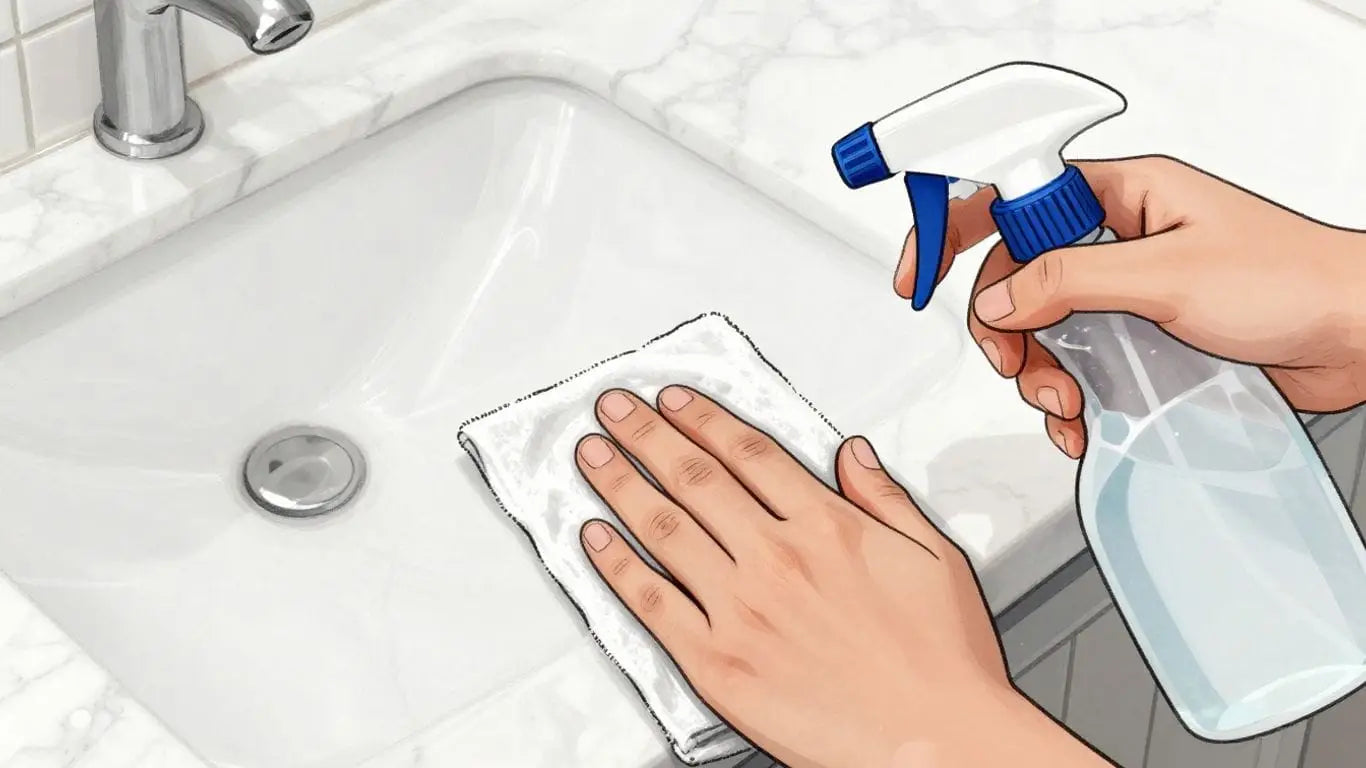
Keeping your marble looking its best doesn't have to be complicated. It’s all about using the right methods and being gentle. Think of it like caring for a fine piece of art – you wouldn't use harsh chemicals on a masterpiece, right? Your marble deserves the same respect.
Gentle Wiping and Mopping Methods
For daily upkeep, a simple wipe-down is usually all you need. Grab a soft microfiber cloth or a sponge and some warm water. If you need a little more cleaning power, a tiny drop of mild dish soap mixed into the water works wonders. Always wring out your mop or cloth thoroughly; you want it damp, not soaking wet. Excess water can seep into the grout lines and potentially cause issues down the road. For those looking to buy marble tiles online in the USA, remember that proper care starts with gentle cleaning.
- Daily Dusting: Use a dry, soft cloth to pick up dust and small particles.
- Light Cleaning: Mix warm water with a pH-neutral cleaner or a tiny amount of mild dish soap.
- Mopping Technique: Use a well-wrung-out mop. Avoid leaving standing water on the surface.
Addressing Spills and Stains Promptly
Marble is porous, meaning it can absorb liquids. This is why tackling spills the moment they happen is super important. Don't let that red wine or coffee sit there for long! Blot the spill immediately with a clean, dry cloth. For tougher spots, a paste made from baking soda and water can often do the trick. Let it sit on the stain for a few hours, then gently wipe it away. If you're dealing with a stubborn stain, you might need a specialized poultice designed for natural stone. Always test any cleaning solution in an inconspicuous spot first.
Case Study: The Coffee Catastrophe
Sarah, a homeowner in Chicago, was devastated when her morning coffee spilled across her new marble kitchen island. She remembered reading about prompt spill cleanup and immediately blotted the area. While a faint ring remained, a quick application of a baking soda paste overnight lifted the stain completely, saving her island from permanent damage. This highlights how quick action can prevent lasting marks.
Avoiding Harsh Scrubbing Actions
This is a big one. Never, ever use abrasive cleaners, scouring pads, or steel wool on your marble. These can scratch the surface, dulling its natural shine and creating tiny grooves where dirt can hide. Stick to soft cloths and sponges. If you encounter dried-on gunk, try gently scraping it with a plastic scraper or a fingernail rather than resorting to harsh scrubbing. Remember, patience is key when cleaning marble. For those considering beautiful marble floor tiles, gentle care is paramount.
Harsh scrubbing can permanently damage the polished surface of your marble, leading to dull spots and making it more susceptible to future staining. Always opt for the gentlest method that effectively cleans the surface.
By following these simple yet effective techniques, you can keep your marble tiles looking as stunning as the day you installed them. If you're in the market for new marble, exploring options like Italian marble can be a great start to bringing timeless elegance into your home.
Specific Cleaning Challenges for Marble
Marble is beautiful, no doubt. But let's be real, it can be a bit of a diva when it comes to cleaning. Those gorgeous natural patterns? They can also be a roadmap for trouble if you're not careful. Don't worry, though. Tackling common marble messes is totally doable with the right approach. You just need to know what you're up against.
Removing Common Household Stains
Life happens. Spills are inevitable, especially in kitchens and bathrooms. Red wine, coffee, oil – they can all leave their mark. The key here is speed. The longer a stain sits, the deeper it penetrates that porous marble. For oil-based stains, a poultice made from baking soda and water can work wonders. For organic stains like wine or fruit juice, a poultice with hydrogen peroxide might be your best bet. Remember, always test any cleaning solution in an inconspicuous spot first. Want to avoid stains altogether? Consider our range of sealed marble tiles, perfect for busy homes. You can buy marble tiles online USA and get peace of mind.
Case Study: The Coffee Catastrophe
Sarah, a homeowner in Chicago, accidentally spilled a full mug of dark roast coffee on her new marble kitchen island. Panicked, she grabbed a paper towel and wiped, but the dark stain started to spread. She remembered reading about poultices and quickly mixed some baking soda with water, applying it thickly over the stain. After letting it sit for 24 hours and then gently cleaning it off, the stain was completely gone. Her island was saved!
Dealing with Etching from Acids
This is where marble really shows its sensitive side. Acids – think lemon juice, vinegar, or even some harsh cleaning products – don't just stain marble; they etch it. This means they actually eat away at the surface, leaving a dull, lighter-colored mark. It's not a stain you can wipe away; it's damage to the stone itself. For light etching, a marble polishing powder might help restore the shine. For more serious etching, you might need professional help. Avoid acidic cleaners at all costs. Stick to pH-neutral options. If you're looking for marble tiles that are a bit more forgiving, explore our honed finishes – they tend to show etching less than polished surfaces.
Restoring Shine to Dull Marble
Over time, even with careful cleaning, marble can lose its luster. Foot traffic, minor scratches, and residue from improper cleaners can all contribute to a dull appearance. The good news? You can often bring back that beautiful gleam. For a quick refresh, a good quality marble polish can work wonders. For a deeper restoration, especially if there are minor surface imperfections, a marble polishing powder or even a professional honing and polishing service might be necessary. Think of it like waxing a car – it brings out the depth and shine. If you're investing in new marble, consider our polished marble tiles for that instant wow factor. You can buy marble tiles online USA and have them delivered right to your door.
Case Study: The Fading Fireplace
Mark had a marble fireplace surround that had become dull and lifeless over the years. He tried various household cleaners, which only seemed to make it worse. After researching, he purchased a marble polishing powder specifically designed for natural stone. Following the instructions carefully, he applied the powder and buffed the surface. The results were astonishing – the fireplace regained its original deep shine and looked brand new. He now makes sure to use only marble-safe cleaners.
The Role of Sealing in Marble Maintenance
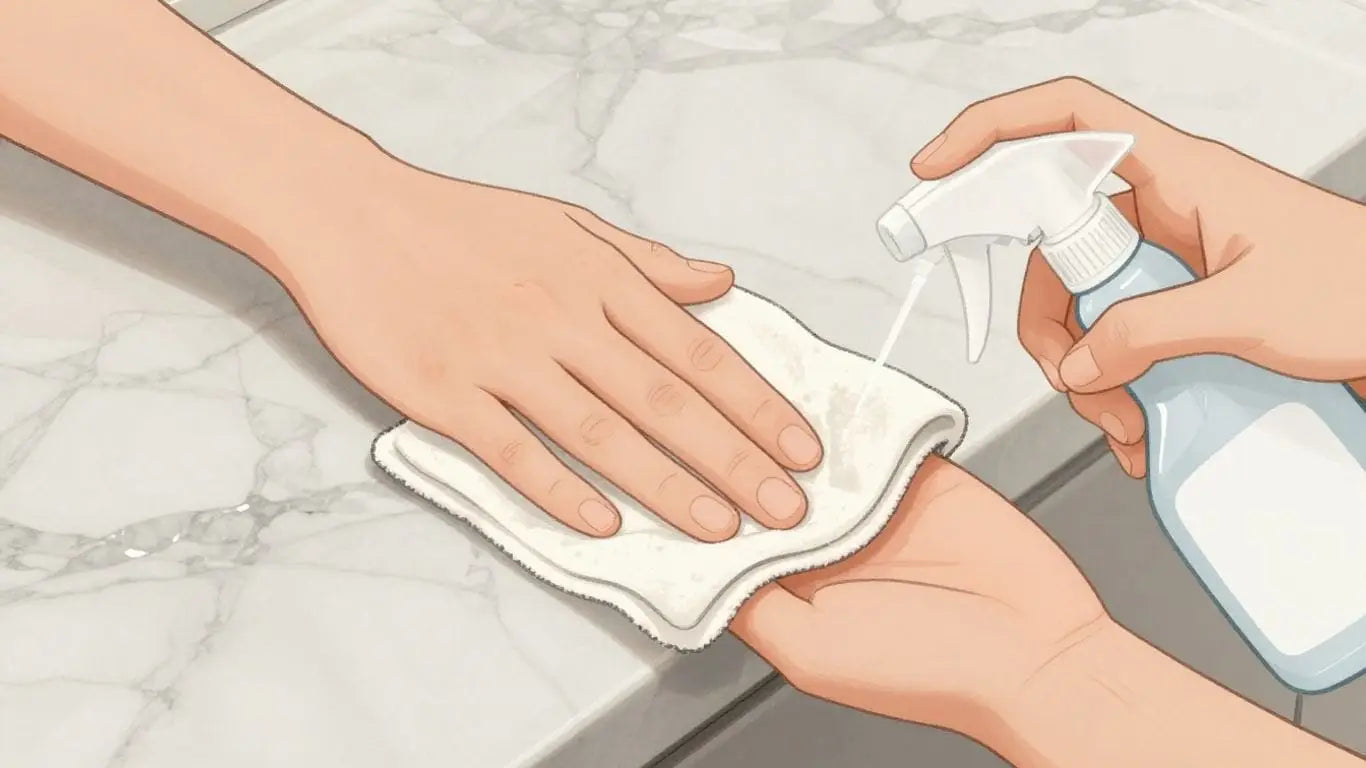
Marble is beautiful, no doubt. But it's also a natural stone, which means it's porous. Think of it like a sponge – it can soak things up. That's where sealing comes in. It's not just an optional step; it's a vital part of keeping your marble looking its best for years to come.
Understanding Marble's Porosity
Marble's natural beauty comes from its unique mineral composition. This composition also makes it susceptible to absorbing liquids. Spills, especially acidic ones like wine or lemon juice, can seep into the stone if it's not protected. This absorption is what leads to stains and etching, those dull spots that mar the surface. The more porous the marble, the quicker it can absorb these damaging substances. Some marbles, like Crema Marfil, have a warmer aesthetic but still require protection. Understanding this natural characteristic is the first step to proper care.
Benefits of Regular Sealing
Sealing creates a barrier on the surface of your marble. This barrier significantly reduces how much liquid the stone can absorb. It’s like putting a raincoat on your tiles. This means spills are less likely to cause permanent stains or etch marks. Regular sealing also helps maintain the marble's natural luster and prevents dirt from penetrating deep into the stone, making cleaning much easier. It's a proactive measure that saves you a lot of trouble down the line. If you're looking to buy marble tiles online USA, remember that sealing is key to their longevity.
Choosing the Right Stone Sealer
Not all sealers are created equal. You need a sealer specifically designed for natural stone, and ideally, one that's suitable for marble. There are different types available, some that penetrate the stone and others that form a topical layer. For most residential applications, a penetrating sealer is recommended. These sealers don't change the look of the marble much, which is great if you love the natural finish. Some sealers might slightly darken the stone, giving it a richer, 'wetter' look, while others aim to maintain the original appearance. Always check the product label to ensure it's compatible with marble and follow the manufacturer's instructions carefully for application and drying times. A good quality sealer is an investment in your marble's future.
Case Study: The Kitchen Countertop Catastrophe
Sarah had just installed stunning white marble countertops in her kitchen. She adored their classic look but skipped the sealing step, thinking it wasn't that important. A few weeks later, a glass of red wine tipped over. Despite wiping it up quickly, a faint pink stain remained. Then came the tomato sauce incident, leaving a greasy mark. The final straw was a splash of lemon juice from cooking, which left a dull, etched spot. Sarah learned the hard way that even quick spills can cause damage if the marble isn't sealed. After consulting a professional, she had the countertops professionally cleaned and sealed, and they've been stain-free ever since. This experience highlighted the critical role of sealing in protecting marble from everyday kitchen hazards.
Case Study: The Bathroom Vanity Revival
Mark's bathroom vanity featured elegant marble tiles. He noticed over time that water spots seemed to linger longer and cleaning became more of a chore. He decided to try sealing the marble himself. After thoroughly cleaning the tiles, he applied a high-quality penetrating sealer. The difference was immediate. Water now beaded up on the surface, making cleanup a breeze. The marble also seemed to have a deeper, richer appearance. Mark found that sealing not only protected his vanity from water damage but also made it easier to maintain its pristine look, proving that regular sealing is a simple yet effective way to preserve marble's beauty.
Protecting Your Marble from Future Damage
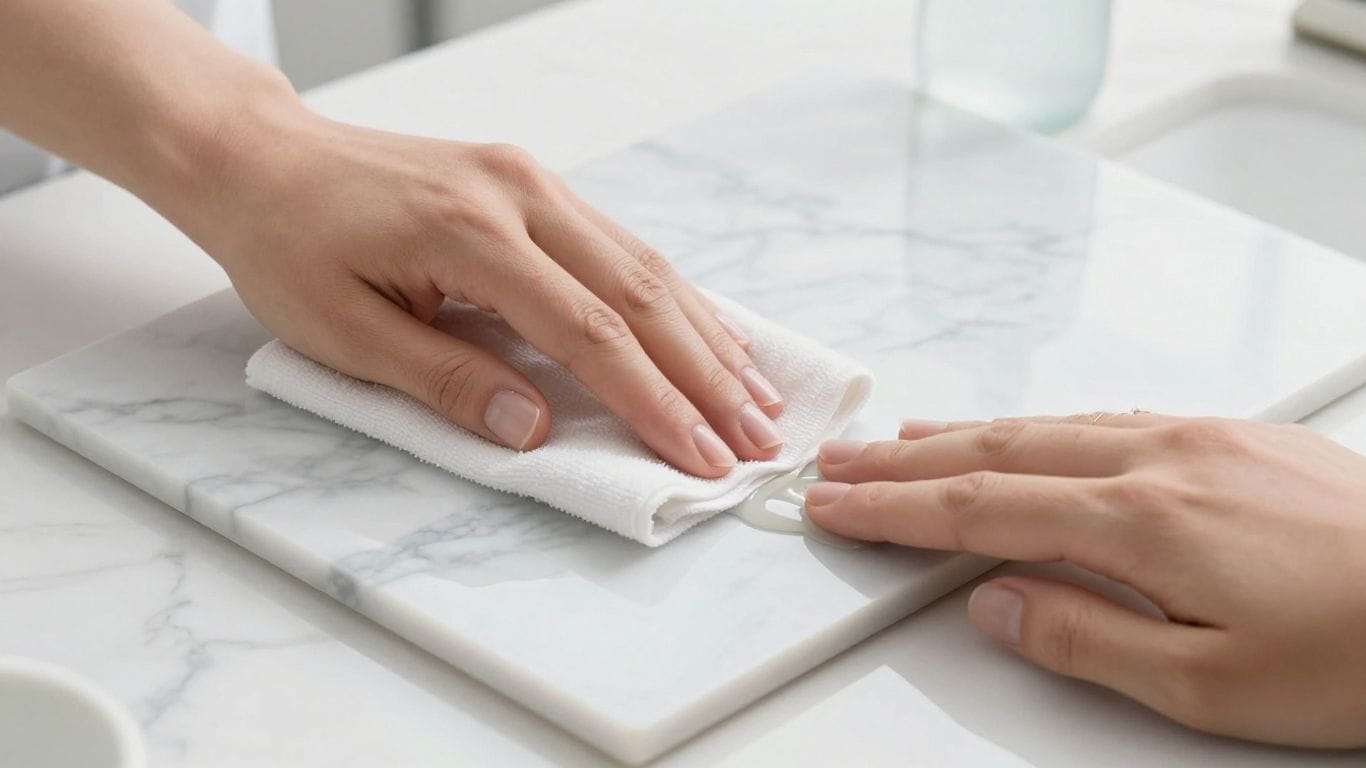
Preventing Scratches and Chips
Marble is beautiful, but it's not indestructible. Little things can cause big problems over time. Think about everyday items that can scratch or chip your precious stone. Even a dropped fork or a pet's claws can leave a mark. The best defense is a good offense.
- Use Coasters and Trivets: Always place coasters under glasses, mugs, and bottles. Use trivets or hot pads under hot dishes and pans. This simple step prevents water rings and heat damage.
- Employ Mats and Rugs: Place mats at entryways to catch dirt and grit that can scratch floors. Consider area rugs in high-traffic zones. For countertops, use cutting boards – never cut directly on the marble.
- Be Mindful of Pets: Keep pet nails trimmed to avoid scratches on marble floors. Consider protective mats for pet food and water bowls.
Case Study: The Miller Residence
The Millers loved their new Carrara marble kitchen island. However, after just a few months, they noticed small nicks and scratches around the edges from daily use, especially from their kids' backpacks and stray keys. After implementing a strict coaster and trivet policy and ensuring cutting boards were always used, the visible damage stopped. They also found that a quick buff with a soft cloth after cleaning helped maintain the surface's original sheen.
Avoiding Acidic Substances
Acids are marble's arch-nemesis. They can cause etching, which looks like dull spots or rings on the surface. Even common household items can be culprits.
- Know Your Enemies: Be wary of citrus fruits (lemons, oranges), vinegar, wine, tomato-based products, and many cleaning agents. Even some cosmetics and bath products can contain acids.
- Clean Spills Instantly: If an acidic substance spills, blot it up immediately with a soft cloth. Don't wipe, as this can spread the acid. Rinse the area with a little water and then dry thoroughly.
- Choose pH-Neutral Cleaners: Stick to cleaners specifically designed for natural stone. These have a neutral pH and won't harm your marble. You can buy marble cleaner online USA from reputable suppliers.
Remember, marble is a natural material. While it's durable, it requires a bit of respect. Treating it gently and proactively will keep it looking stunning for decades.
Implementing Protective Measures in High-Traffic Areas
Areas that see a lot of foot traffic or constant use need extra attention. These spots are more prone to wear and tear.
- Consider Area Rugs: For marble floors in hallways, living rooms, or entryways, area rugs can significantly reduce wear. Ensure the rug backing is safe for stone and won't trap moisture.
- Use Furniture Pads: Place felt or rubber pads on the bottom of furniture legs (chairs, tables, sofas) to prevent scratching when they are moved.
- Regular Sealing: Re-sealing your marble periodically is one of the most effective ways to protect it. A well-sealed surface resists stains and etching much better. Check the sealer's effectiveness by dripping a little water on the surface; if it beads up, the seal is good. If it soaks in, it's time to reseal.
Case Study: The Downtown Loft
A busy downtown loft featured extensive marble flooring in the main living area and entryway. To combat the constant foot traffic from residents and guests, they invested in high-quality, low-pile area rugs for the primary pathways. They also made sure all furniture had thick felt pads. This proactive approach meant that after five years, the marble still looked as pristine as the day it was installed, with no visible signs of wear or scratching, even in the most used areas. This saved them from costly repairs and maintained the luxurious feel of the space.
Professional Assistance for Marble Care
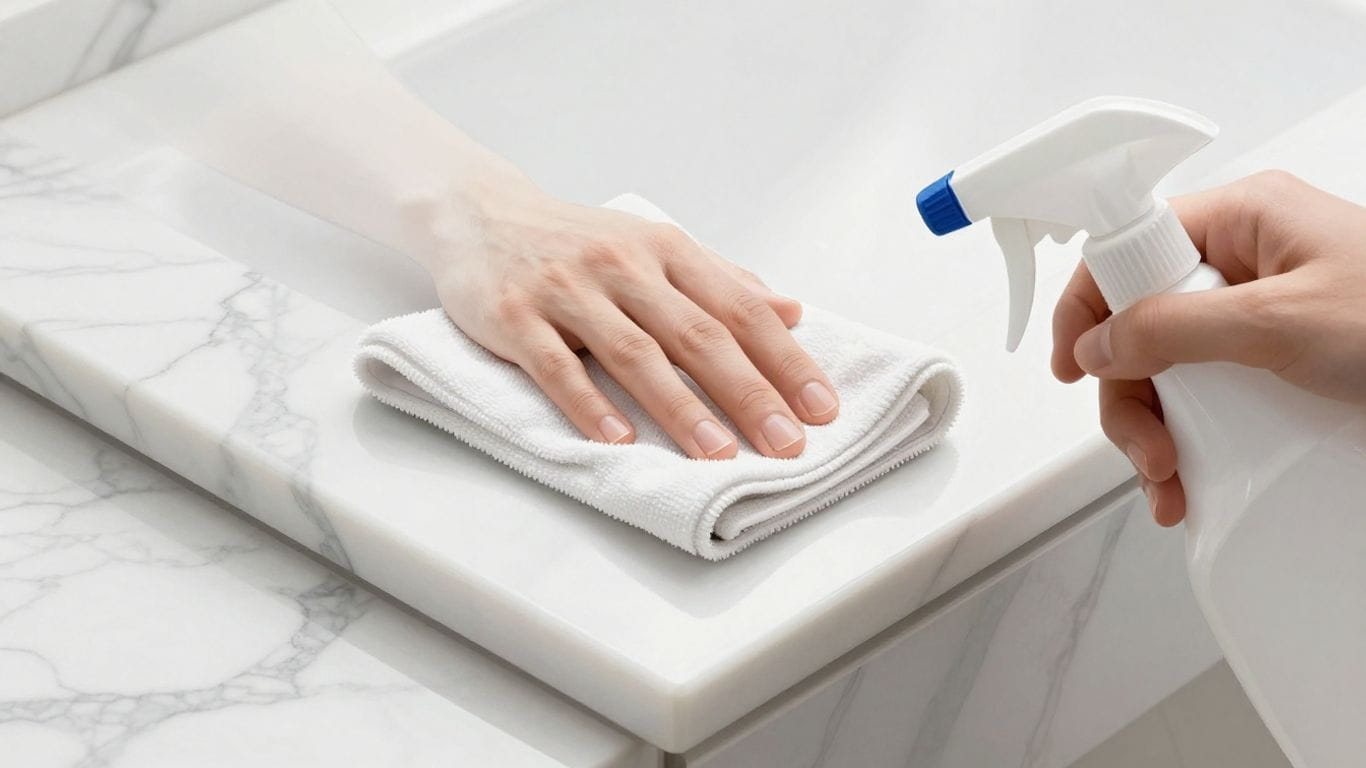
When to Call a Professional
Sometimes, even with the best intentions and careful cleaning, marble can face challenges that are beyond DIY fixes. Deep-set stains, significant etching from acidic spills, or widespread dullness might signal the need for expert intervention. If you've tried gentle methods and the problem persists, it's time to consider professional help. Don't risk further damage to your beautiful investment; let the pros handle it.
Benefits of Professional Marble Restoration
Professional restoration services bring specialized knowledge and equipment to the table. They can tackle issues like:
- Deep stain removal that home remedies can't touch.
- Etch removal and polishing to bring back the original sheen.
- Crack and chip repair for a seamless look.
- Deep cleaning and re-sealing for long-lasting protection.
Investing in professional restoration can revive your marble, making it look as good as new. It's a smart move to protect your property's value and beauty.
Maintaining Long-Term Marble Beauty
Regular professional maintenance is key to preserving marble's elegance. Think of it like a spa day for your stone. Professionals can identify potential issues before they become major problems and apply the correct sealants to keep your marble protected. For those looking to buy marble tiles online USA, remember that proper care, including professional check-ups, is part of the long-term investment. A little professional attention goes a long way in keeping your marble surfaces stunning for years to come.
Case Study: The Etched Dining Table
A client, Mrs. Gable, was distraught after a dinner party. A guest accidentally spilled lemon juice on her prized marble dining table, leaving a noticeable dull spot. She tried various home remedies, but the etching remained. We recommended a professional restoration. Our team carefully honed the affected area, removing the etching, and then re-polished the entire surface to ensure a uniform shine. Mrs. Gable was thrilled with the result, stating, "It looks like the accident never happened!" This highlights how professionals can expertly handle specific damage like etching.
Case Study: The Stained Kitchen Countertop
Mr. Henderson contacted us about a dark stain on his kitchen marble countertop that wouldn't budge. After assessing the stain, we determined it was likely oil-based. We applied a poultice, a special paste designed to draw out deep stains from porous stone. After several hours, the poultice was removed, and the stain was gone. "I thought I'd have to replace the whole counter," he said, "but your team saved me a lot of money and hassle."
When in doubt, always consult a professional. They have the tools and knowledge to address complex marble issues safely and effectively, preventing costly mistakes and preserving the stone's natural beauty for years to come.
Keeping your marble looking its best can be tricky. For expert advice and top-notch solutions to maintain its shine and durability, look no further. We offer professional help to ensure your marble surfaces stay beautiful for years to come. Visit our website today to discover the best ways to care for your stone!
Wrapping Up Your Marble Care
So, that's the lowdown on keeping your marble tiles looking sharp without causing any harm. It's not rocket science, but it does take a little attention. Remember, gentle cleaning with the right stuff is key. Think of it like giving your marble a nice, soft bath instead of a harsh scrub. By sticking to these simple steps, you'll keep that natural stone looking its best for ages. And hey, if you're ever in the market for more beautiful marble or travertine, Surfaces Galore has a huge selection and they ship all over. Just a thought!
Frequently Asked Questions
What makes marble tiles so special?
Marble tiles are like nature's artwork! They have these cool, swirly lines called veining that make each tile unique. This makes them look super fancy and adds a touch of luxury to any room, like a fancy hotel lobby or a beautiful old castle. They're also really strong and can last for ages if you take good care of them.
What's the best way to clean marble without messing it up?
Think of marble as a sensitive friend. You want to be gentle! Always use a soft cloth or mop and water that's not too hot or too cold. The most important rule is to use cleaners that are pH-neutral, which means they aren't too acidic or too basic. Avoid anything harsh like bleach or vinegar, as they can leave dull spots.
What are those dull spots on marble called, and how do I fix them?
Those dull spots are called 'etching.' They happen when something acidic, like lemon juice or certain cleaners, touches the marble. It's like a tiny scar on the surface. To fix them, you might need to polish the marble. Sometimes, a special marble polishing powder can help bring back the shine, but for deep etches, you might need a pro.
How often should I seal my marble tiles?
Marble is a bit like a sponge – it can soak up liquids, which can lead to stains. Sealing creates a protective barrier. You should plan to reseal your marble every 6 months to a year, depending on how much you use the area. Think of it like putting on sunscreen for your marble!
What kind of spills are the worst for marble?
Anything acidic is marble's enemy! This includes things like orange juice, wine, coffee, tomato sauce, and even some cleaning products. If you spill something, wipe it up right away with a soft cloth. The longer it sits, the more likely it is to cause etching or staining.
Can I use my regular floor cleaner on marble?
Nope, that's a big no-no! Most regular floor cleaners are too harsh for marble. They often contain acids or strong chemicals that can damage the stone, making it look dull or even causing permanent etching. Always stick to cleaners made specifically for natural stone, or a simple mix of water and a tiny bit of pH-neutral soap.
What if I notice a scratch on my marble floor?
Minor scratches can sometimes be buffed out with a marble polishing powder. For deeper scratches, it's best to consult a professional stone restorer. They have special tools and techniques to repair the damage without making it worse. It's always better to be safe than sorry with beautiful marble!
When is it time to call a professional for my marble?
If you have large stains that won't come out, deep etches that polishing doesn't fix, or significant chips and cracks, it's probably time to call in the experts. Professionals have the right equipment and knowledge to restore your marble to its former glory, saving you from potential damage and frustration.
)
Leave a comment