

How to Identify Real Natural Stone: A Comprehensive Guide

So, you're thinking about using real natural stone for your home project? That's awesome. It really does look amazing and lasts forever. But, with so many options out there, how do you actually know if what you're getting is the real deal and not some fake stuff? It can be a bit confusing, right? This guide is here to help you figure out how to identify real natural stone, so you can make sure you're getting exactly what you're paying for. We'll go over what to look for, some simple tests you can do, and why the real thing is just so much better.
Key Takeaways
- Natural stone has unique characteristics like color variations, mineral inclusions, and surface textures that set it apart from manufactured materials.
- Understanding the different types of natural stone, such as marble, granite, and travertine, helps in identifying their specific qualities and best uses.
- Simple tests like the water absorption test and scratch evaluation can help verify a stone's authenticity and properties.
- Paying attention to the stone's origin, how it's sourced, and its finishes provides further clues to its genuine nature.
- When in doubt, consulting with knowledgeable suppliers and reviewing documentation is the best way to confirm you're getting real natural stone.
Understanding Natural Stone's Intrinsic Qualities
The Unique Beauty of Natural Stone
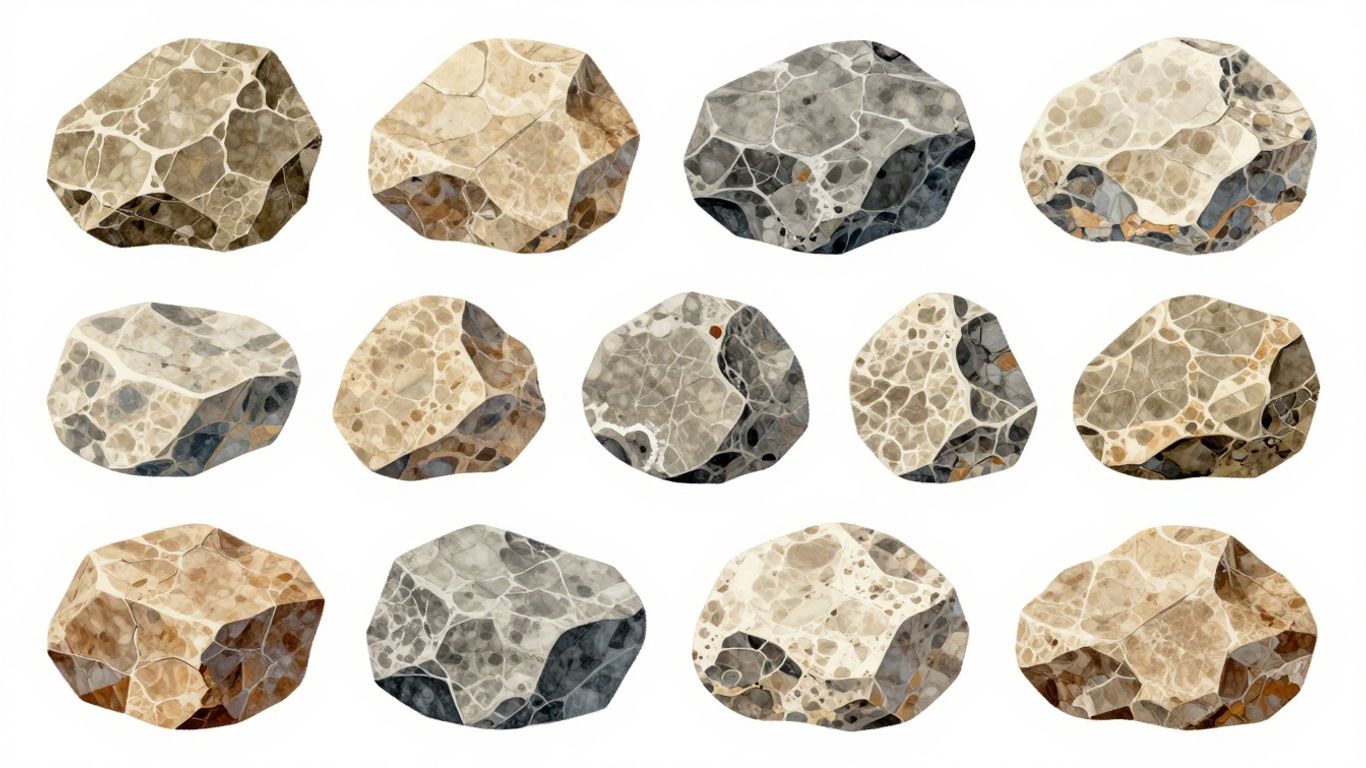
Natural stone is more than just a building material; it's a piece of the earth's history brought into your home. Each slab, tile, or mosaic tells a story through its one-of-a-kind patterns and colors. Unlike manufactured materials, natural stone offers an unparalleled depth and character that simply can't be replicated. Think about the swirling veins in marble or the earthy tones of travertine – these aren't flaws, they're signatures of authenticity. When you choose natural stone, you're choosing a material that is as unique as your own design vision. It’s a statement of timeless elegance and a connection to the natural world. If you're looking to buy marble tiles online in the USA, you're already on the path to owning something truly special.
Durability and Longevity
When you invest in natural stone, you're investing in a material that's built to last. Formed over millennia, stones like granite and quartzite boast incredible hardness and resilience. They stand up to daily wear and tear, resisting scratches, chips, and heat. This means your stone surfaces will not only look stunning the day they're installed but will continue to do so for generations. Imagine a kitchen countertop that remains beautiful through countless meals or a floor that gracefully handles the hustle and bustle of family life. That's the promise of natural stone. It’s a smart choice for both beauty and long-term value.
Eco-Friendly and Sustainable Choice
Choosing natural stone is a decision that benefits both your home and the planet. Natural stone is a product of geological processes, meaning it’s abundant and requires minimal processing compared to synthetic alternatives. This makes it an inherently sustainable material. By selecting natural stone, you're opting for a material with a lower environmental footprint. It’s a responsible choice that adds beauty and value without compromising on ecological principles. You can feel good knowing that the stunning features in your home are also a nod to environmental consciousness. Natural gemstones are a testament to nature's enduring artistry.
Identifying Different Types of Natural Stone
Choosing the right natural stone is like picking the perfect piece of art for your home. Each type has its own personality, its own story. We're here to help you discover which one speaks to you. Forget those generic, mass-produced materials; we're talking about genuine beauty quarried from the earth. Let's explore some of the most popular options and what makes them special.
Exploring Marble's Elegance
Marble is the classic choice for a reason. It's synonymous with luxury and sophistication. Think of grand old buildings, elegant bathrooms, and statement fireplaces. Marble offers a unique veining pattern that no two pieces share, making your space truly one-of-a-kind. It's a softer stone, so while it's stunning for decorative features and low-traffic areas, it does require a bit more care to keep it looking its best. If you're dreaming of a high-end look, marble is definitely worth considering. You can even buy marble tiles online USA for your next project.
Case Study: The Grand Foyer
A client wanted to create a breathtaking entrance for their luxury home. They chose a white Carrara marble with subtle grey veining for their foyer flooring. The result was a timeless, elegant space that immediately conveyed a sense of opulence. Despite the high foot traffic, with proper sealing and care, the marble has maintained its pristine appearance for years, proving that with the right application, marble can be both beautiful and enduring.
Discovering Travertine's Rustic Charm
Travertine brings a warm, earthy feel to any environment. It's known for its natural pits and unique texture, giving it a rustic, Mediterranean vibe. This makes it a fantastic choice for creating a cozy atmosphere, whether it's on your floors, walls, or even an outdoor patio. Travertine is a bit more budget-friendly than marble but still offers that authentic natural stone appeal. It's a versatile option that can make a space feel both grounded and sophisticated.
Granite: The Pinnacle of Strength
When durability is your top priority, granite is the king. This stone is incredibly hard, resisting scratches, heat, and stains like a champ. That's why it's a go-to for busy kitchens and high-traffic areas. But don't let its toughness fool you; granite also boasts stunning natural patterns and a wide array of colors. From deep blacks to speckled whites and vibrant reds, there's a granite to match any style. It's a practical choice that doesn't compromise on beauty.
Limestone's Subtle Appeal
Limestone offers a softer, more understated beauty. Its subtle textures and warm, neutral tones create a calming and inviting ambiance. It's a great option for indoor flooring and wall cladding where you want a natural, gentle look. While it's a bit softer than granite, limestone still provides a durable and attractive surface, especially for areas that aren't subjected to extreme wear and tear. It's a fantastic way to bring the outdoors in with a touch of understated elegance.
| Stone Type | Key Characteristic | Best For | Maintenance Level |
|---|---|---|---|
| Marble | Elegant veining, luxurious feel | Bathrooms, fireplaces, decorative accents | High |
| Travertine | Natural pits, rustic texture | Floors, walls, patios | Medium |
| Granite | Extreme durability, heat/scratch resistance | Kitchen countertops, high-traffic areas | Low |
| Limestone | Subtle texture, warm tones | Indoor flooring, wall cladding | High |
Choosing the right natural stone is about balancing aesthetics with practicality. Each type offers a unique set of benefits that can transform your living space. Don't hesitate to explore these options further to find the perfect fit for your home's unique character.
Key Characteristics to Examine
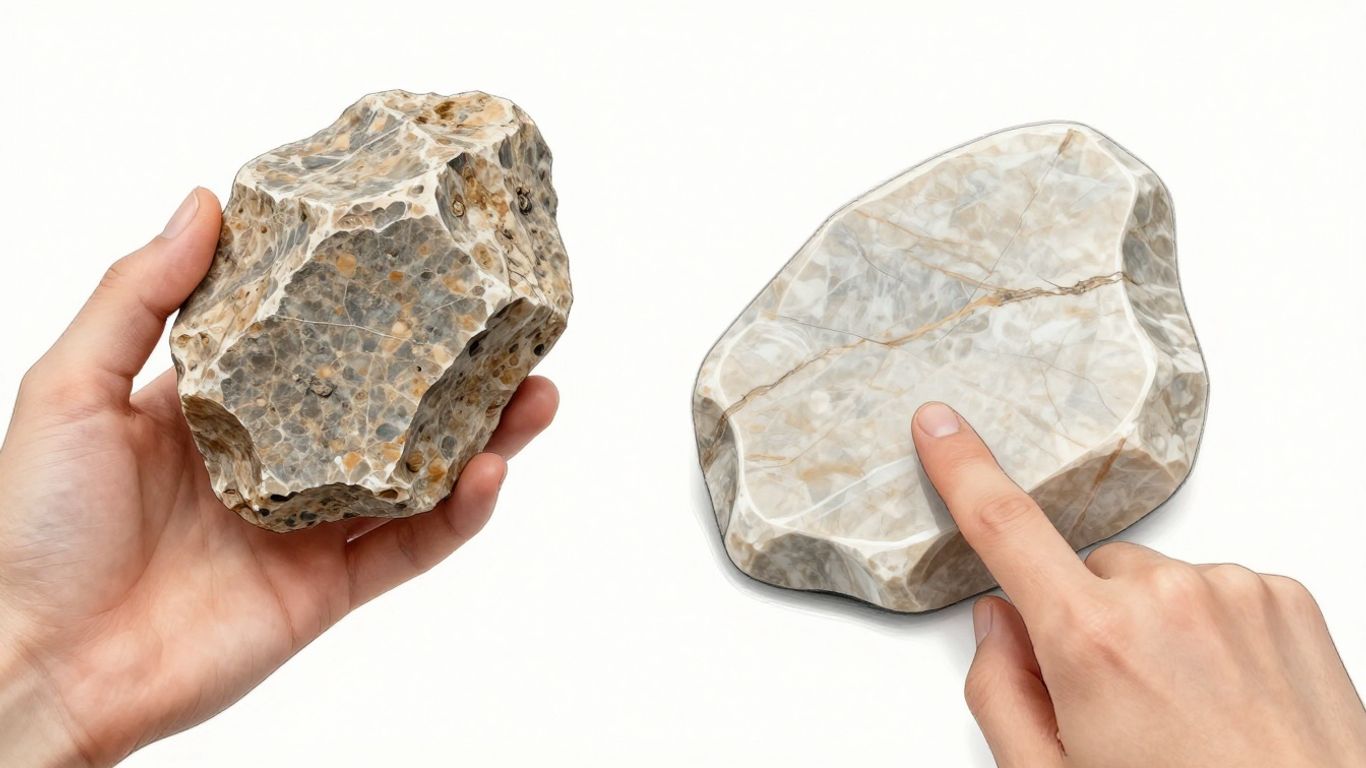
When you're looking to buy natural stone, whether it's for a kitchen countertop or a bathroom floor, paying attention to a few key details can make all the difference. It's not just about picking a pretty color; it's about understanding what makes each stone unique and how it will perform in your home. Think of it like choosing a fine wine – you appreciate the nuances that make it special.
Color Variations and Patterns
Every piece of natural stone tells a story through its color and patterns. Unlike manufactured materials that have a uniform look, natural stone boasts unique variations that add depth and character. You'll see swirls, speckles, and veins that are completely one-of-a-kind. This is where the real beauty lies! For instance, when you buy marble tiles online in the USA, you'll notice how no two tiles are exactly alike, offering a truly bespoke finish to your project.
Embrace the natural variations; they are a sign of authenticity.
- Marble: Often features dramatic veining, ranging from subtle wisps to bold, contrasting lines. Colors can vary from pure white to deep blacks, with many shades of grey, pink, and green in between.
- Granite: Typically displays a "salt and pepper" look or more complex patterns with flecks and swirls. Its color palette is vast, from light neutrals to rich, dark hues.
- Travertine: Known for its earthy tones and characteristic pits and pores, often appearing in bands of color like beige, cream, and light brown.
- Limestone: Generally offers a more subdued, uniform appearance with subtle fossil inclusions or gentle veining, usually in lighter, neutral shades.
Case Study: A homeowner in Scottsdale, Arizona, wanted a kitchen that felt both luxurious and grounded. They chose a granite with deep brown and cream swirls, which perfectly complemented their custom cabinetry. The natural variations meant that even though they bought many slabs, each section of the countertop had its own distinct visual appeal, creating a dynamic and inviting focal point.
Mineral Inclusions and Veining
These are the "fingerprints" of the stone, formed over millennia. Veining in marble, for example, is caused by impurities and mineral deposits that were present when the stone was formed. In granite, you'll see different mineral crystals like quartz, feldspar, and mica, which give it its characteristic sparkle and hardness. These inclusions aren't flaws; they are markers of the stone's geological history and a testament to its natural origin.
- Quartz Veins: Often appear as glassy, translucent lines, common in marble and quartzite.
- Feldspar Crystals: Contribute to the speckled appearance in granite and can add subtle color variations.
- Mica Flakes: Give granite its characteristic shimmer or sparkle.
- Fossil Inclusions: Small shells or plant imprints found in limestone and some travertine, adding a unique historical element.
Surface Texture and Finish
The way a stone is finished dramatically impacts its look and feel. A polished finish offers a high-gloss, reflective surface, bringing out the stone's colors and patterns vividly. A honed finish, on the other hand, provides a smooth, matte appearance, offering a more understated elegance and often better slip resistance. Other finishes, like tumbled or brushed, add a rustic or textured feel.
| Finish Type | Description | Best For |
|---|---|---|
| Polished | High-gloss, reflective, smooth | Countertops, accent walls, areas needing drama |
| Honed | Matte, smooth, non-reflective | Floors, high-traffic areas, modern designs |
| Tumbled | Softened edges, aged, slightly rough texture | Rustic floors, backsplashes, outdoor patios |
| Brushed | Textured, slightly rough, matte | Floors, walls, contemporary or rustic styles |
Case Study: A designer in Miami, Florida, was working on a bathroom renovation. They opted for honed marble tiles for the floor to ensure a safe, slip-resistant surface while maintaining a sophisticated look. For the shower walls, they chose polished marble to create a luxurious, spa-like feel. This strategic use of different finishes highlighted the stone's versatility and addressed both aesthetic and practical needs.
Assessing Stone Origins and Sourcing
When you’re searching for authentic natural stone—whether you want to buy marble tiles online USA or add a custom splash of granite to your next project—the place where your stone begins its journey matters. Let’s break down what you need to look out for when checking origins and sourcing.
Understanding Quarry Locations
The birthplace of a stone can shape its character. Quarries in Italy, Turkey, Spain, and the USA are known for producing top-notch marble, travertine, limestone, and granite. Each region brings its own touch:
- Italian marble stands out for its classic elegance and fine veining
- Turkish travertine offers warm, rustic tones perfect for Mediterranean-inspired spaces
- American granite is prized for strength and resilience
Case Study: An interior designer working on a luxury bathroom remodel in Los Angeles specifically requested Carrara marble from Italy after her client fell in love with its signature gray veining. The results? A bath space that instantly felt more upscale and sophisticated, with real estate agents later highlighting the Carrara as a major selling point.
| Country or Region | Typical Stones | Unique Benefit |
|---|---|---|
| Italy | Marble (Carrara, Calacatta) | Refined veining, pure color |
| Turkey | Travertine, Marble | Warm earth tones, variety |
| USA | Granite | Durability, consistent look |
| Spain | Limestone, Marble | Subtle colors, classic feel |
The Impact of Country of Origin
Not all stones—or quarries—are equal. Some locations are famous for consistent coloring and stronger material. Others are recognized for unique patterns. The country or region also affects:
- Pricing (rare stones from smaller quarries can cost more)
- Supply (local stones tend to be easier and faster to source)
- Carbon footprint (closer sources mean lower shipping emissions)
In a recent project, a homeowner in Texas wanted a kitchen that could handle heavy use. Their contractor sourced locally quarried Texas granite, slashing shipping costs and avoiding delays—all while getting a stone with the high scratch-resistance the family needed.
Sourcing isn’t just about beauty; it’s also about the story, value, and practical benefits your stone brings into your home.
Recognizing Premium Quality Sourcing
When you’re spending good money on real stone, you expect real quality. Reputable suppliers provide:
- Full documentation on quarry origins
- Consistent communication about stone grading
- Transparency about ethical and sustainable sourcing
When you compare options like buy marble tiles online USA, premium suppliers showcase their certifications, good sourcing practices, and testimonials. That helps you avoid cheap imitations or composite materials passed off as authentic.
Always ask for authenticity certificates, and don’t settle for generic claims. If a supplier can’t tell you exactly where your stone came from, keep looking.
To sum it up: When you truly know where your natural stone is sourced and how it’s brought to your space, you’re investing in lasting value, peace of mind, and a timeless finish that tells its own genuine story.
Evaluating Stone Properties for Application
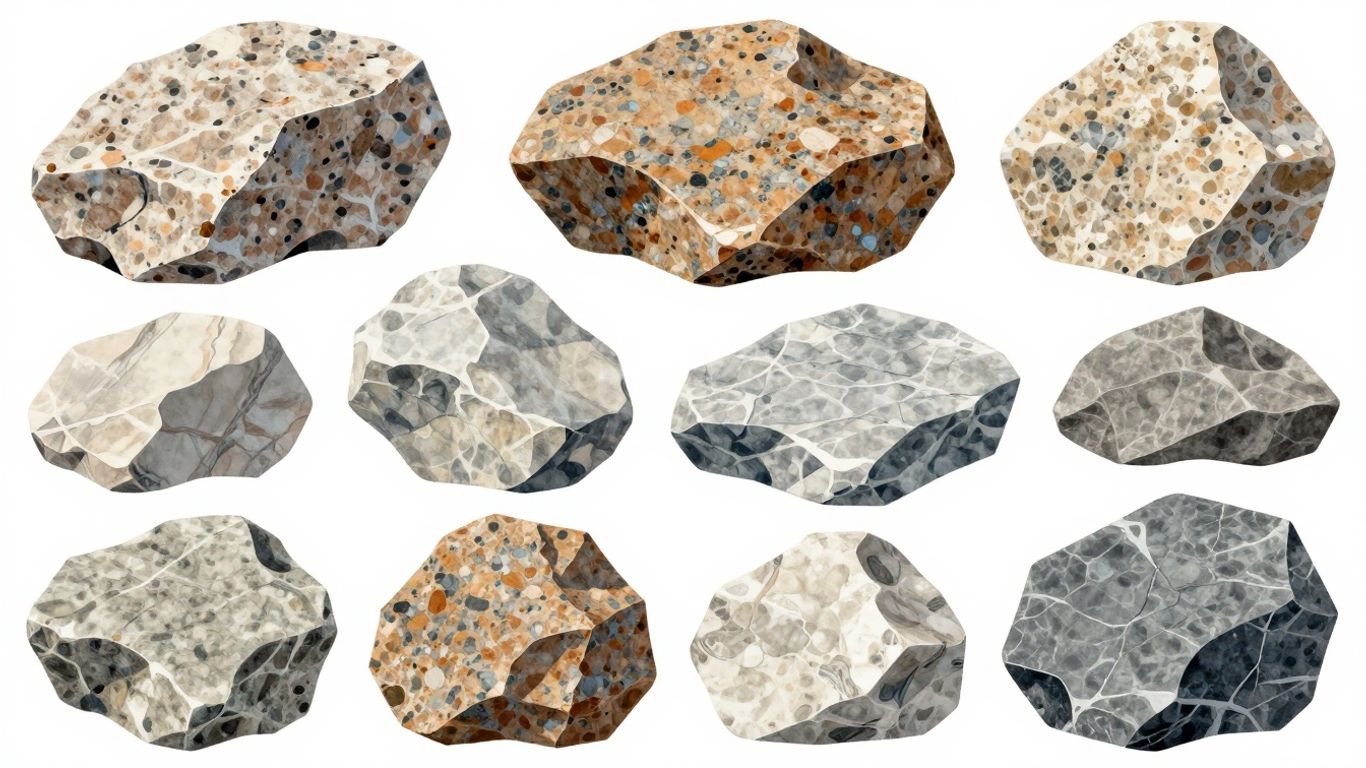
Choosing the right natural stone isn't just about looks; it's about performance. You need a stone that can handle the demands of its intended spot. Think about where it's going – a busy kitchen counter needs something tougher than a decorative fireplace surround. Understanding a stone's properties ensures it will last and look great for years.
Porosity and Stain Resistance
Some stones are naturally more porous than others. This means they can soak up liquids, leading to stains. Marble and limestone, for example, are more porous and need regular sealing to keep them looking pristine. Granite, on the other hand, is much less porous, making it a more forgiving choice for areas prone to spills. If you're looking for low-maintenance options, consider stones with lower porosity. For those wanting to buy marble tiles online in the USA, remember that sealing is key to maintaining their beauty.
- Marble: High porosity, requires frequent sealing.
- Limestone: Moderate to high porosity, needs regular sealing.
- Granite: Low porosity, generally stain-resistant.
- Travertine: Moderate porosity, benefits from sealing.
Case Study: A family in Chicago chose a porous marble for their kitchen island. While beautiful, they quickly learned that spills from red wine and olive oil left noticeable marks. After a year of constant worry and frequent sealing, they decided to replace it with a granite countertop, which offered peace of mind and less upkeep.
Hardness and Scratch Resistance
How hard is your stone? This directly impacts its ability to resist scratches and wear. For high-traffic areas like kitchen floors or entryways, you'll want a harder stone. Granite and slate are excellent choices here. Softer stones like marble and travertine can scratch more easily, making them better suited for areas with less foot traffic or where they won't be subjected to heavy use.
| Stone Type | Hardness (Mohs Scale) | Scratch Resistance |
|---|---|---|
| Granite | 6-7 | Very High |
| Marble | 3-4 | Medium |
| Slate | 5-6 | High |
| Limestone | 3-4 | Medium |
| Travertine | 4-5 | Medium |
Case Study: A restaurant owner opted for polished marble flooring in their main dining area. Within months, the constant foot traffic and movement of chairs created visible scratches, dulling the stone's shine. They later installed granite tiles in a new expansion, which held up significantly better against daily wear and tear.
Heat Tolerance and Durability
When selecting stone for areas like kitchen countertops, heat tolerance is a major factor. Granite is famously heat-resistant, meaning a hot pan placed on it is unlikely to cause damage. While many natural stones are durable, their performance under heat can vary. Always consider the practical application. For outdoor patios, durability against weather is just as important as heat tolerance. Choosing the right stone for the job means it will perform as expected, no matter the conditions. For example, buying granite countertops ensures excellent heat resistance for busy kitchens.
Distinguishing Natural Stone from Synthetics
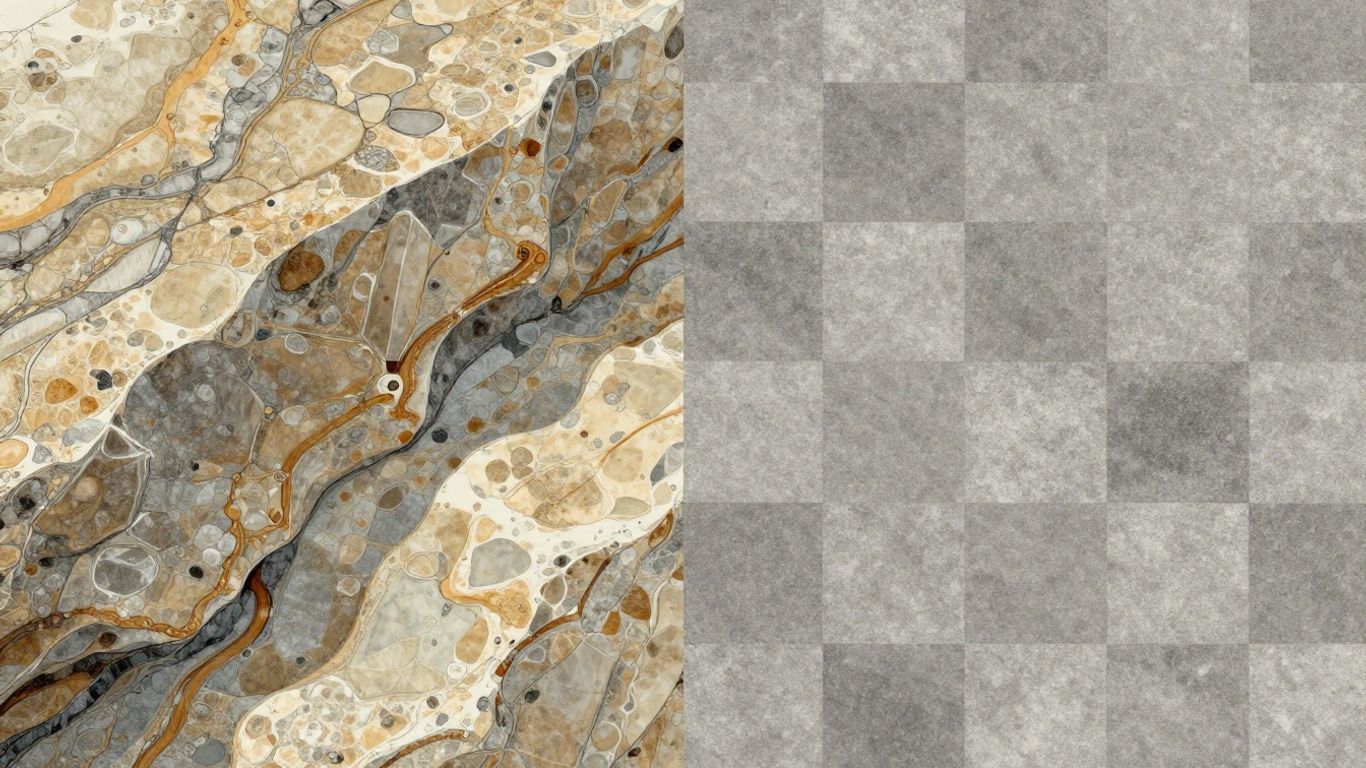
In a world full of options, knowing what you're getting is key. Natural stone offers a beauty and character that's hard to replicate. But how do you tell the real deal from something that just looks like it? Let's break it down.
Visual Cues of Authenticity
Real natural stone has a certain je ne sais quoi. Look closely. You'll see subtle variations in color and pattern that tell a story of its formation over millennia. Think of marble's intricate veining or granite's unique flecks. These aren't printed on; they're part of the stone's very being. Synthetic materials often have a repetitive pattern or a too-perfect finish. They might look good at first glance, but they lack that depth and individuality that makes natural stone so special. If you're looking to buy marble tiles online in the USA, always ask for detailed photos showing these natural variations.
Tactile Differences
Touch is a powerful sense. Run your hand over natural stone. You'll feel its natural texture, maybe a slight coolness, or the subtle undulations that come from its formation. Some stones, like travertine, have natural pits and variations that are unique to each piece. Synthetics often feel smoother, more uniform, and sometimes even a bit warmer to the touch. They might mimic the look, but they rarely capture the authentic feel of quarried stone.
Performance Comparison
This is where natural stone truly shines. While some engineered materials can be durable, they often come with their own set of limitations. Natural stone, like granite, is known for its exceptional heat resistance and hardness, making it a top choice for kitchen countertops. Marble, while softer, offers unparalleled elegance for less trafficked areas. Synthetics might be engineered for specific strengths, but they can sometimes be more prone to chipping or fading over time. For instance, a properly sealed granite countertop can withstand daily use for decades, a testament to its natural resilience. When you choose natural stone, you're investing in a material that has proven its worth over geological time.
Case Study: The Kitchen Countertop Dilemma
Sarah was renovating her kitchen and fell in love with a countertop that looked like marble but was significantly cheaper. It was a quartz composite, designed to mimic marble's elegance. While it looked good initially, after a year, she noticed faint scratches from everyday use and a slight discoloration where she'd spilled red wine, despite sealing. She later saw a friend's kitchen with genuine Carrara marble tiles, and the difference was striking. The marble had a depth and character the quartz could never match, and despite needing a bit more care, it had aged beautifully.
| Feature | Natural Stone (e.g., Granite, Marble) | Synthetic Stone (e.g., Quartz Composite) |
|---|---|---|
| Visual Appeal | Unique patterns, natural veining | Often repetitive, uniform patterns |
| Texture | Natural, varied, can be cool to touch | Smooth, consistent, sometimes warmer |
| Durability | Varies by type, generally high | Engineered for specific strengths |
| Heat Resistance | Generally excellent (esp. Granite) | Varies, can be damaged by extreme heat |
| Stain Resistance | Good when sealed | Varies, can be susceptible to certain stains |
| Longevity | Timeless, can last centuries | Can degrade over time |
Choosing authentic natural stone means embracing a piece of the earth's history in your home. It's an investment in lasting beauty and unparalleled character. If you're ready to explore the real thing, consider looking at options like buy marble tiles online USA for your next project.
The Role of Finishes in Stone Identification
Polished vs. Honed Surfaces
The finish on a natural stone is more than just a look; it's a functional characteristic that impacts both appearance and performance. Think of it like the difference between a mirror and a matte painting – both are beautiful, but they offer a very different experience. A polished finish gives stone a high sheen, reflecting light and making colors pop. It's sleek, sophisticated, and often preferred for statement pieces like marble countertops or elegant fireplace surrounds. However, this high gloss can sometimes show water spots or fingerprints more readily.
On the other hand, a honed finish offers a softer, more muted look. It's matte, smooth, and less reflective. This finish is fantastic for reducing glare and can be more forgiving with daily wear and tear. It's a popular choice for flooring, especially in high-traffic areas, as it tends to hide minor scratches and smudges better than a polished surface. If you're looking to buy marble tiles online in the USA, understanding the finish is key to getting the exact aesthetic you want.
Tumbled and Brushed Textures
Beyond polished and honed, there are finishes that add a distinct tactile quality and visual depth. Tumbled finishes are created by putting the stone in a machine with other materials, essentially
Practical Tests for Verification
Sometimes, you just need to be sure. While visual inspection is key, a few simple tests can confirm you're getting the real deal when you buy natural stone tiles online USA or in person. These aren't complicated lab procedures; they're straightforward checks you can do yourself to gain confidence in your beautiful stone selection.
The Water Absorption Test
This test is fantastic for understanding a stone's porosity. Natural stones, especially those like marble and limestone, have varying degrees of porosity. A highly porous stone will absorb more liquid, making it more susceptible to staining. Synthetic materials often have very low porosity.
How to do it:
- Get a Sample: Always try to get a small sample of the stone you're considering. If you're buying online, ask for a sample first. You can often buy marble tiles online USA and have them shipped to your home for testing.
- Apply Water: Place a few drops of water onto the surface of the stone sample.
- Observe: Watch how the water behaves. Does it bead up and sit on the surface? Or does it quickly soak in, darkening the stone?
- Low Absorption: If the water beads up or takes a long time to soak in, the stone is less porous and generally more stain-resistant. This is a good sign for durability.
- High Absorption: If the water soaks in quickly, the stone is more porous. This doesn't mean it's not natural stone, but it does mean you'll need to be diligent with sealing and prompt cleanup of spills.
Case Study: A homeowner was choosing between a marble and a porcelain tile for their bathroom. They performed the water test on samples. The marble sample absorbed water within minutes, darkening significantly, while the porcelain sample remained dry on the surface. This helped them decide to seal the marble thoroughly and opt for a less porous option for the shower floor.
Scratch Resistance Evaluation
This test helps gauge the stone's hardness. Different natural stones have different hardness levels. For instance, granite is much harder than marble. This test can help differentiate between a very soft natural stone and a harder one, or even a synthetic material that might be designed to mimic hardness.
How to do it:
- Use a Common Object: Take a common, non-damaging object like a copper coin or a steel key. (Avoid using anything excessively sharp or abrasive that could damage even a hard stone).
- Gentle Scratch: Gently try to scratch the surface of the stone sample with the object. Apply light pressure.
- Check for Marks: Examine the stone for any visible scratches or marks.
- Resistant: If the stone shows no mark, it's quite hard and scratch-resistant. Granite and quartzite are excellent examples.
- Marked: If a faint scratch appears, the stone is softer. Marble and limestone will typically show marks from a key or coin. This indicates it will require more careful use and maintenance.
Case Study: A designer was looking at samples for a busy kitchen countertop. They used a key to test two samples. One sample (likely a softer marble) showed a visible scratch immediately. The other, a granite sample, resisted the key without any visible damage. This confirmed the granite's suitability for a high-traffic kitchen environment.
Observing Natural Imperfections
Real natural stone is a product of the earth, formed over millions of years. This means it's not always perfectly uniform. In fact, natural imperfections are often the best indicators of authenticity.
- Veining and Color Variation: Look for unique patterns, subtle shifts in color, and natural lines (veins) that flow organically. These are rarely perfectly symmetrical or identical across large areas.
- Mineral Inclusions: You might see small flecks or crystals within the stone. These are natural mineral deposits that add depth and character.
- Pits and Fissures: Some stones, like travertine, naturally have small pits or fissures. These are part of the stone's character and can be filled during the finishing process, but their presence is a sign of authenticity.
Synthetic materials often have a very uniform, almost too-perfect appearance. They might mimic veining, but it often looks printed or repetitive. If a stone looks exactly the same across every single tile or slab, be a little suspicious.
Remember, the beauty of natural stone lies in its uniqueness. Embrace the slight variations; they are proof of its origin and add unparalleled character to your space. When you buy marble tiles online USA, always look for these subtle signs of authenticity.
Considering the Stone's Installation Context
Suitability for High-Traffic Areas
Choosing the right stone means thinking about where it's going. High-traffic zones, like entryways or busy kitchens, need tough stuff. Granite is a champion here, resisting scratches and wear like a pro. If you're looking for something equally durable but with a different look, consider slate. These stones can handle constant footfall without losing their charm. For those dreaming of marble in a busy spot, know that it requires more upkeep. It’s beautiful, yes, but it can etch or scratch more easily. Think about how much daily wear and tear the area will see. The right stone for a high-traffic area is one that balances beauty with serious resilience.
Performance in Moisture-Prone Zones
Bathrooms and kitchens are often wet places. You need a stone that can handle moisture without getting damaged or becoming a slip hazard. Travertine, with its natural pits, can offer a bit more grip, especially when honed. However, all natural stones benefit from sealing to resist water absorption and staining. For areas like shower floors or pool decks, slip resistance is key. Look for stones with a naturally textured finish or opt for a honed or tumbled surface. Avoid highly polished stones in these areas, as they can become very slippery when wet. Remember, proper sealing is your first line of defense against water damage.
Aesthetic Integration into Design
Beyond durability and moisture resistance, how does the stone fit your overall design? A rustic travertine might be perfect for a cozy farmhouse kitchen, while a sleek, polished marble could define a modern luxury bathroom. Consider the color palette, the veining, and the finish. Do you want something bold and dramatic, or subtle and understated? Think about how the stone will interact with your cabinetry, paint colors, and other finishes. The goal is a cohesive look that feels intentional and beautiful.
Case Study: The Busy Family Kitchen
- Client Goal: A beautiful, durable kitchen countertop that could withstand daily cooking and family life.
- Initial Choice: Client loved the look of marble.
- Consideration: Kitchen is high-traffic, prone to spills (wine, tomato sauce, oil).
- Recommendation: Switched to a high-quality granite with subtle veining. It offered the durability needed for a busy kitchen while still providing a sophisticated appearance.
- Outcome: The granite countertop has held up beautifully, resisting stains and scratches, and continues to be a stunning focal point.
Case Study: The Spa-Like Bathroom
- Client Goal: Create a serene, spa-like bathroom retreat.
- Stone Chosen: Honed travertine for the floors and shower walls.
- Reasoning: The honed finish provided a matte, non-slip surface ideal for a bathroom. Travertine's earthy tones added warmth and a natural feel.
- Installation Note: Travertine was sealed thoroughly to protect against moisture and potential soap scum buildup.
- Outcome: The bathroom feels luxurious and tranquil, with the travertine adding a natural, calming element. The honed finish ensures safety underfoot.
When selecting natural stone, always consider the specific environment it will inhabit. A stone that excels in one area might not be the best fit for another. Think about function first, then let beauty follow.
Seeking Expert Guidance and Documentation
Choosing the right natural stone can feel overwhelming. That's where we come in. Don't guess; get the facts. Relying on expert advice and solid documentation means you're making a smart investment, not just a purchase. It's about peace of mind and a beautiful, lasting result for your home.
Consulting with Suppliers
Talk to us! We're here to help you find exactly what you need. Think of us as your stone matchmakers. We can guide you through our extensive selection, from the classic elegance of marble to the robust strength of granite. Need help finding the perfect fit for your kitchen countertops or bathroom floors? We can assist. We want your stone showroom visit to be an inspiring and seamless experience. See our collection.
Reviewing Product Specifications
Details matter. Product specifications are your roadmap to understanding a stone's true nature. They tell you about its origin, its physical properties, and its best uses. This isn't just technical jargon; it's information that helps you avoid costly mistakes. Knowing if a stone is suitable for high-traffic areas or prone to staining is key. Always check the specs before you buy.
Understanding Warranties and Certifications
What's covered? Warranties offer a layer of protection for your investment. They show a supplier's confidence in their product. Certifications, on the other hand, can indicate adherence to quality or environmental standards. While natural stone is inherently durable, understanding these documents gives you confidence in your choice. It's about buying with assurance.
Case Study: The Miller Residence
The Millers wanted a timeless kitchen. They were torn between marble and quartz. After consulting with our team, they reviewed the product specifications for both. They learned marble, while beautiful, required more diligent sealing for their busy family life. Quartz, though durable, lacked the unique character they desired. They ultimately chose a high-quality granite, understanding its low-maintenance needs and unique patterns through detailed spec sheets. The result? A stunning, practical kitchen that perfectly suits their lifestyle.
Case Study: The Chen Project
Ms. Chen was renovating her bathroom and wanted a spa-like feel. She was drawn to the look of travertine. We provided her with detailed information on travertine's properties, including its porosity and the need for sealing. We also discussed different finishes and their suitability for wet areas. By understanding the product specifications and discussing installation best practices, she was able to select a travertine with a honed finish that provided both beauty and slip resistance, creating the serene bathroom she envisioned.
Need help finding the right information or need more details? We've got you covered. Visit our website for all the expert guidance and documentation you need to make the best choice for your project.
Wrapping Up Your Natural Stone Journey
So, you've learned a bit about telling real natural stone from fakes. It's not always super obvious, but paying attention to things like texture, patterns, and how it feels can really help. Remember, natural stone brings a kind of beauty and strength that's hard to match. Whether you're looking at marble, travertine, or granite, picking the right stone for your project is a big deal. If you're feeling overwhelmed or just want the best quality, checking out places like Surfaces Galore can make a difference. They've got a lot of options and can help you find exactly what you need to make your home look great. Don't hesitate to ask questions and get samples before you commit. Happy decorating!
Frequently Asked Questions
What exactly is natural stone?
Natural stone is basically rock that we dig out of the earth. Think of beautiful materials like marble, granite, and travertine. They're used for building and decorating because they look great and are super strong.
Why is natural stone a good choice for my home?
Natural stone is awesome because it lasts a really long time and looks amazing. Each piece is unique, so your home will have a special look. Plus, it's good for the environment and can even make your house worth more money.
How do I keep my natural stone looking good?
Taking care of natural stone is pretty simple. Just clean it regularly with a mild soap and water. It's also a good idea to seal it every so often, like once a year, to protect it from stains. Quick tip: wipe up spills right away!
Can I use natural stone outside as well as inside?
You bet! Many types of natural stone are tough enough to handle the weather. You can use them for patios, walkways, or even outdoor kitchens. Just make sure it's sealed properly to keep it safe from the elements.
How can I tell if stone is real or fake?
Real natural stone often has slight color differences and unique patterns, like veins, that look totally natural. Fake stone might look too perfect or have repeating designs. Touching it can also tell you a lot; real stone usually feels cooler and has a different texture.
Does the finish on the stone change how it looks or performs?
Yes, it does! A polished finish is shiny and smooth, while a honed finish is more matte and less slippery. Textures like tumbled or brushed give the stone a more rustic, aged feel. The finish affects both the look and how easy it is to clean or how slippery it might be.
Are there any simple tests I can do to check the stone?
You can try a water test: put a drop of water on the stone. If it soaks in quickly, the stone might be very porous and need more sealing. Also, look closely for natural imperfections like tiny chips or variations in color – these are signs of real stone.
What's the best type of stone for busy areas like kitchens?
For busy spots that get a lot of use, like kitchen counters or floors in hallways, you'll want a really strong stone. Granite is a fantastic choice because it's super hard and resists scratches and heat really well. It's built to last!
Leave a comment