
Is Dolomite Marble? Understanding the Differences Between Dolomite and Marble

Many homeowners find themselves pondering the distinction between dolomite and marble when selecting stone for their projects. While both are natural stones often used for similar decorative purposes, they are not the same. Understanding the differences in their composition, origin, and physical properties is key to making an informed choice. This article aims to clarify the question: is dolomite marble? We'll explore what defines each stone and help you identify them.
Key Takeaways
- Dolomite is a mineral composed of calcium magnesium carbonate, while marble is a metamorphic rock primarily made of calcite (calcium carbonate).
- The fundamental chemical difference lies in the presence of magnesium in dolomite, which is absent in marble.
- Visually, dolomite often has a more uniform appearance and can be harder to distinguish from marble without close inspection or testing.
- Marble is formed from limestone that has been subjected to heat and pressure, whereas dolomite forms through a process of dolomitization of limestone.
- In terms of physical properties, dolomite is generally harder and less reactive to acids than marble.
- While both can be used for decorative purposes, their differing properties affect their suitability for various applications, especially in kitchens and bathrooms.
- The confusion between dolomite and marble often arises due to their similar appearance and sometimes similar trade names, like Bianco Dolomite.
- Ultimately, dolomite is not marble; they are distinct geological materials with unique characteristics that influence their performance and aesthetic.
Understanding the core difference: is dolomite marble?
It's a common question, and one that can lead to a lot of confusion: is dolomite marble? While they share some visual similarities and are often found in similar applications, the answer is no. Dolomite is not marble. They are distinct natural stones with different geological origins and chemical compositions. Understanding these differences is key to making the right choice for your home or project.
Defining Dolomite: A Mineral's Identity
Dolomite is a mineral composed of calcium magnesium carbonate (CaMg(CO₃)₂). It's a specific type of carbonate mineral, and when it forms in large masses, it creates a rock also called dolomite. Think of it as a unique building block in the world of geology. It's known for its hardness and durability, making it a practical choice for many uses.
Defining Marble: A Metamorphic Masterpiece
Marble, on the other hand, is a metamorphic rock. It starts its life as limestone, which is primarily calcium carbonate. Through intense heat and pressure deep within the Earth, the limestone recrystallizes, transforming into the beautiful, often veined stone we know as marble. This process gives marble its characteristic crystalline structure and unique patterns. Many homeowners love marble for its luxurious look and feel, often searching for buy marble tiles online USA to bring that elegance home.
The Fundamental Chemical Distinction
The core difference lies in their chemical makeup. Marble is almost pure calcium carbonate (CaCO₃). Dolomite is calcium magnesium carbonate (CaMg(CO₃)₂). This addition of magnesium is what sets dolomite apart. It affects its hardness, density, and how it reacts to acids. While both are carbonates, that magnesium atom makes a significant difference in their properties.
Visual Cues: Spotting the Subtle Differences
Visually, distinguishing between dolomite and marble can be tricky, especially with stones like Bianco Dolomite that are often marketed alongside marble. Dolomite tends to have a more uniform, less dramatic veining pattern compared to the often bold and swirling veins found in marble. Marble can also have a more translucent quality, allowing light to penetrate slightly, giving it a luminous depth. Dolomite is typically more opaque.
Geological Origins: Where They Come From
Marble is formed through metamorphism – the transformation of existing rock (limestone) under heat and pressure. Dolomite, however, is typically formed through a process called dolomitization, where magnesium-rich waters interact with calcium carbonate sediments. While both are natural stones, their creation stories are quite different.
The 'Is Dolomite Marble' Question Answered
So, to definitively answer the question: No, dolomite is not marble. While they share some similarities and can look alike, they are distinct geological materials. Understanding this distinction helps you choose the right stone for your needs, whether you're looking for the classic elegance of marble or the robust durability of dolomite. For instance, Bianco Dolomite is a popular choice that visually resembles marble but offers different performance characteristics.
Case Study: The Kitchen Countertop Conundrum
A homeowner was looking for a durable yet elegant countertop for their kitchen. They fell in love with a stone that looked like classic white marble, with subtle gray veining. The fabricator identified it as Bianco Dolomite. The homeowner, initially set on marble, was hesitant. However, after learning that dolomite is generally more resistant to etching from acidic foods like lemon juice and vinegar than marble, they opted for the Bianco Dolomite. The result? A stunning, practical countertop that offered the desired aesthetic with added peace of mind for kitchen use. This highlights how understanding the difference can lead to a better-suited material choice.
Exploring the mineral composition of dolomite
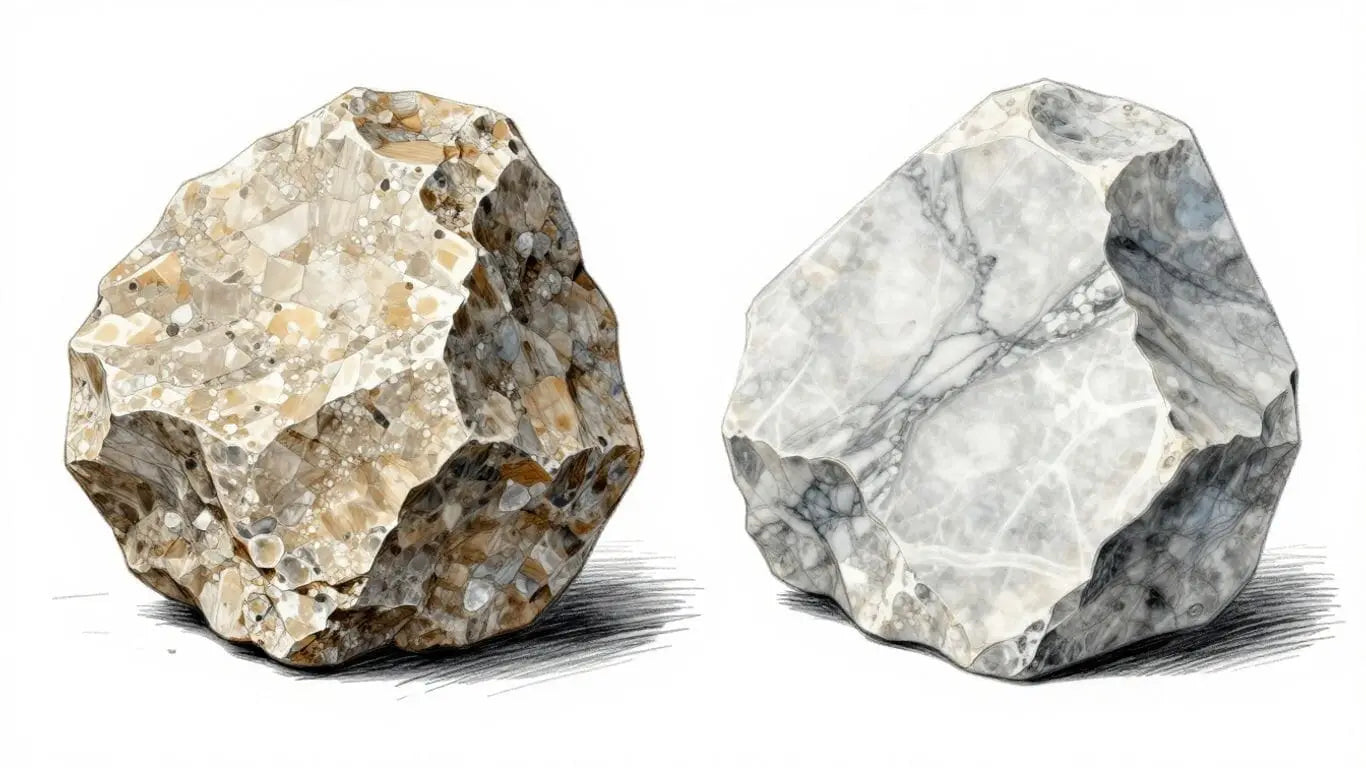
When we talk about natural stone, understanding what it's made of is pretty important. It helps us figure out how it'll act in our homes and what makes it look the way it does. Dolomite, for instance, has a specific mineral makeup that sets it apart. It's not just about looks; it's about the science behind the stone.
Calcium Magnesium Carbonate: The Key Ingredient
Dolomite's identity is tied to its chemical formula: CaMg(CO₃)₂. This means it's made of calcium, magnesium, and carbonate. Think of it as a double carbonate. This combination is what gives dolomite its unique properties, distinguishing it from stones that are primarily calcium carbonate, like limestone or even marble. This specific ratio of minerals is the bedrock of its character.
Dolomite's Crystalline Structure
Under a microscope, dolomite crystals often show a distinct rhombohedral shape. This ordered, repeating structure influences how the stone breaks, how it reflects light, and its overall density. It’s this internal architecture that contributes to its strength and how it feels to the touch. It’s a bit like the difference between a perfectly cut diamond and a rough crystal – the structure matters.
How Dolomite Forms in Nature
Dolomite typically forms when magnesium-rich groundwater interacts with limestone (calcium carbonate). This process, called dolomitization, gradually replaces some of the calcium with magnesium. It's a slow, natural transformation that happens over geological time. This origin story is key to understanding why dolomite rocks are found where they are and why they have certain characteristics. It’s a process that requires specific conditions, making natural dolomite a product of Earth’s patient chemistry.
Variations in Dolomite's Appearance
While the core mineral is the same, dolomite can vary in color and appearance. You might find it in shades of white, gray, pink, or even brown. These variations often come from impurities present during its formation. Sometimes, you'll see it with a more uniform look, while other times, it might have subtle banding or inclusions. This natural variation means each piece has its own subtle story.
Dolomite's Hardness and Density
On the Mohs scale of hardness, dolomite typically ranks around 3.5 to 4. This makes it moderately hard, but generally softer than many types of granite or quartz. Its density is also a factor in its weight and how it performs under stress. While not as hard as some stones, its composition gives it a good balance of toughness and workability. It’s a stone that holds up well, but it’s good to know its limits.
Common Uses Beyond Decorative Stone
While we often see dolomite used as a decorative stone, its mineral properties lend themselves to other applications. It's used in agriculture as a soil conditioner to provide magnesium and calcium. It's also a source of magnesium for industrial processes and can be used in the production of cement and glass. This versatility shows that dolomite is more than just a pretty face; it’s a functional mineral with a wide range of uses.
Case Study: Bianco Congelato Dolomite Countertops
A homeowner in Scottsdale, Arizona, was looking for durable and elegant kitchen countertops. They loved the look of marble but were concerned about its susceptibility to etching and staining, especially with young children. After consulting with a stone specialist, they chose Bianco Congelato Dolomite. This particular dolomite offered a beautiful white base with subtle gray veining, reminiscent of classic marble. The homeowner found that the dolomite countertops were much more forgiving with everyday spills and acidic substances like lemon juice, significantly reducing their maintenance worries. The kitchen now boasts a bright, sophisticated look without the constant concern of damage, proving dolomite’s practical advantages for busy households. If you're considering similar options, exploring Bianco Dolomite can offer a great starting point for your kitchen project.
Unveiling the characteristics of marble
Marble. The very name conjures images of grand architecture, timeless sculptures, and luxurious interiors. It’s a material that speaks of elegance, history, and enduring beauty. But what exactly makes marble so special? Let's explore its defining traits.
The Transformation of Limestone into Marble
Marble isn't just found; it's made. It begins its life as limestone, a sedimentary rock. Then, through immense heat and pressure deep within the Earth, this limestone undergoes a profound metamorphosis. This geological alchemy recrystallizes the calcite within the limestone, creating the dense, often crystalline structure we recognize as marble. This process is what gives marble its unique character and strength. It’s a true metamorphic masterpiece, born from the planet's own powerful forces.
Calcite's Role in Marble's Formation
At the heart of marble is calcite, a mineral composed of calcium carbonate. In its raw limestone form, calcite crystals are relatively small and loosely packed. The intense heat and pressure of metamorphism cause these calcite crystals to grow, interlock, and recrystallize. The purity of the original limestone directly influences the final appearance and quality of the marble. Purer limestone yields whiter marble, while impurities introduce the captivating colors and veining that make each slab so distinctive. This recrystallization is key to marble's characteristic sheen and its ability to be polished to a mirror-like finish.
The Beauty of Marble's Veining
Perhaps the most iconic feature of marble is its veining. These are not painted-on patterns; they are natural formations created by mineral impurities present in the original limestone. As the limestone metamorphosed into marble, these impurities were compressed and flowed, creating the swirling, linear, and sometimes dramatic patterns we admire. Each vein tells a story of the Earth's geological past. Whether you're drawn to the subtle wisps of Carrara White Marble or the bold contrasts of Calacatta Gold, these natural variations add unparalleled depth and character to any design. If you're looking to buy marble tiles online in the USA, you'll find an incredible array of veining patterns to choose from.
Marble's Range of Colors and Patterns
While classic white marble with grey veining is perhaps the most famous, marble comes in a stunning spectrum of colors. From deep blacks like Nero Marquina Marble to soft beiges like Crema Marfil Marble and elegant grays like Tundra Gray Marble, there's a marble to suit every aesthetic. The specific minerals present during formation dictate the color and pattern. For instance, iron oxides can create reds and pinks, while carbon can result in blacks and grays. This natural diversity means that no two marble slabs are ever exactly alike, offering a truly unique material for your project.
Marble's Susceptibility to Etching and Staining
It's important to acknowledge that marble, due to its calcite composition, is a relatively soft and porous stone. This means it can be susceptible to etching from acidic substances (like lemon juice or vinegar) and staining from spills if not properly sealed and maintained. Etching appears as dull spots on the surface, while stains can penetrate the stone. However, with appropriate care and sealing, these issues can be minimized, allowing you to enjoy marble's beauty for years. Many homeowners find that the timeless elegance of marble is well worth the mindful maintenance required.
The Luxurious Feel of Polished Marble
One of the most appealing aspects of marble is its finish. When polished, marble achieves a high-gloss sheen that reflects light beautifully, creating a sense of depth and luxury. This polished surface feels cool and smooth to the touch, adding a sensory dimension to its aesthetic appeal. Whether used for countertops, flooring, or wall applications, a polished marble finish instantly elevates the space, imparting a sense of opulence and sophistication. It’s this combination of visual splendor and tactile richness that makes marble a perennial favorite in high-end design.
Case Study: The Grand Foyer Transformation
A client wanted to create a truly show-stopping entrance for their luxury home. They opted for large-format Arabescato Marble tiles for the flooring. The dramatic grey veining against the pristine white background created an immediate sense of grandeur. Despite the high foot traffic, the polished finish maintained its luster, and with regular sealing and prompt cleanup of spills, the foyer remains a breathtaking focal point. This project highlighted how marble, when chosen and cared for correctly, can dramatically enhance a property's appeal and value.
Key differences in physical properties
When you're choosing stone for your home, understanding its physical traits is super important. It's not just about looks; it's about how the stone will perform over time. Let's break down the key differences between dolomite and marble when it comes to their physical properties. This will help you make a smart choice for your project.
Hardness Scale Comparison: Mohs' Scale Insights
How tough is your stone? The Mohs' scale gives us a way to measure this. Marble generally sits around a 3-4 on the Mohs' scale. This means it can be scratched by things like a metal key. Dolomite, on the other hand, is a bit tougher, typically scoring a 3.5-4.5. While not a huge jump, this slight increase in hardness means dolomite can offer a bit more resistance to everyday wear and tear compared to many marbles. Think about your kitchen counters – you want something that can handle a bit of action without showing every little scratch.
Porosity and Absorption Rates
This is a big one, especially for surfaces like countertops or bathroom vanities. Porosity refers to how much liquid a stone can absorb. Marble, being more porous, can soak up spills more readily. This makes it more susceptible to staining if spills aren't wiped up quickly. Dolomite is generally less porous than marble. This means it absorbs less liquid, making it a bit more forgiving when it comes to spills and potential stains. For busy households, this difference can be a game-changer.
Reactivity to Acids: A Critical Test
Acids are the enemy of many natural stones, especially those high in calcium carbonate. Marble, with its high calcite content, reacts quite readily with acids. Think about lemon juice, vinegar, or even some harsh cleaning products. These can cause etching, which looks like dull spots on the surface. Dolomite, while still a carbonate, has magnesium mixed in. This makes it slightly more resistant to acid etching than marble. It's not completely immune, but it offers a bit more protection, which is a plus for surfaces that might encounter acidic substances.
Density and Weight Considerations
Density plays a role in how heavy a stone is and how it holds up. Marble typically has a density of around 2.5 to 2.7 g/cm³. Dolomite is usually a bit denser, often in the range of 2.8 to 3.0 g/cm³. This higher density in dolomite can contribute to its slightly greater hardness and resistance. When you're thinking about installation, especially for large slabs like countertops, the weight is a factor for support structures.
Thermal Expansion and Contraction
All materials expand and contract with temperature changes. For natural stone used in areas with significant temperature fluctuations, like outdoor patios or near fireplaces, this property is worth noting. Both marble and dolomite exhibit relatively low thermal expansion compared to man-made materials. However, consistent and extreme temperature swings can, over long periods, potentially stress the stone or its surrounding grout and adhesives. For most indoor applications, this is not a primary concern.
Durability for Various Applications
When we talk about durability, we're looking at how well a stone stands up to daily use. Marble is beautiful but can be prone to etching and scratching, making it best suited for lower-traffic areas or where its elegance can be preserved, like a formal dining room floor or a bathroom vanity that's carefully maintained. Dolomite, with its slightly increased hardness and better acid resistance, can be a more practical choice for surfaces that see more action, such as kitchen countertops. It offers a good balance of natural beauty and resilience. For instance, homeowners looking for a durable yet elegant option for their kitchen might find Bianco Dolomite to be a fantastic fit, offering a look similar to marble but with added practicality.
Case Study: The Kitchen Countertop Challenge
A homeowner in Chicago was renovating their kitchen and wanted the luxurious look of marble for their countertops. They loved the classic white with grey veining but were concerned about etching from cooking acids and potential staining from everyday spills. After consulting with a stone specialist, they opted for a dolomite slab. The result? A stunning kitchen with countertops that offered the desired aesthetic but with significantly improved resistance to etching and staining, making meal prep less stressful. This allowed them to enjoy the beauty of natural stone without constant worry.
Understanding these physical differences is key to selecting the right stone. It's about matching the material's properties to the demands of its intended use. Don't just fall in love with the look; make sure the stone can handle the job.
Visual identification: distinguishing dolomite from marble
Spotting the difference between dolomite and marble can be tricky, especially when they look so similar. But don't worry, with a few key pointers, you'll be a pro at telling them apart. It's all about looking closely at the details.
Marble often boasts dramatic, flowing veins that can be quite varied. Think of the bold, artistic strokes in Calacatta Gold or the softer, more linear patterns in Carrara White. These veins are usually a result of impurities and mineral deposits within the original limestone. Dolomite, on the other hand, tends to have more subtle, often crystalline or granular veining. Sometimes, the veining in dolomite can appear more like a fine network or even be absent, giving it a more uniform appearance. If you're looking at a slab with very distinct, almost painted-on veins, it's more likely to be marble. For those seeking that classic marble look, exploring options like Arabescato Corchia can be a great starting point.
When polished, both marble and dolomite can achieve a beautiful sheen. However, marble often has a slightly softer feel and can be more prone to showing fine scratches over time, especially in high-traffic areas. Dolomite, being harder, typically holds a polish a bit better and might feel a touch more 'solid' underhand. You might notice a subtle difference in how light reflects off the surface; marble can sometimes have a softer, more luminous glow, while dolomite might appear a bit more matte, even when polished. This difference is subtle but can be a clue.
Marble comes in a vast spectrum of colors, from pure whites and deep blacks to greens, pinks, and reds. The classic white marbles, like Statuario or Oriental White Marble, are famous for their dramatic veining against a bright white background. Dolomite, while it can come in various shades, is most commonly found in whites, creams, and light grays. A key differentiator can be translucency. High-quality marble, especially thinner slabs, can sometimes allow light to pass through, giving it a luminous quality. Dolomite is generally less translucent.
Look closely at the surface of marble, especially under direct light. You might notice a subtle sparkle, a sort of crystalline shimmer. This is due to the presence of calcite crystals, which are the primary component of marble. Dolomite, being a calcium magnesium carbonate, doesn't have this same characteristic sparkle. While both are beautiful, this tiny detail can be a giveaway for marble enthusiasts.
While marble is celebrated for its dramatic and often irregular veining, dolomite frequently presents a more consistent and uniform appearance. This doesn't mean it's boring; rather, it offers a different kind of beauty – a more subdued elegance. If you're aiming for a clean, consistent look without overly busy patterns, dolomite might be your ideal choice. For instance, Bianco Dolomite, while often mistaken for marble, offers a beautiful, consistent white base that's perfect for many design styles. You can explore Bianco Dolomite options to see this uniformity firsthand.
Sometimes, even with the best visual cues, distinguishing between dolomite and marble can be challenging. This is especially true with certain types of dolomite that closely mimic marble's appearance, like Bianco Dolomite. If you're making a significant investment, like purchasing countertops or flooring, it's always wise to consult with a stone professional. They have the experience and knowledge to identify the stone accurately and can guide you toward the best material for your specific needs and aesthetic goals. At Surfaces Galore, our team is always ready to help you make the perfect selection.
Case Study: The Kitchen Countertop Dilemma
A homeowner was looking for a durable yet elegant material for their kitchen countertops. They fell in love with a slab that looked like classic white marble, featuring soft gray veining. They were told it was 'Bianco Dolomite'. Concerned about its durability for a busy kitchen, they consulted with a stone specialist. The specialist confirmed it was indeed dolomite, explaining that while it shared a similar look to marble, its calcium magnesium carbonate composition made it more resistant to etching from acidic foods like lemon juice or vinegar. This meant they could achieve the marble aesthetic they desired with greater peace of mind regarding maintenance. They proceeded with the dolomite countertops, enjoying both the beauty and the enhanced durability for their active family life.
The geological journey: formation and origin
Understanding how dolomite and marble are formed is key to appreciating their unique qualities. It’s a story written in stone, shaped by immense pressure, heat, and time. Let's explore the geological processes that bring these beautiful materials to life.
Sedimentary Origins of Dolomite Rock
Dolomite's journey begins in ancient seas. It forms as a sedimentary rock, primarily from the mineral dolomite itself – a calcium magnesium carbonate. Over vast stretches of time, layers of sediment, often from marine organisms, accumulate. Through a process called diagenesis, magnesium from seawater interacts with calcium carbonate sediments, gradually transforming them into dolomite. This results in a rock that is chemically distinct from limestone. Think of it as a slow, natural chemical reaction happening over millennia. This process gives dolomite its characteristic crystalline structure and unique properties.
Metamorphic Processes Creating Marble
Marble, on the other hand, is born from transformation. It starts its life as limestone, a sedimentary rock composed mainly of calcite (calcium carbonate). When limestone is subjected to intense heat and pressure deep within the Earth's crust, often due to tectonic plate collisions or proximity to magma, it undergoes metamorphism. The original calcite crystals recrystallize, fusing together to form a denser, more interlocking crystalline structure. This recrystallization is what gives marble its characteristic look, including its often-swirling veins and granular texture. The purity of the original limestone and the specific conditions of metamorphism dictate the final color and pattern of the marble. For instance, impurities present during formation can lead to the dramatic veining we see in many popular marble types.
Tectonic Forces and Their Influence
Plate tectonics plays a massive role in the creation and location of both dolomite and marble deposits. The movement of Earth's massive plates can cause sedimentary layers, including those that will become dolomite, to be buried and subjected to the heat and pressure needed for marble formation. Mountain-building events, a direct result of tectonic collisions, bring these rocks closer to the surface, making them accessible for quarrying. The geological history of a region, shaped by these powerful forces, directly influences the type and quality of stone found there. Understanding this geological narrative helps us appreciate the rarity and beauty of these natural materials.
Global Quarrying Locations for Each Stone
Both dolomite and marble are found in significant deposits around the world, but their specific locations often reflect their formation processes. Italy is world-renowned for its high-quality marble, particularly from regions like Carrara. Other major marble-producing countries include Greece, India, Mexico, and the United States. Dolomite deposits are also widespread, often found in areas with a history of marine sedimentation. Major dolomite sources include the United States, Canada, Mexico, and parts of Europe. The specific geological conditions in these areas have allowed for the formation of these distinct rock types over millions of years. When you choose a stone, you're choosing a piece of Earth's history.
Understanding the Rock Cycle's Role
Dolomite and marble are fascinating examples of the rock cycle in action. Sedimentary rocks like limestone can be transformed into metamorphic rocks like marble through heat and pressure. Over even longer geological timescales, these rocks can be uplifted, eroded, and redeposited, potentially starting the cycle anew. Dolomite itself can form from limestone through chemical alteration. This continuous process of creation, destruction, and transformation shapes the very ground beneath our feet and provides us with the stunning natural materials we use to beautify our homes and buildings. It’s a testament to the dynamic nature of our planet.
How Geological History Impacts Appearance
The geological story of a stone profoundly impacts its final appearance. The presence of impurities in the original limestone, the intensity and duration of metamorphic heat and pressure, and the specific mineral composition all contribute to the unique color, veining, and texture of marble. Similarly, the conditions under which dolomite forms can lead to variations in its grain size and color. For example, the dramatic, dark veins in Nero Marquina marble are due to the presence of carbonaceous material during its formation. The subtle, cloudy patterns in Bianco Dolomite are a result of its specific mineral makeup and formation process. Every slab tells a story of its geological past. This inherent variation is what makes natural stone so captivating and unique. When you select a piece of marble or dolomite, you are choosing a natural work of art, shaped by millions of years of Earth's history. If you're looking to buy marble tiles online in the USA or explore other natural stone options, understanding these origins can help you make a more informed and appreciative choice. At Surfaces Galore, we help you connect with these geological wonders.
Performance in applications: where they shine
Countertop suitability: durability and maintenance
When it comes to kitchen countertops, both marble and dolomite can offer stunning aesthetics, but their performance differs. Marble, with its classic beauty, is a favorite for many. However, it's softer and more porous than dolomite. This means marble countertops can be more susceptible to etching from acids (like lemon juice or vinegar) and staining from spills. Regular sealing is a must, and you'll need to be diligent about wiping up messes quickly.
Dolomite, on the other hand, offers a more practical solution for busy kitchens. It's harder and less porous than marble, making it more resistant to etching and staining. While it can still benefit from sealing, it generally requires less intensive maintenance. Think of it as getting much of marble's look with a bit more peace of mind. For instance, a homeowner in Chicago chose Bianco Dolomite for their kitchen island and found it held up beautifully against daily cooking, a stark contrast to their previous marble countertop which showed water spots and faint etch marks within months. If you're looking to buy marble tiles online USA for a less demanding area, they're a great choice, but for high-use countertops, dolomite often shines brighter.
Flooring considerations: wear and tear
For flooring, the choice between marble and dolomite depends on the area's traffic. Marble tiles, especially polished ones, can be incredibly elegant in entryways or living rooms that don't see constant heavy foot traffic. However, they can scratch and chip over time.
- Marble: Best for low-traffic areas, formal dining rooms, or bedrooms where its beauty can be preserved.
- Dolomite: A more robust option for hallways, kitchens, and even commercial spaces due to its increased hardness and scratch resistance.
Consider a case study from a boutique hotel in Miami. They opted for Tundra Gray Marble for their lobby flooring. While visually stunning, the constant foot traffic led to noticeable wear patterns within a year. They are now considering replacing sections with a harder dolomite to improve longevity.
Wall cladding and decorative uses
Both marble and dolomite excel as wall cladding and decorative elements. Their natural beauty can transform a simple wall into a statement piece. Marble's veining can create dramatic focal points, while dolomite offers a more subtle, consistent look.
For applications where the stone isn't subjected to heavy wear or direct contact with acidic substances, both materials are excellent choices. Think fireplace surrounds, accent walls, or decorative panels. The key is matching the stone's properties to the specific demands of the application.
Bathroom and kitchen performance
In bathrooms, marble can be stunning for shower walls and vanity tops, but its porosity means it needs careful sealing to prevent water absorption and potential staining from soaps or shampoos. Dolomite offers a more forgiving surface in these wet environments. Its lower porosity means it's less likely to absorb moisture and is more resistant to the chemicals found in many bathroom cleaners.
In kitchens, as mentioned, dolomite generally outperforms marble due to its resistance to etching and staining, making it a more practical choice for countertops and backsplashes. If you're buying marble tiles online USA for a bathroom backsplash, they can be a fantastic choice, but for a kitchen countertop, dolomite often wins for durability.
Outdoor applications and weather resistance
Generally, neither marble nor dolomite is the top choice for extensive outdoor applications, especially in climates with freeze-thaw cycles. Marble can be particularly vulnerable to damage from moisture and temperature fluctuations. While some denser dolomites might fare better than softer marbles, they are still not as robust as materials like granite or certain types of slate for patios or exterior cladding. For outdoor use, it's always best to consult with a stone specialist about specific product suitability and necessary treatments.
Choosing the right stone for your project
Ultimately, the best stone depends on your priorities. If pure aesthetic luxury and a willingness for diligent care are paramount, marble might be your pick. However, if you're seeking a balance of beauty and practicality, especially for high-use areas like kitchens and bathrooms, dolomite often presents a more resilient and lower-maintenance option. Consider the specific demands of your project, your lifestyle, and your commitment to maintenance when making your final decision. Surfaces Galore offers a wide selection of both, helping you find the perfect fit.
Maintenance and care: preserving beauty
Keeping your natural stone looking its best is simpler than you might think. With a little attention, your marble or dolomite surfaces will maintain their stunning appearance for years. It's all about using the right methods and products.
Sealing requirements for both materials
Sealing is your first line of defense. It fills the tiny pores in the stone, making it harder for liquids to seep in and cause stains. For marble, which is a bit more sensitive, regular sealing is a must. Dolomite, while generally more resistant, also benefits from sealing to keep it looking fresh. We recommend a high-quality sealer, applied about once a year, or more often if you notice water starting to soak in rather than bead up. It’s a small step that makes a big difference in stain resistance.
Cleaning agents to use and avoid
When it comes to cleaning, think gentle. Always use a pH-neutral cleaner specifically designed for natural stone. These cleaners won't etch or damage the surface. What should you avoid? Anything acidic, like vinegar or lemon-based cleaners, and harsh abrasive scrubbers. These can dull the finish and even etch the stone over time. Stick to mild soap and water for daily cleanups, and your stone will thank you.
Dealing with spills and stains
Accidents happen, but quick action is key. For spills, blot them up immediately with a soft cloth. Don't wipe, as this can spread the liquid. If a stain does set in, don't panic. There are poultices available that can draw the stain out of the stone. For tougher issues, our customer support team at Surfaces Galore is ready to guide you. Remember, prompt attention is your best strategy against stubborn stains.
Preventing etching and scratching
Etching is that dull, whitish mark that can appear when acidic substances come into contact with marble or dolomite. To prevent it, use coasters under glasses and always wipe up spills quickly. Scratching is another concern. While dolomite is harder than many marbles, it's still a good idea to use cutting boards in the kitchen and avoid dragging heavy objects across the surface. A honed finish can sometimes be more forgiving of minor scratches than a high-gloss polish.
Long-term care for lasting appeal
Consistent, gentle care is the secret to long-term beauty. Regular dusting and wiping down surfaces with a damp cloth will keep them clean. Periodically resealing, as mentioned, is vital. For those seeking the most durable and low-maintenance options, exploring our range of granite or quartzite might also be a good idea, though marble and dolomite offer a unique aesthetic appeal that’s hard to match. Investing in quality care products means investing in the longevity of your stone's beauty.
When professional restoration is needed
Sometimes, despite our best efforts, a stone surface might need a little extra TLC. Deep scratches, significant etching, or stubborn stains might call for professional help. Surfaces Galore works with skilled stone restoration specialists who can bring your marble or dolomite back to its former glory. Don't hesitate to reach out to us if you think your stone needs more than just a routine cleaning. We can help assess the situation and recommend the best course of action to preserve your investment.
The 'is dolomite marble' query: common confusions
It’s easy to get confused when looking at natural stones. Marble and dolomite often get mixed up, and honestly, it’s not entirely your fault. The names can be misleading, and sometimes, they just look really similar. Let's clear things up.
Why the Confusion Arises
People often hear "dolomite" and think it sounds like "marble." Plus, some types of dolomite, like Bianco Dolomite, are specifically named to sound like marble. This marketing can lead to a lot of misunderstanding. It’s like calling a sports car a "sedan" just because it has four wheels. They might share some basic characteristics, but they are fundamentally different.
Similarities That Lead to Misidentification
Both marble and dolomite are carbonate rocks. This means they are made up of minerals that react to acids. This chemical similarity is a big reason why they can behave similarly in some situations, like when exposed to acidic cleaners. Visually, some dolomites can mimic the look of certain marbles, especially those with subtle veining or a uniform color. For example, Bianco Dolomite can look a lot like Carrara marble at first glance. This visual overlap is a major source of confusion for homeowners and designers alike. If you're looking to buy marble tiles online in the USA, it's important to know what you're actually getting.
Marketing and Naming Conventions
Sometimes, the names used in the industry don't perfectly align with geological definitions. A stone might be called "Bianco Dolomite Marble" on a tag, which is technically incorrect but used to convey a certain aesthetic or perceived value. This is common in the stone world. Think of it like different brands of soda all being called "Coke" colloquially. It’s a shortcut, but it blurs the lines. We want to make sure you get exactly what you're looking for, whether it's genuine marble or a beautiful dolomite.
The Role of Appearance in Perception
Let's be honest, how a stone looks is a huge factor. If a dolomite looks like marble, and people want that marble look, they might just call it marble. This is especially true for stones like Bianco Dolomite, which has a clean white appearance and subtle gray veining that strongly resembles popular marble varieties like Carrara. This visual appeal often trumps strict geological classification in the eyes of many consumers. It’s about achieving that desired aesthetic for your kitchen countertops or bathroom vanities.
Understanding Trade Names and Classifications
Trade names can be tricky. A supplier might market a dolomite under a name that sounds very much like a marble, like "Bianco Dolomite." This is often done to appeal to customers who are specifically searching for marble. While it's not technically marble, it offers a similar visual appeal and can be a more durable and cost-effective option for certain applications. It's important to understand that while they might share a name or appearance, their geological makeup and properties differ. For instance, while both are carbonate rocks [4c89], marble is primarily calcium carbonate, and dolomite is calcium magnesium carbonate.
Clarifying the Distinction for Consumers
Our goal is to help you make an informed choice. While dolomite might share some visual traits with marble, it's a distinct mineral with its own set of properties. Understanding these differences helps you select the right stone for your project's needs, whether it's for durability in a busy kitchen or a luxurious look in a bathroom. Don't let confusing names steer you away from the perfect material for your home. We're here to guide you through the selection process, ensuring you get the beauty and performance you expect.
Case Study: The Bianco Dolomite Dilemma
A homeowner was renovating their kitchen and fell in love with the look of Carrara marble for their countertops. They found a slab labeled "Bianco Dolomite" that looked almost identical to the Carrara they admired, and it was significantly less expensive. They purchased it, thrilled with the savings and the aesthetic. However, a few months later, acidic spills from lemon juice caused noticeable etching on the surface, something they hadn't anticipated based on their understanding of "marble." This experience highlighted the critical difference: while visually similar, Bianco Dolomite, being a dolomite, has a different chemical composition than true marble (which is primarily calcite). This led to unexpected etching issues, a common point of confusion when the distinction isn't clearly understood. This is why knowing the difference between dolomite and marble is so important for long-term satisfaction with your surfaces.
Dolomite's unique advantages
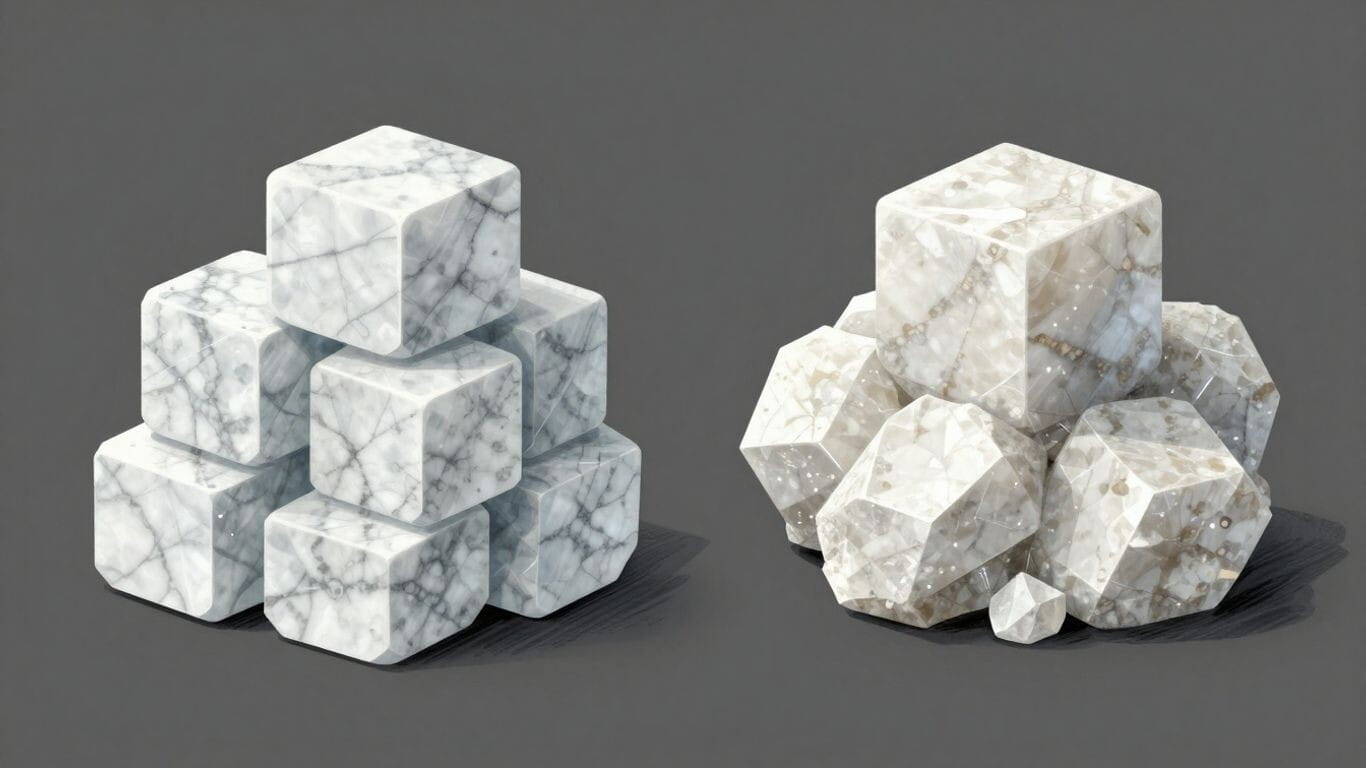
When you're looking for a stone that offers both beauty and serious resilience, dolomite really shines. It's not just a pretty face; this material brings a set of practical benefits that make it a smart choice for many homes and projects. Forget the idea that you have to sacrifice durability for looks – dolomite proves you can have both.
Enhanced Durability
Dolomite is generally tougher than many marbles. This means it stands up better to daily wear and tear. Think about busy kitchens or high-traffic hallways; dolomite can handle it. It's less prone to chipping and scratching, which is a big win for homeowners who want their surfaces to look great for years without constant worry. If you're comparing it to marble, you'll find dolomite often has the edge in sheer toughness. buy marble tiles online USA is a popular search, but don't overlook dolomite's strengths.
Greater Resistance to Acids and Etching
This is a major selling point, especially for kitchens. Unlike marble, which can easily etch from acidic substances like lemon juice or vinegar, dolomite is much more forgiving. This makes it a more practical choice for countertops where spills are common. You get that beautiful natural stone look without the high-maintenance anxiety.
A Cost-Effective Alternative
While still a premium natural stone, dolomite can often be more budget-friendly than some of the more exotic marbles. You get a similar high-end aesthetic – think subtle veining and a sophisticated appearance – but at a potentially lower price point. This allows you to achieve a luxurious look without breaking the bank.
Versatility in Design
Dolomite isn't a one-trick pony. It comes in a range of colors and patterns, often featuring soft whites, grays, and subtle veining that can mimic the look of marble. This makes it incredibly versatile, fitting well into various design styles, from modern minimalist to classic traditional. It's a stone that can adapt to your evolving taste.
Suitability for High-Traffic Areas
Because of its enhanced durability and resistance to etching, dolomite is an excellent candidate for areas that see a lot of action. Kitchen countertops, bathroom vanities, and even flooring in busy entryways can benefit from dolomite's robust nature. It offers peace of mind for busy households.
The Subtle Beauty of Natural Variations
While sometimes mistaken for marble, dolomite has its own unique charm. Its variations in color and veining are often more subtle and uniform than some dramatic marbles, offering a sophisticated, understated elegance. This makes it a great choice if you love the look of natural stone but prefer a less busy pattern.
Case Study: The Busy Family Kitchen
The Miller family wanted a kitchen that looked stunning but could also withstand the daily chaos of two young children and a love for cooking. They were initially drawn to classic white marble for its timeless appeal. However, after learning about marble's susceptibility to etching and staining, they felt it might be too high-maintenance for their lifestyle. Their designer recommended Bianco Dolomite. The Millers were thrilled with the result – a bright, elegant kitchen with countertops that looked like marble but offered the durability and stain resistance they needed. They found they could clean up spills without worry, and the stone held up beautifully to everyday use, proving that dolomite can offer the best of both worlds for active homes.
Marble's unparalleled aesthetic appeal
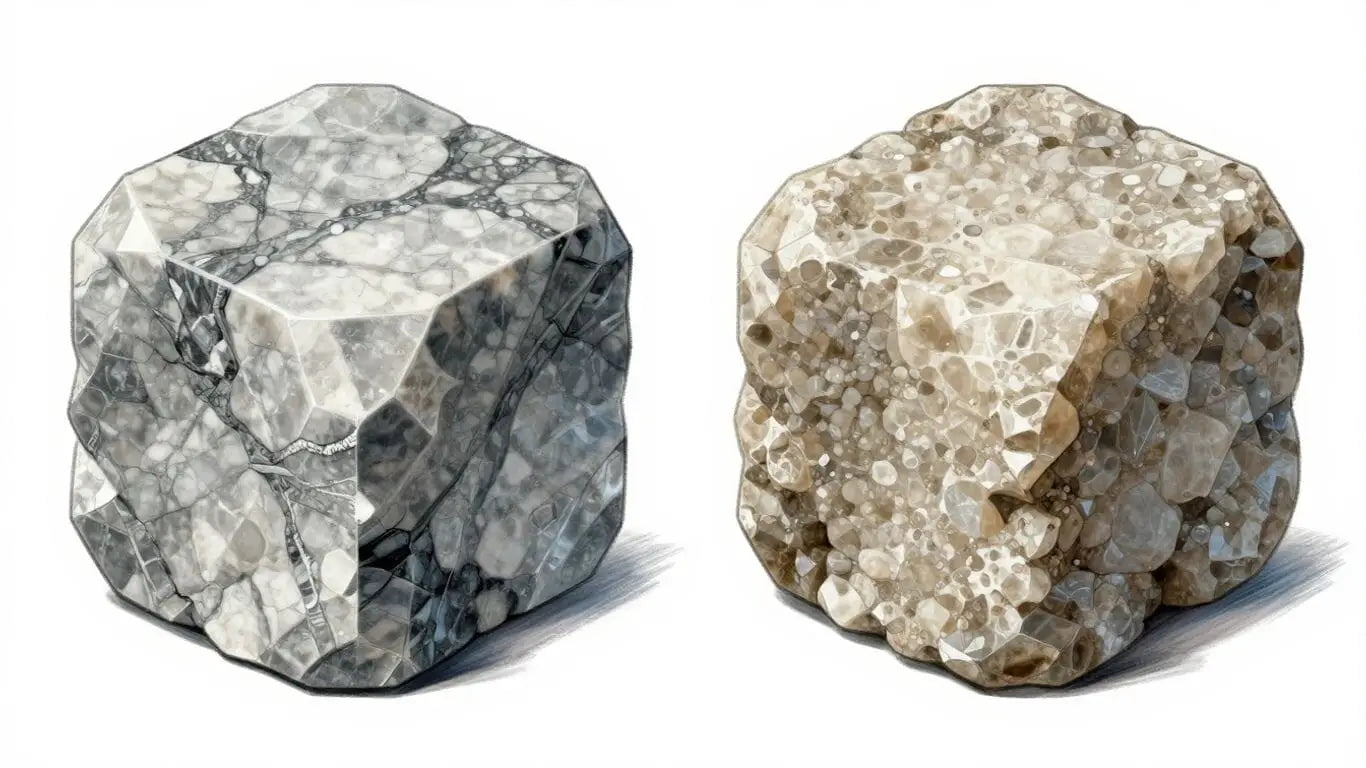
Marble. Just the name conjures images of grand estates, timeless art, and sophisticated design. It’s a material that has graced palaces and museums for centuries, and for good reason. Its natural beauty is simply unmatched, offering a unique character that transforms any space into a work of art.
The Timeless Elegance of Classic White Marble
Think of the iconic white marble – Carrara, Statuario, or even Bianco Dolomite. These stones, with their soft, luminous backgrounds and delicate veining, bring a sense of calm and purity to a room. They are the epitome of classic design, never going out of style. Whether you're aiming for a minimalist kitchen or a luxurious bathroom, white marble provides a clean, bright foundation that makes any space feel larger and more refined. It’s a choice that speaks of understated luxury and enduring taste. If you're looking to buy marble tiles online in the USA, you'll find these classic whites are always in demand.
The Dramatic Impact of Bold Veining
But marble isn't just about subtle elegance. Some varieties boast dramatic, sweeping veins that command attention. Think of Calacatta Gold with its warm, golden-hued veins against a crisp white background, or Arabescato with its bold, angular patterns. These stones are statement pieces, perfect for creating a focal point in your design. A Calacatta Gold marble countertop can turn a simple kitchen into a showstopper, while Arabescato marble flooring can add a touch of drama to an entryway. These are the stones that tell a story, adding depth and visual interest to your home.
A Wide Spectrum of Colors and Finishes
Marble's appeal extends far beyond white and gray. You can find marble in rich blacks like Nero Marquina, deep greens, warm beiges like Crema Marfil, and even striking blues. This incredible color variation means there's a marble to suit virtually any design aesthetic. Beyond color, the finish also plays a significant role. A polished finish offers a high-gloss, reflective surface that amplifies light and color, while a honed finish provides a softer, matte look that feels more subdued and natural. The choice between polished and honed can completely change the feel of the stone and the room.
Creating a Sense of Luxury and Sophistication
There's an inherent sense of luxury associated with marble. It's a natural material that feels substantial and looks incredibly high-end. This is why it's so often used in high-end homes, hotels, and commercial spaces. Even a small application, like a marble backsplash or a vanity top, can instantly elevate the perceived value and sophistication of a space. It’s a material that whispers quality and refinement.
Its Historical Significance in Art and Architecture
Marble's journey through history is fascinating. From the sculptures of ancient Greece and Rome to the magnificent Taj Mahal, it has been the medium of choice for artists and architects for millennia. This rich history lends marble an enduring prestige. When you choose marble for your home, you're not just selecting a building material; you're connecting with a legacy of beauty and craftsmanship that has stood the test of time. This historical weight adds another layer to its aesthetic appeal, making it a choice that feels both current and timeless.
The Unique Character of Each Slab
One of the most compelling aspects of marble is its uniqueness. No two slabs are exactly alike. The natural patterns, veining, and color variations mean that your marble installation will be one-of-a-kind. This individuality is a key part of its charm. While it can sometimes make selection a bit more involved, the result is a truly personalized space that reflects your unique taste. It’s this inherent variation that makes marble so captivating and ensures your design will have a character that mass-produced materials simply cannot replicate. If you're looking for a truly special material, consider exploring marble slabs for your next project.
Exploring specific stone types: Bianco Dolomite
Understanding Bianco Dolomite's composition
Bianco Dolomite is a fascinating stone that often gets mistaken for marble. It's actually a type of dolomite, a mineral composed of calcium magnesium carbonate. This chemical makeup gives it distinct properties compared to pure calcite, which is the primary component of marble. While it shares a similar appearance to some marbles, its internal structure and composition are quite different. This difference is key to understanding its performance and look.
Its visual resemblance to certain marbles
Many people are drawn to Bianco Dolomite because it looks a lot like classic white marble. It typically features a clean white or off-white background with subtle, often soft gray veining. This aesthetic makes it a popular choice for those who want the elegant look of marble without some of its associated maintenance concerns. It can mimic the appearance of stones like Carrara marble, offering a similar visual appeal for a potentially different price point.
Common applications for Bianco Dolomite
Bianco Dolomite is incredibly versatile. It's frequently used for countertops, flooring, wall cladding, and decorative features. Its durability and resistance to etching make it a practical choice for kitchens and bathrooms, areas where marble might be more prone to damage. You'll find it in everything from elegant kitchen islands to sophisticated bathroom vanities and durable flooring solutions. It's a great option if you're looking to buy marble tiles online USA but want something with a bit more resilience.
Care and maintenance specific to this stone
Caring for Bianco Dolomite is generally straightforward. Because it's less reactive to acids than marble, it's more forgiving with spills like lemon juice or wine. However, it's still a natural stone and should be sealed regularly to prevent staining. Regular cleaning with a pH-neutral cleaner is recommended. Avoid harsh chemicals or abrasive scrubbers, which can dull the finish over time. For most homeowners, this means less worry about daily upkeep compared to more sensitive stones.
Why it's often mistaken for marble
The confusion between Bianco Dolomite and marble largely stems from appearance. Both stones can present with white or off-white backgrounds and attractive veining. Marketing and trade names can also play a role, with some suppliers referring to dolomite as "dolomitic marble." This can lead to misidentification. However, understanding the chemical difference—calcium magnesium carbonate versus calcite—is the most reliable way to distinguish them. It's important to know what you're buying, especially when considering kitchen applications.
The value it brings to interior design
Bianco Dolomite offers a fantastic balance of beauty and practicality. It provides a bright, clean, and sophisticated look that can instantly elevate any interior design. Its subtle veining adds character without being overwhelming, making it a versatile choice that complements a wide range of decor styles. For homeowners seeking a high-end aesthetic with enhanced durability, Bianco Dolomite is an excellent investment. It's a stone that offers lasting appeal and functional performance, making it a smart choice for busy households.
Delving into marble varieties: Carrara and Calacatta
When we talk about marble, two names often come up: Carrara and Calacatta. These Italian marbles are famous for a reason. They represent the pinnacle of natural stone beauty and have graced some of the world's most iconic buildings and homes.
The Distinct Veining of Carrara Marble
Carrara marble is instantly recognizable. It typically features a soft, white or bluish-gray background. The veining is usually fine and feathery, often appearing in shades of gray. Think of it as a gentle, subtle pattern. It’s like a whisper of elegance rather than a shout. This makes Carrara incredibly versatile. It can fit into almost any design scheme, from modern minimalist to classic traditional. It’s a safe bet if you want a sophisticated look without being overpowering. Many homeowners choose Carrara for its understated charm. It’s a popular choice for flooring and wall applications because it doesn't dominate a space.
The Bold Patterns of Calacatta Marble
Calacatta marble, on the other hand, is known for its dramatic flair. It usually has a whiter background than Carrara, making its veining stand out even more. The veins in Calacatta are typically thicker, bolder, and can range in color from light gray to deep gold or even brown. These patterns are often more irregular and striking. Calacatta is the marble that makes a statement. It’s chosen when you want a focal point, something that commands attention. Imagine a Calacatta marble countertop in a kitchen – it’s a showstopper. It’s also frequently used for feature walls or grand fireplace surrounds.
Their Italian Origins and Prestige
Both Carrara and Calacatta marbles hail from the Carrara region in Tuscany, Italy. This area has been a source of high-quality marble for centuries, dating back to ancient Roman times. The quarries in this region are legendary. The prestige associated with Italian marble is undeniable. It carries a history of artistry and luxury. When you choose Carrara or Calacatta, you're not just getting a beautiful stone; you're getting a piece of that rich heritage. This connection to Italian craftsmanship adds to their allure and value.
Comparing Their Aesthetic Impact
So, how do they compare visually? Carrara offers a softer, more diffused look. Its subtle veining can create a sense of calm and spaciousness. It’s perfect for larger areas where you want a consistent, elegant backdrop. Calacatta, with its bold, contrasting veins, brings energy and drama. It’s ideal for smaller applications where you want to highlight the stone's natural artistry, like a vanity top or a decorative inlay. The choice really depends on the mood you want to create.
Suitability for Luxury Projects
Both marbles are considered luxury materials. However, Calacatta is often seen as the more exclusive and expensive option due to its rarity and striking appearance. It's frequently specified for high-end residential projects and luxury commercial spaces where a dramatic statement is desired. Carrara, while still luxurious, is more widely available and often more budget-friendly, making it a popular choice for extensive installations like hotel lobbies or large custom homes. If you're looking to buy marble tiles online in the USA, both are excellent choices, but understanding their distinct looks is key.
Why These Are Benchmark Marbles
Carrara and Calacatta are often used as benchmarks against which other white marbles are compared. Their consistent quality, timeless beauty, and historical significance set a high standard. When designers and homeowners discuss white marble, these two are almost always the first examples. They represent the classic ideal of what marble should be: beautiful, natural, and enduring. If you're considering natural stone for your home, understanding the difference between these two iconic varieties is a great starting point. For instance, if you admire the look of Calacatta but are working with a tighter budget, exploring options like Bianco Dolomite might be a smart move, as it can sometimes offer a similar bright white base with subtle veining.
Case Study: A Modern Kitchen Transformation
A homeowner in Los Angeles wanted a kitchen that felt both modern and timeless. They chose Calacatta Gold marble for the island countertop and backsplash. The dramatic gold veining against the pure white background created a stunning focal point. For the surrounding countertops and flooring, they opted for Carrara marble tiles. This combination provided the desired luxury and visual interest without overwhelming the space. The result was a sophisticated kitchen that felt both grand and inviting.
Case Study: A Serene Bathroom Retreat
In a New York City apartment, the designer aimed for a spa-like bathroom. They selected Carrara marble for the floor tiles and the shower walls. The soft gray veining created a calming, serene atmosphere. A single vanity top made from a striking piece of Calacatta marble was added as a feature, providing a touch of drama and luxury. This thoughtful use of both stones achieved a balanced aesthetic, blending tranquility with understated elegance.
The role of Surfaces Galore in stone selection
Expertise in Natural Stone Sourcing
Choosing the right stone can feel like a big decision. That's where Surfaces Galore comes in. We're direct importers, meaning we cut out the middlemen and go straight to the source. This lets us pick out only the best quality marble and dolomite from quarries all over the world. We know our stones, from the classic look of Carrara to the subtle beauty of dolomite. We make sure you get authentic, top-tier natural stone for your project.
Offering a Wide Range of Marble and Dolomite
Looking for something specific? We've got it. Our collection is huge. We have everything from popular marble tiles for your bathroom floor to durable dolomite slabs perfect for a kitchen countertop. Need to buy marble tiles online in the USA? We ship nationwide. Whether you want the dramatic veining of Calacatta or the more uniform look of certain dolomites, you'll find it here. We even have specialty items like mosaics and custom cuts.
Guidance for Homeowners and Designers
Not sure if dolomite is right for your kitchen, or if a certain marble will hold up in a high-traffic area? We can help. Our team knows the ins and outs of natural stone. We can explain the differences, talk about durability, and help you match the stone to your design vision. We want you to feel confident in your choice. We're here to answer all your questions, like "Is dolomite marble?" and guide you toward the best fit for your home.
Nationwide Shipping and Accessibility
No matter where you are in the U.S., we can get our beautiful natural stone to you. We work with reliable shipping partners to make sure your order arrives safely and on time. You can browse our selection online or visit our showroom. We make it easy to get the high-quality marble or dolomite you want, wherever you are.
Commitment to Quality and Authenticity
We only deal in 100% natural stone. No fakes, no imitations. When you buy from Surfaces Galore, you're getting the real deal – genuine marble and dolomite with all their unique character and beauty. We stand by the quality of our products. We believe natural stone adds lasting value and timeless elegance to any space.
Helping You Find the Perfect Stone
Case Study 1: The Kitchen Countertop Dilemma
A homeowner was torn between a classic white marble for their kitchen island and a more durable dolomite. They loved the look of marble but worried about etching and staining. After discussing their needs with our team, they opted for a beautiful white dolomite. It offered a similar bright, clean aesthetic but with greater resistance to acids, making it a more practical choice for their busy family kitchen. They were thrilled with the balance of beauty and performance.
Case Study 2: The Bathroom Makeover
An interior designer was looking for specific marble tiles to complete a luxury bathroom renovation. They needed a particular shade of gray marble with subtle veining. Surfaces Galore was able to source the exact Bardiglio Imperiale marble tiles the designer envisioned, providing samples and detailed information to ensure it met the project's high standards. The finished bathroom was stunning, showcasing the unique character of the natural stone.
Choosing natural stone is an investment in your home's beauty and value. Understanding the differences between materials like marble and dolomite is key to making the right selection. Surfaces Galore is dedicated to providing you with both the knowledge and the materials to create a space you'll love for years to come.
Making an informed decision for your home
Choosing the right stone for your home is a big deal. It's not just about looks; it's about how the stone will perform day in and day out. We get it. You want something beautiful, something that lasts, and something that fits your lifestyle. That's where understanding the difference between dolomite and marble really pays off. Let's break down how to make the best choice for your project.
Prioritizing Your Project's Needs
Think about where the stone will go. Is it a kitchen countertop that sees daily action, or a decorative fireplace surround that's admired more than used? This makes a difference. For busy kitchens, a stone that resists etching and staining is key. Dolomite often shines here, offering a more forgiving surface than many marbles. If you're designing a serene bathroom, you might prioritize a stone's look and feel, perhaps opting for the classic elegance of marble, knowing you'll be mindful of its care needs.
Balancing Aesthetics with Practicality
This is where the real magic happens. You don't have to sacrifice beauty for durability, or vice versa. Many homeowners are surprised to learn that stones like Bianco Dolomite offer a look very similar to popular marbles, but with added resilience. It’s about finding that sweet spot. For instance, if you love the look of Carrara marble but worry about its susceptibility to acids, exploring Bianco Dolomite could be your perfect solution. You get that sophisticated veining without the constant worry. We have a wide selection of marble tiles online USA that can help you visualize these choices.
Considering Long-Term Value and Maintenance
Natural stone is an investment. Choosing wisely means thinking about how the stone will age and what care it will require. Marble, with its classic appeal, can increase property value, but it does demand more attention. Dolomite, on the other hand, often requires less intensive maintenance, making it a practical choice for busy households. A well-chosen stone enhances your home's beauty and its market value.
Understanding the 'Is Dolomite Marble' Answer
We've covered this, but it bears repeating: dolomite is not marble. While they share some visual similarities and are both beautiful natural stones, their chemical makeup differs. Marble is primarily calcium carbonate, while dolomite is calcium magnesium carbonate chemical distinction. This difference affects their hardness and how they react to acids. Knowing this helps you select the right material for the right job.
Consulting with Stone Specialists
Don't go it alone! Our team at Surfaces Galore is here to guide you. We can show you samples, explain the properties of each stone, and help you compare options like Tundra Gray Marble or Atlantic Gray Marble side-by-side. We can also discuss specific product lines, such as our Diano Royal marble, known for its warm beige tones, or the striking Nero Marquina black marble.
Achieving Your Desired Look and Feel
Ultimately, your home should reflect your style. Whether you're drawn to the timeless elegance of Statuario marble, the rustic charm of travertine, or the subtle beauty of Bianco Dolomite, we have the stone to bring your vision to life. We can help you compare stones like Arabescato (Italian) Marble and Calacatta Gold Marble to find the perfect fit.
Case Study: The Kitchen Transformation
A client was renovating their kitchen and wanted the luxurious look of marble countertops but was concerned about durability. After discussing their needs, we recommended Bianco Dolomite. They were thrilled with the result – a stunning, subtly veined countertop that looked like high-end marble but offered greater resistance to etching from common kitchen acids like lemon juice or vinegar. This allowed them to achieve their desired aesthetic without compromising on practicality for their busy family.
Case Study: The Bathroom Oasis
Another client wanted to create a spa-like bathroom. They fell in love with the classic white veining of Carrara marble but were worried about moisture and potential staining. We suggested a honed finish of a durable dolomite that mimicked the Carrara's appearance. The result was a beautiful, serene bathroom that was both elegant and easy to maintain, providing a durable surface for years to come.
Beyond the basics: advanced stone knowledge
So, you've got a handle on the main differences between dolomite and marble. That's great! But the world of natural stone is vast and fascinating. Let's dig a little deeper into some of the nuances that can really help you make the perfect choice for your home or project.
Understanding different marble finishes
Finishes aren't just about looks; they affect how the stone performs. You've got your classic polished finish, which is super shiny and reflects light beautifully, making spaces feel bigger and brighter. Then there's honed, which is more of a matte look – less glare, and it can hide minor scratches better. Tumbled finishes give a stone an aged, rustic feel, with softened edges. Each finish changes the stone's character and its suitability for different areas. For example, a polished marble floor might be stunning, but it can be slippery when wet. A honed finish might be a safer bet for a busy bathroom.
The impact of vein cut vs. cross cut
This is where things get really interesting visually. When a slab is cut along the natural veining of the stone, it's called 'vein cut'. This usually results in more linear, dramatic patterns. If the slab is cut across the veining, it's 'cross cut'. This often produces more circular, random, or 'book-matched' patterns, especially when you lay two slabs side-by-side. Think of Arabescato or Calacatta marble – the way the veins flow can completely change the look of your countertop or wall. It’s a detail that designers obsess over, and for good reason!
Travertine's place in natural stone
Travertine is often grouped with marble, but it's actually a type of limestone. It's formed in hot springs and has a distinctive, porous texture. You'll often see it with natural holes and pits, which can be filled or left open depending on the desired look. Travertine has a warm, earthy feel and is great for floors, walls, and even outdoor patios. It’s generally more affordable than marble and offers a different kind of natural beauty. It’s a solid choice if you like a more rustic or Mediterranean vibe. We have some beautiful travertine options that really bring a cozy feel to a space.
The difference between dolomite and dolomitic limestone
This is a bit technical, but important. Pure dolomite is a mineral, calcium magnesium carbonate. Dolomitic limestone is a sedimentary rock that contains a significant amount of dolomite (usually more than 50%) mixed with calcite (calcium carbonate). So, while both contain dolomite, dolomitic limestone is a rock type, and pure dolomite is a mineral. When people talk about 'dolomite' as a countertop material, they are usually referring to a rock that is predominantly dolomite, which is harder and less reactive than pure limestone or even many marbles. It's this higher dolomite content that gives it some of its advantageous properties.
Recognizing engineered stone alternatives
Beyond natural stones like marble and dolomite, there's a whole category of engineered or manufactured surfaces. Quartz countertops, for example, are made from crushed quartz crystals mixed with resins and pigments. They are incredibly durable, non-porous, and low-maintenance. Porcelain slabs are another option, offering extreme durability and a wide range of designs that can mimic natural stone. While they don't have the unique, one-of-a-kind character of natural stone, they can be excellent choices for specific applications where extreme durability and minimal upkeep are top priorities. It’s good to know all your options!
The importance of sample testing
Never, ever underestimate the power of a sample! What a slab looks like in a showroom under bright lights can be very different from how it appears in your kitchen with natural light. Always get samples of your chosen stone. Take them home, put them next to your cabinets, your flooring, your paint colors. See how they look at different times of day. This simple step can save you from a costly mistake and ensure you absolutely love your stone for years to come. It’s a small effort for a big payoff. We can help you get samples of our most popular marble and dolomite selections, like Bianco Dolomite or Carrara White Marble, so you can test them in your own space. You can even buy marble tiles online USA from us and test them out before committing to a larger order.
Case Study: The Kitchen Countertop Dilemma
Sarah and Tom were renovating their kitchen and fell in love with a dramatic Calacatta Gold marble slab. It was stunning, with bold gold veining that perfectly matched their vision. However, they were concerned about its suitability for a busy family kitchen. After discussing their needs, we recommended they also consider Bianco Dolomite. We provided samples of both. Sarah took them home and placed them on their existing cabinets. She noticed that while the Calacatta was breathtaking, the Bianco Dolomite offered a softer, more forgiving look that better suited their daily life. It was also less prone to etching from acidic foods, a common kitchen occurrence. They ultimately chose the Bianco Dolomite for their countertops, and a smaller piece of the Calacatta Gold for a decorative backsplash. This allowed them to have the dramatic look they loved in a less high-traffic area, while opting for a more practical, yet still beautiful, stone for their main work surfaces. It was the perfect blend of aesthetics and function.
Investment value and property enhancement
How natural stone increases home value
Adding natural stone like marble or dolomite to your home isn't just about making it look good right now. It's a smart move that can really boost your property's worth. Think about it: when people are looking to buy a house, they want something that feels solid, luxurious, and built to last. Natural stone checks all those boxes. It's a sign of quality that buyers notice and appreciate. So, that beautiful marble countertop or those elegant dolomite floors? They're not just features; they're investments that pay off down the line.
Marble as a symbol of luxury and prestige
Marble has always been associated with fancy homes and important buildings. It's got that timeless elegance that just screams luxury. When you have marble in your home, it tells a story of sophistication and good taste. Whether it's a classic white Carrara in the bathroom or a dramatic Calacatta Gold in the kitchen, marble makes a statement. It's the kind of material that makes people say, "Wow, this place is special." This prestige can definitely translate into a higher selling price.
Dolomite's durable appeal
While marble gets a lot of the spotlight for luxury, dolomite offers a different kind of appeal – one that's built on strength. Dolomite is tough. It holds up well to daily life, which means it stays looking good for longer. This durability is a huge plus for potential buyers. They see a home with dolomite and know they're getting a material that won't easily scratch or stain. This practical beauty adds a solid, reliable feel to your home, making it a more attractive prospect.
Long-term benefits of stone surfaces
Natural stone surfaces, whether marble or dolomite, are built to last. Unlike some other materials that might need replacing after a decade or two, stone can last for generations. This longevity is a major selling point. Buyers are looking for homes that won't require constant upkeep or expensive repairs soon after moving in. Stone surfaces offer peace of mind, knowing that the beauty you see today will still be there years from now. This enduring quality adds significant long-term value.
Buyer perception of natural materials
People just love natural materials. There's something about the unique patterns, the feel, and the inherent quality of stone that synthetic materials can't quite replicate. When a buyer sees genuine marble or dolomite, they recognize the authenticity and the craftsmanship. It suggests a higher level of care and investment in the home. This perception is powerful and can make your property stand out in a crowded market. It’s about more than just looks; it’s about the feeling of quality and substance.
Choosing materials that stand the test of time
When you're making decisions about your home, think about what will still be desirable in 5, 10, or even 20 years. Natural stone, with its timeless beauty and durability, is a safe bet. It doesn't really go out of style. While trends come and go, marble and dolomite maintain their classic appeal. This means your investment in these materials will continue to add value and desirability to your home for years to come. It’s a choice that offers both immediate satisfaction and lasting financial benefit. If you're looking to buy marble tiles online in the USA or explore dolomite options, Surfaces Galore can help you find pieces that will enhance your home's value and aesthetic appeal for the long haul.
Common misconceptions about dolomite
It's easy to get confused when looking at natural stones. Dolomite and marble, in particular, share some visual similarities that can lead to misunderstandings. Let's clear up some common myths.
Is dolomite a type of marble?
This is the big one, isn't it? No, dolomite is not a type of marble. While they can look alike, especially certain types of dolomite, they are fundamentally different. Marble is a metamorphic rock formed from limestone, primarily composed of calcite (calcium carbonate). Dolomite, on the other hand, is a mineral composed of calcium magnesium carbonate. This chemical difference is key. Think of it like this: a rose is a flower, but a tulip is also a flower – they're both flowers, but they aren't the same thing. Similarly, both dolomite and marble are beautiful natural stones used in design, but they have distinct geological identities. If you're looking for a stone with a specific performance profile, understanding this difference is crucial. For instance, if you're considering materials for your kitchen, knowing the properties of each stone is vital. We have a great selection of Bianco Dolomite that offers a marble-like appearance with enhanced durability.
Does dolomite stain easily?
This is a common worry, often stemming from the reputation of some softer marbles. Generally, dolomite is more resistant to staining than many types of marble. Its denser composition means it absorbs liquids less readily. However, like any natural stone, it's not entirely stain-proof. Prompt cleanup of spills, especially acidic ones like wine or citrus juice, is always recommended. Proper sealing also plays a significant role in its stain resistance. For homeowners concerned about kitchen spills, dolomite can be a more forgiving option than some delicate marbles.
Is dolomite too soft for kitchens?
Another misconception! While some marbles can be quite soft and prone to etching and scratching, dolomite is typically harder and more durable. Its composition, with magnesium integrated into the crystal structure, makes it more robust. This increased hardness means it holds up better to the daily wear and tear of a busy kitchen environment. While it's always wise to use cutting boards and trivets, dolomite can certainly handle kitchen duty admirably. Many homeowners choose dolomite for countertops because it offers a sophisticated look without the extreme fragility sometimes associated with marble.
Can dolomite be polished like marble?
Absolutely! Dolomite can achieve a beautiful, high-gloss polish, much like marble. The polishing process brings out its natural luster and can make its subtle patterns and colors really shine. This ability to be polished to a mirror finish is one reason why it's often mistaken for marble. Whether you prefer a sleek, modern look or a more classic feel, a polished dolomite surface can deliver. We offer a wide range of polished dolomite slabs perfect for countertops and vanities.
Why is it sometimes called 'marble'?
This is where marketing and appearance can get tricky. Sometimes, dolomite is marketed or referred to as
The beauty of natural variation
Each Slab Tells a Unique Story
Forget cookie-cutter designs. Natural stone, whether it's marble or dolomite, brings a one-of-a-kind character to your home. No two slabs are exactly alike. Think of it as owning a piece of art, sculpted by nature over millennia. This inherent uniqueness means your space will have a distinct personality that mass-produced materials just can't match. It’s about embracing the imperfections that make natural stone so captivating.
Embracing the Imperfections of Natural Stone
That subtle shift in color, that unexpected swirl in the veining – these aren't flaws, they're features. They tell the story of the stone's geological journey. For marble, the dramatic veining is often the star. Think of the bold, artistic strokes in Calacatta Gold or the softer, more diffused patterns in Carrara White. These variations add depth and visual interest, making each installation a conversation starter. If you're looking for something truly special, consider exploring marble tiles online USA for your next project.
How Variation Impacts Design Choices
Understanding these variations helps you make informed design decisions. Do you want a uniform look, or are you drawn to the drama of contrasting veins? For instance, Bianco Dolomite often presents a more consistent appearance compared to some marbles, offering a subtle elegance. However, even within Bianco Dolomite, you'll find slight differences in tone and pattern that add to its natural charm. This makes it a fantastic choice when you want the look of marble but need something a bit more forgiving. Dolomite is a stone that is typically harder and less porous than marble. This increased resistance to etching and staining makes it a more practical option for various applications where durability is key.
Marble's Dynamic Veining
Marble's veining is legendary. It's what gives it that luxurious, timeless appeal. From the dramatic, almost painterly streaks in Arabescato Marble to the delicate, wispy lines in Tundra Gray Marble, the patterns are endlessly fascinating. These veins aren't just lines; they're a testament to the immense pressure and heat that formed the stone. They add movement and life to surfaces, transforming a simple countertop or floor into a focal point.
Dolomite's Subtle Shifts in Tone
While marble often boasts dramatic veining, dolomite typically offers a more understated beauty. You might see gentle variations in color, from creamy whites to soft grays, with subtle mineral inclusions. This can result in a more uniform look, which can be very appealing for a clean, modern aesthetic. However, don't mistake uniformity for blandness; the natural shifts in tone give dolomite its own unique character and warmth. It’s a material that speaks in a quieter, more sophisticated voice.
Creating a One-of-a-Kind Space
Ultimately, the natural variation in stone is what allows you to create a truly unique space. Whether you choose the bold statements of marble or the subtle elegance of dolomite, you're bringing a piece of the earth's artistry into your home. It’s an investment in beauty, durability, and a style that will stand the test of time. Consider the stunning Bianco Dolomite, a popular choice that offers a sophisticated look often mistaken for marble, but with added resilience.
Case Study: The Miller Residence Kitchen Renovation
The Miller family wanted a kitchen that felt both luxurious and practical. They were drawn to the classic look of white marble but worried about its susceptibility to stains and etching from daily cooking. After consulting with Surfaces Galore, they opted for Bianco Dolomite for their countertops. The result was stunning. The Bianco Dolomite provided a bright, elegant white surface with subtle veining that mimicked the look of high-end marble. It held up beautifully to spills from tomato sauce and wine, requiring minimal fuss. "We got the high-end look we wanted without the constant worry," Mrs. Miller shared. "It's been perfect for our busy family life."
The beauty of natural stone lies not just in its appearance, but in its story. Each variation is a chapter, a testament to its origin and formation. Embracing these unique characteristics is key to creating a space that is both timeless and deeply personal.
When appearance is paramount: choosing wisely
When it comes to luxury surfaces, appearance is everything. Whether you're eyeing dramatic veined marble or a crisp slab of dolomite, the decision makes all the difference in the style and mood of your space. From kitchens to baths, each stone brings a personality—and getting it right is key for a polished, cohesive look that stands the test of time.
Achieving a High-End Look
A bold, glamorous countertop or a sleek, uniform floor can instantly elevate any setting. Marble, with its classic white background and intricate veining, sets a tone of effortless sophistication. Dolomite offers a more understated elegance through subtle grays and creams, perfect for a refined, minimalist vibe.
- Choose marble for timeless luxury or high-impact drama.
- Opt for dolomite when you want elegance with less maintenance fuss.
- Mix and match to highlight certain areas—think marble centerpiece, dolomite surrounds.
The Role of Color and Pattern
Not all stone is created equal. Some spaces sing with dramatic swirls, while others need gentle veining. Color and pattern can shape how large, warm, or welcoming a room feels.
| Stone Type | Main Colors | Veining Style |
|---|---|---|
| Carrara | Gray/White | Fine, linear |
| Calacatta | Crisp White, Bold Gray | Large, sweeping |
| Dolomite | Subtle White, Gray | Soft, patchy |
A good rule of thumb: the lighter and less busy the stone, the more expansive your space appears. Bold veins demand attention, making remarkable focal points in open-plan areas.
Matching Stone to Your Interior Design
Each design style pairs best with certain stones:
- Classic/traditional? Rich marbles with deep veining bring heritage vibes.
- Contemporary? Sleek Bianco Dolomite or Statuario offers crisp lines and minimalism.
- Rustic spaces? Olive or brown-toned marble syncs with wood, leather, or bronze accents.
Consider how the existing colors and textures in your home can be matched or contrasted for the look you want.
The Visual Impact of Polished Surfaces
Nothing says luxury quite like a polished stone finish. Light bounces, colors pop, and every detail—especially bold veining or crystal flecks—gets its moment. For a softer, inviting look, honed or matte finishes are ideal, especially in settings where you want subtlety.
Case Study: In a midtown condo, a family chose Statuary White marble for their open-concept kitchen. The polished surface reflected city lights, instantly brightening the room. In contrast, the secondary bath featured honed dolomite, providing a subtle retreat vibe—proof that finish can make or break your room’s ambiance.
Considering the Overall Ambiance
Appearance influences more than visuals—it shapes the whole feeling of the space. Want open, airy, clean? Go with white or pale shades, minimal veins. Promoting warmth and coziness? Seek earthy marble tones or uniform dolomite patterns.
Take your time when choosing natural stone—pause in the showroom, walk around each sample in different light, and notice how a slab can shift from vibrant to subdued with just a few steps.
Making a Statement with Your Stone Choice
Why blend in when you can stand out? Investing in standout marble or dolomite ensures every guest will notice your taste. If you’re ready to buy marble tiles online USA or simply want to browse premium selections, remember: the right surface is not just a material, but a lasting statement of your style.
For those weighing the distinction between marble and dolomite, understanding their shared chemical roots is smart—both add clear value and charm to luxury interiors, as this page explains. So, focus on the look and feel that gives you daily joy.
Summary List: Tips for Choosing the Right Stone
- Prioritize your design style before shopping
- Study veining and color under natural and artificial light
- Decide on polished or honed finish based on room function
- Consult with stone professionals for samples and comparisons
- Buy from reputable suppliers for authenticity and support
Finding the right stone is as much about the emotional response as the technical specs. Go for what feels right—your home will show the difference.
When looks really matter, picking the right materials is key. We know how important it is for your space to look amazing. That's why we offer top-notch surfaces that will make your home or business shine. Ready to find the perfect look? Visit our website today to explore our stunning selection!
Wrapping Up: Marble vs. Dolomite
So, after all that, we've seen that while dolomite and marble might look similar at first glance, they're actually quite different. Marble is a metamorphic rock, formed from limestone, and it's known for its beautiful veining and classic appeal, perfect for those elegant spaces. Dolomite, on the other hand, is a bit tougher, often used when you need something that can handle a bit more wear and tear. Understanding these differences is key when you're picking out stone for your home projects. Whether you're dreaming of a luxurious marble countertop or a durable dolomite surface, Surfaces Galore has a wide selection of natural stones, including beautiful marble and travertine options, to help you find exactly what you need. Feel free to browse our collections online or reach out to us to discuss your project – we're here to help you make the best choice for your space.
Frequently Asked Questions
Is dolomite the same as marble?
No, dolomite and marble are not the same, although they can look similar. Marble is made mostly of calcite, while dolomite is made of a mineral called dolomite, which is a mix of calcium and magnesium. Think of it like this: marble is like pure sugar, and dolomite is like a sugar-sweetened cereal – close, but different ingredients.
What is the main difference between dolomite and marble?
The biggest difference is their chemical makeup. Marble is primarily calcium carbonate (calcite), whereas dolomite is calcium magnesium carbonate. This difference affects how they behave, especially when they come into contact with acids. Dolomite is generally tougher and less likely to get damaged by acidic substances.
How can I tell if a stone is dolomite or marble just by looking?
It can be tricky because they both come in beautiful patterns and colors. However, marble often has more dramatic, swirling veins because of how it forms. Dolomite can sometimes look a bit more uniform or have finer, more scattered veining. Also, dolomite might have a slightly different sparkle or texture compared to marble.
Where do marble and dolomite come from?
Both are natural stones, but they form in different ways. Marble is created when limestone is heated and squeezed deep inside the Earth over a very long time – this is called metamorphism. Dolomite, on the other hand, is a mineral that often forms in layers from water containing magnesium, and it can also be found in rocks that have undergone changes.
Is dolomite harder than marble?
Generally, yes. On the Mohs hardness scale, which measures how resistant a mineral is to scratching, dolomite scores a bit higher than marble. This means dolomite is usually more resistant to scratches and wear and tear, making it a good choice for busy areas.
Which stone is better for kitchen countertops, dolomite or marble?
For kitchens, dolomite is often a better choice than marble. Marble is beautiful but can be easily stained or etched by acidic foods like lemon juice or tomatoes. Dolomite is more resistant to acids and scratches, making it more practical for everyday kitchen use, though it still requires proper sealing and care.
Does dolomite stain easily?
Dolomite is less likely to stain than marble because it's less porous. This means it doesn't soak up liquids as readily. However, like all natural stones, it's still a good idea to wipe up spills quickly and make sure it's properly sealed to protect it.
Can dolomite be polished to look like marble?
Yes, dolomite can be polished to a high sheen, similar to marble. While it can achieve a beautiful, glossy finish, the underlying patterns and the way light reflects off the surface might still reveal subtle differences compared to polished marble.
Why is dolomite sometimes called 'marble'?
The confusion often happens because dolomite rock can look very similar to marble, especially certain types like Bianco Dolomite. In the building and design world, sometimes trade names are used that can be misleading. Also, the word 'marble' is sometimes used more broadly to describe any stone with a similar appearance, even if it's technically dolomite.
Are there specific types of dolomite that look like popular marbles?
Yes, for example, Bianco Dolomite is often mistaken for marble like Carrara or Calacatta because of its white base and grey veining. However, the veining patterns and the overall character of the stone will often have unique qualities that distinguish it upon closer inspection.
Where can I buy high-quality marble and dolomite?
Surfaces Galore is a trusted supplier that imports premium natural stones like marble and dolomite. They serve customers across the United States and offer a wide selection for homeowners, designers, and architects. You can explore their stock online or contact them for personalized assistance.
Is dolomite a good option for flooring?
Dolomite's increased hardness and resistance to scratches make it a suitable option for flooring, especially in areas that get a lot of foot traffic. It offers a beautiful natural stone look with a bit more resilience than traditional marble, though proper sealing is still recommended for best results.
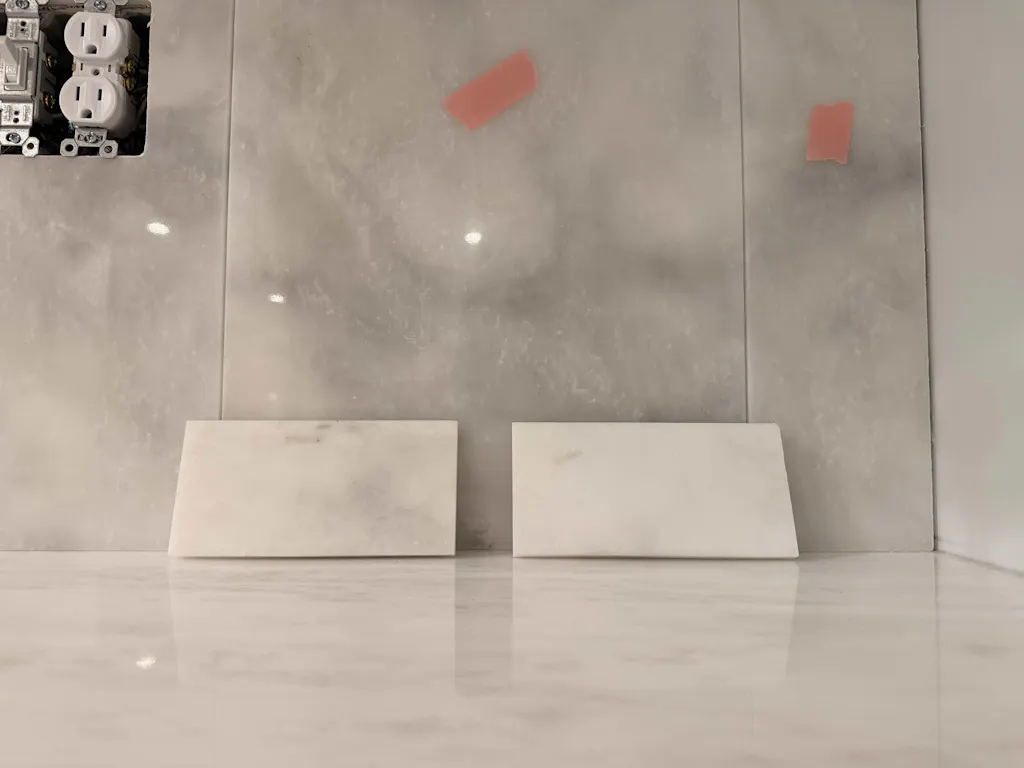

Leave a comment