
Why natural stone is the best choice for living rooms

Most living room floors look the same within five years. Laminate fades, vinyl scuffs, and carpet traps everything from pet dander to last year’s spilled wine. Natural stone is different. Each slab is a one-of-a-kind piece formed over millions of years, and it only gets better with age. This guide walks you through the design advantages, durability data, investment returns, maintenance realities, and sustainability credentials that make natural stone the smartest flooring decision you can make for your living room.
Table of Contents
- What makes natural stone stand out in living rooms?
- Durability, longevity, and everyday resilience
- Investment, value, and property impact
- Maintenance, comfort, and healthy living
- Sustainability and eco-friendly renovation choices
- Expert tips: Selecting the perfect stone and finish
- Elevate your living room with premium stone solutions
- Frequently asked questions
Key Takeaways
| Point | Details |
|---|---|
| Timeless design impact | Natural stone gives a unique, authentic look that stands out versus synthetics. |
| Exceptional durability | Stone can last 50-100 years or more, far outpacing most alternatives. |
| Long-term value | Natural stone increases property value and recoups up to 100 percent of your investment. |
| Low maintenance | With the right care and sealing, stone is easy to clean and supports healthy living. |
| Eco-friendly choice | Stone is natural, sustainable, and supports green building goals over its long lifespan. |
What makes natural stone stand out in living rooms?
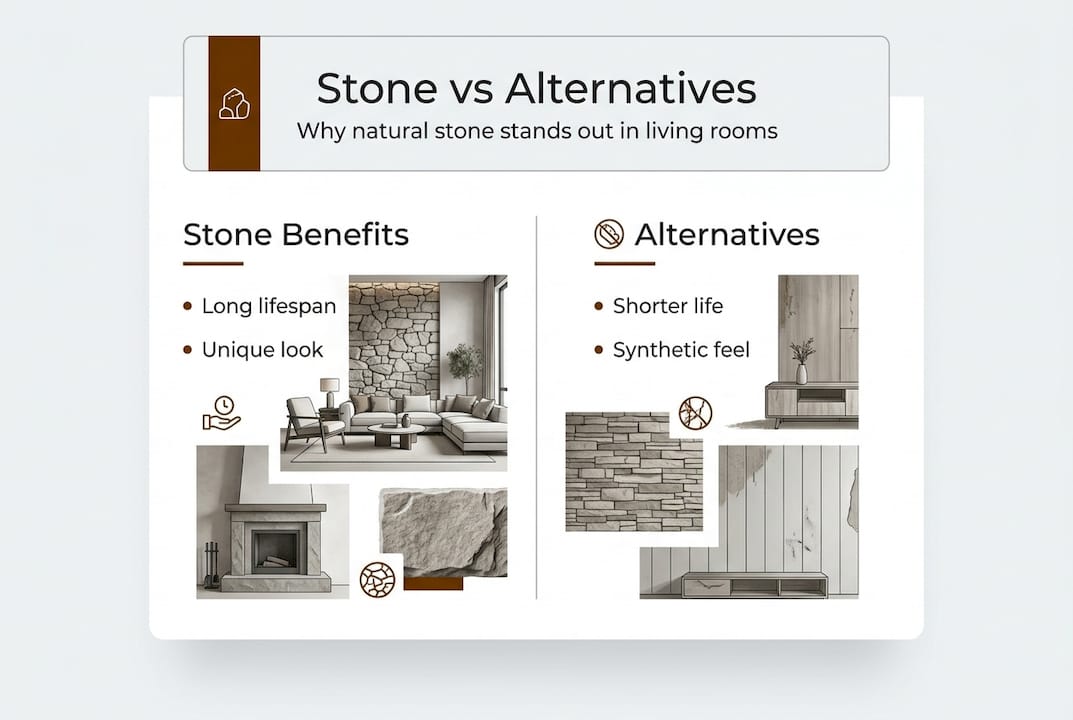
Walk into any room with natural stone floors and you feel it immediately. There is a depth and warmth that no synthetic material can replicate. Natural stone flooring provides timeless aesthetic appeal with unique patterns, textures, and variations that genuinely elevate living room design. No two tiles are identical, which means your floor is, by definition, exclusive.
Synthetics try to mimic this look, but the result is always a pattern that repeats. Natural stone develops a patina over time and works beautifully across modern, rustic, and classic styles. That versatility is rare. A honed limestone pairs just as naturally with mid-century furniture as it does with a farmhouse aesthetic.
Stone also plays well with other materials. Pair it with wood accents, metal fixtures, or woven textiles and it anchors the room without competing. If you are still exploring options, our guide on selecting natural stone breaks down the decision by room type and lifestyle. For color direction, our resource on marble color choices is a great starting point.
“Natural stone brings something no factory can manufacture: geological history, organic variation, and a surface that tells a story. That is why it remains the gold standard in luxury interiors.” — Interior design industry consensus
Natural stone is also why stone is trending across every design category right now, from boutique hotels to family homes.
| Feature | Natural stone | Laminate | Vinyl | Engineered stone |
|---|---|---|---|---|
| Appearance depth | Exceptional | Moderate | Low | Moderate |
| Patina development | Yes, improves with age | No | No | No |
| Resale value impact | High | Low | Low | Moderate |
| Unique per tile | Yes | No | No | No |
Durability, longevity, and everyday resilience
Style matters, but so does how a floor holds up to real life. Here is where natural stone truly separates itself from the competition.
Stone floors last 50 to 100+ years with proper care. Granite and slate rank among the hardest flooring materials available, and granite scores 6 to 7 on the Mohs hardness scale, with historic examples still in use after centuries. Carpet, by contrast, typically needs full replacement every 10 to 15 years.
| Flooring type | Average lifespan |
|---|---|
| Natural stone | 50 to 100+ years |
| Hardwood | 25 to 50 years |
| Engineered wood | 20 to 30 years |
| Carpet | 10 to 15 years |
| Laminate | 10 to 20 years |
For best durable stone options, granite and slate consistently top the rankings for high-traffic living areas. Our tile installation tips cover how proper installation directly affects how long your stone floor lasts.
Here is how to extend the life of your stone floor:
- Seal on schedule. Apply a penetrating sealer every one to three years depending on stone type and foot traffic.
- Clean daily with a dry mop. Dust and grit are the biggest enemies of a polished surface.
- Use pH-neutral cleaners only. Acidic or alkaline products etch the surface over time.
- Place felt pads under furniture. Heavy legs dragged across stone create micro-scratches that dull the finish.
- Address spills immediately. Even sealed stone can absorb liquids if left sitting.
Investment, value, and property impact
Beyond everyday toughness, natural stone has a big-picture benefit: it is an investment in your home’s value.
Natural stone increases property value due to its premium, sought-after appeal and long-term return. Appraisers recognize it. Buyers notice it. And the numbers back it up: natural stone recoups 70 to 100% of cost at resale, making it one of the few home upgrades that genuinely pays you back.
High-end buyers actively seek stone floors. In competitive real estate markets, a living room with marble or travertine can be the detail that closes a sale faster. Our guide on marble floors for value goes deeper on which stone types deliver the strongest return.
Beyond resale, here is how stone pays off every single day:
- Immediate enjoyment. You live with a beautiful, premium surface from day one.
- Long life means fewer replacements. No ripping out carpet every decade.
- Design flexibility. Neutral stone works with any future furniture or decor update.
- Reduced allergen load. No fibers to trap dust, pollen, or pet dander.
- Lower long-term cost. Spread the upfront investment over 50+ years and the math is compelling.
Pro Tip: Choose neutral tones like ivory, warm gray, or classic white for maximum resale appeal. Bold, rare patterns are stunning but can limit your buyer pool if you ever sell.
Maintenance, comfort, and healthy living
The benefits grow when you account for comfort and maintenance, which are key for real-world usability.
Stone is naturally hypoallergenic. Unlike carpet or textured vinyl, it has no fibers to trap allergens, mold spores, or odors. For households with allergy sufferers, this alone can be a game-changer. Low maintenance with proper sealing means easy daily cleaning and a healthier indoor environment.
Here is a simple maintenance routine that keeps stone looking its best:
- Daily: Dry mop or vacuum with a soft attachment to remove grit.
- Weekly: Damp mop with a pH-neutral stone cleaner diluted in warm water.
- Monthly: Inspect grout lines and spot-treat any staining.
- Annually: Deep clean and assess whether resealing is needed.
- Every 1 to 3 years: Apply a fresh coat of penetrating sealer. Seal every 1 to 3 years based on traffic and stone porosity.
“The secret to stone that looks new after 20 years is simple: seal it properly, clean it gently, and never use anything acidic on the surface.” — Stone care best practice
Stone also acts as a natural thermal regulator. It stays cool underfoot in summer and efficiently absorbs and radiates heat in winter, which pairs perfectly with underfloor heating systems. This thermal mass can even reduce air conditioning use during warmer months. For a deeper look at care terminology, our stone maintenance terminology guide explains every term you will encounter. You can also explore stone care and benefits for a broader overview.
Pro Tip: Always test your sealer in a hidden corner first. Different stones absorb sealers differently, and a small test patch saves you from an uneven finish across the whole floor.
Sustainability and eco-friendly renovation choices
With practical needs covered, many homeowners and designers then ask: is this material responsible for the planet? The answer is a clear yes.
Natural stone is eco-friendly and sustainable: it is a natural material, recyclable, requires minimal processing, and its long lifespan means far fewer replacements over a home’s lifetime. Compare that to vinyl, which is petroleum-based and ends up in landfill every decade or so.
Here are the key green benefits of choosing natural stone:
- Recyclable and reusable. Old stone tiles can be repurposed, resold, or used in landscaping.
- Minimal VOCs. No off-gassing of volatile organic compounds, unlike many synthetic flooring adhesives.
- Long lifespan reduces waste. One installation can last a century, eliminating multiple replacement cycles.
- Low chemical processing. Stone goes from quarry to tile with far less industrial intervention than synthetic alternatives.
- Quarry reclamation. Many modern quarries follow strict land restoration practices after extraction.
“Materials that last centuries are inherently sustainable. The most eco-friendly product is the one you never have to replace.”
The lasting appeal of natural materials in home design is not just aesthetic. It is a responsible, forward-thinking choice that aligns with how more homeowners and designers are approaching renovation in 2026.
Expert tips: Selecting the perfect stone and finish
Armed with reasons for choosing stone, here is how to make the smartest selection for your own living space.
Follow these steps to choose the right stone for your living room:
- Assess foot traffic. High-traffic rooms need harder stones like granite or slate. Lower-traffic spaces can handle the elegance of marble.
- Consider slip resistance. Travertine is non-slip and works well in homes with older adults or young children.
- Choose your finish based on mood. Honed and tumbled finishes create a calm, relaxed vibe. Polished finishes add visual drama and reflect light beautifully.
- Think about maintenance commitment. Polished marble is stunning but shows fingerprints and requires more frequent attention than a honed slate.
- Request physical samples. Colors look different under showroom lighting versus your actual living room light. Always test before you commit.
Pairing stone with area rugs is a smart move. Rugs add warmth underfoot, reduce sound, and give you a layer of design flexibility without covering your investment. Our stone types guide covers every major option in detail, and our ordering stone process walks you through exactly what to expect from first inquiry to final installation.
For more detail on stone finish details, that resource breaks down every surface treatment and what it means for daily life.
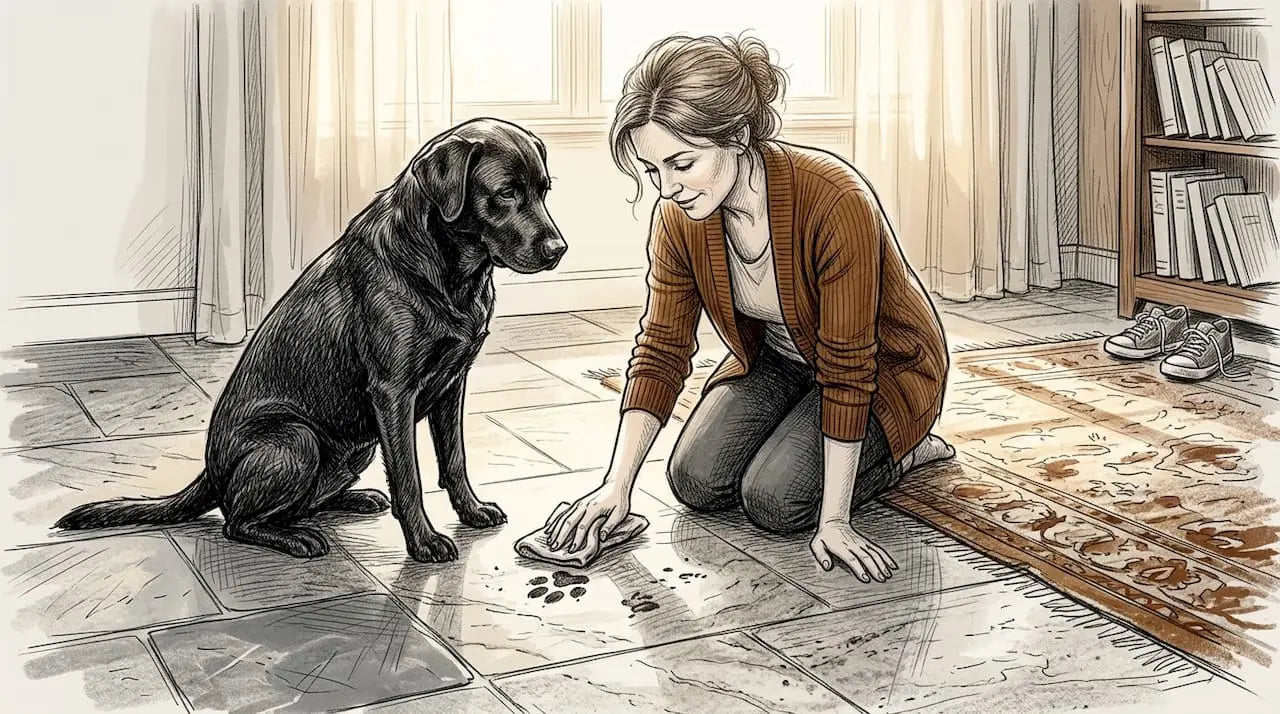
Pro Tip: In homes with kids or pets, skip soft marbles and go with granite or slate. You can always mix stone and porcelain in a hybrid layout to get the look of marble in lower-wear zones while keeping the tough stuff where it counts.
Elevate your living room with premium stone solutions
Ready to bring timeless natural stone into your living room? Here is where to start next.
At Surfaces Galore, we source premium marble, travertine, and natural stone tiles directly from the world’s finest quarries, shipping nationwide to homeowners, designers, and contractors across the country. Our team understands that choosing stone is a big decision, and we are here to make it easier.
Explore our full range of natural stone solutions to browse curated collections by style, color, and stone type. If you want personalized guidance before you buy, our design specialists are available to help you match the right stone to your specific living room layout, lighting, and lifestyle. You can also revisit our guide on learn more about selecting stone to sharpen your shortlist before reaching out. From first sample to final installation, we are with you every step of the way.
Frequently asked questions
Is natural stone expensive compared to other living room floors?
Natural stone has a higher upfront cost, but it recoups 70 to 100% of cost at resale and lasts decades longer than carpet or laminate, making it the better long-term value.
What types of natural stone are best for living rooms with kids or pets?
Granite, slate, and travertine are the top choices. Travertine is non-slip and granite and slate offer exceptional hardness for active households.
How often does natural stone need to be sealed?
Most stones need sealing every one to three years. Seal every 1 to 3 years based on stone type, porosity, and how much foot traffic the area receives.
Is underfloor heating compatible with natural stone?
Yes. Stone’s thermal regulation properties make it an ideal match for underfloor heating systems, holding and radiating warmth efficiently throughout the room.
Is natural stone environmentally friendly?
Absolutely. Natural stone is eco-friendly and sustainable, requiring minimal processing, producing no VOCs, and lasting long enough to eliminate multiple replacement cycles over a home’s lifetime.

Leave a comment