
Natural Stone Terminology: Clarity for Designers

Most American luxury projects rely on the precise language of natural stone to translate vision into world-class results. Yet even seasoned California designers know that subtle terminology shifts can alter everything from sourcing negotiations to final installation quality. With over 60 percent of communication breakdowns traced to material misclassification, mastering the specific vocabulary makes every renovation smoother and more profitable. This guide unpacks stone definitions, finish types, grading, and key installation terms that keep premium residential projects ahead.
Table of Contents
- Defining Natural Stone Terminology In Projects
- Finish Types And Texture Differences Explained
- Understanding Cuts, Edge Styles, And Sizing
- Recognizing Variation And Grading In Stone
- Installation Terms That Impact Results
Key Takeaways
| Point | Details |
|---|---|
| Understanding Natural Stone Terminology | Familiarize yourself with geological origins, commercial classifications, and design applications to make informed decisions on material choices. |
| Finish Types Impact Aesthetics and Functionality | Select finishes based on aesthetic intent and practical requirements, considering how they affect the stone’s interaction with light and usability. |
| Cuts and Edge Styles Influence Design | Choose appropriate stone cuts and edge profiles that align with the intended aesthetic and functional outcomes of your project. |
| Grading and Variation in Stone | Recognize that variation in natural stone is not a flaw but a design opportunity; select grades that meet your project’s visual and performance expectations. |
Defining Natural Stone Terminology in Projects
Natural stone terminology represents a complex language bridging scientific classification and commercial application. Dimension stone selections involve understanding precise technical specifications that transform raw geological materials into architectural elements. Designers working with natural stone must navigate nuanced definitions that distinguish between geological origin, commercial categorization, and practical project requirements.
Commercially, stone classification prioritizes performance and aesthetic characteristics over strict geological definitions. Natural stone groupings recognize nine primary categories including granite, marble, limestone, and slate, each with distinct behavioral characteristics important for architectural applications. These categories help professionals communicate expected material performance, durability, and visual properties more effectively than scientific mineral classifications.
Understanding natural stone terminology requires recognizing three critical dimensions: geological formation, commercial classification, and design application. Granite, for instance, emerges from volcanic processes but in design contexts gets evaluated by factors like color consistency, structural integrity, and surface finish. Marble similarly transforms from metamorphic rock into a design material through precise cutting, finishing, and quality control processes that determine its suitability for specific architectural environments.
Pro tip: Always request stone samples demonstrating full color range and variation before finalizing your design selection to understand the material’s true visual and performance characteristics.
Finish Types and Texture Differences Explained
Natural stone surfaces reveal their unique character through diverse finish types, each transforming raw material into a distinctive design element. Surface finish techniques describe the subtle variations that define a stone’s aesthetic and functional qualities, ranging from microscopic deviations to intentional textural treatments that dramatically alter appearance and performance.
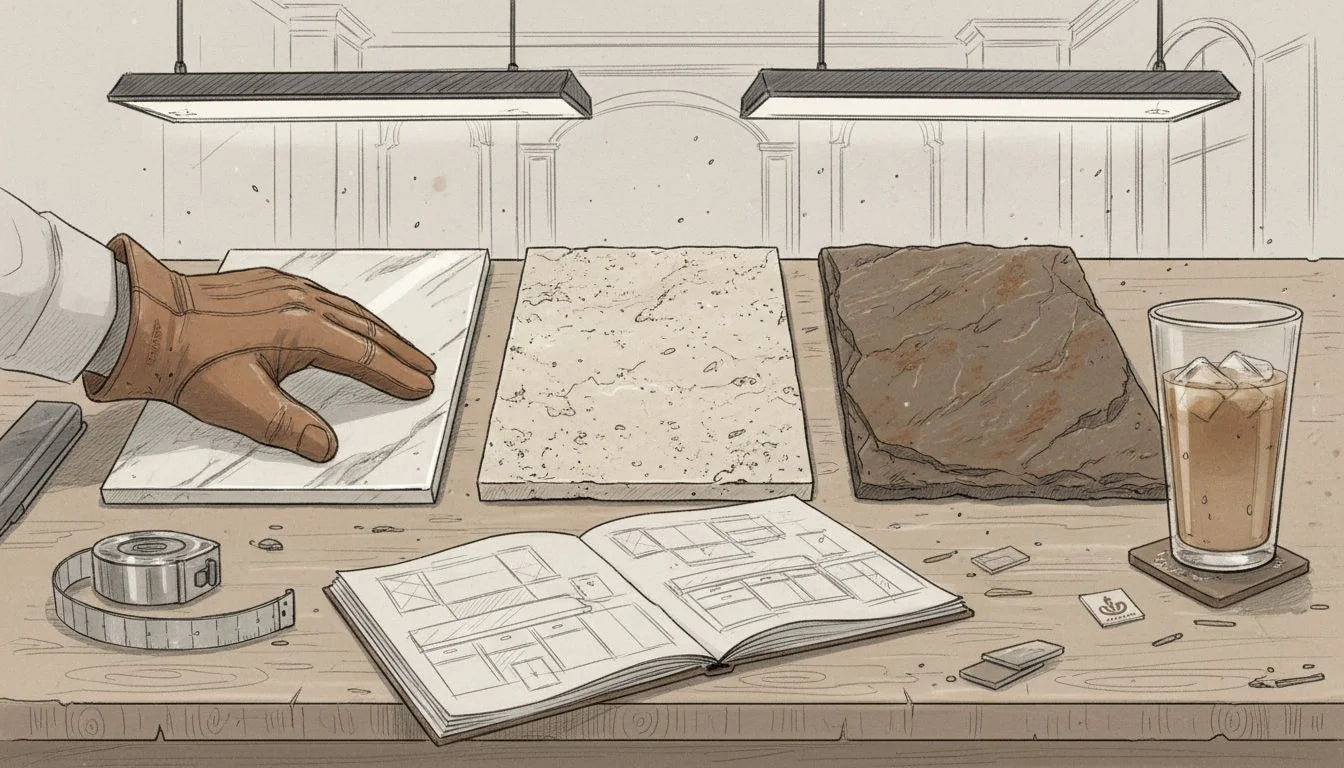
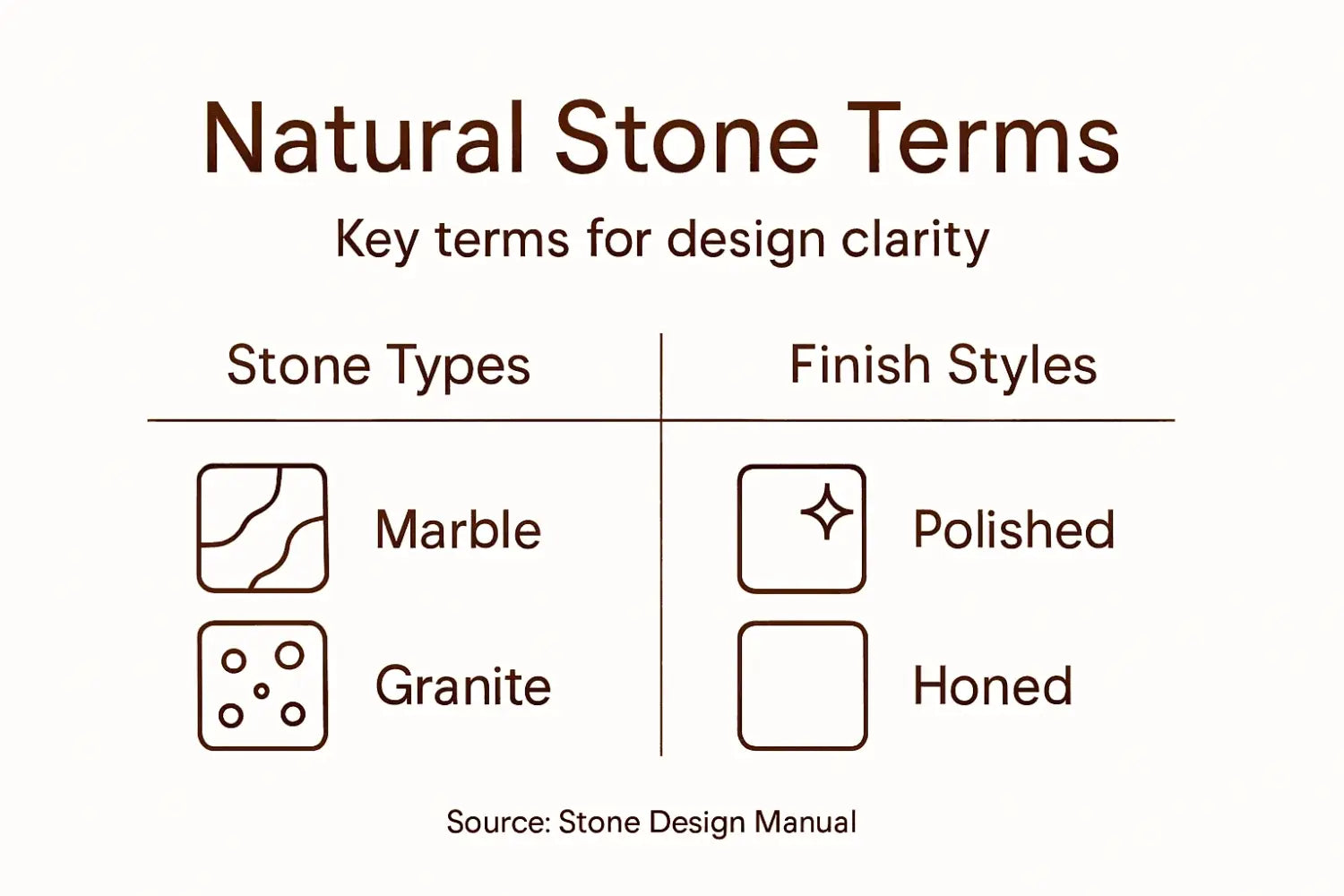
Stone finishes encompass several primary categories, each with specific visual and practical implications. Polished finishes create a highly reflective, smooth surface that highlights the stone’s inherent color and mineral patterns. Honed finishes provide a matte, soft appearance with minimal reflection, offering greater slip resistance. Textured finishes like brushed, sandblasted, and thermal treatments introduce more complex surface characteristics that can dramatically change a stone’s visual and tactile experience.
Natural Stone Design Manual guidelines recommend understanding finish selection through three critical lenses: aesthetic intent, functional requirements, and environmental context. Designers must consider factors like foot traffic, moisture exposure, and design style when choosing between reflective polished surfaces and more subtle textured finishes. Each treatment fundamentally transforms the stone’s interaction with light, touch, and surrounding architectural elements.
Pro tip: Always test stone finish samples under actual project lighting conditions to accurately assess how texture and reflection will perform in your specific design environment.
Here’s a summary of major natural stone finish types and their main impacts:
| Finish Type | Appearance Effect | Advantages |
|---|---|---|
| Polished | High gloss, vibrant color | Easy to clean, shows detail |
| Honed | Matte, soft look | Reduces glare, slip resistant |
| Brushed | Slightly textured, aged feel | Hides scratches, warm touch |
| Sandblasted | Uniform, gritty texture | Enhanced slip resistance |
| Thermal | Coarse, natural surface | Withstands outdoor conditions |
Understanding Cuts, Edge Styles, and Sizing
Natural stone cuts represent a complex intersection of artistic precision and technical engineering, transforming raw material into architectural elements with specific dimensional characteristics. Dimension stone criteria define the intricate process of selecting, cutting, and sizing stone to meet both aesthetic and functional design requirements.
Stone cutting techniques involve multiple approaches, each producing distinct visual and structural outcomes. Straight cuts create clean, uniform edges ideal for modern design contexts, while more complex edge profiles like bullnose, beveled, and ogee offer nuanced decorative possibilities. Different cutting methods such as sawing, water jet cutting, and hand tooling enable designers to achieve specific textures and shapes that complement architectural styles and project specifications.
Stone Sizing Guidelines emphasize the critical relationship between stone dimensions and installation performance. Designers must consider factors like material thickness, structural load, environmental conditions, and intended use when selecting stone cuts and sizes. Typical sizing tolerances range from minimal variations for precision applications to more flexible allowances for rustic or natural-edge designs, ensuring both visual harmony and structural integrity.
Pro tip: Always request detailed dimensional specifications and cutting samples before finalizing stone selections to understand exactly how the material will perform in your specific architectural context.
Compare key natural stone edge styles and typical uses:
| Edge Style | Visual Character | Common Applications |
|---|---|---|
| Straight | Clean, modern lines | Contemporary walls, floors |
| Bullnose | Rounded, soft edge | Stair treads, countertops |
| Beveled | Angled edge | Window sills, decorative trims |
| Ogee | S-shaped, ornate | Traditional kitchens, vanities |
Recognizing Variation and Grading in Stone
Natural stone represents a living material with inherent complexity, where variation becomes both a challenge and an aesthetic opportunity for design professionals. Stone grading principles provide essential frameworks for understanding and managing the intrinsic variability of natural materials, transforming potential visual inconsistencies into intentional design elements.
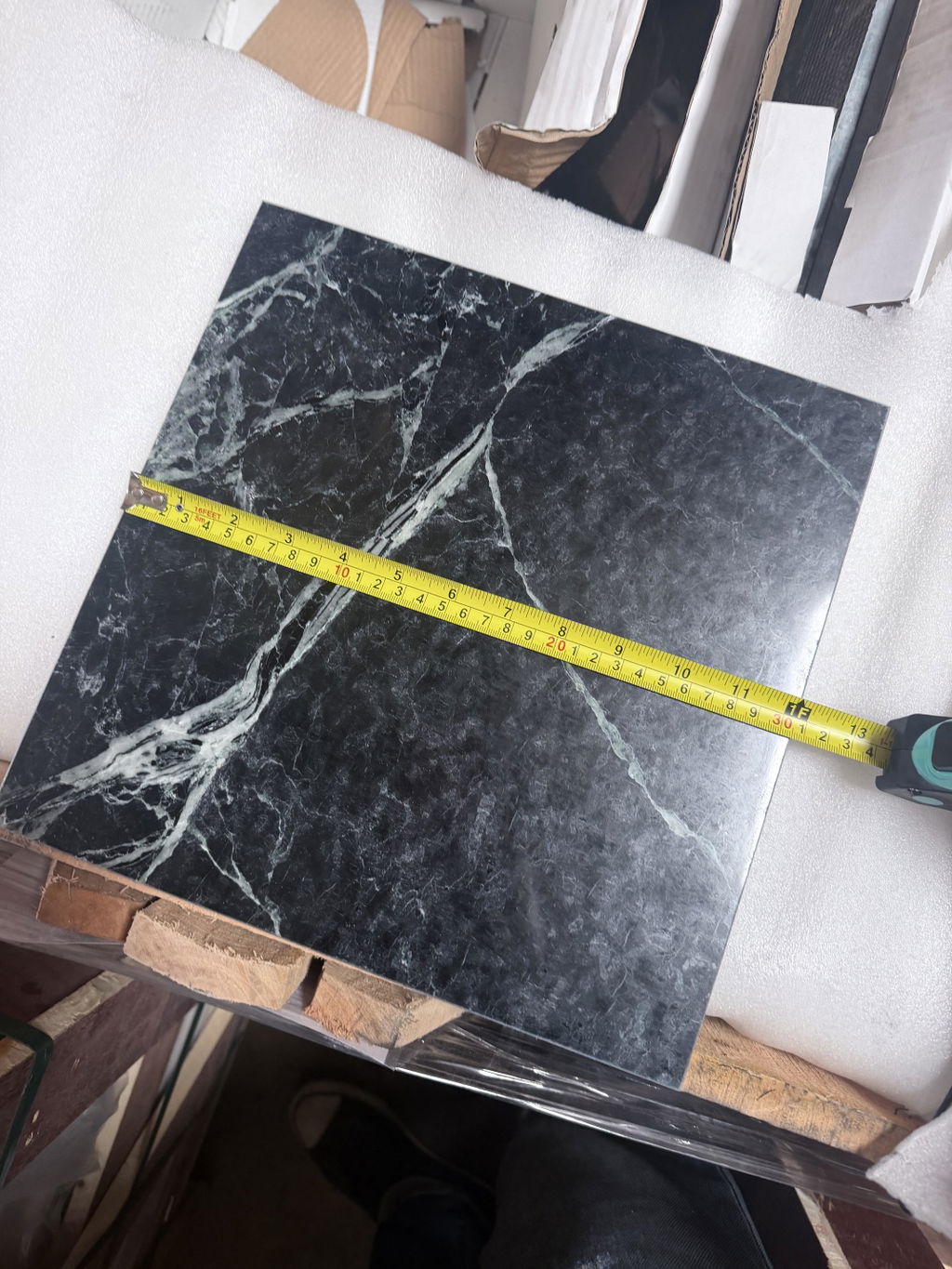
Commercial grading systems categorize stone based on multiple critical factors, including color consistency, pattern uniformity, structural integrity, and visual characteristics. Higher grade stones demonstrate more predictable color ranges and minimal structural variations, while lower grades embrace more dramatic natural variations. These grades help designers anticipate and specify stone performance, ensuring that visual expectations align with project requirements and aesthetic goals.
Dimension Stone Design Manual guidelines emphasize that stone variation is not a flaw but a fundamental characteristic of natural materials. Designers must develop a nuanced understanding of how veining, color gradients, and textural differences contribute to a stone’s unique identity. Effective specification involves selecting stones that complement project design intent while acknowledging and celebrating the material’s natural complexity.
Pro tip: Request multiple stone samples from different sections of the quarry to fully understand the potential range of variation before making final design selections.
Installation Terms That Impact Results
Installation terminology represents a critical language that bridges design intent with structural performance, translating architectural vision into precise technical execution. Dimension Stone Design Manual guidelines outline complex terminology that transforms abstract design concepts into tangible construction strategies, ensuring stone installations meet rigorous aesthetic and structural requirements.
Key installation terms encompass multiple critical aspects of stone placement and integration. Anchorage methods describe how stone elements connect to supporting structures, while substrate preparation defines the foundational surface treatment necessary for stable installations. Moisture control terminology addresses potential environmental challenges, explaining techniques to prevent water infiltration and potential material degradation. Joint types further refine installation precision, specifying how individual stone pieces interconnect to create seamless, structurally sound surfaces.
Stone Construction Best Practices emphasize understanding installation vocabulary as more than technical language. Terms like through stones, foundation lifts, and coping represent strategic design decisions that impact long-term performance. These nuanced terms communicate critical information about structural integrity, load distribution, and environmental resilience, enabling designers to specify installations that will withstand time and use with minimal maintenance.
Pro tip: Develop a collaborative glossary with your installation team to ensure precise communication and alignment between design specifications and practical implementation.
Elevate Your Designs with Clear Natural Stone Choices
Designers often face confusion around natural stone terminology and the many finish, cut, and grading options described in projects. Terms like polished versus honed finishes or bullnose edges can feel overwhelming when you want your vision to come to life without surprises. At Surfaces Galore, we understand that selecting authentic, durable stone with the right texture and variation is critical to achieving timeless beauty and lasting satisfaction.
Discover our premium marble and travertine collections that align perfectly with your design intent. Our carefully curated selections provide consistent quality, natural character, and clear cut specifications that simplify decision-making. Whether you need detailed samples to assess finish effects or want expert assistance selecting the perfect stone size and edge style Surfaces Galore supports you every step of the way.
Explore our full range of natural stone options today and transform your project with confidence.
Step into clarity and timeless elegance at Surfaces Galore.
Find your ideal stone finishes and textures now.
Ready to make your natural stone selection seamless and precise Visit Surfaces Galore to explore our quality marble and travertine collections and receive expert guidance tailored to your design goals. Let us help you turn complex natural stone terminology into beautiful real-world results.
Frequently Asked Questions
What are the main categories of natural stone?
Natural stone is typically classified into nine primary categories: granite, marble, limestone, slate, quartzite, sandstone, soapstone, travertine, and basalt. Each category has distinct properties that affect its performance and aesthetic appeal in design.
How do different stone finishes impact design?
Stone finishes such as polished, honed, brushed, sandblasted, and thermal can significantly alter the visual and functional qualities of the stone. For instance, polished finishes offer a glossy look and easy cleaning, while honed finishes provide better slip resistance and a softer appearance.
What factors should I consider when selecting a stone cut or edge style?
When selecting a stone cut or edge style, consider aesthetic preferences, structural requirements, and the environmental context of the installation. Different cuts and edge styles, like straight or bullnose, can enhance the overall design and usability of the stone in various applications.
How does stone grading affect my design choices?
Stone grading categorizes stones based on factors like color consistency and structural integrity. Higher-grade stones exhibit minimal variation, while lower grades embrace more natural differences. Understanding these grades helps ensure that your design aligns with expected performance and aesthetic standards.

Leave a comment