
Role of Color in Marble – Impact on Luxury Design

Most American high-end residential renovations feature marble with a stunning range of colors shaped by natural geological forces. For California designers and architects, understanding how color develops in marble means unlocking new possibilities in luxury interiors. Scientific research shows that mineral impurities and light dramatically influence marble’s visual impact and emotional effect. This guide reveals how thoughtful color selection elevates residential spaces, reflecting both aesthetic ambition and lifestyle needs.
Table of Contents
- How Marble Color Develops In Nature
- Color Variations: Uniqueness And Value
- Light, Finish, And Texture Effects On Color
- Connecting Marble Colors To Mood And Atmosphere
- Practical Impacts: Maintenance, Wear, And Lifestyle
Key Takeaways
| Point | Details |
|---|---|
| Marble Color Formation | Marble color is a result of metamorphic processes involving mineral impurities and geological conditions, particularly the presence of iron and manganese. |
| Symbolism and Value | The variations in marble color carry cultural significance and can enhance the aesthetic value of designs, making unique specimens highly sought after. |
| Lighting and Finish Impact | The appearance of marble is influenced by surface finish and lighting, which can dramatically alter color perception and overall visual impact. |
| Maintenance Considerations | Selecting marble involves assessing wear patterns and maintenance needs, as different colors and types exhibit varying durability and care requirements. |
How Marble Color Develops in Nature
Marble color emerges through a complex geological process involving heat, pressure, and mineral interactions that transform limestone into stunning natural stone. Metamorphic transformation of sedimentary rocks creates the unique chromatic variations we observe in different marble types, with each piece telling a geological story through its distinctive hues.
The development of marble color primarily depends on trace mineral impurities present during limestone’s metamorphic journey. Iron compounds play a particularly significant role in color generation. Redox processes and variations in oxidation states determine whether marble will display white, gray, green, red, or even multicolored patterns. These color variations stem from complex interactions between minerals like calcite, dolomite, and various metal oxides under extreme temperature and pressure conditions.
Scientific analysis reveals that color formation is not random but a precise result of geological conditions. Iron-bearing mineral species contribute dramatically to marble’s final appearance. For instance, higher concentrations of iron oxide can produce rich reddish tones, while manganese might introduce subtle purple or pink hues. The original sedimentary environment, including organic material content and mineral impurities, fundamentally influences the potential color palette of the resulting marble.
Pro Tip: When selecting marble, remember that its color tells a unique geological narrative - each vein and shade represents millions of years of natural transformation.
Here’s a quick comparison of how common marble colors are formed and their typical applications:
| Marble Color | Key Mineral Influences | Formation Conditions | Common Uses |
|---|---|---|---|
| White | Calcite, minimal impurities | Low iron content, high pressure | Sculptures, countertops |
| Red | Iron oxide, hematite | High iron, oxidizing environment | Flooring, feature walls |
| Green | Serpentine, chlorite | Magnesium-rich, metamorphic | Decorative panels |
| Black | Carbon, graphite, pyrite | Organic-rich, reducing conditions | Accent pieces, tabletops |
| Pink/Purple | Manganese, iron | Trace manganese, moderate oxidation | Luxury interiors |
Color Variations: Uniqueness and Value
Marble color variations represent far more than aesthetic diversity - they embody a complex narrative of geological transformation and cultural significance. Color classifications in marble have historically been integral to defining luxury and social status, with specific hues carrying profound symbolic meanings that extend beyond mere visual appeal.
Each marble color variation emerges as a unique fingerprint of its geological origin, with subtle nuances reflecting the precise mineral composition and environmental conditions of its formation. White marbles with delicate veining, rich crimson stones, and translucent green varieties each communicate a distinct aesthetic language. Designers and architects prize these variations because they transform surfaces from simple architectural elements into living, dynamic design statements that capture light, depth, and visual complexity.
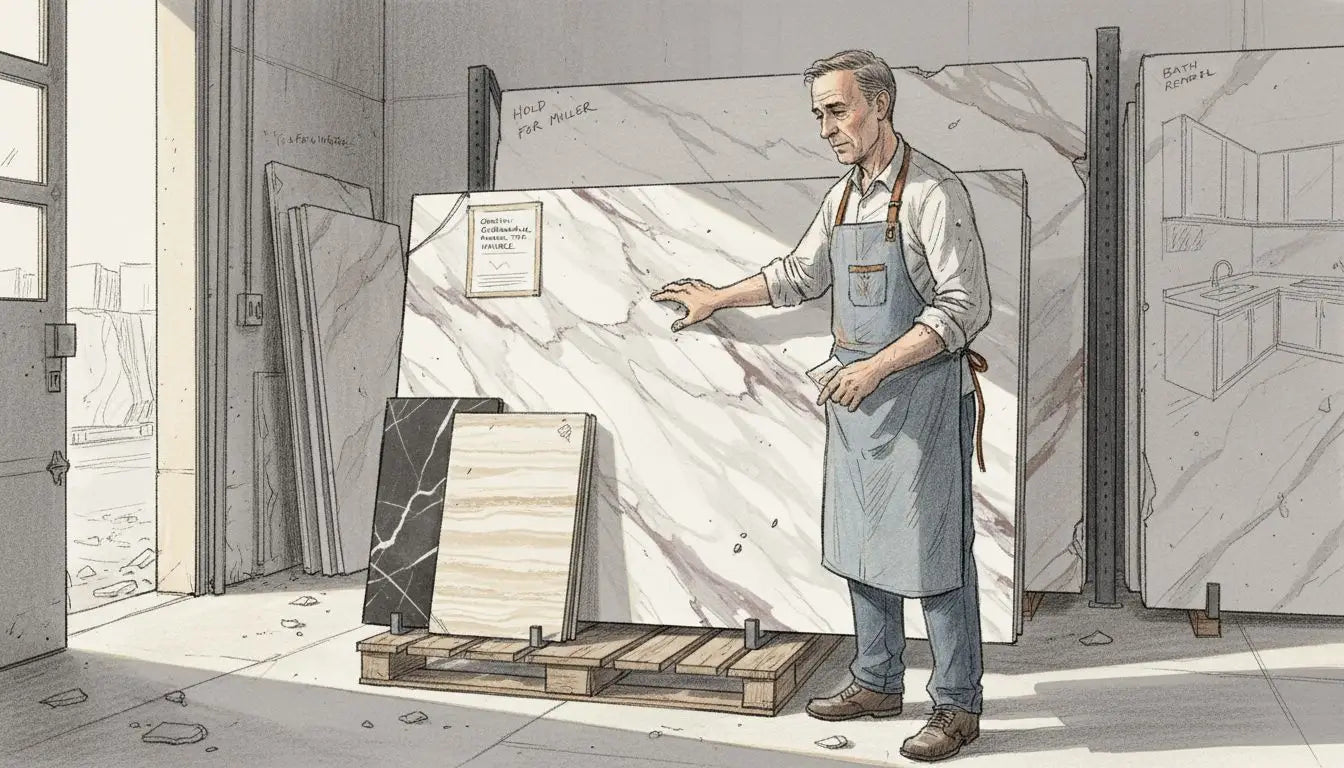
Symbolic significance of marble colors transcends pure aesthetics, connecting contemporary design with historical traditions of using natural stone as a form of artistic expression. The translucency, polish, and intricate color patterns contribute to marble’s perceived value, making certain variations exceptionally desirable in high-end architectural and interior design contexts. Rare color combinations can exponentially increase a marble’s worth, with collectors and designers seeking out unique specimens that tell a compelling visual story.
Pro Tip: When selecting marble, view color variations as an investment in storytelling - each stone carries a geological narrative that can transform your design from ordinary to extraordinary.
Light, Finish, and Texture Effects on Color
The visual drama of marble transcends its inherent color, with light, finish, and texture working together to create a dynamic sensory experience. Surface finish and marble perception reveal how subtle variations in polish and texture can dramatically transform the stone’s appearance, turning each piece into a living canvas that responds uniquely to its environment.
Marble’s interaction with light is a complex interplay of reflection, absorption, and translucency. Polished surfaces create a mirror-like effect that amplifies color intensity, while honed or textured finishes diffuse light, softening color and creating a more muted, organic appearance. Surface treatments fundamentally alter how we perceive marble’s color - a highly polished Carrara white will look dramatically different from the same stone with a leathered or brushed finish, demonstrating the profound impact of surface manipulation.
Marble’s light-bearing qualities extend beyond simple reflection, involving intricate interactions between the stone’s internal structure and surrounding light conditions. Designers can strategically use different finishes to enhance or subdue color characteristics, creating visual depth and emotional resonance. Translucent marbles, when carefully lit, can appear to glow from within, transforming spaces and revealing hidden layers of color and complexity that are invisible under standard lighting conditions.
Pro Tip: Always view marble samples under multiple lighting conditions and with different surface finishes to truly understand its dynamic color potential.
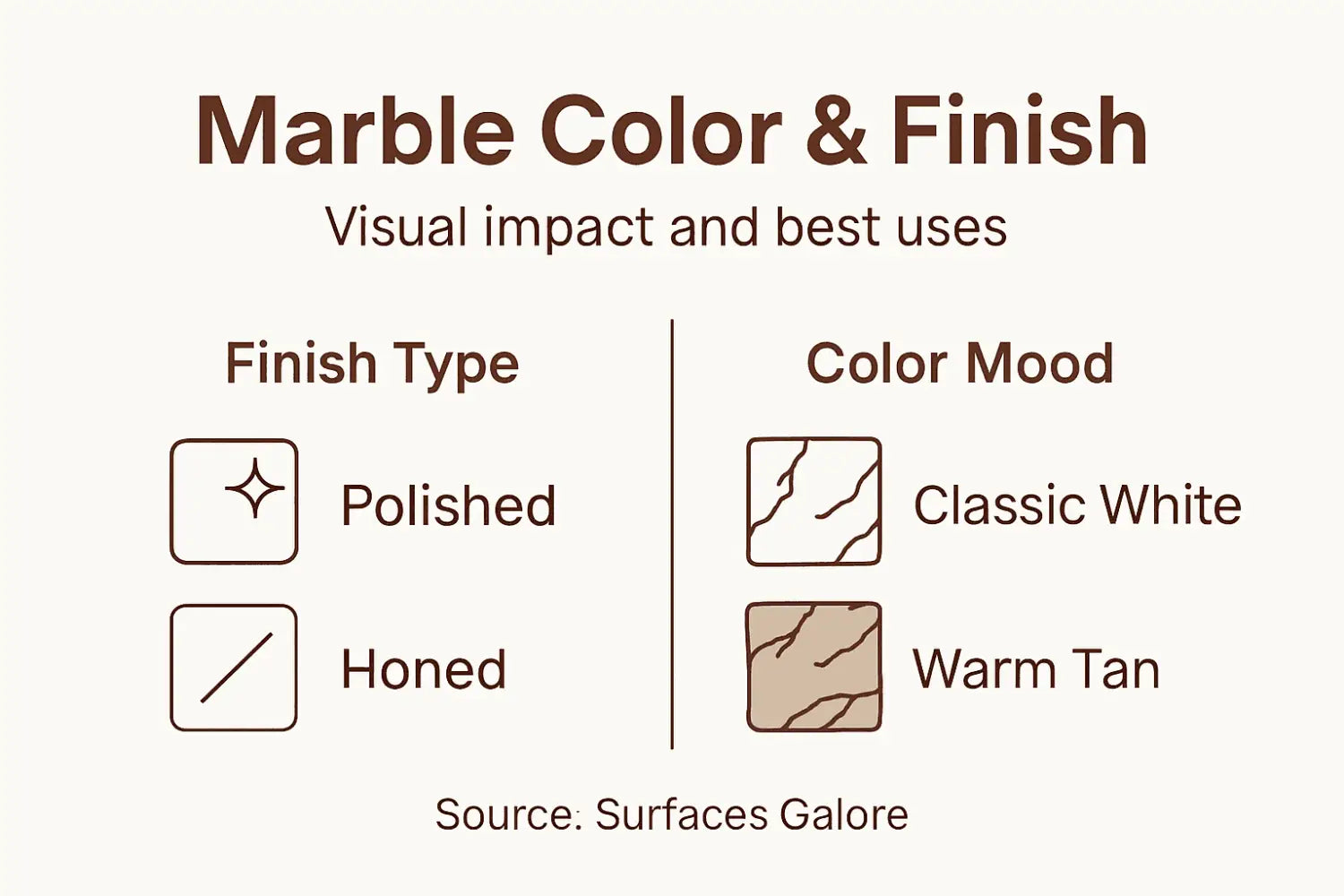
The table below highlights how finish and light interplay with marble’s color qualities:
| Finish Type | Light Effect | Color Perception | Best Applications |
|---|---|---|---|
| Polished | Reflective, bright | Intensifies and sharpens hues | High-impact surfaces |
| Honed | Soft, diffused | Mutes and blends colors | Bathrooms, low-glare areas |
| Textured | Absorbs/diffuses light | Softens visual contrast | Outdoor paths, rustic designs |
Connecting Marble Colors to Mood and Atmosphere
Marble colors are not merely visual elements but powerful psychological triggers that shape emotional experiences within a space. Color’s influence on emotional responses demonstrates how different marble hues can profoundly impact human perception and psychological state, transforming rooms from mere physical environments into emotionally resonant landscapes.
Warm-toned marbles like rich reds, golden honeys, and deep browns evoke feelings of energy, passion, and intimacy. These colors activate neural pathways associated with arousal and excitement, making them ideal for spaces designed to stimulate conversation or creative thinking. Conversely, cool marble tones - soft grays, subtle blues, and serene whites - promote calmness, reflection, and mental clarity, creating environments that feel tranquil and contemplative.
Marble’s emotional and symbolic qualities extend beyond simple color psychology, integrating cultural and historical meanings that add depth to spatial experiences. Translucent marble varieties, when strategically illuminated, can create ethereal atmospheres that transcend traditional color associations. The stone’s inherent ability to interact with light allows designers to craft nuanced emotional landscapes, where color becomes a dynamic, living element that responds and adapts to changing environmental conditions.
Pro Tip: Select marble colors intentionally by considering the emotional journey you want to create in a space, understanding that each stone tells a unique psychological story.
Practical Impacts: Maintenance, Wear, and Lifestyle
Marble selection extends far beyond aesthetic considerations, demanding careful evaluation of its performance under real-world conditions. Marble’s abrasion resistance plays a critical role in determining its suitability for different lifestyle environments, with varying performance characteristics that directly impact long-term maintenance and durability.
Different marble colors and varieties exhibit unique wear patterns that can significantly influence maintenance requirements. Lighter marbles tend to show scratches and stains more prominently, requiring more frequent and meticulous care, while darker stones can better conceal minor imperfections. Surface hardness and porosity vary across marble types, affecting their resistance to daily wear, making some varieties more suitable for high-traffic areas like kitchen countertops or commercial spaces compared to more delicate installations.
Environmental factors affecting marble deterioration reveal the complex relationship between stone selection and lifestyle maintenance. Factors such as humidity, temperature fluctuations, cleaning practices, and exposure to potential staining agents can dramatically impact marble’s longevity. Homeowners and designers must consider not just the immediate visual appeal, but the stone’s long-term performance, understanding that each marble variety demands a tailored approach to preservation and care.
Pro Tip: Always request a maintenance demonstration and detailed care instructions specific to your chosen marble variety before making a final installation decision.
Elevate Your Space with Marble That Tells a Story
Choosing the right marble color can be a challenge when you want to balance natural beauty with lasting durability. This article highlights how marble’s color develops through minerals and environmental forces over millions of years. You might face questions about matching color variations with your design vision while ensuring your marble fits your lifestyle needs for maintenance and durability. Understanding terms like oxidation states and surface finish effects can help make your choice more meaningful and informed.
At Surfaces Galore, we specialize in offering premium natural stone that brings these unique geological stories directly into your projects. Our extensive selection features authentic marble and travertine tiles and decorative pieces that capture the rich color variations and textures described in the article. We understand that every shade and finish carries emotional and practical value which is why we provide expert guidance so you can select stones that not only inspire but stand the test of time.
Explore our collection today and see the natural elegance that makes your design truly extraordinary.
Discover your perfect marble match at Surfaces Galore now.
Transform your spaces with marble that speaks volumes about luxury and nature. Visit Surfaces Galore to start your journey toward timeless beauty and sophisticated style.
Frequently Asked Questions
How do minerals affect the color of marble?
The color of marble is influenced by trace mineral impurities during its metamorphic process, with iron compounds being particularly significant. Variations in oxidation states and mineral interactions can lead to a wide range of hues.
What are the common applications for different marble colors?
Different marble colors have distinct applications: white marble is often used for sculptures and countertops; red marble is favored for flooring and feature walls; green marble is utilized in decorative panels; black marble suits accent pieces and tabletops; and pink or purple marble is popular in luxury interiors.
How does the finish of marble affect its color appearance?
The finish of marble dramatically affects its color perception. A polished finish enhances color intensity with a reflective quality, while honed and textured finishes soften hues and create a more muted appearance, making it ideal for various design applications.
How can the color of marble influence the mood of a space?
Marble colors have psychological effects, where warm tones evoke energy and passion, making them suitable for social spaces, while cool tones promote calmness and reflection, creating tranquil environments. Selecting marble colors intentionally can shape the emotional atmosphere of a space.

Leave a comment