

The Best Cleaner for Travertine: Keeping Your Floors Sparkling

Travertine floors add a touch of natural elegance to any home. Keeping them looking their best, however, requires the right approach. If you're wondering about the best cleaner for travertine, this guide will help you maintain that beautiful, timeless look. We'll cover what to use and what to avoid, ensuring your floors stay sparkling for years to come. Proper care is key to preserving the unique charm and durability of your natural stone.
Key Takeaways
- Always use a pH-neutral cleaner specifically designed for natural stone. Harsh chemicals can damage travertine.
- Regularly sealing your travertine floors is important to protect them from stains and moisture.
- A damp sponge or mop is usually sufficient for daily cleaning. Avoid excessive water.
- For grout maintenance, a grout float is used to apply and smooth grout into the joints.
- A notched trowel is essential for applying thinset mortar evenly when installing tiles.
- Thinset mortar is the adhesive used to fix travertine tiles to the subfloor.
- Grout fills the spaces between travertine tiles, adding stability and a finished look.
- A diamond blade on a wet saw is needed for cutting travertine tiles cleanly and safely.
1. pH-neutral cleaner
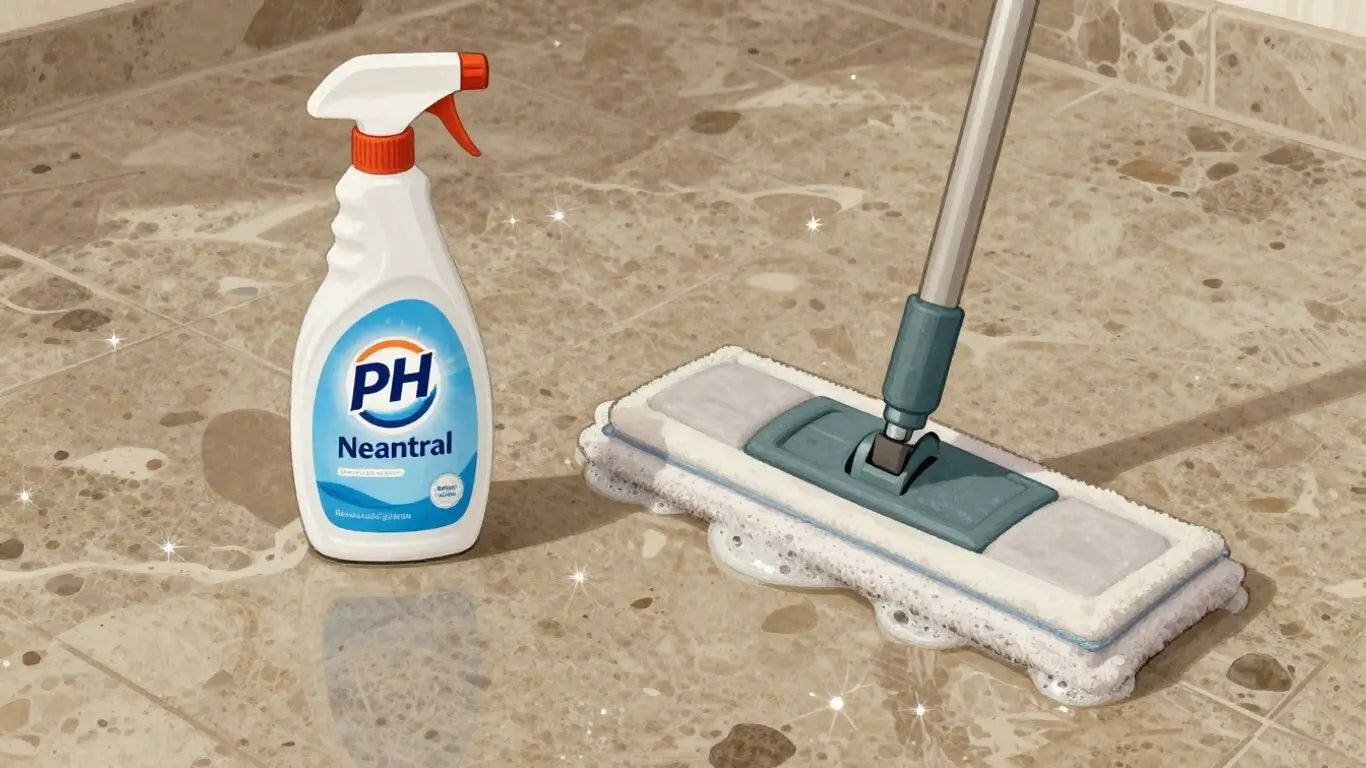
When it comes to keeping your beautiful travertine floors looking their best, the cleaner you use makes all the difference. Travertine, a natural stone, has a unique composition that requires gentle care. Harsh chemicals or acidic cleaners can etch the surface, dulling its natural luster and potentially causing permanent damage. That's why opting for a pH-neutral cleaner is not just a recommendation; it's a necessity for preserving the stone's integrity and beauty.
Think of it like this: you wouldn't use a harsh scrub brush on delicate silk, right? Travertine deserves the same consideration. A pH-neutral cleaner works by effectively lifting dirt and grime without stripping away the stone's natural oils or compromising its sealant. This means your floors stay cleaner for longer, and you avoid the costly repairs that come from using the wrong products.
Choosing the right cleaner is the first step to maintaining that showroom shine.
We've seen countless cases where homeowners experienced dulling or etching on their travertine floors simply because they used a standard household cleaner. One client, after installing stunning Ivory Travertine tiles, noticed a significant loss of shine within months. A quick switch to a dedicated pH-neutral stone cleaner, followed by proper sealing, brought back the original brilliance. Another customer, who had opted for a tumbled travertine patio, found that acidic rain combined with a harsh cleaning agent had dulled the rustic charm. Regular cleaning with a pH-neutral solution and resealing restored its appeal.
Here’s why it’s so important:
- Preserves the Sealant: Travertine is often sealed to protect it from stains. pH-neutral cleaners won't break down this protective layer.
- Prevents Etching: Acidic or alkaline cleaners can react with the calcium carbonate in travertine, causing surface damage that looks like dull spots.
- Maintains Natural Beauty: Gentle cleaning allows the stone's natural color and texture to shine through, just as intended.
- Cost-Effective: While you might be tempted by cheaper, all-purpose cleaners, the long-term cost of repairing damaged travertine far outweighs the investment in a specialized cleaner.
When you're looking to buy marble tiles online in the USA, or any natural stone for that matter, remember that maintenance is key. A good pH-neutral cleaner is your best ally in this endeavor. It’s a small change that yields significant results, keeping your floors looking as magnificent as the day they were installed. For those seeking the timeless elegance of travertine, like our popular Ivory Travertine or rich Noce Travertine collections, this simple step is non-negotiable for long-term beauty.
2. Stone sealer
Travertine is a beautiful natural stone, but it's also porous. This means it can absorb liquids, leading to stains and damage if not protected. That's where a quality stone sealer comes in. Think of it as a vital shield for your gorgeous travertine floors.
Applying a sealer is a non-negotiable step for maintaining the pristine look of your travertine. It creates a barrier that helps repel spills, dirt, and moisture, making cleaning much easier and preventing unsightly marks.
Why Sealing Matters:
- Stain Prevention: A good sealer significantly reduces the chance of permanent stains from common culprits like wine, oil, or coffee. You'll have more time to clean up spills before they soak in.
- Moisture Protection: It helps prevent water from penetrating the stone, which is especially important in bathrooms or kitchens.
- Easier Maintenance: Sealed travertine is simpler to clean. Dirt and grime have a harder time adhering to the surface.
- Preserves Natural Beauty: Sealers can enhance the natural color and depth of the travertine, giving it a richer appearance without altering its character.
Choosing the Right Sealer:
Look for sealers specifically designed for natural stone, particularly travertine. Many are water-based and penetrate the stone without leaving a film on the surface. Some sealers might slightly darken the stone, giving it a 'wet look,' while others maintain the original color. Always check the product description to see the effect it will have.
Application Tips:
- Clean Thoroughly: Ensure your travertine is completely clean and dry before applying any sealer.
- Follow Instructions: Read and follow the manufacturer's instructions precisely. Application methods can vary.
- Apply Evenly: Use a clean applicator (like a microfiber cloth or a sprayer) to apply a thin, even coat. Avoid puddling.
- Allow Curing Time: Let the sealer cure for the recommended time before allowing foot traffic or placing furniture back.
Case Study: The Kitchen Countertop Catastrophe Averted
Sarah, a homeowner in Texas, recently installed stunning Ivory Travertine tiles in her kitchen. A week after installation, a glass of red wine tipped over. Panicked, she grabbed paper towels. Thanks to the high-quality penetrating sealer she had applied just days before, the wine beaded up on the surface. A quick wipe, and there was no stain! Without that sealer, her beautiful new countertop could have been permanently marred. This is a prime example of how proactive sealing saves your investment.
Case Study: The Patio Transformation
Mark wanted to create an inviting outdoor living space with Noce Travertine pavers. He knew outdoor elements could be harsh. After laying the pavers, he applied a robust outdoor-grade sealer. Months later, his patio still looks as good as new, resisting water spots from sprinklers and resisting dirt tracked in from the garden. His neighbors, who had similar patios installed without sealing, were already dealing with discoloration and mildew.
Ready to protect your investment? When you're looking to buy marble tiles online in the USA or seeking the perfect travertine for your project, remember that sealing is key. We offer a range of top-tier sealers that work beautifully with all our natural stone products. Don't let spills and stains ruin your beautiful floors – seal them right from the start!
3. Damp sponge
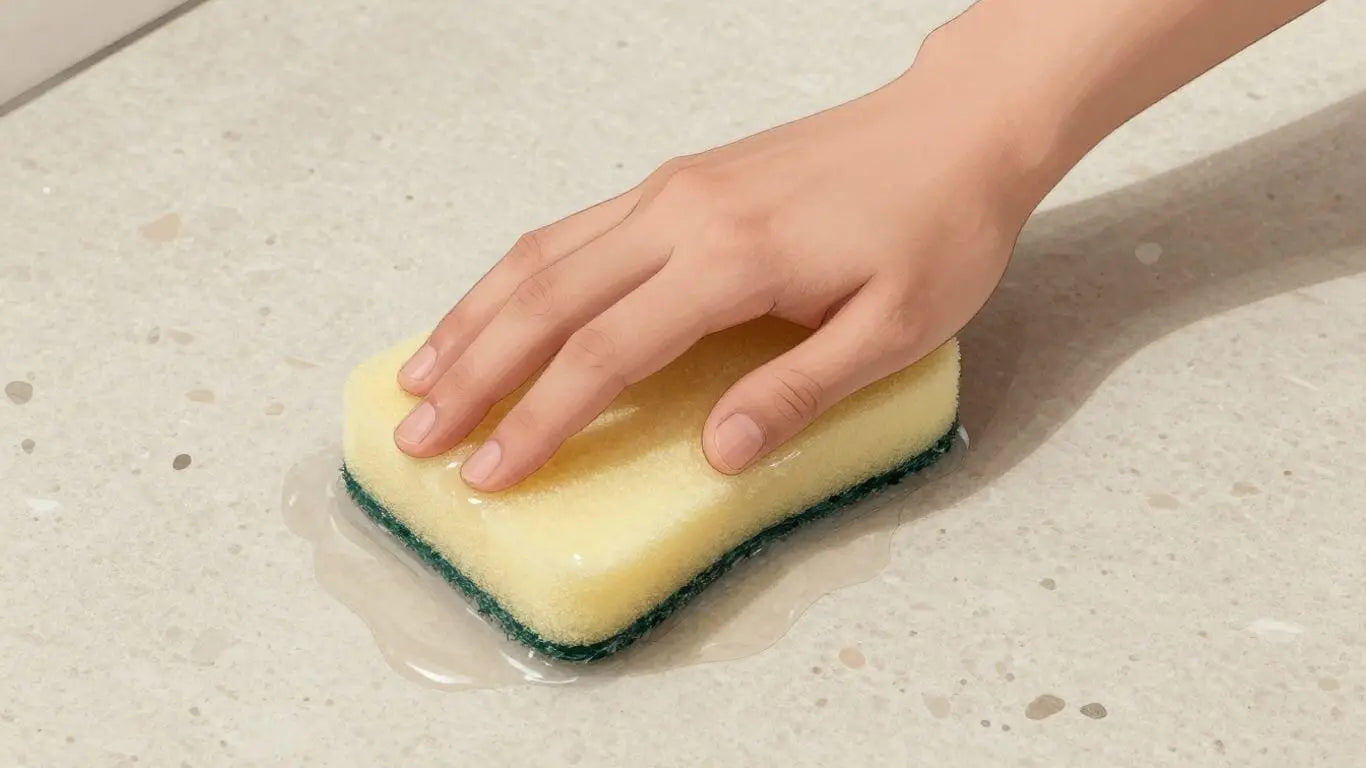
When it comes to cleaning your beautiful travertine floors, sometimes the simplest tools are the most effective. Forget harsh chemicals or complicated gadgets. For everyday spills and light cleaning, a damp sponge is your best friend. It's gentle, it's effective, and it's readily available.
Think of it as a spa treatment for your stone. You want to lift away dust and light grime without scrubbing away the natural beauty or the sealer. A slightly damp sponge glides over the surface, picking up what needs to go and leaving the travertine looking its best. It’s perfect for those little messes that happen daily. For a deeper clean, you can use a pH-neutral cleaner with your damp sponge, but for quick touch-ups, water alone often does the trick.
This is the go-to method for maintaining that pristine look between more thorough cleanings.
Case Study: The Miller Residence
The Millers, known for their immaculate home in Scottsdale, Arizona, faced a common challenge: keeping their extensive travertine flooring looking showroom-ready with two young children and a dog. They initially tried various commercial cleaners, some of which left streaks or dulled the finish. After consulting with a stone care specialist, they adopted a routine using a damp sponge for daily upkeep. They found that by wiping down high-traffic areas with a damp sponge after meals and playtime, they significantly reduced the need for deep cleaning and avoided the harsh chemicals that could damage the stone's sealer. Their floors have maintained their natural luster for over five years, a testament to the power of simple, consistent care.
Why a Damp Sponge Works Wonders:
- Gentle Action: It cleans without scratching or etching the delicate surface of travertine.
- Moisture Control: Damp, not wet, prevents excess water from seeping into the stone or grout lines.
- Eco-Friendly: Reduces the need for chemical cleaners, making it a greener choice.
- Cost-Effective: Sponges are inexpensive and readily available.
For those looking to buy marble tiles online USA or explore other natural stone options, remember that proper maintenance is key. A simple tool like a damp sponge is an investment in the longevity and beauty of your chosen stone. If you're considering upgrading your home with stunning travertine tiles, remember that Surfaces Galore offers a wide selection to suit any style. Explore their collections and pair them with the right cleaning tools for a lasting, beautiful finish.
4. Grout float
When it comes to grouting your beautiful travertine floors, the grout float is your best friend. This isn't just any tool; it's designed to get that grout into every nook and cranny, ensuring a solid, seamless finish. Think of it as the final, critical step in making your stone look truly professional.
A grout float is essential for evenly spreading grout and pressing it firmly into the joints between your tiles. Using the right technique with your float prevents air pockets and ensures the grout bonds well with the stone. This is key for the longevity and appearance of your floor. For instance, a client in Scottsdale, Arizona, used a standard putty knife to apply grout, resulting in uneven coverage and visible gaps. After redoing the job with a proper grout float, the difference was night and day – a smooth, consistent finish that highlighted the natural beauty of their buy marble tiles online USA installation.
Here’s why it’s a must-have:
- Even Application: The flexible rubber or polyurethane surface conforms to the tile, pushing grout into the joints without scraping the tile surface.
- Efficient Coverage: It allows you to cover a larger area quickly, making the grouting process much more manageable.
- Professional Finish: Proper use leads to clean grout lines and a polished look that truly showcases your stone.
Remember to clean your grout float thoroughly after each use. Proper care means it will serve you well for many projects to come. If you're looking for durable and elegant travertine tiles, exploring options like the Malibu Travertine or the Mixed (Ivory-Noce-Gold) Travertine from Surfaces Galore can provide a stunning foundation for your grouting work.
5. Notched trowel
When you're laying down travertine or marble tiles, getting the adhesive just right is key. That's where a notched trowel comes in. It's not just any tool; it's the secret to a strong, lasting bond.
Think of it like this: you need to spread your thin-set mortar evenly. A notched trowel does exactly that. It combs the mortar into uniform ridges, creating the perfect surface for your tiles to grip onto. This means no more hollow spots under your beautiful stone.
Using the right size notched trowel is critical for proper tile adhesion. For larger floor tiles, like many travertine options, a 12mm notched trowel is often recommended. This ensures you get enough adhesive coverage without it drying out too quickly.
Here’s a quick rundown on why it’s so important:
- Even Coverage: Creates consistent ridges of mortar for full tile contact.
- Strong Bond: Prevents weak spots and ensures your tiles stay put.
- Professional Finish: Helps achieve a level installation by providing a uniform adhesive bed.
Case Study: The Miller Residence
The Millers wanted a stunning travertine floor for their entryway. They opted for a beautiful Ivory Travertine tile. Initially, they tried spreading the mortar with a flat edge, which led to uneven coverage and some tiles feeling loose. After switching to a 12mm notched trowel, they saw an immediate difference. The mortar spread perfectly, and each tile set with a satisfying 'thunk,' indicating a solid bond. Their entryway now looks professionally done, a testament to using the right tools.
Don't underestimate this simple tool. It’s a small investment that makes a huge difference in the quality and longevity of your travertine installation. If you're looking to buy marble tiles online in the USA, remember to pair them with the right trowel for a flawless finish. Buy marble tiles online USA.
6. Thinset mortar
When laying down travertine or marble tiles, the right adhesive is key. You'll want to use a high-quality thin-set mortar specifically made for natural stone. This isn't just any old glue; it's a cement-based adhesive that provides a strong, lasting bond. For lighter colored stones, like some of the beautiful Ivory Travertine tiles, it's best to use a white thin-set mortar. This prevents any gray color from showing through and discoloring your elegant stone. Always mix it according to the manufacturer's directions. You'll spread it onto the subfloor using a notched trowel, holding it at a 45-degree angle to create those perfect ridges. This ensures even coverage and a solid foundation for your tiles. A good bond is critical, so check the back of a few tiles occasionally to make sure the mortar is sticking well. This step is vital for a floor that lasts. If you're looking to buy marble tiles online in the USA, make sure the recommended thin-set is compatible.
Case Study: The Miller Residence
The Millers wanted a timeless kitchen backsplash using their new Antico Onyx Travertine tiles. They opted for a white thin-set mortar to maintain the stone's natural warmth. After carefully applying it with a notched trowel and setting the tiles, they reported a "rock-solid" installation with no hollow spots. The backsplash has held up beautifully, resisting grease and moisture thanks to the strong bond created by the proper thin-set.
Case Study: The Chen Project
For a luxurious bathroom floor, the Chens chose a mix of Ivory and Noce Travertine tiles. They used a high-quality thin-set mortar, ensuring it was white to complement the lighter ivory tones. They followed the application steps precisely, checking for full coverage. The result? A stunning, durable floor that has remained flawless for over two years, proving the importance of the right adhesive.
Using the correct thin-set mortar is not just about sticking tiles down; it's about creating a permanent, stable foundation that respects the natural beauty and integrity of your stone. It's an investment in the longevity and appearance of your floor.
7. Grout
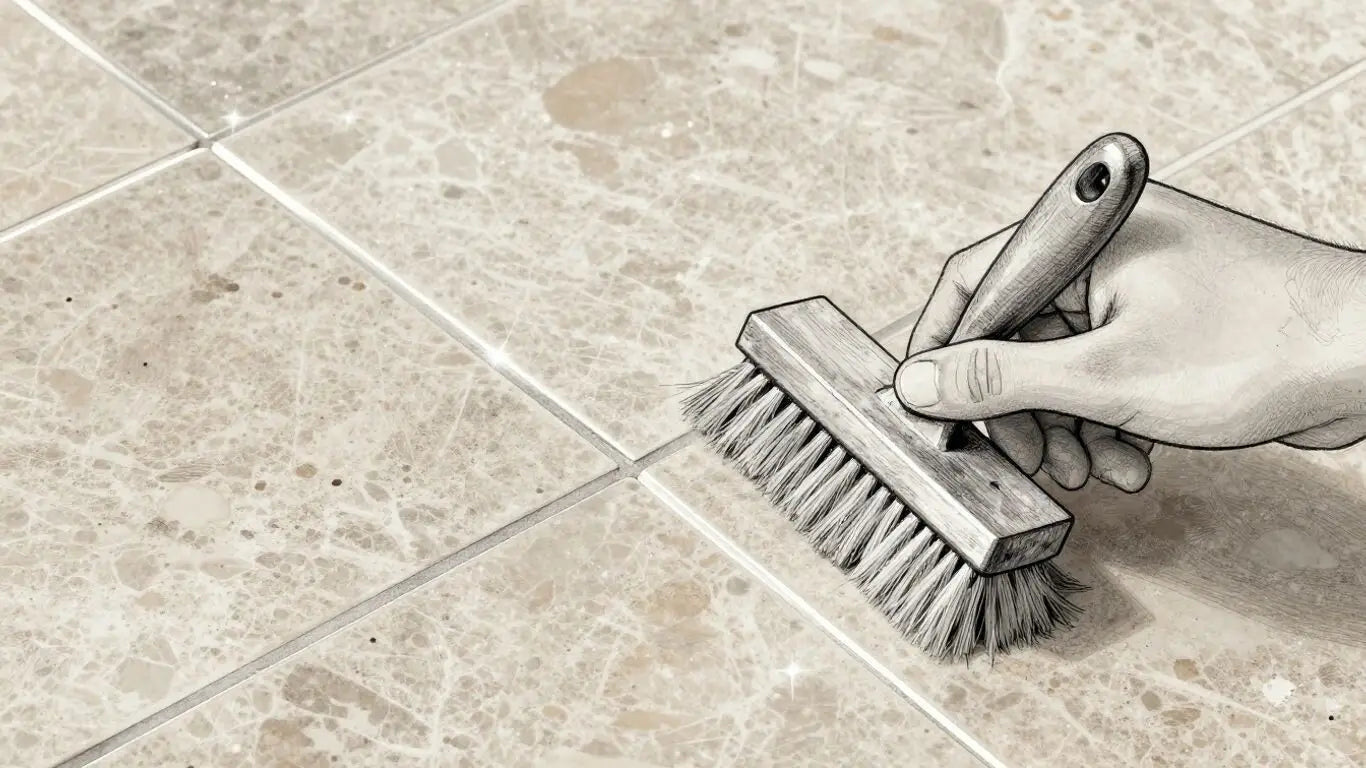
Grout is the unsung hero of your travertine floor. It’s not just about filling the gaps; it’s about completing the look and protecting your investment. When you're installing travertine, the right grout makes all the difference. It needs to complement the natural beauty of the stone, not compete with it. Think of it as the frame for a masterpiece.
Choosing the right grout color is key. A color that's too dark can make the floor look busy, while one that's too light might not offer enough contrast. For travertine, subtle, earthy tones often work best. You want a grout that enhances the natural pits and variations of the stone, creating a cohesive and elegant finish.
When it comes to application, precision is important. You'll want to use a grout float to press the grout into the joints, working diagonally across the tiles. This ensures a full, even fill. After applying, use a damp sponge to carefully wipe away excess grout from the tile surface. Be gentle, though – you don't want to pull the grout out of the newly filled joints.
Proper grouting is essential for both aesthetics and the longevity of your travertine installation. It prevents dirt and moisture from seeping into the subfloor, which can cause damage over time.
Case Study 1: The Rustic Retreat
A homeowner wanted to create a warm, inviting atmosphere in their country kitchen. They chose a tumbled travertine tile for its natural, worn look. For the grout, they opted for a light beige color that blended seamlessly with the travertine's earthy tones. The result was a floor that looked like it had been there for decades, exuding rustic charm and warmth.
Case Study 2: The Modern Marvel
Another client aimed for a sleek, contemporary feel in their entryway. They selected a honed and filled travertine with clean lines. A neutral, almost white grout was used to create a minimalist look, making the travertine tiles appear almost seamless. This approach highlighted the stone's subtle variations and gave the space a sophisticated, uncluttered appearance.
Remember, the grout is the finishing touch that ties everything together. Selecting and applying it correctly will ensure your travertine floors not only look stunning but also stand the test of time. If you're looking to buy marble tiles online in the USA, consider how the grout will interact with your chosen stone to achieve your desired aesthetic. Buy marble tiles for your next project.
8. Diamond blade
When working with travertine, precision is key. For those intricate cuts or fitting tiles around obstacles, a diamond blade is your best friend. This isn't your average saw blade; it's specifically designed to handle the hardness of natural stone without chipping or damaging your beautiful tiles. Think of it as a surgeon's scalpel for your flooring project.
A high-quality diamond blade ensures clean, straight cuts every time. This is especially important for a professional look, preventing jagged edges that can detract from the overall aesthetic. Whether you're a seasoned DIYer or a professional installer, having the right blade makes all the difference. It allows you to tackle complex layouts and custom designs with confidence. You can find excellent options, like the Avanti Pro 3-pack of 4.5-inch turbo diamond blades, perfect for fast and smooth cutting of various stone types. For granite, the SHOXX GX13 offers exceptional speed and minimal vibration, ensuring a smooth finish. When you're ready to buy marble tiles online in the USA, remember that the right cutting tools are just as important as the tiles themselves.
Using a diamond blade correctly is simple but requires attention. Always ensure the blade is compatible with your saw and that the water feed is functioning properly to keep the blade cool and reduce dust. Cut slowly and steadily – rushing the process is a common mistake that leads to chips. This careful approach guarantees that your beautiful travertine tiles are cut precisely to fit your space perfectly.
Investing in a quality diamond blade isn't just about making cuts; it's about preserving the integrity and beauty of your natural stone. It's a small tool that delivers big results for a flawless installation.
9. Leveling clips
When you're aiming for that perfectly flat, professional-looking travertine floor, leveling clips are your secret weapon. These small but mighty tools are designed to eliminate "lippage," which is that annoying unevenness where one tile sits higher than its neighbor. For a smooth, seamless finish, especially with larger format tiles, they're a game-changer. You'll find them in various tile installation systems, working to ensure each piece sits flush with the next. They are key to achieving a high-end look that feels as good as it looks.
Think about it: you've invested in beautiful travertine tiles, maybe some elegant Ivory Travertine or striking Exotic Noce Travertine, and you want the installation to showcase their natural beauty. Uneven tiles can catch light strangely, make cleaning a hassle, and frankly, just detract from the overall aesthetic. Leveling clips help prevent this by holding tiles at a consistent height while the mortar sets. This is especially important for natural stone, which can sometimes have slight variations in thickness.
Case Study: The Grand Foyer Project
A client was installing large format Ivory Travertine tiles in their grand foyer. They were concerned about achieving a perfectly level surface, as the area would see heavy foot traffic. Using a standard installation method, they noticed some slight lippage developing as the tiles set. After a quick consultation, they decided to implement a leveling clip system for the remaining tiles. The difference was immediate. The new sections were noticeably flatter, and the final result was a stunning, cohesive floor that looked professionally installed, eliminating any tripping hazards and enhancing the natural elegance of the stone. They later mentioned how glad they were they decided to buy marble tiles online USA for a different project and used leveling clips there too, achieving similar flawless results.
- Consistency is Key: Leveling clips ensure a uniform tile height across the entire floor.
- Preventing Lippage: They actively combat uneven tile edges, creating a safer and more aesthetically pleasing surface.
- Ease of Installation: Many systems are designed for straightforward use, making the process more manageable.
Before you begin the grouting process, remember to remove all tile spacers or leveling system clips. This ensures a clean finish and proper grout adhesion. For those looking to buy marble tiles online USA, consider pairing them with a reliable leveling system for a truly superior installation.
10. Tile spacers
When you're laying down those beautiful travertine tiles, consistency is key. That's where tile spacers come in. These small but mighty tools are your secret weapon for achieving perfectly uniform grout lines. Without them, you risk uneven gaps that can make even the most stunning natural stone installation look a bit haphazard.
Think of tile spacers as the invisible guides that ensure a professional, polished finish. They come in various sizes, allowing you to dictate the width of your grout joints. For travertine, a common choice is a 1/16-inch or 1/8-inch spacer, which creates a tight, elegant look that really lets the stone's natural beauty shine.
Using them is straightforward. You simply place a spacer at each corner where four tiles will meet. As you lay each tile, the spacers hold it in place, maintaining that precise distance from its neighbors. Once the adhesive has set and you're ready to grout, you just pull out the spacers. It’s that simple!
Case Study: The Miller Residence
The Millers wanted a sophisticated, spa-like bathroom. They chose a beautiful Ivory Travertine tile. Initially, they considered skipping spacers to save time, but a quick dry-lay revealed how uneven the gaps would be. After purchasing a pack of 1/16-inch spacers, they meticulously placed one at each corner. The result? A flawlessly uniform grid that made the travertine look even more luxurious. "We were amazed at the difference such a small item made," Mrs. Miller commented. "It truly looked like a professional job."
Case Study: Downtown Loft Project
A commercial developer was installing Silver Travertine in a high-traffic lobby. They needed a clean, modern look. Using 1/8-inch spacers ensured consistent lines that complemented the stone's sleek appearance. This attention to detail prevented any 'lippage' (uneven tile edges) and created a smooth, continuous surface that impressed clients and visitors alike. The project manager noted, "The spacers were inexpensive, but they were absolutely critical to achieving the high-end finish we were aiming for."
Don't underestimate the power of these little plastic helpers. They are a small investment that pays huge dividends in the final appearance of your travertine floor. If you're looking to buy marble tiles online USA or any other natural stone, remember to add tile spacers to your cart for a truly impeccable installation.
When laying tiles, those little plastic pieces called tile spacers are super important. They make sure your tiles have the perfect, even gaps between them. This not only looks great but also helps prevent cracks later on. Want to see the best tile options for your next project? Visit our website today!
Keeping Your Travertine Beautiful
So, we've talked about how to keep your travertine floors looking their best. It's not too complicated, really. Just remember to use the right cleaners – nothing too harsh. A pH-neutral cleaner is usually the way to go. And don't forget to seal your travertine periodically; that really helps protect it from spills and stains. By taking these simple steps, you can make sure your beautiful travertine floors stay looking great for years to come. If you're looking for top-quality travertine for your home, Surfaces Galore has a wide selection to choose from, and they can help you find just what you need.
Frequently Asked Questions
What is the best type of cleaner to use on travertine floors?
For travertine floors, it is best to use a cleaner that is pH-neutral. This means it is not too acidic or too alkaline. Harsh chemicals can damage the stone, so a gentle cleaner is always recommended to keep your travertine looking its best.
Why is a pH-neutral cleaner important for travertine?
Travertine is a natural stone that can be sensitive to certain cleaning agents. A pH-neutral cleaner is gentle and won't etch or dull the surface of your travertine. Using the wrong cleaner can cause permanent damage, so sticking to pH-neutral options is key for maintaining its natural beauty.
How often should I clean my travertine floors?
You should clean your travertine floors regularly, depending on how much traffic they get. For everyday cleaning, a quick sweep or vacuum is good. For a deeper clean, a pH-neutral cleaner can be used weekly or bi-weekly. It's always a good idea to wipe up spills immediately to prevent stains.
Can I use a regular household cleaner on travertine?
It is generally not advised to use regular household cleaners on travertine. Many contain strong chemicals like ammonia or bleach, which can harm the stone's surface. Always check the label to ensure a cleaner is safe for natural stone and specifically pH-neutral.
What is a stone sealer and why is it important for travertine?
A stone sealer is a protective liquid that is applied to porous natural stones like travertine. It helps to prevent stains and moisture from penetrating the stone. Sealing your travertine regularly, as recommended by the manufacturer, is crucial for its longevity and to maintain its appearance.
How do I apply a stone sealer to my travertine floors?
Applying a stone sealer usually involves cleaning the floor thoroughly and ensuring it's completely dry. Then, you apply the sealer evenly using a recommended applicator, like a lamb's wool applicator or a clean cloth. It's important to follow the specific product's instructions for application and drying times.
What should I do if I spill something on my travertine floor?
If you spill something on your travertine floor, it's important to clean it up immediately. Blot the spill gently with a clean cloth or paper towel. Avoid rubbing, as this can spread the spill. For sticky or colored spills, use a little water and your pH-neutral cleaner.
Can I use a steam cleaner on travertine?
Using a steam cleaner on travertine is generally not recommended. The high heat and moisture can potentially damage the sealant and even the stone itself over time. Gentle cleaning methods are always preferred for natural stone.
What is grout, and why is it important in travertine installations?
Grout is the material used to fill the spaces between tiles. For travertine, grout helps to stabilize the tiles and prevents dirt and moisture from getting underneath. Keeping the grout clean and sealed is just as important as caring for the travertine itself.
How do I clean the grout lines in my travertine floor?
Grout lines can be cleaned using a soft brush and your pH-neutral cleaner. For tougher stains, a specialized grout cleaner might be needed, but always test it in an inconspicuous area first. Ensure the grout is sealed to make cleaning easier.
What are 'leveling clips' and are they used for travertine installation?
Leveling clips are tools used during the installation of tiles, including travertine. They help ensure that each tile is at the same height as its neighbors, preventing unevenness or 'lippage.' This creates a smooth, flat surface, which is especially important for busy areas.
What is a 'notched trowel' used for with travertine?
A notched trowel is used to spread the adhesive, known as thinset mortar, evenly onto the subfloor before laying travertine tiles. The notches create ridges in the mortar, which helps to ensure good coverage and a strong bond between the tile and the floor.
Leave a comment