

Top luxury tile choices for upscale kitchens and baths

TL;DR:
- Choosing the right luxury tile depends on understanding performance criteria like water absorption, PEI rating, and climate suitability to ensure durability and aesthetic appeal. Porcelain offers exceptional strength and design versatility for wet and outdoor areas, while natural stone adds timeless elegance but requires higher maintenance. Successful high-end renovations rely on precise installation practices and strategic material combinations for lasting beauty.
Choosing tile for a high-end kitchen or bathroom renovation is one of the decisions that separates a truly impressive space from one that just looks expensive at first glance. The top luxury tile choices have to deliver on multiple fronts at once: they need to hold up against daily moisture, foot traffic, and cleaning chemicals while looking like they belong in an editorial spread. The wrong call here costs you far more than money. It costs you a redo. This article breaks down what actually matters when evaluating premium tile materials, walks through the strongest luxury tile options available today, and gives you a clear framework for making the right call for your specific space.
Table of Contents
- Criteria for choosing luxury tiles in kitchens and bathrooms
- Porcelain tiles: durability and design versatility
- Ceramic tiles: artisan beauty and cost-effective luxury
- Marble and travertine: timeless natural stone elegance
- Comparing top luxury tiles for performance and style
- Choosing the right luxury tile for your kitchen and bathroom
- Why conventional luxury tile choices often miss the mark
- Discover premium natural stone tiles at Surfaces Galore
- Frequently asked questions
Key Takeaways
| Point | Details |
|---|---|
| Water absorption critical | Low water absorption in tiles prevents moisture damage, especially in wet kitchens and bathrooms. |
| Porcelain excels in durability | Porcelain tiles offer superior wear resistance and frost protection compared to ceramic. |
| Ceramic offers design variety | Ceramic tiles provide extensive color and pattern options great for decorative accents. |
| Natural stone demands care | Marble and travertine require regular sealing and gentle cleaning to maintain luxury appeal. |
| Proper installation matters | Installation quality, especially with artisanal tiles like zellige, is vital for longevity and beauty. |
Criteria for choosing luxury tiles in kitchens and bathrooms
Before you fall in love with a tile’s appearance, you need to understand what the material is actually made of and how it will perform under real conditions. A tile that photographs beautifully but cracks after one hard winter or grows mold behind a shower wall is not a luxury product. It is an expensive mistake.
Here are the core criteria to evaluate before committing to any tile:
- Water absorption rate: This is the single most important technical spec for wet areas. Lower absorption reduces moisture-driven problems like mold growth, substrate damage, and tile failure. Look for tiles rated at or below 0.5% water absorption for showers and kitchen floors.
- PEI rating: The Porcelain Enamel Institute (PEI) scale rates tiles from 0 to 5 based on wear resistance. High-traffic kitchen floors need a PEI rating of 4 or higher. Decorative wall tiles can sit at 1 or 2.
- Aesthetic format and size: Large-format tiles minimize grout lines and create a cleaner, more upscale look. Smaller mosaic formats add artisan texture and visual detail. The choice depends on your design intent and the scale of the space.
- Maintenance commitment: Some materials, like natural stone, require periodic sealing and pH-sensitive cleaning products. Others, like glazed porcelain, need little more than a regular wipe-down. Be honest about how much ongoing care you will actually commit to.
- Climate and freeze-thaw exposure: If any tile extends to outdoor areas, patios, or cold climates, frost resistance becomes non-negotiable. Not all luxury materials handle temperature swings equally.
Learning the tile picking essentials before you shop will save you from costly regrets after installation. Having established why tile choice matters, let’s explore the top luxury tile types in detail.
Porcelain tiles: durability and design versatility
Porcelain is the workhorse of luxury tile. It looks refined, performs under pressure, and does not ask much from you after installation. What makes it truly stand out in upscale applications is its density. Porcelain has very low water absorption of under 0.5%, making it frost-proof and abrasion-resistant in wet, high-traffic areas. That combination is rare in tile materials.
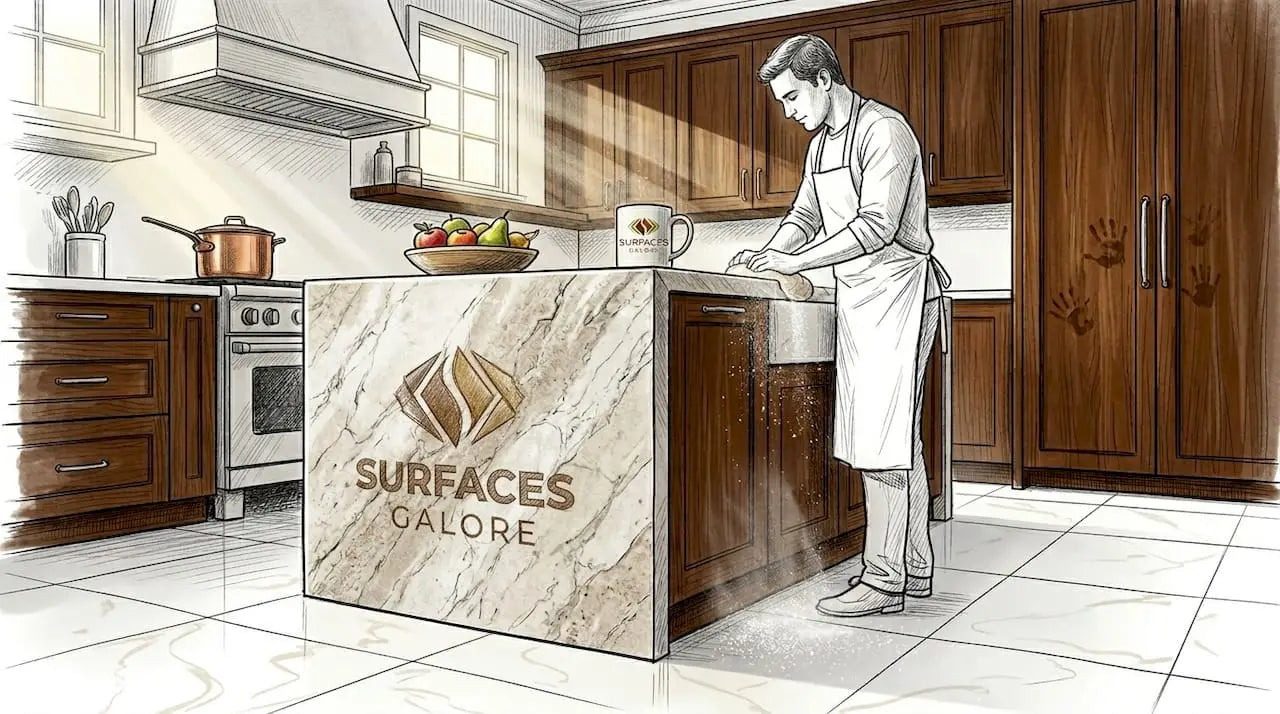
In practical terms, this means porcelain holds up in kitchen floors that see daily spills, steam, and foot traffic. It thrives on shower walls and floors where moisture is constant. And because it is fired at higher temperatures than ceramic, the color and pattern run through the body of the tile rather than sitting only on a surface glaze. A chip on a porcelain tile is far less noticeable than on ceramic.
The design evolution of porcelain in recent years has been significant. Large-format porcelain slabs offer seamless, frost-proof surfaces that are ideal for luxury applications. Slabs running 48 inches or longer can cover an entire shower wall without a single grout joint, creating a look that feels closer to a custom stone installation than a tiled surface. Collections now mimic Calacatta marble, warm travertine, bleached wood, and raw concrete with impressive accuracy.
Key advantages of porcelain for luxury spaces:
- Water absorption under 0.5% (classified as impervious by ANSI standards)
- PEI ratings of 4 to 5 for floor-suitable applications
- Available in large-format slabs that reduce grout and simplify maintenance
- Frost-proof for use in outdoor extensions or cold-climate installations
- Wide design range including realistic stone, wood, and minimalist concrete looks
Pro Tip: When specifying large-format porcelain for a bathroom floor, ask your installer about rectified tiles. Rectified tiles are precision-cut to exact dimensions after firing, allowing for tighter grout joints of 1/16 inch or less. That detail alone elevates the finished look considerably.
| Feature | Porcelain | Ceramic |
|---|---|---|
| Water absorption | Under 0.5% | 0.5% to 3% |
| PEI rating range | 4 to 5 | 2 to 3 |
| Frost resistance | Yes | No |
| Large-format availability | Excellent | Limited |
| Installation difficulty | Higher | Lower |
| Cost per square foot | Moderate to high | Lower |
For a deeper look at applying these materials to walls specifically, the bathroom wall tile selection guide covers layout, sizing, and finish decisions in detail. Next, let’s contrast porcelain with another popular option to understand their distinct advantages.
Ceramic tiles: artisan beauty and cost-effective luxury
Ceramic tiles do not compete with porcelain on technical performance. They compete on character. Ceramic comes in a huge variety of colors, sizes, and hand-painted patterns and remains a budget-friendly option for backsplashes and accent walls where visual impact matters most and moisture exposure is lower.
The most compelling version of luxury ceramic right now is zellige. These hand-pressed Moroccan tiles have an irregular surface that catches light differently from every angle, creating a living, dynamic wall that no machine-made tile can replicate. Each tile varies slightly in color, thickness, and surface texture. That imperfection is precisely the point. In a kitchen backsplash or a feature wall behind a freestanding tub, zellige commands attention.
However, success with zellige depends heavily on substrate prep, back-buttering tiles, curing time, and pH-neutral cleaning to protect the glaze. Many homeowners discover this after a disappointing installation that shows lippage (uneven tile edges) or glaze damage from standard cleaning products. Zellige rewards careful planning and expert installation. It punishes shortcuts.
Practical points to know about ceramic tiles:
- Water absorption of 0.5% to 3%, making them unsuitable for wet floors or outdoor areas in cold climates
- Lighter weight than porcelain, which simplifies DIY installation on walls
- Generally 30% to 50% less expensive than comparable porcelain formats
- Best suited for backsplashes, decorative accent walls, and low-traffic areas
- Zellige and hand-painted artisan styles add genuine craftsmanship to upscale interiors
Pro Tip: If you love zellige but are worried about maintenance, consider using it only on the wall directly behind your range or vanity mirror rather than the entire backsplash run. You get the visual impact with a fraction of the cleaning surface area.
The bathroom tile design tips resource offers practical layout ideas for mixing ceramic accents with more durable base materials. With ceramic and porcelain covered, let’s look at premium natural stone options favored for luxurious ambiance.
Marble and travertine: timeless natural stone elegance
No manufactured tile has replicated the feeling of real marble underfoot. It is dense, cool, and every slab is unique. Marble is experiencing a notable resurgence in luxury design, with artisanship and geometric patterns merging heritage aesthetics with modern sensibility. Art Deco-inspired marble collections are appearing in high-end primary bathrooms, hotel lobbies, and chef’s kitchens as a statement of permanence and taste.
Travertine offers a warmer, earthier alternative. Its porous, textured surface carries a natural variation that feels organic rather than manufactured. In bathrooms, travertine adds a spa-like calm. In kitchens, it pairs naturally with warm wood tones and aged metal hardware. Both materials carry a depth and visual weight that porcelain can approximate but not fully match.
The trade-off is maintenance. Both marble and travertine are calcium-based stones, which makes them reactive to acidic substances. Lemon juice, vinegar, and most bathroom cleaning sprays can etch the surface permanently. They also require periodic sealing, typically every one to two years depending on use, to prevent staining from oils, soaps, and colored liquids.
Natural stone care checklist:
- Seal the stone before grouting during installation and again within the first year of use.
- Clean with pH-neutral stone soap, never with vinegar or citrus-based cleaners.
- Wipe up spills immediately, especially wine, coffee, and cooking oils.
- Re-seal annually for floors and every 18 months for walls with lower exposure.
- Use felt pads under ceramic or metal objects that rest on marble counters or surfaces.
Where marble and travertine excel:
- Feature walls behind freestanding tubs or in primary shower enclosures
- Bathroom floors with moderate foot traffic and consistent sealing schedules
- Kitchen islands used for display or light prep rather than heavy cutting and cooking
- Entryways and hallways that benefit from the stone’s visual weight and prestige
For inspiration on real applications, the premium marble designs gallery shows how California-based luxury homes use natural stone throughout interior spaces. If you are weighing travertine specifically, travertine’s luxury appeal covers the material’s character and best-fit applications in depth. To better understand these options, a side-by-side comparison will clarify their relative strengths.
Comparing top luxury tiles for performance and style
When you lay these materials against each other on the criteria that actually matter for high-end renovations, patterns emerge quickly. Some materials are objectively better suited for specific zones. Others offer advantages that only matter if your design priorities align with them.
Porcelain’s very low water absorption and frost resistance make it the clear leader for wet and outdoor applications compared to ceramic. Natural stone sits in a category of its own: unmatched aesthetics, higher maintenance, and a cost profile that reflects its rarity and craftsmanship.
| Criteria | Porcelain | Ceramic | Marble | Travertine |
|---|---|---|---|---|
| Water absorption | Under 0.5% | 0.5% to 3% | 0.5% to 1.5% | 1% to 3% |
| PEI rating | 4 to 5 | 2 to 3 | 1 to 3 | 2 to 3 |
| Frost resistance | Yes | No | Partial | Partial |
| Maintenance level | Low | Low | High | High |
| Design variety | Very high | Very high | Unique per slab | Unique per slab |
| Cost range | Moderate to high | Low to moderate | High to very high | High |
| Installation difficulty | Moderate to high | Low to moderate | High | High |
Key takeaways from the comparison:
- Porcelain is the safest all-around performer for wet, heavy-use zones
- Ceramic wins on design flexibility and cost for decorative, low-moisture applications
- Marble delivers unmatched visual prestige at the cost of ongoing care commitment
- Travertine offers natural warmth and texture with similar maintenance demands to marble
- No single material wins across every criterion, which is why successful projects often combine two or three strategically
For additional visual ideas on how these materials work in real spaces, stylish luxury tile ideas is worth browsing before finalizing your palette. Now let’s move to actionable guidance for choosing the ideal tile for your renovation.
Choosing the right luxury tile for your kitchen and bathroom
The best tile for your renovation is the one that matches your space’s moisture exposure, traffic patterns, design vision, and honest maintenance capacity. Here is how to work through that decision methodically.
- Map your moisture zones first. Shower floors and walls, kitchen floors, and areas directly adjacent to plumbing fixtures are high-moisture. Everything else is moderate to low. This mapping drives your material shortlist before aesthetics enter the picture.
- Match traffic level to PEI rating. A primary kitchen floor used daily needs PEI 4 or 5. A powder room floor used occasionally can tolerate PEI 3. A decorative backsplash behind the range needs zero floor-rating consideration.
- Use porcelain for the zones that cannot fail. Porcelain is the safest choice for kitchen floors and shower areas because its durability and water resistance eliminate the main failure modes in wet environments.
- Reserve ceramic and zellige for low-moisture showpieces. A zellige backsplash behind a kitchen range or an accent band in a dry-side bathroom wall is where these artisan materials shine without being pushed beyond their limits.
- Use natural stone where ambiance is the goal and maintenance is manageable. A marble feature wall in a primary bathroom or a travertine floor in a spa-style shower suite signals luxury in a way no manufactured tile matches. Budget for professional sealing and commit to the cleaning protocol.
- Consider combining materials strategically. Porcelain on the shower floor and walls, travertine on the dry bathroom floor, and a marble slab on the vanity wall is a combination that uses each material where it performs and looks best.
Pro Tip: If budget is a constraint, spend on natural stone or artisan tile in a single high-visibility zone like the shower feature wall or the kitchen backsplash. Use large-format porcelain everywhere else. Visitors notice the one bold statement, not the supporting cast.
Staying current on what is working in real renovations is valuable. The bathroom tile trends overview covers what leading designers are specifying right now.
Why conventional luxury tile choices often miss the mark
Here is something worth saying plainly: the most common mistake in high-end tile selection has nothing to do with which tile you choose. It is the assumption that a premium material automatically delivers a premium result.
In practice, we see it repeatedly. A homeowner installs beautiful zellige tile in a shower because they loved the look in a design magazine. Success with zellige isn’t about aesthetic alone but about substrate prep, thinset contact, curing time, and pH-neutral upkeep. When the installer cuts corners on any one of those steps, the glaze chips, the tiles crack, or the grout fails within 18 months. The tile did not fail. The process failed.
The same logic applies to natural stone. Marble installed over a substrate with any flex or movement will crack. Not might crack. Will crack. The stone is rigid. The substrate has to match that rigidity completely. Homeowners who skip a proper uncoupling membrane or rush the mortar cure often blame the material when the fault is underneath it.
Porcelain gets misused in the other direction. Developers sometimes choose the least expensive large-format porcelain, install it with wide grout joints to make the job easier, and wonder why the finished space looks more like a commercial bathroom than a luxury retreat. Porcelain rewards tight joints and precision installation as much as any natural stone does.
The insight worth internalizing is this: longevity and lasting beauty in luxury tile applications come from treating installation as seriously as material selection. The tile is the visible result of everything that happens underneath and around it. Choosing excellent tile finishes insights is only half the work. The other half is the unglamorous preparation and process that makes those finishes last.
Discover premium natural stone tiles at Surfaces Galore
If natural stone is on your shortlist, sourcing matters as much as selection. Authentic marble, limestone, and travertine vary significantly in quality based on quarry origin, cutting precision, and surface finishing.
At Surfaces Galore, we import directly from source, which means you get genuine natural stone at prices that reflect what direct sourcing actually costs, not what a retail markup requires. Our catalog spans marble tiles, travertine in multiple finishes, limestone, mosaics, and custom decorative pieces suited for upscale kitchens, bathrooms, and beyond. We ship nationwide and work directly with homeowners, designers, architects, and contractors. Whether you are finalizing a primary bathroom renovation in California or sourcing material for a large residential development, our team can help you find the right stone, in the right format, for what your project actually needs.
Frequently asked questions
What tile type is best for bathroom floors prone to moisture?
Porcelain tiles are the best choice because their very low water absorption of under 0.5% significantly reduces moisture-related damage and mold risk in wet areas like bathroom floors.
Are Zellige tiles suitable for shower walls?
Yes, but only when installed correctly. Zellige installation guidelines emphasize proper substrate preparation, a waterproofing membrane, full thinset contact, adequate curing, and pH-neutral cleaners to protect the artisanal glaze in wet conditions.
How do porcelain and ceramic tiles differ in durability?
Porcelain is denser and significantly more durable, with PEI ratings of 4 to 5 and proven frost resistance, making it far superior to ceramic for high-traffic floors and wet areas.
Is natural stone tile high maintenance?
Yes, relatively speaking. Marble and travertine require regular sealing and protection from acidic cleaners to preserve their appearance, making upkeep more demanding than porcelain or ceramic.
Can ceramic tiles be used outdoors in cold climates?
No. Ceramic tiles crack in freeze-thaw conditions because they absorb too much water, which expands when frozen. Porcelain is the correct choice for outdoor use in cold regions due to its verified frost resistance.
Leave a comment