
What Is the Difference Between Marble, Travertine, and Limestone? A Comprehensive Guide

Thinking about redoing your floors or maybe a new kitchen backsplash? Natural stone sounds pretty fancy, right? But then you see terms like marble, travertine, and limestone, and you start to wonder, what's actually different about them? It’s not just about looks; they’re formed differently and act differently too. This guide breaks down what makes each stone unique, so you can pick the right one for your home without feeling totally lost. We'll cover how they're made, what they look like, how tough they are, and what you need to do to keep them looking good. Let's figure out what is the difference between marble, travertine, and limestone.
Key Takeaways
- Marble is formed from heat and pressure, giving it elegant veining but making it softer and more prone to etching and staining, best for low-traffic areas.
- Limestone is a sedimentary rock with a softer, more porous nature, offering subtle colors and textures, also best suited for areas with less foot traffic.
- Travertine is a type of limestone deposited by mineral springs, known for its earthy tones and natural pits, making it a durable choice for floors and walls.
- All three stones are porous and require sealing to protect against stains and damage, with marble needing the most careful maintenance.
- Understanding the formation and characteristics of marble, travertine, and limestone helps in choosing the right stone for specific applications, balancing aesthetics, durability, and upkeep needs.
Understanding Natural Stone Classifications
Choosing the right natural stone for your home is like picking the perfect outfit – it needs to look good, feel right, and perform even better. But before you fall in love with a particular slab, let's get down to the nitty-gritty of what makes marble, travertine, and limestone so unique. It all starts with how they're born from the earth.
Geological Formation of Marble
Marble isn't just a pretty face; it's a rock that's been through a transformation. Think of it as nature's way of recycling. It begins its life as limestone, a sedimentary rock. Then, under immense heat and pressure deep within the Earth's crust, it gets a makeover. This metamorphic process recrystallizes the original minerals, creating the dense, often veined stone we admire. This intense geological journey is what gives marble its characteristic beauty and strength. If you're looking to buy marble tiles online in the USA, understanding this origin helps appreciate its value.
The Metamorphic Origins of Marble
This transformation is key. When limestone, or sometimes dolomite, is subjected to geological forces over millions of years, its structure changes. The original calcite crystals in the limestone fuse and recrystallize into a much harder, more compact material. This is marble. The swirling veins you see are often impurities or other minerals that were present during this intense process. It's this metamorphic origin that makes marble a symbol of luxury and enduring style. It’s a testament to nature’s power and artistry.
Limestone's Sedimentary Roots
Limestone, on the other hand, is a sedimentary rock. It forms over vast stretches of time from the accumulation of organic material, like shells and coral fragments, along with mineral deposits. These layers settle at the bottom of oceans and lakes, and over eons, the pressure compacts them into solid rock. This process gives limestone its often subtle, earthy tones and a more porous texture compared to marble. It’s a stone that tells a story of ancient seas and life. Its natural beauty makes it a popular choice for flooring and wall applications.
Travertine's Unique Deposition Process
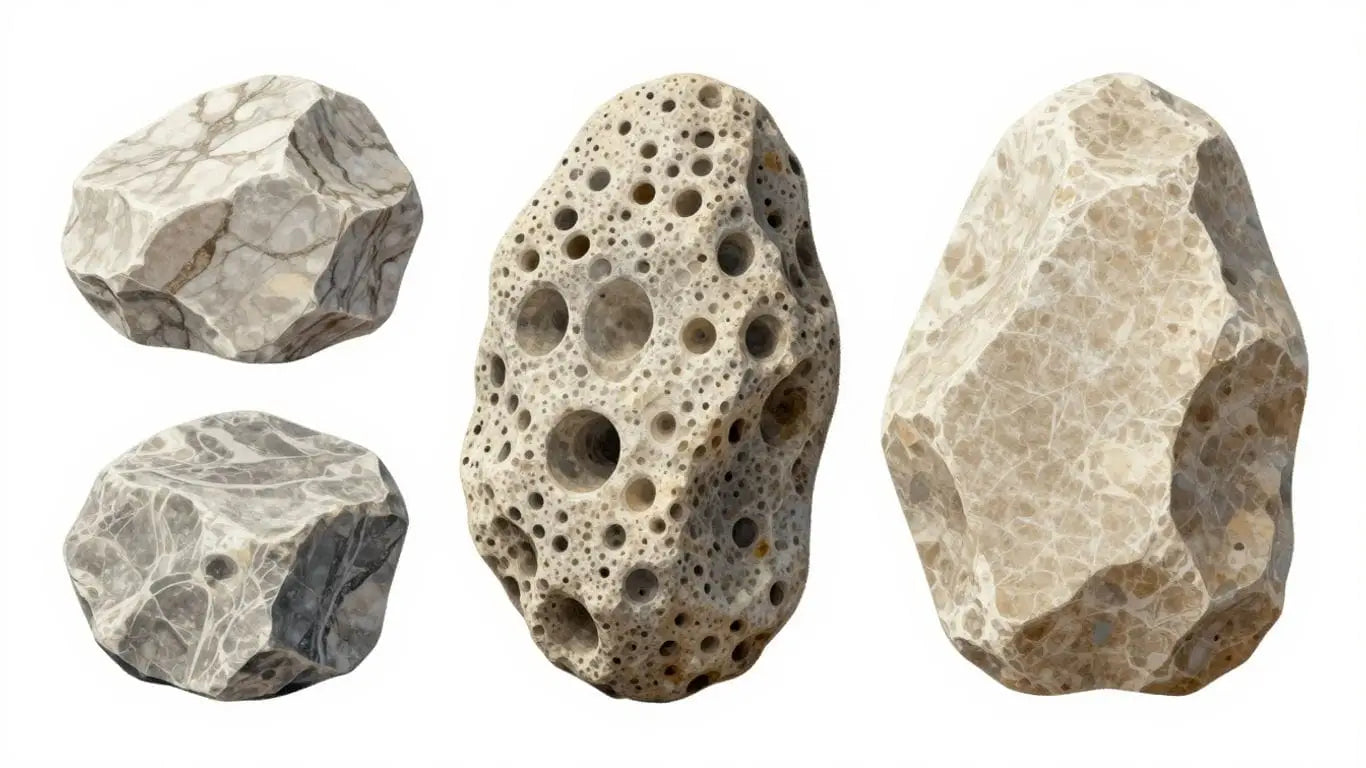
Travertine is a bit of an outlier. It's a type of limestone, but it forms differently. Instead of accumulating from organic debris, travertine is deposited by mineral springs, particularly hot springs. As the water, rich in dissolved calcium carbonate, emerges from the ground, it cools and releases carbon dioxide. This causes the calcium carbonate to precipitate out of the water, forming layers of travertine. The characteristic holes and voids in travertine are actually gas bubbles trapped during this deposition process. This unique formation gives travertine its distinctive, natural texture and earthy appeal, making it a fantastic choice for a warm, inviting look.
Aesthetic Characteristics and Visual Appeal
Marble's Luxurious Veining and Color Palette
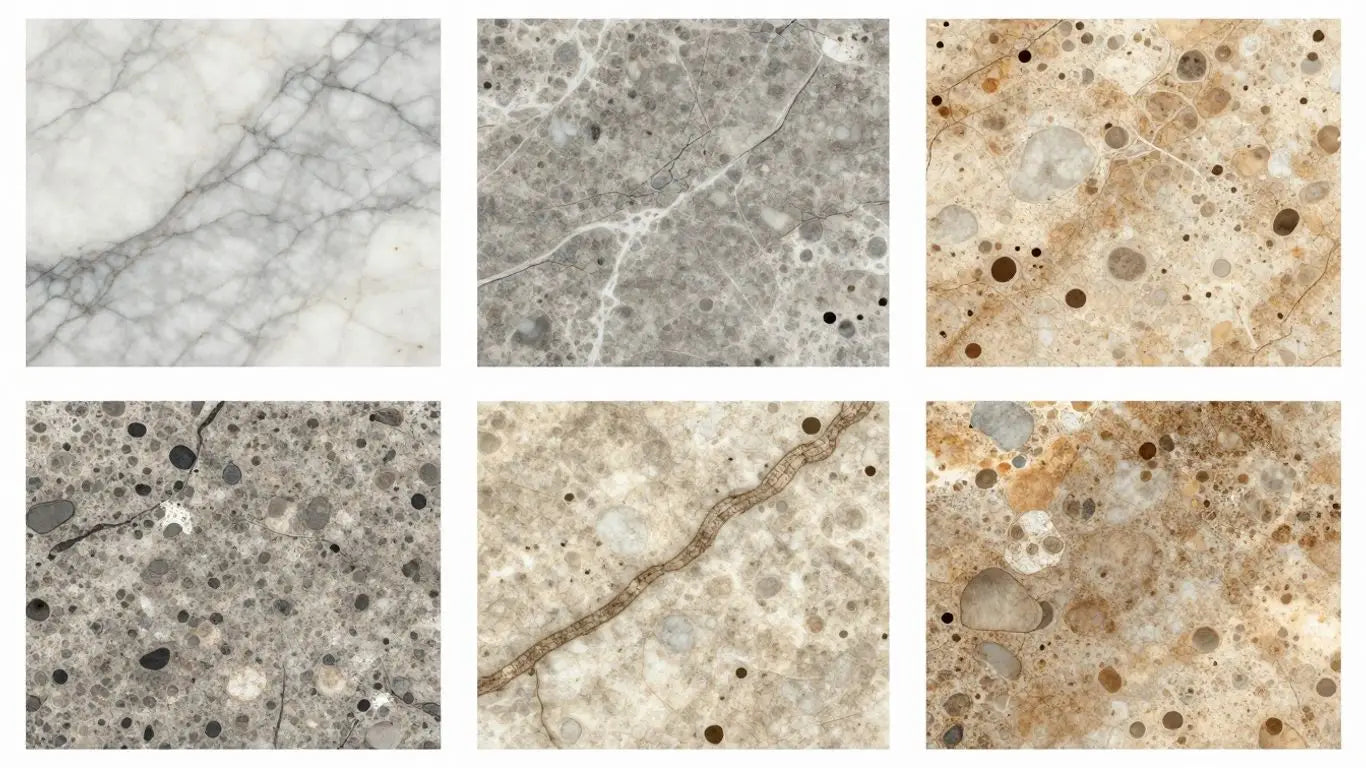
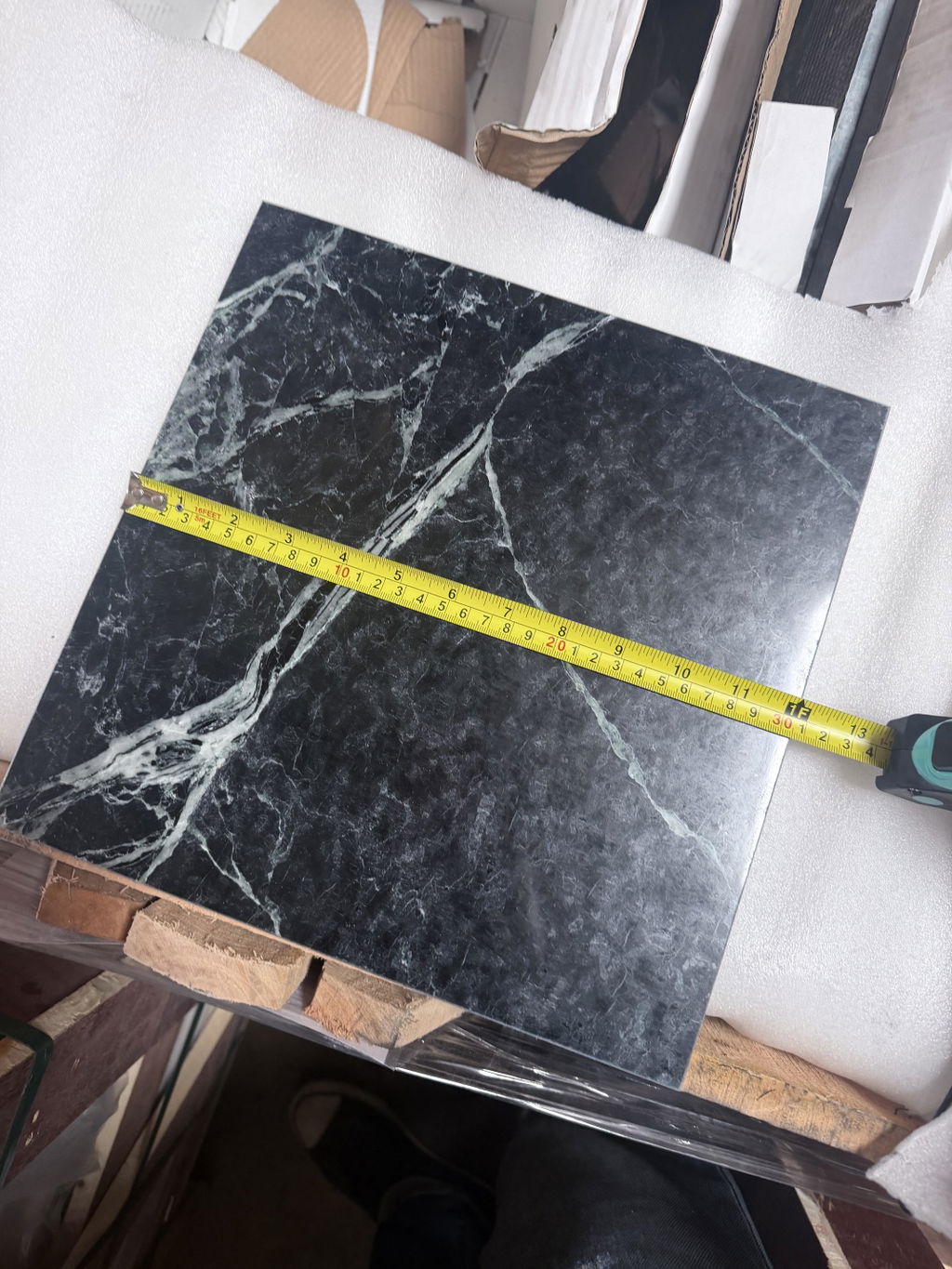
Marble is the ultimate statement piece for any space. Think of the grand halls of historic buildings or the elegant bathrooms you see in magazines. That’s the power of marble. Its defining feature? Those stunning, natural veins that swirl across the surface. Each slab is a unique work of art, no two alike. Colors range from classic whites and soft creams to dramatic blacks and vibrant greens. If you want a truly luxurious feel, marble is your go-to. It’s perfect for areas where you want to impress, like a master bathroom vanity or a fireplace surround. You can buy marble tiles online in the USA and bring this timeless elegance home. Imagine your guests walking into a room floored with exquisite marble – it’s an instant upgrade.
Limestone's Subtle Hues and Textures
Limestone offers a more understated elegance. It’s like the sophisticated friend who doesn’t need to shout to be noticed. Its beauty lies in its subtle, earthy tones – think soft beiges, warm grays, and creamy whites. Unlike marble’s bold veining, limestone often has a more uniform appearance, sometimes with gentle fossil inclusions that add character. This makes it incredibly versatile. It creates a calm, inviting atmosphere, ideal for living areas, hallways, or even a serene kitchen backsplash. Limestone tiles provide a natural, grounded feel that’s hard to beat. It’s a fantastic choice if you’re aiming for a relaxed yet refined look. It’s also a more budget-friendly option compared to marble, giving you that natural stone appeal without breaking the bank.
Travertine's Earthy Tones and Natural Pits
Travertine brings a unique, rustic charm to any design. It’s a stone that tells a story, with its characteristic natural pits and earthy color variations. These aren't flaws; they're part of its natural beauty, giving it a warm, organic feel. Travertine comes in a spectrum of warm hues, from creamy ivory and soft beige to rich walnut and golden tones. This makes it incredibly adaptable to various design styles, from Mediterranean villas to modern farmhouses. The natural texture and subtle variations in travertine create a sense of depth and character. It’s particularly popular for flooring and wall applications, both indoors and out, offering a durable and visually appealing surface. The natural holes can be filled for a smoother finish or left open for a more authentic, textured look. It’s a fantastic way to add warmth and natural beauty to your home.
Durability and Performance Metrics
Marble's Suitability for Low-Traffic Areas
Marble is undeniably beautiful, but let's talk real-world performance. Its elegant veining and luxurious feel make it a top choice for spaces that don't see constant foot traffic. Think master bathrooms, accent walls, or perhaps a formal dining room. While it can be used in kitchens and bathrooms, it requires diligent care to maintain its pristine look. Because marble is a softer stone, it's more susceptible to etching from acidic substances and scratching from daily wear and tear. If you're dreaming of marble countertops, be prepared for a bit more attention to detail. For those seeking that high-end marble look in busier areas, consider using it on backsplashes or as decorative features where durability is less of a concern.
Limestone's Moderate Hardness and Wear
Limestone offers a beautiful, natural look that's a bit more forgiving than marble. It's a sedimentary stone, meaning it's formed from compacted particles, which gives it a slightly softer composition. This makes it a great choice for areas with moderate foot traffic, like living rooms or less-used bathrooms. It's not as prone to scratching as marble, but it's still important to be mindful of its porous nature.
Limestone's moderate hardness means it can handle daily life, but it's not the best pick for extremely high-traffic zones like main entryways or busy commercial kitchens. However, its natural beauty and warm tones make it a fantastic option for creating a serene atmosphere in many parts of your home.
Travertine's Resilience for Flooring and Walls
Travertine really shines when it comes to durability, especially for flooring and wall applications. This natural stone, a type of limestone formed by mineral springs, has a unique, porous structure that actually contributes to its strength. The natural pits and voids, often filled during the finishing process, give it a distinctive character and can even add to its slip resistance, making it a smart choice for areas that might get wet.
Travertine is known for its resilience, standing up well to foot traffic and general use. It's a popular choice for entryways, living areas, and even outdoor patios.
Its ability to withstand wear and tear makes it a practical yet beautiful option for many home design projects. If you're looking for a natural stone that balances elegance with robust performance, travertine is definitely worth considering. You can find stunning travertine tiles online in the USA for your next renovation.
Porosity and Sealing Requirements
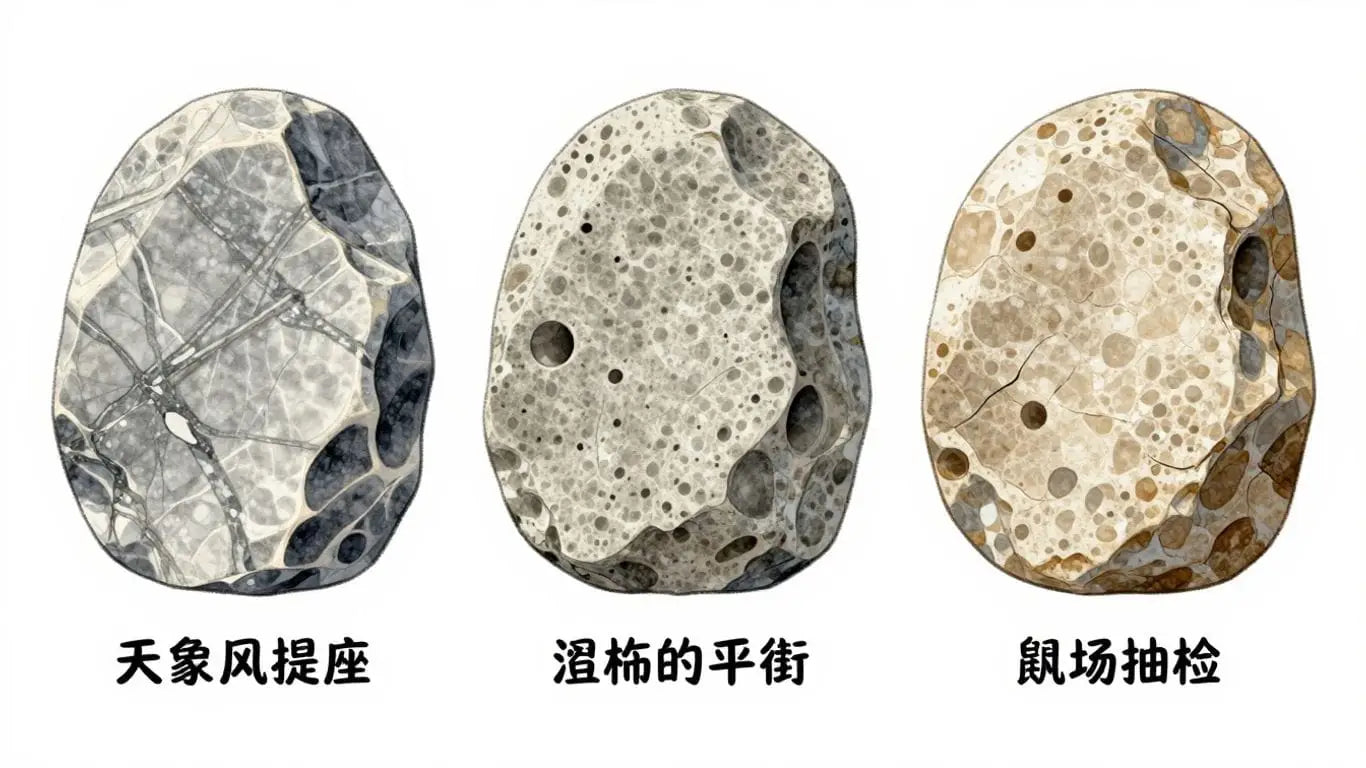
Understanding the porosity of your natural stone is key to its longevity and beauty. Marble, limestone, and travertine all have varying degrees of porosity, which directly impacts how they interact with liquids and potential stains. This isn't just about cleaning; it's about protecting your investment.
Managing Marble's Susceptibility to Stains
Marble is beautiful, no doubt. Its luxurious veining and elegant appearance make it a top choice for many homeowners. However, marble is also quite porous. This means liquids can seep into the stone if not properly protected. Think of it like a sponge – it can absorb spills. Prompt cleanup is your first line of defense. For those seeking the finest marble tiles, exploring options to buy marble tiles online USA can be a great starting point. But even with quick action, a good sealer is non-negotiable.
The Porous Nature of Limestone
Limestone shares a similar porous characteristic with marble. Its subtle, earthy tones are incredibly appealing, but this natural quality means it can be more susceptible to staining and etching from acidic substances like lemon juice or wine. Without proper sealing, spills can leave lasting marks. It’s a stone that rewards careful maintenance with enduring beauty.
Sealing Strategies for Travertine Surfaces
Travertine, with its distinctive natural pits and earthy charm, also requires sealing. These natural voids can trap dirt and liquids if left unprotected. Proper sealing creates a barrier, making the stone more resistant to stains and wear. This is especially important for high-traffic areas like floors. For travertine, sealing is not just a recommendation; it's a vital step in preserving its unique character. Sealing travertine is crucial for protecting its surface from stains, etching, and wear, ensuring its longevity and beauty.
Why Seal Your Natural Stone?
- Stain Prevention: Sealers fill the microscopic pores, making it harder for liquids to penetrate and cause stains.
- Moisture Protection: Reduces the risk of water damage and efflorescence (white powdery deposits).
- Easier Maintenance: A sealed surface is simpler to clean and maintain over time.
- Preserves Appearance: Helps maintain the stone's original color and finish.
Sealing Frequency:
- Initial Sealing: Always seal new installations after the grout has cured.
- Routine Sealing: Typically, resealing is recommended annually, but this can vary based on usage and the type of sealer used. High-traffic areas might need more frequent attention.
- Water Test: To check if your stone needs sealing, spill a small amount of water on the surface. If it darkens the stone or soaks in quickly, it's time to reseal.
Choosing the right sealer is as important as the sealing process itself. Look for high-quality impregnating sealers designed specifically for natural stone. These penetrate the stone rather than forming a surface film, offering better protection without altering the stone's natural look and feel significantly.
Maintenance and Care Regimens
Keeping your natural stone looking its best is simpler than you might think. With the right approach, your marble, travertine, or limestone surfaces will maintain their beauty for years. It’s all about understanding their unique needs and giving them a little regular attention. Think of it as a spa day for your floors and countertops!
Daily Cleaning Practices for Marble
Marble is elegant, but it can be sensitive. The key is gentle, consistent care. Avoid acidic cleaners or abrasive pads that can etch or scratch the surface. A quick wipe-down after use is often all that’s needed.
- Wipe Spills Immediately: Marble etches easily from acidic substances like lemon juice or wine. Blot them up right away.
- Use a pH-Neutral Cleaner: For general cleaning, a cleaner specifically designed for natural stone or a mild dish soap diluted in water works wonders.
- Dry Thoroughly: After cleaning, buff the surface dry with a soft cloth to prevent water spots.
Case Study: The Millers in Austin, TX, installed a stunning white Carrara marble countertop in their kitchen. Initially worried about maintenance, they found that a simple daily wipe-down with a damp cloth and occasional use of a stone cleaner kept it looking pristine. They even reported that after two years, their marble still looked as good as the day it was installed, proving that consistent, gentle care is highly effective.
Essential Care for Limestone Installations
Limestone, with its natural, earthy charm, also benefits from a mindful maintenance routine. Its slightly more porous nature means a little extra attention to sealing and cleaning can go a long way.
- Regular Sealing: Limestone should be sealed periodically (typically annually, but check your sealer's recommendations) to protect against stains and moisture. This is a simple step that makes a big difference.
- Sweep or Dust Mop Daily: Remove grit and dirt that can scratch the surface over time.
- Use Soft Cloths: When cleaning, always opt for soft microfiber cloths or sponges.
Limestone’s natural beauty is one of its biggest draws. Protecting that subtle texture and warm hue requires a commitment to gentle cleaning and regular sealing. It’s an investment in maintaining the stone’s inherent character.
Upkeep and Protection for Travertine Surfaces
Travertine offers a beautiful, textured look that’s perfect for floors and walls. Its natural pits are part of its charm, but they can sometimes trap dirt. Proper care ensures this texture remains a feature, not a problem.
- Address Pits: If you notice dirt accumulating in the natural holes, a soft brush can help dislodge it during cleaning. Some prefer to have these filled during installation for a smoother surface.
- Stone Sealer is Key: Just like limestone, travertine benefits greatly from regular sealing. This helps prevent liquids from penetrating the stone and causing stains.
- Avoid Harsh Chemicals: Stick to pH-neutral cleaners. Strong chemicals can damage the sealant and the stone itself.
Case Study: The Garcias in Scottsdale, AZ, chose a tumbled travertine for their patio. They found that a yearly resealing, along with sweeping and occasional washing with a stone-safe cleaner, kept their patio looking inviting and durable through the desert heat. They noted that the tumbled finish hid minor wear and tear exceptionally well.
Investing in quality natural stone like marble, travertine, or limestone means investing in lasting beauty. With these straightforward maintenance tips, you can confidently protect your surfaces and enjoy their timeless appeal for decades. Ready to explore options? You can buy marble tiles online USA and discover the perfect stone for your home today!
Application Suitability in Home Design
Ideal Uses for Marble in Residential Spaces
Marble is the ultimate statement piece for your home. Think grand entrances, elegant bathrooms, and sophisticated living areas. Its luxurious veining and cool touch make it perfect for areas where you want to impress. While it’s beautiful on floors and walls, it truly shines as a vanity top or a striking fireplace surround. For those seeking that high-end look, consider marble for a truly opulent feel. You can even buy marble tiles online USA for your next project.
- Entryways: Create a dramatic first impression.
- Bathrooms: Luxurious vanity tops and shower walls.
- Fireplaces: A classic and elegant focal point.
- Accent Walls: Add a touch of drama to any room.
Versatile Applications for Limestone
Limestone offers a softer, more subtle elegance than marble, making it incredibly versatile. It brings a natural, earthy feel to spaces, perfect for creating a warm and inviting atmosphere. Limestone works beautifully on floors, especially in dining rooms or living areas where a relaxed yet refined look is desired. It’s also a great choice for kitchen backsplashes or even as a feature wall. Its natural variations mean each installation is unique. Designers are specifying limestone for luxury homes, utilizing its versatility for flooring, walls, and backsplashes. A recent renovation in Beverly Hills exemplified its use in grand entrances, highlighting this natural stone as a key element in high-end interior design.
- Flooring: Warm and inviting for living areas and dining rooms.
- Kitchen Backsplashes: Adds subtle texture and style.
- Feature Walls: Creates a natural, organic focal point.
- Powder Rooms: A touch of understated elegance.
Travertine's Role in Interior and Exterior Design
Travertine is your go-to for a blend of rustic charm and enduring quality. Its natural pits and earthy tones give it a unique character that works wonderfully both inside and out. For interiors, it’s fantastic for flooring in high-traffic areas like hallways or kitchens, offering a durable and slip-resistant surface. Outdoors, travertine is a star player for patios, pool decks, and walkways. Its ability to withstand the elements while maintaining its beauty makes it a practical and stylish choice. You can even create stunning checkerboard patterns with travertine tiles for a classic look.
Travertine is exceptionally well-suited for creating cohesive indoor-outdoor living spaces.
- Patios & Pool Decks: Durable, slip-resistant, and beautiful.
- Entryways: Welcoming and robust.
- Kitchen Flooring: Practical and stylish for busy homes.
- Shower Floors: Offers a natural, textured grip.
Case Study: A modern farmhouse renovation in the countryside utilized a tumbled travertine for its flooring throughout the main living areas and extended it onto the patio. This created a seamless flow between the indoor and outdoor spaces, enhancing the home's connection to nature and providing a durable, low-maintenance surface for family life. The natural variations in the travertine added depth and character, making each room feel unique yet harmonious.
Installation Considerations and Best Practices
Getting your beautiful marble, travertine, or limestone installed correctly is key to its long-term beauty and performance. It’s not just about slapping tiles down; it’s a process that requires attention to detail. Think of it as laying the foundation for years of enjoyment. A botched installation can lead to headaches down the road, like uneven surfaces, cracked tiles, or even water damage. But get it right, and you’ve got a stunning, durable surface that adds real value to your home. We’re here to guide you through the best practices, so your investment looks amazing and lasts.
Pre-Installation Inspection of Stone Tiles
Before any adhesive hits the floor, take a good look at your tiles. Natural stone is, well, natural! This means there will be variations in color, pattern, and sometimes even slight imperfections. It’s totally normal, but you need to be aware of it. Always inspect each tile for cracks, chips, or significant warping. Laying a tile is generally seen as accepting its quality, so if you spot a problem, set that tile aside or talk to your supplier. It’s better to catch these things now than after they’re permanently fixed in place.
Dry-Laying Techniques for Optimal Layout
This step is a game-changer. Before you commit to mortar, do a "dry lay." This means arranging your tiles on the floor or wall without any adhesive. Why? It lets you visualize the final look, plan where your cuts will fall (especially important around edges and corners), and ensure a pleasing distribution of colors and veining. Since marble and travertine have natural variations, mixing tiles from different boxes during the dry lay helps blend these differences for a more cohesive appearance. This is also the perfect time to decide on your grout joint spacing. For a sleek, modern look, many opt for tight joints, around 1/16 to 1/8 inch, but always check the specific recommendations for your chosen stone and grout.
Grout Joint Spacing and Material Selection
Choosing the right grout and getting the spacing right is more important than you might think. For marble and travertine, a tighter grout joint (1/16" to 1/8") often creates a more seamless, high-end look, letting the stone itself be the star. However, always follow manufacturer guidelines, as some stones or installation methods might call for slightly wider joints. Beyond spacing, material selection is key. You need to use setting materials specifically designed for natural stone. Standard tile mortars or grouts might contain additives that can discolor or damage marble and travertine. Always opt for high-quality thin-set mortars and grouts recommended for natural stone. If you’re using lighter colored stones, a white thin-set mortar is often preferred over gray to prevent any color from bleeding through the stone itself. Proper material selection prevents future issues and ensures the longevity of your beautiful stone installation.
Case Study: The Elegant Entryway
- Project: A homeowner wanted a luxurious entryway using Ivory Travertine tiles.
- Challenge: Ensuring a consistent color flow and minimizing visible grout lines in a high-traffic area.
- Solution: The installer performed an extensive dry lay, carefully selecting tiles from multiple boxes to create a harmonious blend of warm tones. They opted for a 1/8" grout joint and used a high-quality, stone-specific thin-set mortar and a neutral-colored grout. They also ensured the subfloor was perfectly level and clean before starting.
- Result: The entryway boasts a seamless, elegant look with a consistent color palette, and the travertine has held up beautifully under daily use, proving that meticulous installation pays off.
Remember, the substrate is everything. A solid, level, and clean subfloor or wall is non-negotiable for natural stone. Any imperfections in the base layer can translate into cracks or unevenness in your finished stone surface. Don't skimp on substrate preparation; it's the bedrock of a successful installation.
Budgetary Factors and Investment Value
Cost Comparisons Between Marble, Limestone, and Travertine
When you're looking at natural stone, the price tag is definitely a big part of the picture. It's not just about what looks good; it's about what fits your wallet. Think of it like this: marble is often the high-end choice, the one that screams luxury. It's beautiful, no doubt, but it usually comes with a higher cost. If you're aiming for that sophisticated look without breaking the bank, limestone and travertine are fantastic alternatives. They offer a natural beauty that's really appealing, and they tend to be more budget-friendly. You can get that earthy, elegant vibe for less. So, while marble might be the splurge, limestone and travertine are smart choices for getting a lot of style for your money. It's all about finding that sweet spot between your dream look and your actual budget. You can find great deals if you know where to look, maybe even buy marble tiles online USA if you're lucky.
| Stone Type | Average Cost per Sq Ft (Material Only) |
|---|---|
| Marble | $5 - $20+ |
| Limestone | $3 - $10 |
| Travertine | $3 - $12 |
Long-Term Value and Home Appreciation
Investing in natural stone isn't just about making your home look good right now; it's about adding lasting value. Homes with features like marble countertops or elegant travertine floors often fetch higher prices on the market. Buyers see natural stone as a sign of quality and luxury. It's a material that stands the test of time, both in terms of durability and style. Unlike trends that come and go, natural stone has a timeless appeal. So, when you choose marble, limestone, or travertine, you're not just renovating; you're making a smart investment in your property's future. It's a way to make your home more attractive to potential buyers and increase its overall worth.
Factors Influencing Natural Stone Pricing
So, why do some stones cost more than others? A few things play a role. First off, rarity matters. Some types of marble, for instance, are harder to find and quarry, which drives up the price. Then there's the origin – stones imported from famous regions like Italy might cost more due to shipping and reputation. The specific color and pattern also make a difference; unique veining or rare colors in marble can be quite pricey. Even the finish you choose impacts the cost. A highly polished finish often requires more work than a tumbled or honed one. And let's not forget installation. The complexity of the job, the installer's skill, and the amount of material needed all add to the final bill. It’s a good idea to get a few quotes to compare.
Remember, the initial cost is just one piece of the puzzle. Consider the longevity, maintenance, and aesthetic impact each stone brings to your home. A slightly higher upfront investment in a durable, beautiful stone can pay dividends for years to come.
Case Study: The Miller Residence
The Miller family wanted to update their kitchen and bathroom. They were torn between the classic look of marble and the more affordable, earthy feel of travertine. After consulting with a designer, they opted for travertine for their bathroom flooring and shower walls, and a durable, subtly veined limestone for their kitchen backsplash.
- Bathroom: Travertine tiles were chosen for their natural texture and warm tones, creating a spa-like atmosphere. The cost was significantly less than marble, allowing them to allocate more budget to a high-quality sealant.
- Kitchen: Limestone offered a sophisticated yet understated look that complemented their granite countertops without overpowering the space. Its moderate hardness made it suitable for a backsplash.
Outcome: The Millers achieved a high-end look and feel in both spaces. The travertine bathroom felt luxurious and inviting, while the limestone backsplash added a touch of elegance to the kitchen. They reported that the combined cost was well within their budget, and the aesthetic improvement significantly boosted their home's appeal when they decided to sell two years later. They found great value in choosing travertine for flooring that offered both beauty and resilience.
Finishes and Textural Variations
The look and feel of your natural stone are just as important as its durability and color. Finishes and textural variations play a huge role in how marble, travertine, and limestone perform and how they appear in your home. It's not just about picking a slab; it's about choosing the right surface for your lifestyle and design goals.
Polished vs. Honed Finishes
When you think of marble, you might picture that super shiny, reflective surface. That's a polished finish. It's sleek, modern, and really makes colors pop. Polished marble is fantastic for making a statement, like a dramatic kitchen island or a luxurious bathroom vanity. However, that shine can show water spots and fingerprints more easily, and it can be a bit slippery when wet. If you're looking for something a little softer, a honed finish is your go-to. It has a matte, velvety look that's more forgiving with daily use. Honed marble is great for floors, especially in busy areas, because it hides minor scratches and smudges better. It gives a more understated, natural elegance.
- Polished: High shine, reflective, makes colors vibrant, best for low-traffic areas or decorative pieces.
- Honed: Matte finish, soft look, hides minor imperfections, more slip-resistant, ideal for floors.
Case Study: A homeowner in Scottsdale wanted a kitchen that felt both luxurious and practical. They chose a honed Calacatta marble for their countertops. This gave them the stunning veining they loved but without the high-gloss glare, and it proved much easier to live with day-to-day than a polished finish would have been.
Tumbled and Antiqued Surface Treatments
Want that old-world charm or a relaxed, rustic vibe? Tumbled or antiqued finishes are the way to go. Tumbled stone goes through a process where the edges are softened and the surface gets a slightly worn look, almost like it's been on a beach for years. It’s perfect for creating a cozy, lived-in feel. Antiqued finishes achieve a similar effect, often through brushing or other treatments that give the stone a patina of age. These finishes are fantastic for creating a warm, inviting atmosphere in entryways, patios, or even a rustic kitchen. They also tend to be more forgiving of wear and tear, making them a practical choice for busy homes.
Understanding Natural Hole Fillings in Travertine
Travertine is unique because of its natural pits and holes, formed by gas bubbles during its creation. You have a choice here: leave them unfilled for a distinctly natural, rustic look, or have them filled. Filling the holes creates a smoother, more uniform surface that's easier to clean and less likely to trap dirt. This is often preferred for kitchen countertops or high-traffic floors. Leaving them unfilled gives travertine its signature character and a more earthy, organic feel, which is great for accent walls or less demanding areas. The choice between filled and unfilled travertine really depends on the aesthetic you're aiming for and the practicality needed for the space.
| Finish Type | Description |
|---|---|
| Polished | High gloss, reflective, smooth surface. |
| Honed | Matte, smooth surface, no shine. |
| Tumbled | Softened edges, worn appearance, rustic feel. |
| Antiqued | Patina of age, brushed or treated for an aged look. |
| Filled Travertine | Natural holes are filled for a smoother, more uniform surface. |
| Unfilled Travertine | Natural holes are left open for a rustic, textured appearance. |
Case Study: A family building a Tuscan-inspired villa opted for unfilled travertine pavers for their outdoor patio. The natural holes added to the authentic, old-world charm they desired, and the slightly uneven texture provided good slip resistance. For their indoor flooring, they chose a filled and honed travertine for a smoother, more practical surface that still retained the stone's warm character. You can find beautiful travertine tiles USA that offer these varied finishes.
Sourcing and Supplier Selection
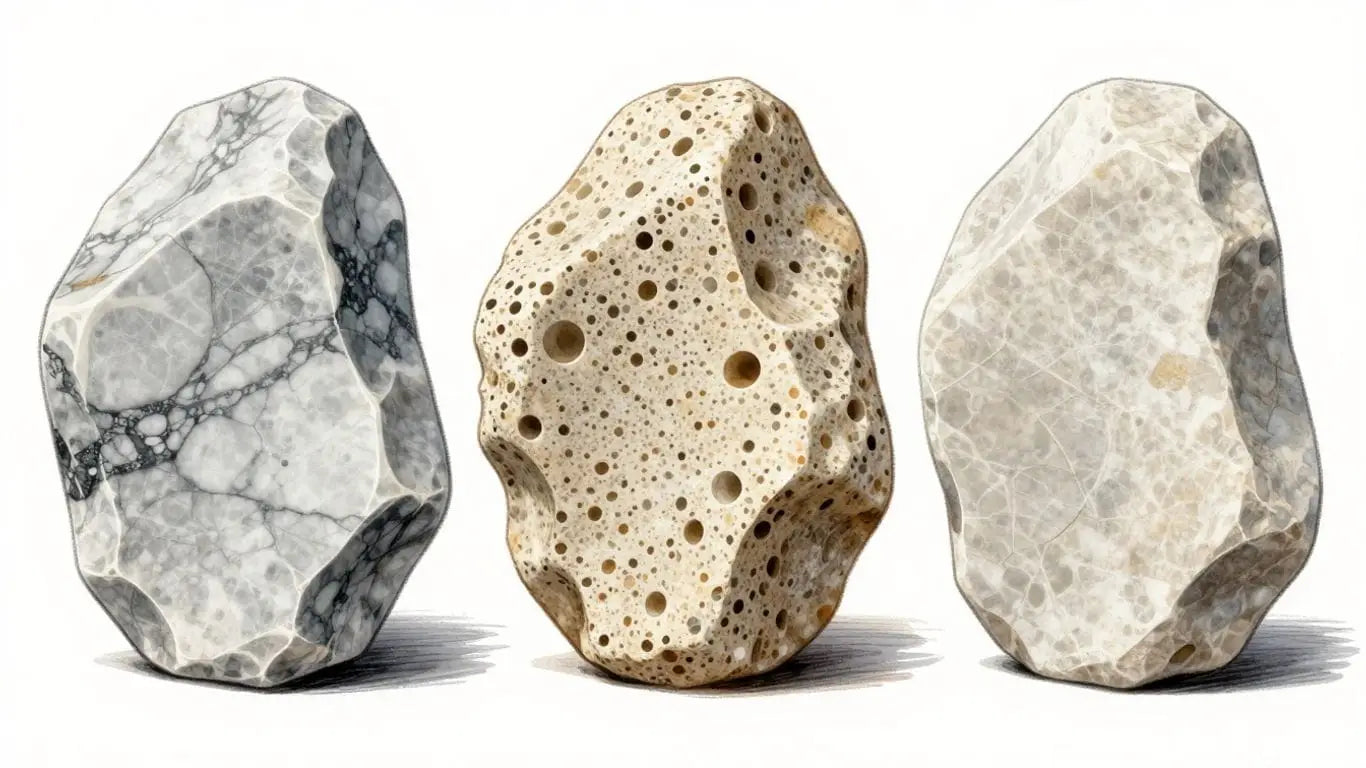
Finding the right natural stone is like finding a treasure. It's not just about picking a pretty slab; it's about knowing where it comes from and who you're buying it from. This step is super important for getting the look you want and making sure your investment lasts.
Choosing Reputable Natural Stone Suppliers
When you're ready to buy marble tiles online in the USA, or any natural stone for that matter, you need a supplier you can trust. Think of them as your guide through the world of stone. A good supplier will have a wide selection, know their products inside and out, and be honest about what you're getting. They should be able to tell you about the stone's origin, its specific characteristics, and how best to care for it. We work hard to source only the best stones from quarries known for quality and ethical practices. We want you to feel confident in your choice.
The Importance of Sample Testing
Seeing a picture online is one thing, but holding a piece of stone in your hand? That's different. We always recommend getting samples. This lets you see the true color, feel the texture, and check out the veining up close. It's especially important because natural stone has variations. What looks good in your living room might look different in your kitchen with different lighting. Testing samples helps you avoid surprises and makes sure the stone fits perfectly with your home's style.
Don't skip this step – it's your best bet for a perfect match.
Evaluating Stone Quality and Consistency
Quality isn't just about how pretty the stone is. It's about how it's been processed and how consistent it is from piece to piece. We look for stones with consistent color and patterns, free from major cracks or flaws. The finish should be smooth and even. For example, when you look at our marble collection, you'll see a range from classic whites like Statuary to deep tones like Nero Marquina. Each piece is selected for its quality. We also pay attention to consistency, so when you order multiple tiles, they'll look great together.
Case Study: The Miller Residence
The Millers wanted a timeless kitchen backsplash. They were torn between marble and travertine. After getting samples of our Carrara White Marble and our Ivory Travertine, they were able to see how the subtle veining of the marble complemented their countertops, while the travertine's earthy tones felt a bit too rustic for their modern kitchen. They chose the marble, and the samples were key to their decision.
Case Study: The Chen Project
For an outdoor patio, the Chens needed something durable and visually appealing. They ordered samples of our Durango Cream Travertine and some granite options. They found the travertine's natural pits and texture gave the patio the warm, inviting feel they wanted, and the samples confirmed its suitability for outdoor use after proper sealing. They ended up with a beautiful, long-lasting patio.
Choosing the right supplier and testing samples are critical steps. They ensure you get a beautiful, high-quality product that you'll love for years to come. It's about making an informed decision that leads to a stunning result.
Picking the right suppliers is super important for any project. It's like choosing the best ingredients for a recipe – they make all the difference! We help you find dependable sources for your materials, making sure you get top quality without any hassle. Want to learn more about how we find the best partners for you? Visit our website today!
Bringing It All Together
So, we've looked at marble, travertine, and limestone. Each one has its own vibe, right? Marble brings that classic, fancy feel, great for places that don't get a ton of foot traffic. Travertine has this cool, earthy look with its natural holes, and it's pretty versatile for floors and walls. Limestone is a bit softer, giving a nice, natural look but needing a bit more attention. When you're picking, think about where it's going, how much work you want to do to keep it looking good, and what look you're going for. No matter which you choose, natural stone adds something special to a home. If you're thinking about using any of these stones for your next project, remember that Surfaces Galore has a big selection and can help you find just what you need. They ship all over, so don't hesitate to reach out to them for a quote or to check out their stock.
Frequently Asked Questions
What's the main difference between marble, travertine, and limestone?
Think of them like cousins in the stone family! Marble is formed under heat and pressure, giving it cool, swirly veins. Limestone is made from tiny shell and rock bits settled in water, so it's usually more uniform and softer. Travertine is a special type of limestone that forms in hot springs, creating little holes and a more textured, earthy look.
Which stone is best for my kitchen countertop?
For kitchens, you want something tough! Marble is beautiful but can scratch and stain easily, so it's better for less-used areas. Travertine is a good option if sealed well, but limestone is usually too soft for a busy kitchen counter. Many people choose granite or quartz for countertops because they are super durable.
Can I use these stones outside?
Yes, many of them can be used outside! Travertine is a popular choice for patios and walkways because it handles weather well and doesn't get too slippery. Some limestones and marbles can also be used outdoors, but it's best to check with the supplier to make sure they can handle the elements in your area.
Do I really need to seal my stone floors?
Absolutely! Natural stones like marble, travertine, and limestone are porous, meaning they have tiny holes that can soak up spills. Sealing creates a barrier to help prevent stains and makes cleaning much easier. It's like giving your stone a protective shield!
How do I clean marble, travertine, or limestone?
The best way to clean these stones is with a soft cloth and a special cleaner made for natural stone, or just plain water. Avoid harsh chemicals, acidic cleaners (like vinegar or lemon juice), and abrasive scrubbers, as these can damage the stone's surface.
Will these stones make my house look more expensive?
Definitely! Natural stone like marble and travertine adds a touch of luxury and elegance that buyers love. It's a timeless material that can make your home feel more high-end and can even help increase its value when you decide to sell.
What are those little holes in travertine?
Those cool little holes are natural! Travertine forms in mineral springs, and as the stone hardens, little gas bubbles or empty spaces get trapped inside. Some people love the rustic look of these holes, while others prefer them filled for a smoother surface.
Where can I buy these beautiful stones?
You can find amazing marble, travertine, and limestone at specialty stone suppliers like Surfaces Galore. They import stones from all over and can ship them right to you, offering great prices and a wide selection for your home projects.

Leave a comment