
Checkerboard Entryway Floor Inspiration That Lasts

A checkerboard floor earns its place in an entryway because it makes the first few feet of a home feel considered. It can read tailored and traditional in a historic renovation, crisp and graphic in a modern foyer, or warm and relaxed in a Mediterranean-influenced home. The best checkerboard entryway floor inspiration starts with more than a black-and-white image: it starts with the right natural stone, scale, finish, and installation plan for the way the space is actually used.
For a hardworking entrance, premium natural stone delivers the depth, variation, and permanence that printed look-alike materials cannot match. Marble, limestone, and travertine each bring a distinct character to the pattern. The goal is not simply contrast. It is selecting a floor that belongs to the architecture and continues to look intentional after years of wet shoes, pets, guests, and daily traffic.
Start With the Architecture, Not the Trend
Checkerboard is one of the rare floor patterns that works across several design periods, but its proportions should follow the home. A formal colonial or European-inspired house can support a classic high-contrast marble field with a traditional border. A newer home may benefit from softer tonal pairings that give the geometry a quieter, more architectural effect.
Look first at the entryway's ceiling height, daylight, adjacent flooring, and sightlines. A compact foyer seen directly from a living room needs a checkerboard that relates to the rooms beyond it. If the nearby floors are warm white oak, for example, a creamy limestone paired with Noce travertine or a soft gray marble usually feels more connected than a stark, cool black-and-white combination.
The pattern should also respect the house's level of formality. Nero Marquina and Thassos create a polished, dramatic arrival. Carrara with a warm white marble or pale limestone creates an elevated version of the same idea without the sharp contrast. Neither is universally better. It depends on whether the entry should be a focal point or a refined transition.
Choose a Stone Pairing With Real Depth
Natural stone makes checkerboard compelling because no two pieces are identical. Veining, movement, and mineral variation soften the grid and prevent the floor from feeling flat. That variation also means samples matter. A photo can establish direction, but it cannot replace seeing the undertones and finish in the actual light of the home.
Classic Black and White Marble
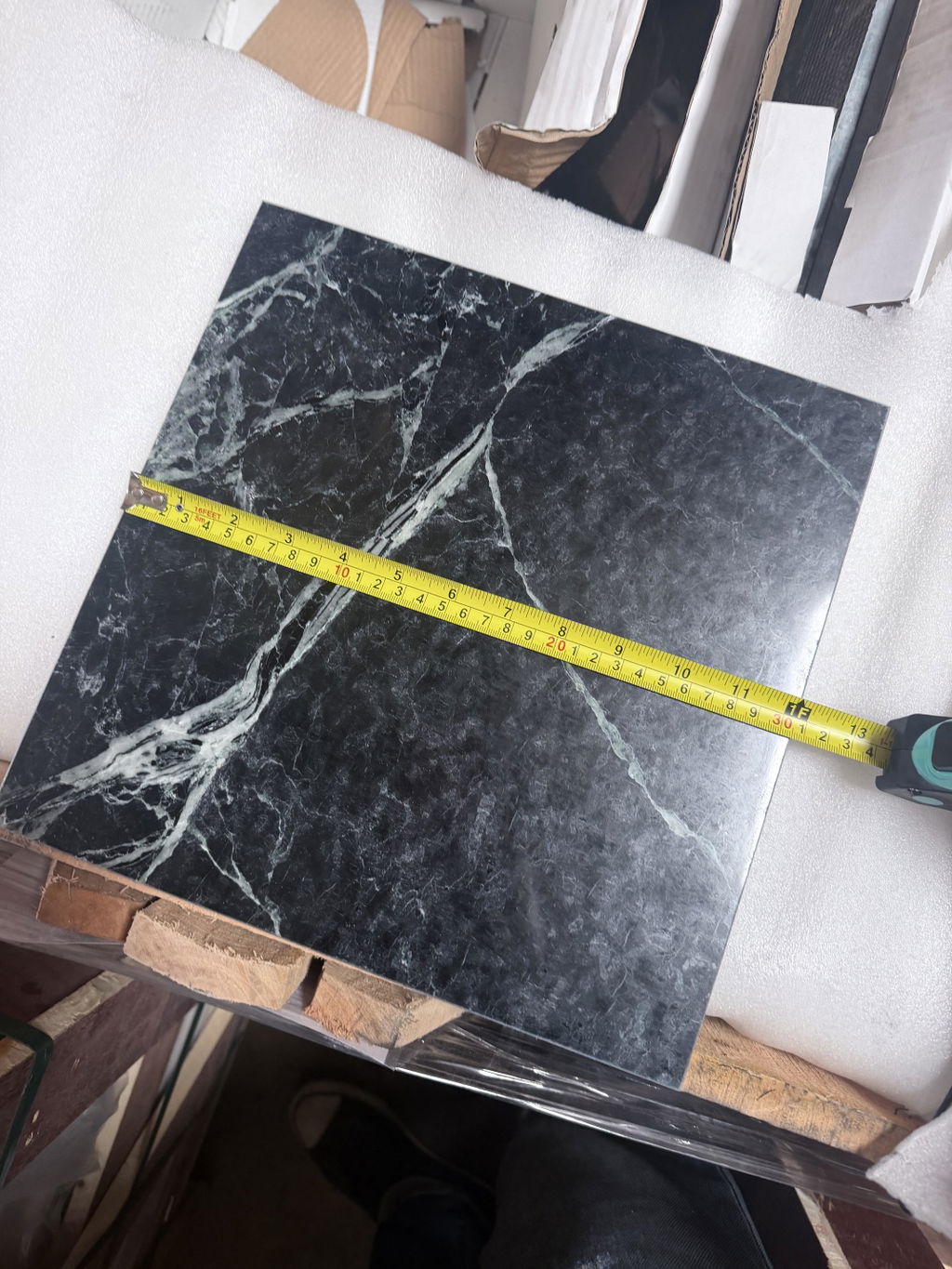
A white marble paired with Nero Marquina remains the strongest choice for homeowners seeking a formal, high-contrast entry. Thassos offers a bright, clean white, while Carrara introduces gray veining and a more relaxed European character. Nero Marquina delivers rich black ground with distinctive white veining, so the finished floor has movement rather than a solid ink-black appearance.
This pairing is ideal for an entryway with sufficient natural or layered lighting. In a very narrow, dark hall, its contrast can feel visually busy. A larger tile size and a honed finish will make the pattern more composed.
Warm Limestone and Travertine
For homes where a classic black-and-white floor would feel too formal, warm stone pairings offer a better answer. Cream limestone, ivory travertine, beige marble, and Noce travertine can create a checkerboard with lower contrast and substantial texture. The result works especially well with plaster walls, aged brass, oak cabinetry, and antique-inspired furnishings.
Travertine's natural pits and tonal range add character, though installation details matter. Filled and honed travertine is generally the practical choice for an entry floor, creating a more even walking surface while preserving the material's organic appearance. If a client wants a highly uniform pattern, marble may be the more predictable specification.
Gray, White, and Soft-Contrast Stone
Soft contrast has become one of the most useful directions in checkerboard entryway floor inspiration. Pairing Carrara with a medium gray marble, or a warm white limestone with a taupe stone, gives the foyer pattern and presence without dominating the room. It is particularly effective in open-concept homes, where a strong black grid might compete with the kitchen, stair hall, or main living space.
The trade-off is that a low-contrast checkerboard reads more subtly from a distance. That is often the point. Up close, natural stone variation gives it dimension; from across the room, it functions as a calm, tailored foundation.
Get the Tile Scale Right
Tile size changes the entire character of a checkerboard. Large squares feel clean and confident, while smaller squares feel more detailed and historic. There is no universal size, but the entryway's dimensions should lead the decision.
A 12-by-12-inch format is a reliable starting point for many standard foyers. It gives enough pattern definition without creating an excessive number of grout joints. A 16-by-16-inch or 18-by-18-inch checkerboard can make a larger entry, vestibule, or open hall feel expansive, especially when the space has high ceilings or broad door openings. Smaller formats can be beautiful in a compact mudroom or period home, but they require careful layout so the floor does not feel chopped up.
Before ordering, map the pattern from the threshold inward. A centered layout is usually worth the planning. You want balanced cuts at the walls and, whenever possible, a full tile or a deliberate half-tile relationship at the front door. Starting with random cuts at the threshold is one of the fastest ways to make premium material look less considered.
Select a Finish That Fits Daily Use
A polished marble checkerboard reflects light beautifully and creates immediate luxury. In a formal foyer with controlled traffic, it can be an excellent choice. Yet a highly polished surface may show water spots, grit, and etching more readily than a honed finish, particularly in climates with rain, snow, or frequent wet footwear.
For most active households, honed stone is the more practical recommendation. It has a low-sheen surface that feels sophisticated, is more forgiving visually, and gives the floor a quieter appearance. Honed marble, limestone, and travertine still offer premium depth, just without the mirror-like reflection.
Finish selection should include safety, not just appearance. Entryways can become wet zones. Discuss slip resistance and appropriate sealing with the installer, especially where the front door opens directly onto the stone. A quality entry mat placed outside or just beyond the threshold protects the floor without hiding the design.
Use Borders and Directional Layouts With Purpose
A checkerboard does not have to stop at alternating squares. A simple stone border can frame the field, strengthen the room's geometry, and solve awkward perimeter cuts. In formal spaces, a dark perimeter around a lighter checkerboard creates a finished, almost rug-like effect. In a less formal home, a matching stone border may be enough to contain the pattern without adding contrast.
Diagonal layouts deserve consideration as well. Setting the squares on point can make a small entry feel wider and more active, especially when the door opens into a narrow hallway. The trade-off is more cutting and a more decorative result. A straight grid usually feels calmer and more current, while diagonal checkerboard has a stronger traditional reference.
If the entry connects to a kitchen or powder room, repeat one stone elsewhere rather than repeating the full pattern. A Carrara checkerboard in the foyer can relate to a Carrara mosaic in the powder room or a Carrara backsplash beyond it. This creates continuity without turning every room into a matching set.
Specify for Installation, Not Just for Appearance
Premium stone deserves a precise installation plan. Confirm that the substrate is flat, stable, and suitable for natural stone before material arrives. Marble and limestone can expose unevenness more readily than thicker, more forgiving materials, and lippage can spoil even the best tile selection.
Grout should support the stone rather than become a visual distraction. In most checkerboard installations, a closely matched grout color for each dominant tone is not possible with a single joint color, so choose a neutral that recedes. A medium warm gray often works better than bright white or deep black, which can outline every tile and make the floor look overly graphic.
Natural stone should be sealed with an appropriate penetrating sealer after installation and cured grout. Sealing does not make stone maintenance-free, but it provides meaningful protection against everyday spills and tracked-in moisture. Use pH-neutral cleaning products and address acidic spills promptly, particularly on marble.
For projects with a defined budget, prioritize material quality and layout over unnecessary complexity. A well-selected, premium-grade 12-by-12-inch marble checkerboard installed with balanced cuts will outperform a cheaper stone floor with inconsistent calibration, weak color selection, or rushed preparation every time.
Build Confidence Before You Commit
Checkerboard floors are a major visual decision, but they do not need to be a gamble. Order samples of both stones and view them together in the entry at morning, afternoon, and evening. Place them beside paint, wood flooring, hardware, and the door color. Natural stone's undertones become clear only in context.
For designers, remodelers, and homeowners sourcing a complete specification, work from material and finish first, then confirm tile format, trim needs, quantity, and shipping timing. Surfaces Galore offers premium imported natural stone, sample access, insured orders, and nationwide fulfillment for projects that require a polished result without commercial-grade compromises.
A checkerboard entryway floor should feel established from the day it is installed, not like a temporary design gesture. Choose stone with character, size the pattern for the room, and give the installer a layout worth executing precisely. The result is an arrival that makes the rest of the home feel more intentional.

Leave a comment