
Choosing the right stone for your home can feel overwhelming with so many options available.


Choosing the right stone for your home can feel overwhelming with so many options available. Cream limestone is a top choice because it brings a warm, natural glow to any room while staying durable for years. In this list, we look at twenty four ways this versatile material can improve your space through unique textures and timeless design details.
1. Warm Tones for Cozy Spaces
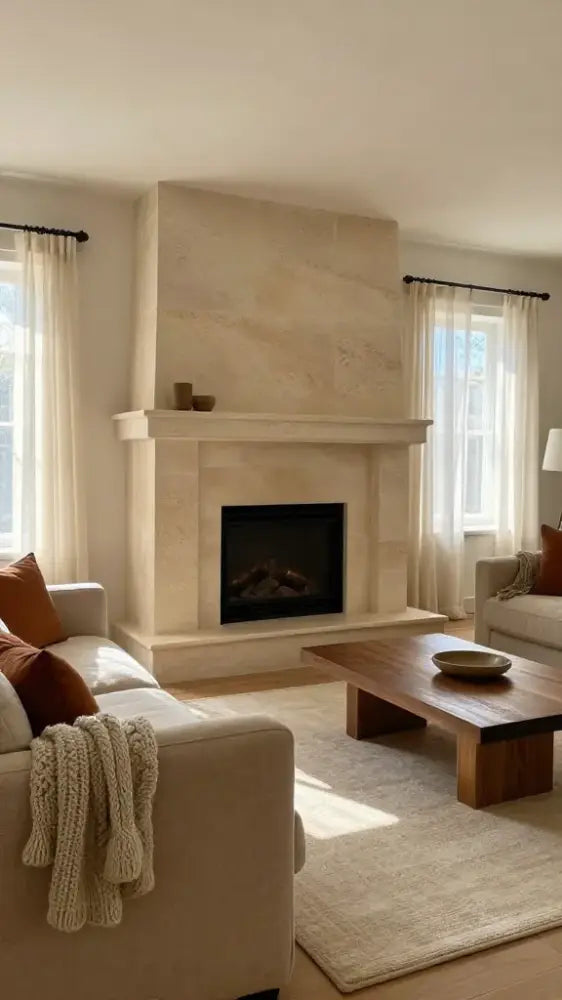
Cold, sterile rooms can feel uninviting when you're trying to unwind after a long day. Cream limestone fixes this by bringing in soft honey and beige undertones that naturally hold onto the light. It makes a large living area feel much more intimate and grounded.
The stone acts as a visual heater for your home. Unlike stark white marble or gray slate, these finishes have a subtle glow that pairs perfectly with soft textures like wool rugs or linen curtains. It's the difference between a room that feels like a gallery and one that feels like a sanctuary.
You can use this to your advantage in rooms with limited natural sunlight. Placing cream limestone near a window helps bounce a golden tint throughout the space. It creates a welcoming atmosphere that stays bright even when the weather outside turns gray.
2. Natural Fossil Fragments and Veining
| Feature | Visual Appearance | Common Inclusions |
|---|---|---|
| Fossil Fragments | Small dark flecks or circular outlines | Shells, crinoids, and ancient coral bits |
| Mineral Veining | Fluid, wispy lines or thin cracks | Calcite deposits and iron oxide streaks |
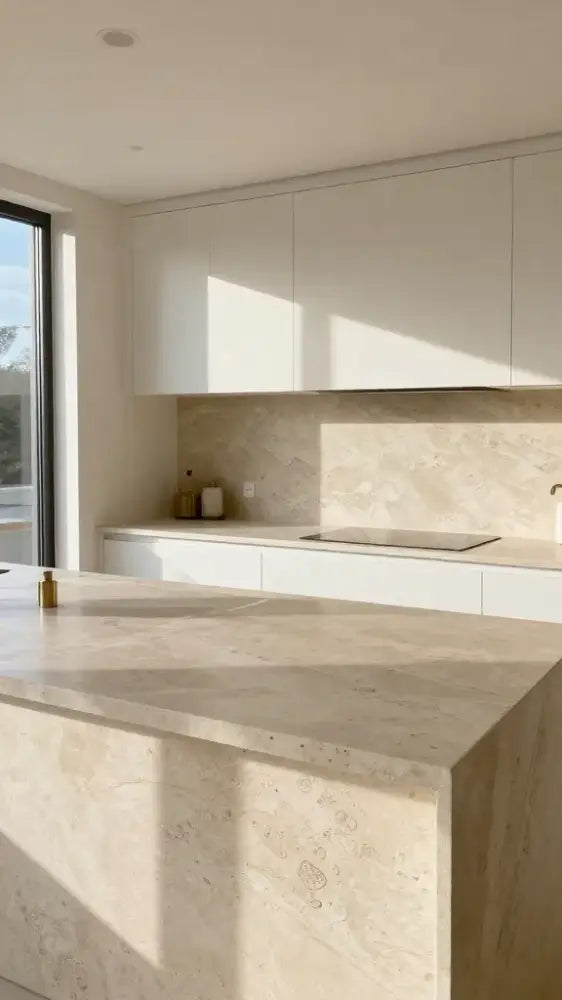
Picture yourself running your hand across a cool kitchen island and feeling a tiny ridge where a seashell was trapped millions of years ago. These aren't defects or scratches in the stone. They are actually biological imprints that tell the story of the prehistoric seabed where your limestone formed.
The beauty of cream limestone is how these fossils provide a subtle contrast against the warm, sandy background. You might see a faint spiral of a prehistoric snail or the delicate ribbing of a leaf. These details prevent the stone from looking like flat, boring porcelain.
Veining adds a different kind of character by snaking through the slabs in soft greys or burnt oranges. These mineral lines act like natural art, ensuring that no two floor tiles in your home look exactly the same. It's a great way to hide the occasional bit of dust or a stray crumb since the surface is already full of life.
3. Soft Honed Surface Texture
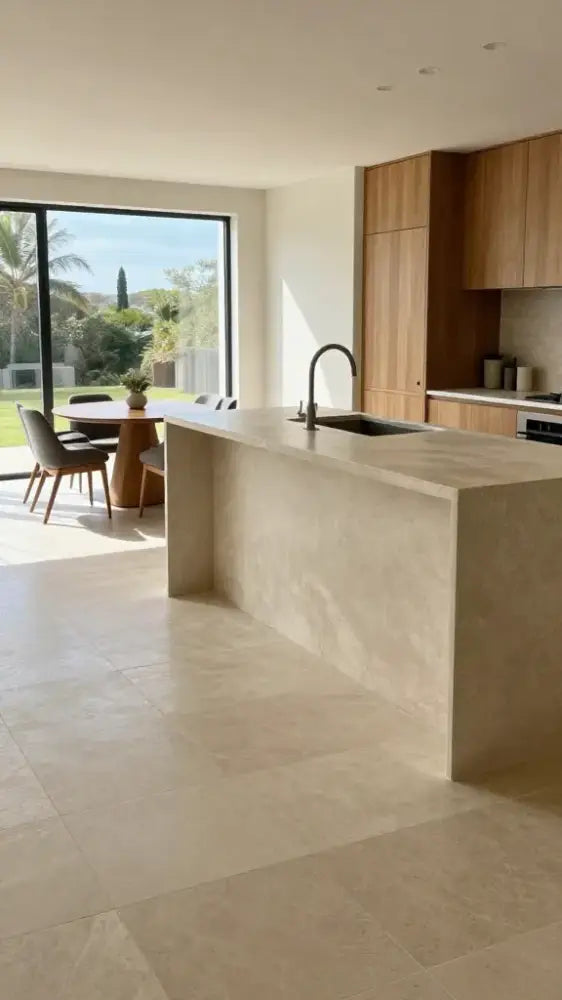
A honed finish is the smartest choice if you want the stone to look like it has been part of the home for decades. Unlike polished surfaces that reflect every light bulb in the room, this texture is matte and velvety to the touch.
It involves stopping the grinding process just before the stone becomes shiny, which leaves the cream limestone with a flat, consistent appearance. This specific texture hides the small scratches and etch marks that naturally occur in busy kitchens or high traffic hallways.
You won't have to worry about the constant upkeep of a mirror finish since the surface is already muted. It feels incredibly smooth under bare feet, making it a favorite for bathroom floors where you want comfort without a slippery glare.
The soft look brings out the subtle fossils and mineral veins that give cream limestone its character. It creates a calm, organic vibe that fits perfectly with a minimalist or modern farmhouse aesthetic.
4. Classic Polished Mirror Finish
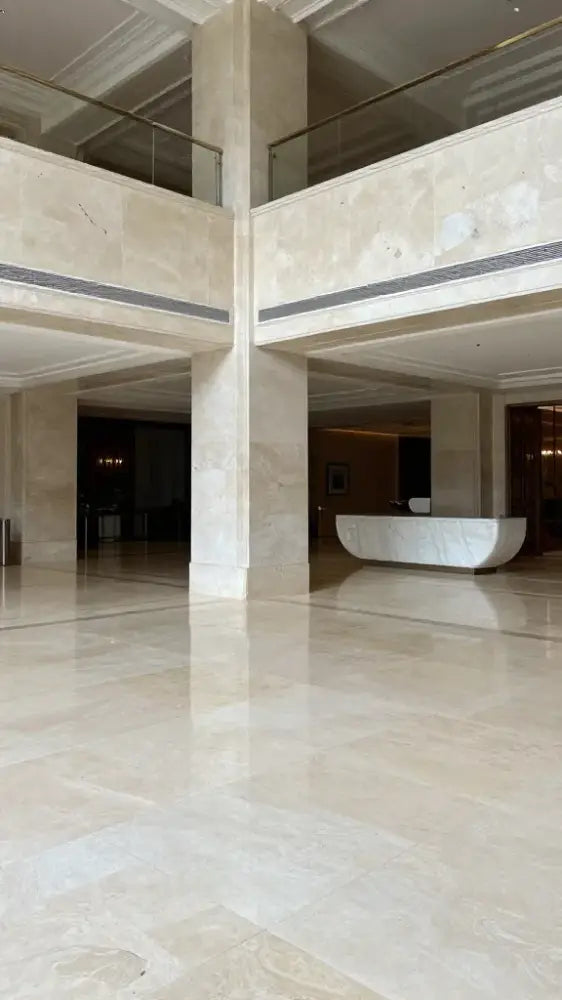
You'll usually see a mirror finish in high end hotel lobbies or grand entryways where the goal is to reflect as much light as possible. This specific polish involves grinding the stone with finer and finer abrasives until the surface becomes as smooth as glass.
It brings out the deep ivory and sandy tones of the cream limestone while making the natural fossils look incredibly sharp. Because the surface is so slick, it's much easier to wipe down than a textured finish since there aren't any tiny crevices for dust to hide in.
- Use this in small, dark hallways to bounce light around and make the space feel twice as big.
- Avoid using this on bathroom floors because the stone becomes very slippery when it gets wet.
- Keep a microfiber mop handy to quickly buff out any visible footprints or smudges.
It is the best choice if you want your floors to look like a still pool of water rather than just plain stone.
5. Rugged Tumbled Edges for Character
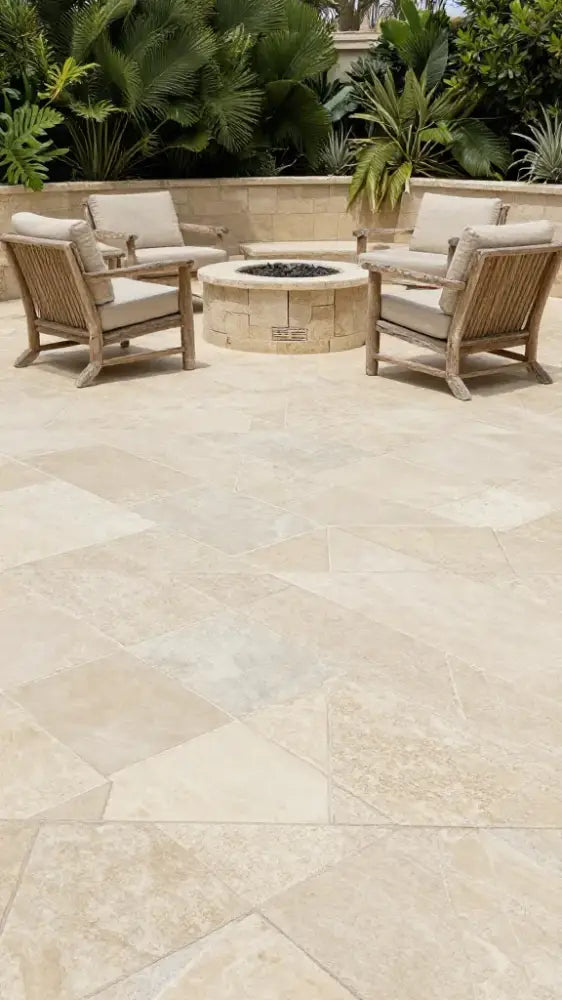
When people ask me how to make a new patio look like it's been there for decades, I always point them toward tumbled edges. This finish happens when the limestone tiles are placed in a large vibrating drum with abrasive grit and water. The process intentionally chips away the sharp corners to create a soft, weathered look.
You won't find any perfectly straight lines or clinical precision here. Each piece ends up with its own unique personality because the machine wears down the stone in an irregular way. It feels much more organic than a standard saw cut edge that you might see in a modern office building.
I love this style for high traffic areas because it's incredibly forgiving. If you accidentally drop a heavy garden tool and cause a tiny nick, it just blends right into the existing texture. You aren't constantly worrying about maintaining a pristine, polished surface that shows every single scratch.
The rounded edges also make the stone feel much softer underfoot. It’s a great choice if you have kids running around barefoot since there are no harsh, pointed corners to catch a toe on. It gives the entire space a relaxed, lived in vibe that feels warm and welcoming immediately after installation.
6. Traditional Bush Hammered Grip
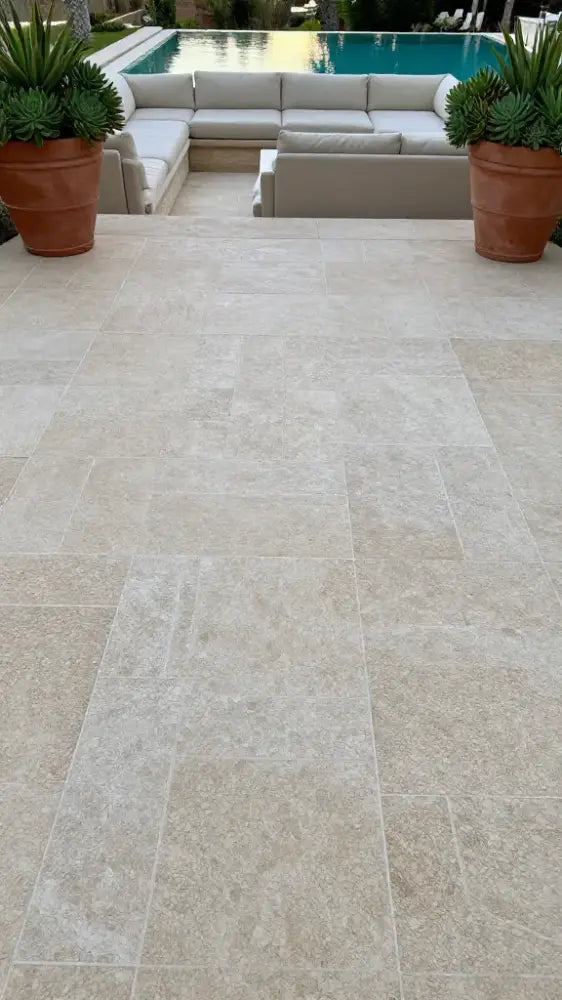
This finish is achieved by striking the stone with a specialized tool that looks a bit like a meat tenderizer. It creates a deeply textured surface full of tiny indentations that make the cream limestone look rugged and weathered.
The primary reason people choose this for their patios or pool decks is the incredible slip resistance it provides. Even when the stone gets soaked by a summer rain or a splashing pool, the rough texture keeps your feet firmly planted.
Beyond safety, it gives the stone a distinctive aesthetic that feels grounded and historic. Here are a few reasons why this specific grip works so well for outdoor spaces:
- Maximum Traction: The deep pits in the stone provide a high level of friction that prevents slipping in wet conditions.
- Masks Imperfections: Because the surface is already textured, small chips or scratches from patio furniture won't show up easily.
- Natural Color Muting: The hammering process lightens the cream tones, giving the limestone a soft, chalky appearance that reduces sun glare.
- Heat Dissipation: The uneven surface area helps the stone stay slightly cooler under bare feet compared to a flat, polished slab.
You'll often see this used on steps or heavy traffic walkways where safety is the main priority. It’s a practical choice that doesn't sacrifice that classic, earthy look you want from high quality limestone.
7. Seamless Indoor to Outdoor Transitions
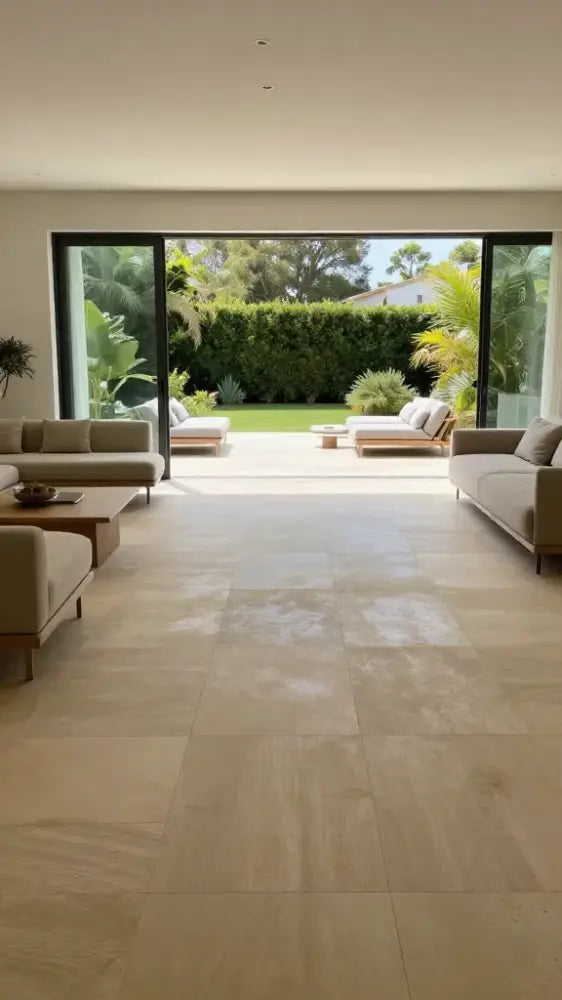
Some homeowners try to match different materials, like putting a beige porcelain in the kitchen and a similar colored concrete on the patio. This usually falls flat because the textures and slight color shifts create a visible break at the sliding door. It makes the house feel chopped up into small sections.
A better way involves using the exact same cream limestone for both spaces to blur the line between inside and out. You can use a honed finish for the interior floors where it feels soft underfoot, then switch to a sandblasted or tumbled version of that same stone for the pool deck. This keeps the visual plane identical while adding the necessary slip resistance for wet outdoor areas.
I always recommend choosing a consistent tile size, like large 24x36 inch slabs, to lead the eye straight through the glass. When the grout lines align perfectly from the living room to the terrace, your living space feels twice as big. It creates a cohesive look that feels intentional and high end without being flashy.
8. Heat Resistance for Fireplace Surrounds
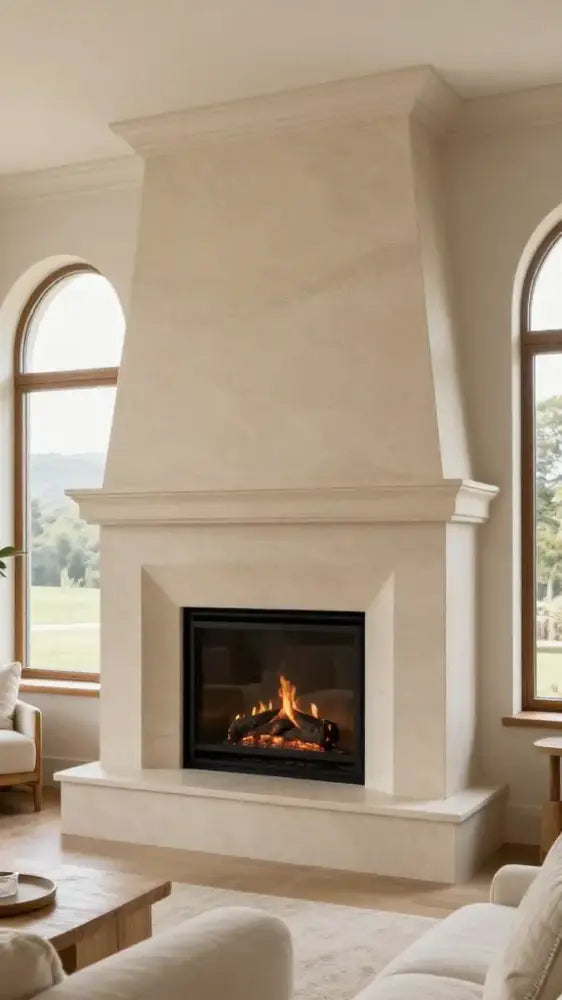
Nobody wants to invest in a gorgeous fireplace only to watch the stone crack or discolor the first time they light a fire. Since fireplaces are the natural focal point of a living room, the material needs to handle high temperatures without losing its structural integrity. Cream limestone is a fantastic choice because it's naturally dense and handles thermal stress much better than synthetic alternatives.
The stone absorbs and radiates heat slowly, which helps keep your room warm long after the flames die down. It won't warp or release toxic fumes when it gets hot, making it a safe and practical option for a busy family home. You can install it as a solid mantel, a hearth, or even as large format tiles that wrap around the entire chimney breast.
For the best results, you should choose a honed finish rather than a polished one. A matte surface hides the tiny expansion marks that occur over years of use, ensuring the stone looks aged and characterful rather than damaged. It's a reliable way to get that high end architectural look while knowing the stone can actually handle the heat of a real wood burning stove.
9. Light Reflectivity in Small Rooms
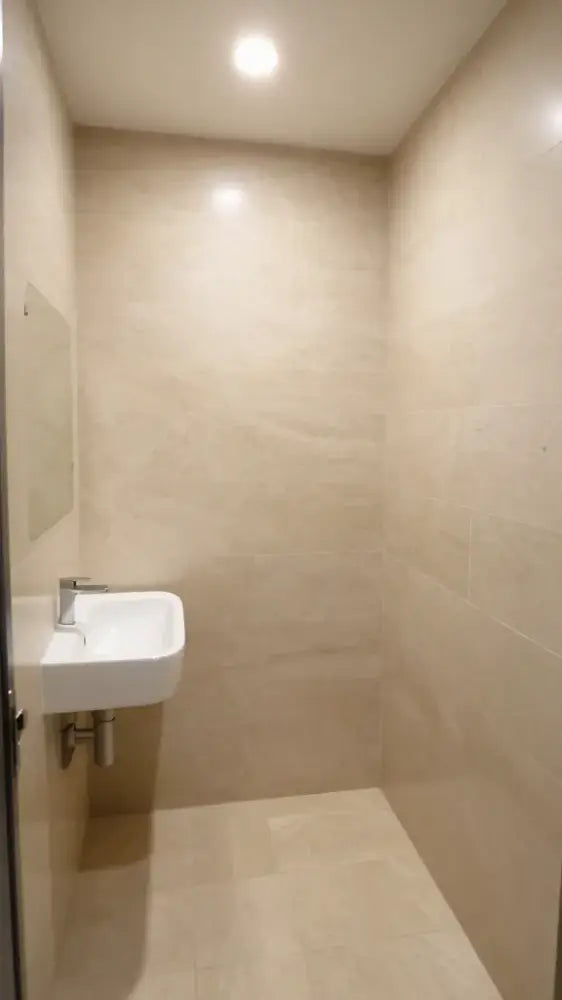
Imagine trying to brighten up a cramped guest bathroom that doesn't have a single window. When you install honed cream limestone on the walls, the space suddenly feels like it doubled in size because the stone catches every bit of overhead light.
| Feature | Effect on Small Rooms |
|---|---|
| Light Reflectance Value (LRV) | High, bounces light deep into corners |
| Surface Texture | Soft matte finish prevents harsh glare |
| Color Palette | Pale beige and sand tones create airiness |
The magic happens because cream limestone has a naturally high light reflectance value. Unlike dark slate or granite which absorbs light, these pale tiles act like a soft mirror for your lamps and fixtures.
This trick works wonders in narrow hallways or small galley kitchens. You get a bright, open feel without the clinical or cold look of stark white marble. It's a practical way to make a tiny footprint feel much more breathable and inviting.
10. Velvety Suede Feel Finishes
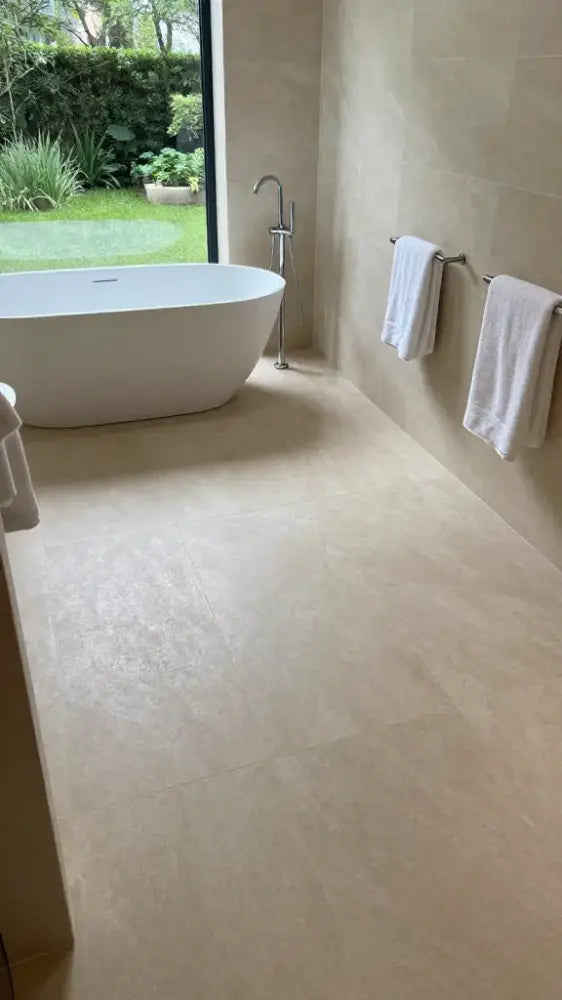
A suede finish on cream limestone is the closest you can get to walking on actual fabric. It removes the cold, sterile feeling often associated with stone and replaces it with a soft, tactile grip that feels incredible under bare feet.
This texture is achieved through a specialized brushing process that rounds off the sharp edges of the stone's pores. It creates a matte appearance that hides footprints and water spots much better than a high gloss surface ever could.
You'll find this finish works perfectly in master bathrooms where you want a spa vibe without the slip hazards. The subtle depth of the cream tones really pops when light hits the velvety ridges of the stone.
It brings a sense of warmth to large rooms that might otherwise feel too open or empty. It is a practical choice for high traffic areas because it resists the visible wear and tear of daily life.
11. Organic Scalloped Edge Detailing
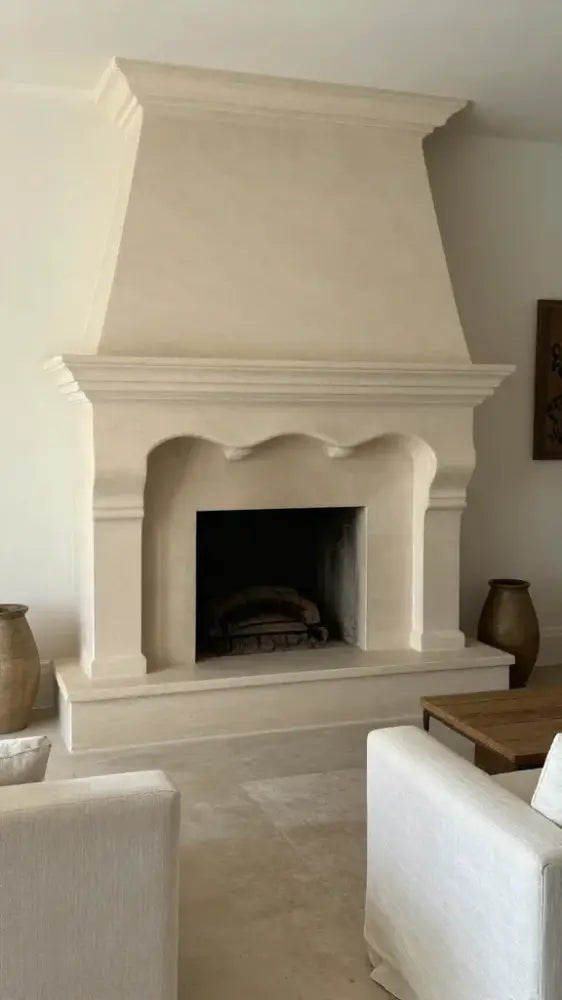
You'll often see scalloped edges on cream limestone used for custom fireplace surrounds or heavy kitchen island slabs. This specific detail softens the stone by mimicking the gentle curves of a seashell or a rolling wave.
The rhythmic pattern cuts through the natural rigidity of the rock, making a massive piece of limestone feel lighter and more intentional. It's a great way to bridge the gap between a rustic Mediterranean vibe and a more polished, modern interior style.
- Ask your fabricator for a honed finish on the scalloped grooves to prevent a shiny, artificial look.
- Use this edge on a bathroom vanity to hide small chips that usually happen on sharp, square corners.
- Keep the scallop width between two and three inches to ensure the pattern looks deliberate rather than cluttered.
Because the cream tones are so muted, the shadows created by these curves add a layer of visual depth that flat edges simply can't provide.
12. Durable High Traffic Kitchen Flooring
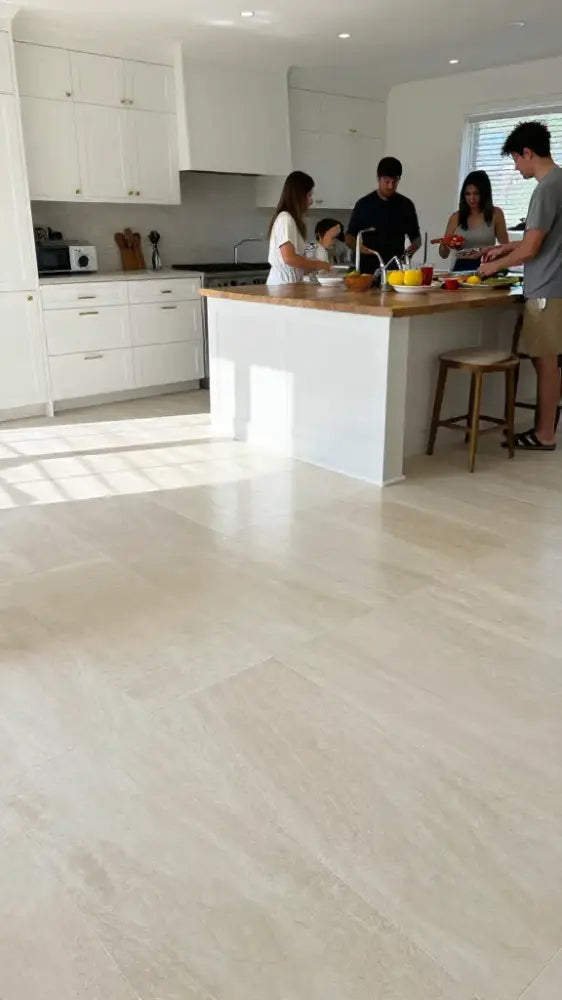
I get asked all the time if a lighter stone can actually handle a busy kitchen without falling apart. The truth is that dense cream limestone is surprisingly tough when you choose the right finish for your home.
It handles the constant foot traffic from kids and pets much better than people expect. You want to look for a honed or tumbled surface because these finishes naturally hide the small scuffs that happen over time.
Unlike polished marble that shows every single scratch, these matte textures stay looking great even after years of use. Once you apply a high quality sealer, it resists spills from coffee or wine quite well.
It's a practical choice for anyone who wants that soft, airy look without worrying about ruining their floors during a dinner party. The stone stays cool under your feet in the summer, which is a nice bonus when you're standing over a hot stove.
You'll find that the natural variations in the stone camouflage crumbs and dust between cleanings. It really is one of those materials that manages to be both beautiful and a total workhorse in the heart of the house.
13. Non Slip Sandblasted Patio Tiles
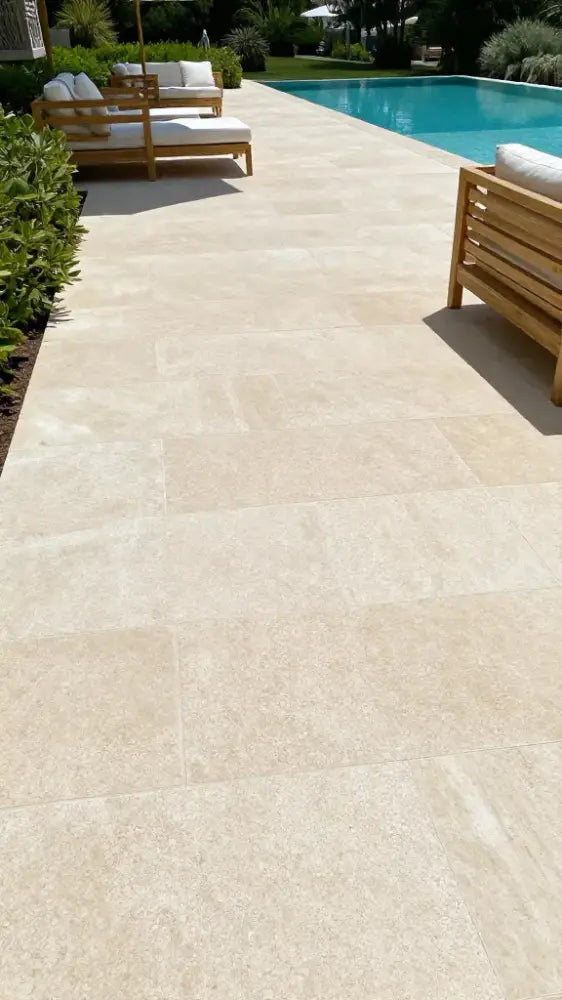
Cream limestone looks beautiful under the sun, but polished stone becomes a skating rink when it gets wet. Sandblasting fixes this by firing high speed grains at the surface to create a fine, pitted texture.
This process mutes the color slightly into a soft, milky tone that hides footprints and dried rain spots remarkably well. It is the practical choice for pool surrounds or open patios where kids are running around with wet feet.
- Superior Grip: The tiny indentations create friction that keeps your feet planted even during a summer downpour.
- Heat Reflection: This specific finish stays cooler than darker pavers, so you won't blister your soles in July.
- Durability: Sandblasting toughens the face of the stone, making it resistant to the scuffs caused by dragging heavy patio furniture.
- Uniform Color: The mechanical process evens out the natural fossils in the limestone to give you a consistent, high end look.
Maintenance is surprisingly easy since you can just power wash the grit out of the pores once a year. It gives you that high end Mediterranean villa vibe without the constant worry of someone slipping on a slick surface.
14. Monolithic Floor to Wall Looks
Some designers love to mix materials by pairing cream limestone floors with contrasting ceramic wall tiles or dark wood paneling. This creates clear visual boundaries and breaks the room into distinct sections, which works well if you want a cozy, defined space.
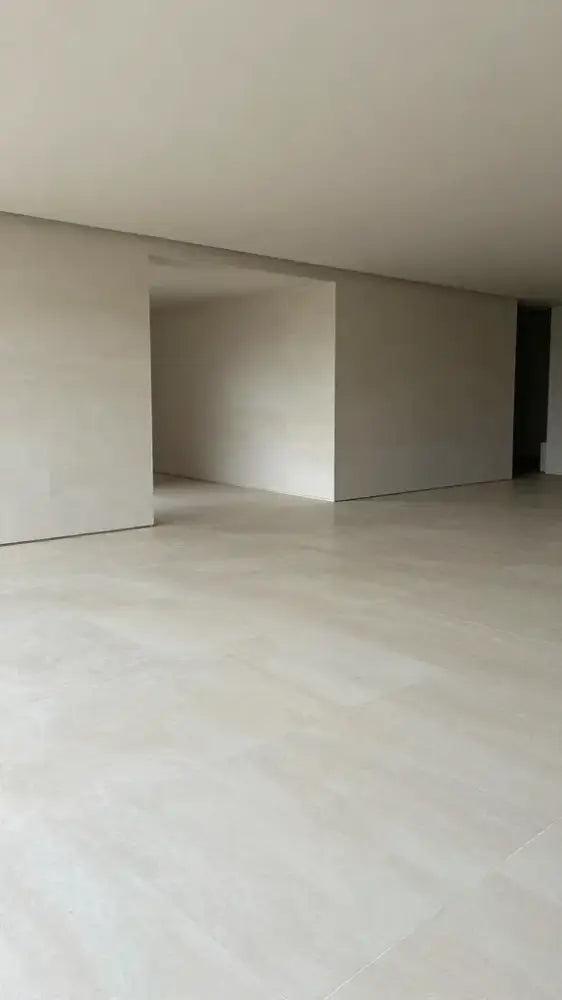
The alternative is the monolithic look, where the same limestone slab or tile runs continuously from the floor straight up the walls. This approach hides the transition lines and makes even a small bathroom feel like a massive, carved out stone sanctuary.
I usually recommend the monolithic approach for modern master suites or entryways. It creates a calm, architectural vibe that feels much more expensive than a mix-and-match design. Just make sure your installer aligns the grout lines perfectly to keep the visual flow unbroken.
15. Textured Split Face Feature Walls
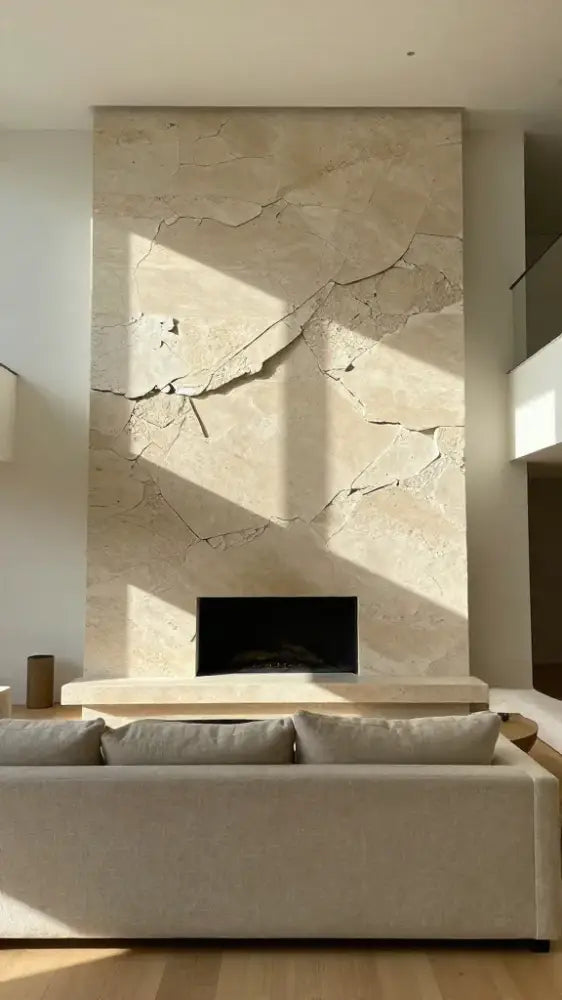
Flat, polished surfaces can sometimes feel a bit cold or sterile in a large room. Adding a split face feature wall brings in a rugged, organic energy that breaks up the monotony of smooth drywall or flat tile. It creates a focal point that catches the light and adds immediate character to your space.
This finish is created by snapping the limestone to reveal its natural, jagged interior texture. Because the stone isn't saw-cut or sanded, you get these beautiful variations in height and shadow that make the cream tones look much richer. It feels like you've brought a piece of a natural quarry right into your living room or entryway.
I love seeing this used behind a floating wooden mantle or as a backdrop for a modern bathtub. The rough surface creates a brilliant contrast against sleek glass or chrome fixtures. It's a smart way to add visual weight without needing to use dark or overwhelming colors.
16. Elegant Large Format Slab Layouts
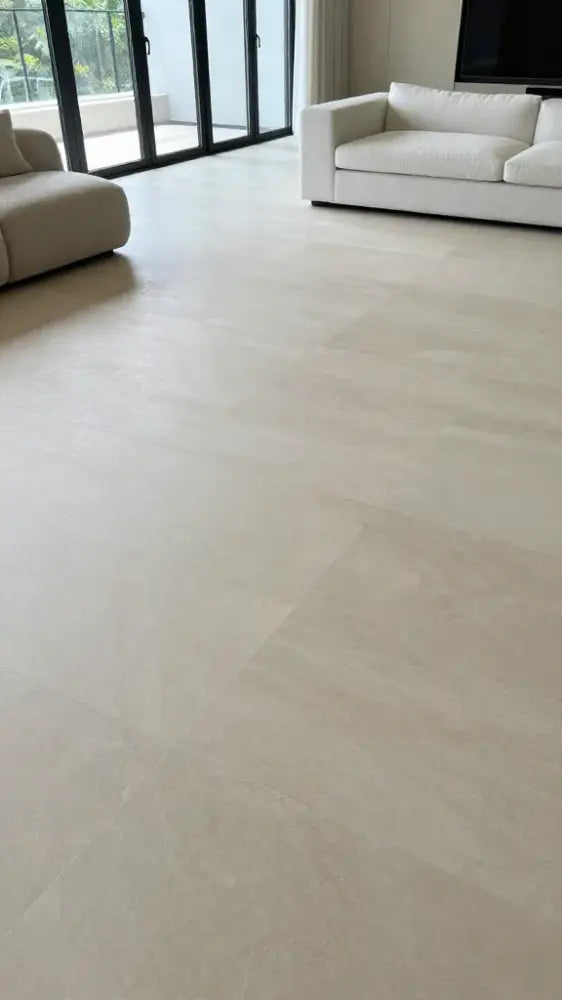
Imagine walking into a high end hotel lobby where the floor looks like one solid piece of stone. That effect comes from using oversized slabs rather than standard tiles, which creates a high end look that feels incredibly calm and expensive.
| Feature | Standard Tiles | Large Format Slabs |
|---|---|---|
| Grout Lines | Heavy and visible | Minimal and hidden |
| Visual Flow | Interrupted pattern | Continuous stone veining |
| Maintenance | Scrubbing grout joints | Easy wipe surfaces |
When you use cream limestone in these massive formats, the natural fossils and subtle color shifts really get a chance to breathe. You aren't cutting off the beauty of the stone every twelve inches with a messy grout line.
This layout style works best in open floor plans or as a full height wall feature in a primary bath. It makes even a modest room feel twice as large because your eyes don't get stuck on a grid pattern.
17. Timeless French Pattern Stone Paving
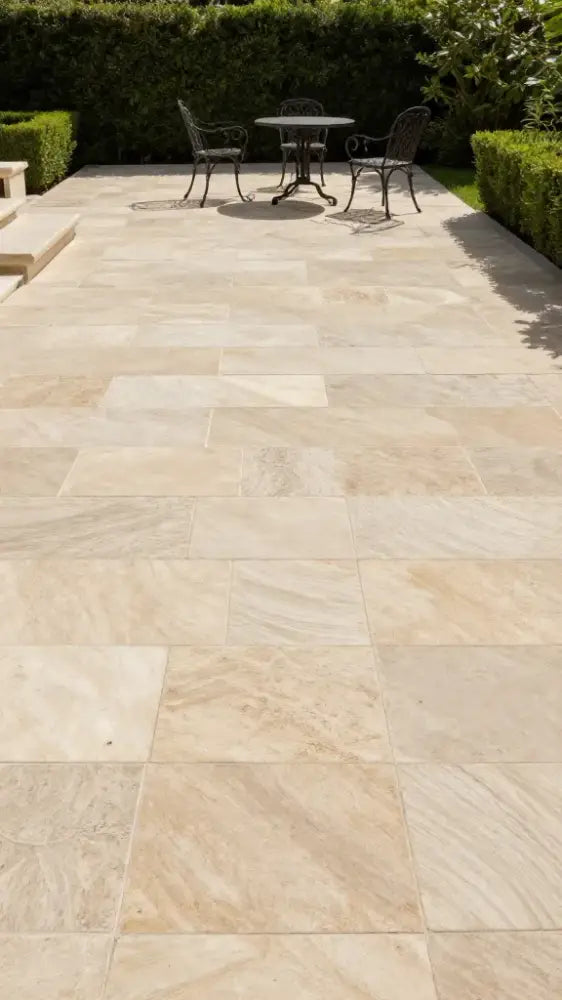
A French pattern layout is the most effective way to break up the visual monotony of a large patio or pool deck. This specific arrangement uses four different sizes of cream limestone tiles to create a modular look that feels organic rather than rigid.
The staggered joints hide imperfections in your outdoor space and draw the eye across the natural variations in the stone. It reminds me of old European courtyards where the design feels like it has existed for centuries.
Because cream limestone has subtle tonal shifts, the multi size pattern highlights those creamy beiges and soft whites without looking cluttered. It is a smart choice for high traffic areas because the irregular lines naturally mask foot traffic and light wear.
You get a custom look that feels hand crafted even if the stones are precision cut. This layout works best with tumbled edges to lean into that authentic, lived in aesthetic.
18. Soft Pillowed Edge Comfort
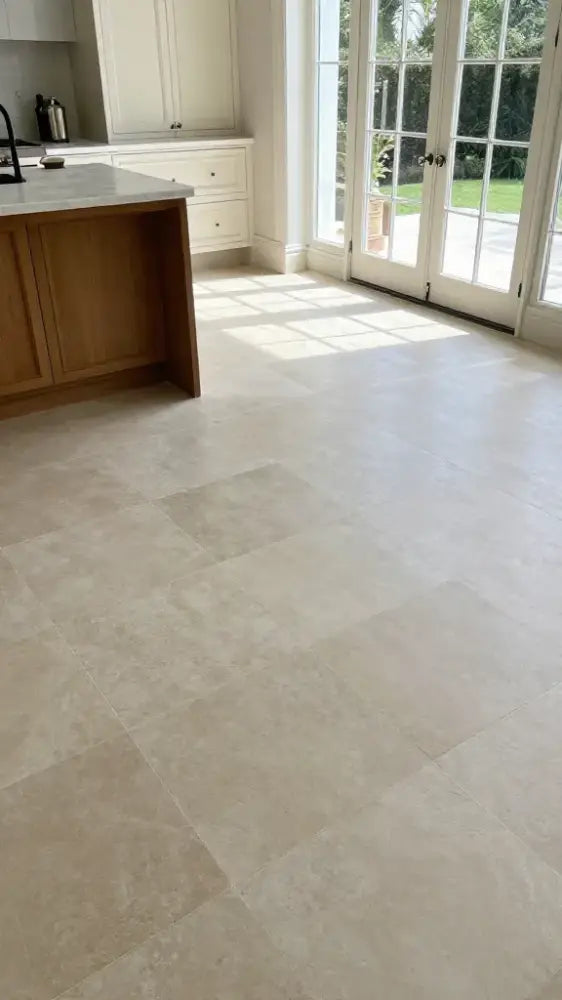
You'll often find these edges on large format floor tiles in high traffic kitchens or sunrooms. The slight curve is sanded down by hand or machine to remove the sharp, 90 degree angle that usually comes with stone.
This creates a cushioned appearance that makes the entire floor look more inviting and less industrial. It also happens to be a lifesaver for bare feet since there are no jagged points to catch your toes on as you walk.
- Choose a 3mm to 5mm radius for the most natural, weathered look in your hallway.
- Use a matching light grout to emphasize the rounded shadow lines between each slab.
- Seal the curved edges twice to prevent moisture from soaking into the porous limestone surface.
It's the best way to get that lived in, historic farmhouse feel without waiting decades for natural wear to take effect.
19. Minimalist Zero Grout Line Installation
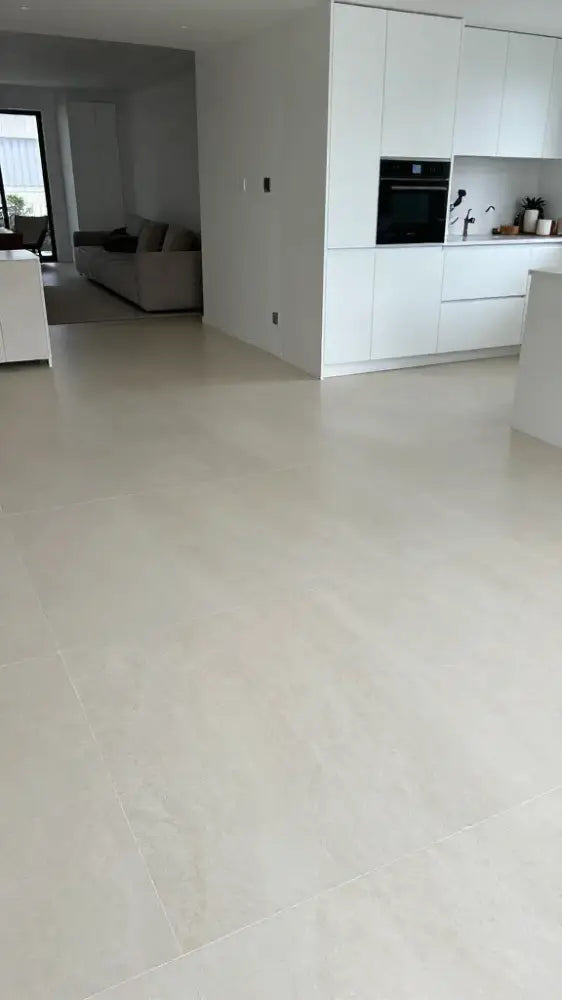
If you're tired of seeing those thick, messy lines between your floor tiles, you'll love the rectified edge look. Most people don't realize that cream limestone can be cut so precisely that the tiles sit almost flush against each other.
This method uses a tiny, color matched joint that's barely visible to the naked eye. It makes the entire floor look like one solid piece of stone rather than a grid of individual squares.
The trick is finding a stone with a very high density that won't chip during the tight installation. When you use a light cream shade, the minimal grout blends into the natural fossils and veins of the limestone.
You end up with a smooth surface that's much easier to clean because dirt has nowhere to hide. It creates a quiet, high end feel that works perfectly in modern living rooms or open kitchens.
Just make sure your subfloor is perfectly level before you start. Since the gaps are so small, there's no room for error if the ground underneath is uneven.
20. Stain Resistant Protective Sealants
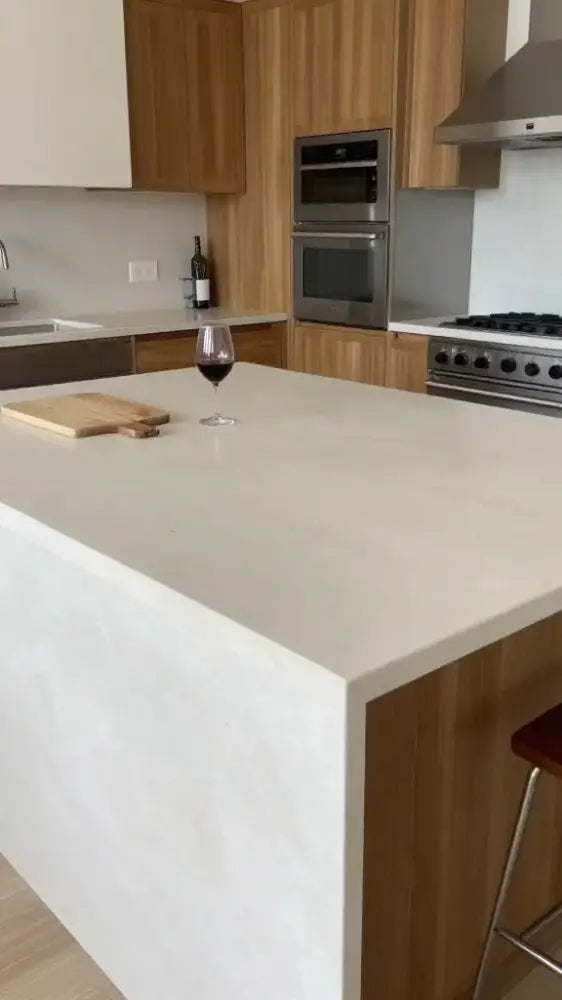
Cream limestone is naturally porous, which means it can soak up liquids like a sponge if you aren't careful. Applying a penetrating sealer is the best way to keep that pale, elegant surface from turning into a map of old coffee spills and wine rings.
These sealants work by filling the microscopic gaps in the stone without changing how it looks or feels. You get a hidden shield that buys you enough time to wipe up messes before they become permanent eyesores.
- Invisible Barriers create a shield that prevents oils and water from soaking into the deep pores of the rock.
- Breathable Formulas allow moisture vapor to escape from the stone so it doesn't crack or discolor over time.
- Easy Maintenance means you only need a damp cloth and mild soap for daily cleaning instead of harsh chemicals.
- Long-Term Protection helps the cream color stay bright and consistent for years rather than fading or yellowing.
The most important thing to remember is that you need a solvent based sealer for the best results on dense cream limestone. These products sink deeper into the surface than water based versions, providing a much stronger defense against tough kitchen stains.
21. Hand Carved Architectural Moldings
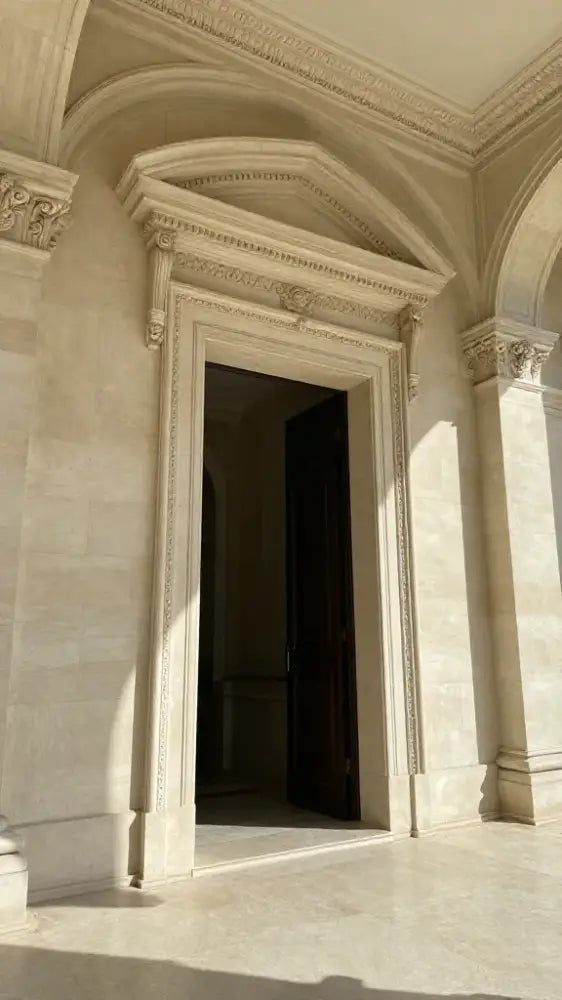
You can choose between machine cut profiles or hand carved details when planning your limestone trim. Machine cuts offer a precise, uniform look that works well for modern homes with clean lines. However, they often lack the depth and character that gives a stone facade its soul.
Hand carving allows a mason to create deep undercuts and shadows that a diamond blade simply cannot reach. You'll see the subtle tool marks and organic curves that make a doorway or window surround feel like a piece of art. It creates a texture that catches the afternoon light in a way that flat, factory edges never will.
I always recommend going with hand carved moldings for high impact areas like the main entrance or a fireplace mantel. While it costs more upfront, the artisanal quality makes the cream limestone look like it has been there for a century. It turns a standard architectural element into a custom focal point that defines the entire room.
22. Cool Surface Temperature for Bathrooms
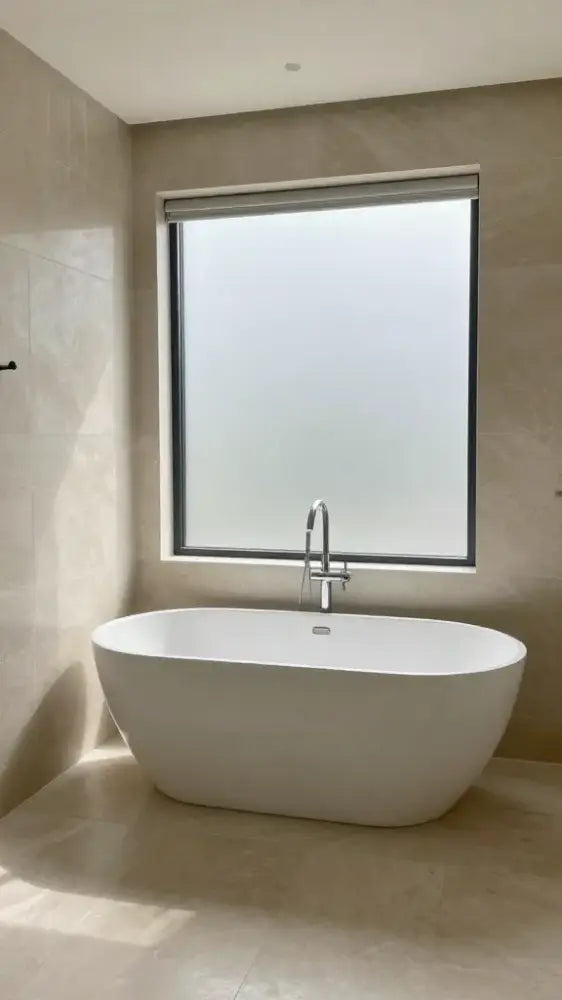
Stepping out of a hot shower onto a floor that feels like a furnace is a quick way to ruin a relaxing morning. Bathrooms naturally trap heat and humidity, which can make dense tiles feel uncomfortably warm or sticky under your feet. Cream limestone stays naturally temperate because of its unique density and light color profile.
The stone acts as a natural thermal regulator, reflecting light rather than absorbing it like darker marbles or porcelains. This means your bathroom floor remains refreshing and crisp even when the room is full of steam. It provides a steady, neutral surface that feels soft and soothing against bare skin.
You can use large format limestone slabs in the walk-in shower area to maintain this cooling effect right where you need it most. Since the stone isn't prone to extreme temperature swings, it creates a stable environment that feels high-end without the need for complex cooling systems. It's a practical choice for anyone who wants their bathroom to feel like a quiet, temperature-controlled sanctuary year round.
23. Subtle Brushed Antique Appearance
| Feature | Polished Finish | Brushed Antique |
|---|---|---|
| Texture | Glassy and flat | Softly rippled |
| Light Reflection | High glare | Muted glow |
| Maintenance | Shows every scratch | Hides wear naturally |
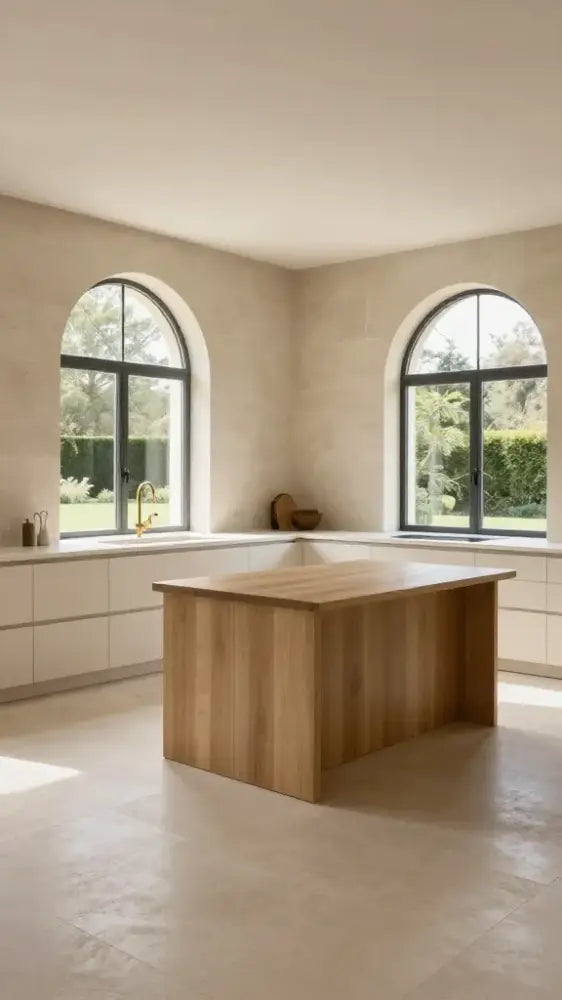
Imagine walking into a sunlit kitchen where the floor looks like it has been there for a century, even though it was installed last week. This specific finish uses stiff wire brushes to scrub away the softer parts of the limestone surface.
The process leaves behind a gentle, undulating texture that feels incredible under bare feet. It creates a matte look that doesn't reflect harsh overhead lighting like a mirror would.
You won't have to panic if someone drops a fork or drags a chair across the room. Because the surface already has a weathered character, small scuffs simply blend into the natural pattern of the stone.
This style works perfectly for high traffic areas like entryways or mudrooms where you want style without the stress. It gives your home a lived in feel that stays beautiful without constant buffing.
24. Sustainable Sourcing from Natural Quarries
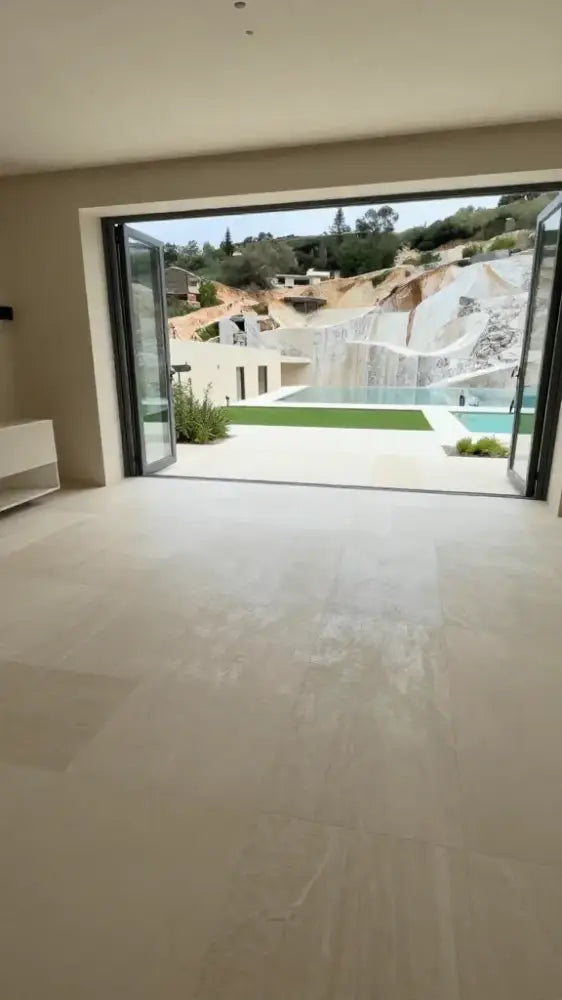
Choosing cream limestone is one of the most eco-friendly decisions you can make for a home renovation. Unlike synthetic materials that require massive amounts of energy and chemicals to manufacture, this stone is harvested directly from the earth with minimal processing.
Most reputable quarries now use advanced water recycling systems to cool their diamond saws during the cutting process. This means the environmental footprint stays remarkably low from the moment the block leaves the ground until it reaches your floor.
You are getting a product that is literally millions of years old and contains no volatile organic compounds or harmful plastics. When the stone eventually reaches the end of its life, it can be crushed into gravel or repurposed for new masonry projects.
Natural stone quarries are also subject to strict land reclamation laws that ensure the site returns to a natural state once extraction finishes. It is a circular lifecycle that synthetic tiles simply cannot match.
Wrapping Up
Choosing cream limestone is a smart way to bring warmth and natural light into your home. These twenty four features show why this material stays popular for both modern and classic styles. You now have the information needed to pick a finish that fits your specific project. Take these ideas to your local stone yard and start planning your renovation today.

Leave a comment