
Natural Stone Sourcing: Quality, Ethics, and Impact

Most American designers are surprised to learn that only about 25 percent of natural stone used in luxury projects is sourced through certified sustainable practices. As demand for transparency and environmental responsibility grows in Southern California, understanding how natural stone reaches your project has never been more crucial. This guide helps you recognize what sets truly ethical stone sourcing apart, highlighting the standards, origins, and certifications that matter for both residential and commercial spaces.
Table of Contents
- Defining Natural Stone Sourcing Practices
- Types of Natural Stone and Their Origins
- Evaluating Quality and Authenticity Standards
- Sustainable and Ethical Sourcing Considerations
- Cost, Lead Time, and Importation Challenges
Key Takeaways
| Point | Details |
|---|---|
| Sustainable Sourcing | Prioritize natural stone from quarries that implement sustainable practices and provide clear documentation of extraction methods. |
| Material Evaluation | Use comprehensive quality assessment methods, including visual inspection and physical testing, to ensure stone authenticity. |
| Economic Considerations | Be aware of tariffs, shipping complexities, and currency fluctuations that may affect the cost and lead time for natural stone procurement. |
| Regulatory Compliance | Understand and navigate international import regulations to facilitate smooth procurement processes. |
Defining Natural Stone Sourcing Practices
Natural stone sourcing represents a complex process that involves strategic extraction, environmental responsibility, and ethical considerations across global quarrying operations. Sustainable quarrying practices have become increasingly critical in modern design and construction industries, with designers and architects demanding transparency in material origins.
The extraction of natural stone requires sophisticated methodologies that balance environmental preservation with industry needs. Responsible sourcing involves comprehensive assessment of quarry sites, understanding geological formations, and implementing practices that minimize ecological disruption. Key components of ethical sourcing include:
- Minimizing landscape alteration
- Implementing responsible water management
- Reducing carbon footprint during extraction
- Ensuring worker safety and fair labor practices
- Maintaining transparent supply chain documentation
Third-party certifications from the Natural Stone Institute provide critical validation for stone sourcing standards. These certifications evaluate quarries based on environmental impact, worker conditions, and sustainable extraction techniques. Designers seeking premium materials must look beyond aesthetic qualities and prioritize stones sourced through rigorous, responsible processes.
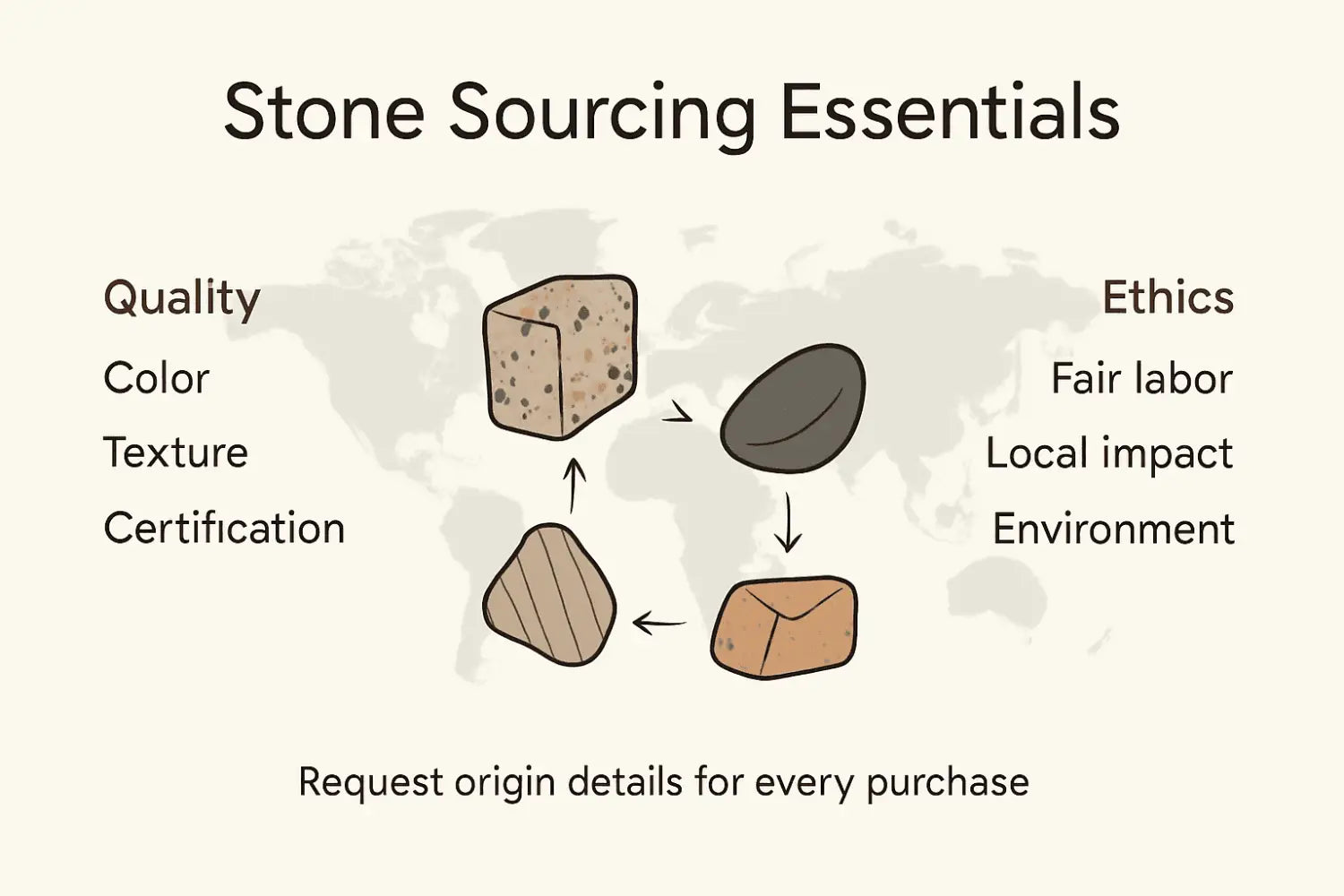
Pro tip: When selecting natural stone, request detailed documentation about the stone’s origin, extraction methods, and sustainability certifications to ensure ethical procurement.
Types of Natural Stone and Their Origins
Understanding the diverse world of natural stone requires exploring the geological formations and unique characteristics that define different stone types. Natural stone varieties encompass several primary categories with distinct geological origins, each offering unique aesthetic and functional properties for architectural and design applications.
The primary types of natural stone include:
- Granite: An igneous rock formed from cooled magma, characterized by its durability and speckled appearance
- Marble: A metamorphic stone created through intense heat and pressure, prized for its luxurious veining
- Limestone: A sedimentary rock composed of calcium carbonate, offering soft tones and subtle textures
- Slate: A fine-grained metamorphic rock known for its layered structure and excellent cleavage properties
- Quartzite: A hard, metamorphic rock formed from sandstone, featuring exceptional strength and resistance
Global stone extraction sites reveal fascinating variations in stone characteristics and geological formations. The United States offers rich quarrying regions in states like Vermont, Georgia, and California, while international sources include Italian marble quarries, Spanish slate regions, and Brazilian granite fields. Each location contributes unique mineral compositions and visual characteristics that distinguish their stone products.
Here’s a concise overview of major natural stone types, their geological origins, and common regional sources:
| Stone Type | Geological Origin | Notable Regions |
|---|---|---|
| Granite | Igneous | Brazil, USA, India |
| Marble | Metamorphic | Italy, Greece, Turkey |
| Limestone | Sedimentary | USA, France, Egypt |
| Slate | Metamorphic | Spain, UK, USA |
| Quartzite | Metamorphic | Brazil, USA, South Africa |
Pro tip: Request stone samples from multiple geographic origins to understand the subtle variations in color, texture, and performance that different regional sources provide.
Evaluating Quality and Authenticity Standards
Quality assessment in natural stone involves comprehensive evaluation of multiple critical factors that determine material integrity, performance, and market value. ANSI standards provide a rigorous framework for establishing consistent quality benchmarks across the natural stone industry, ensuring designers and architects can confidently select premium materials.
Authenticity and quality evaluation encompasses several key dimensions:
- Visual Inspection: Analyzing color consistency, natural patterns, and surface uniformity
- Physical Testing: Measuring compressive strength, water absorption rates, and durability
- Geological Verification: Confirming mineral composition and origin through scientific analysis
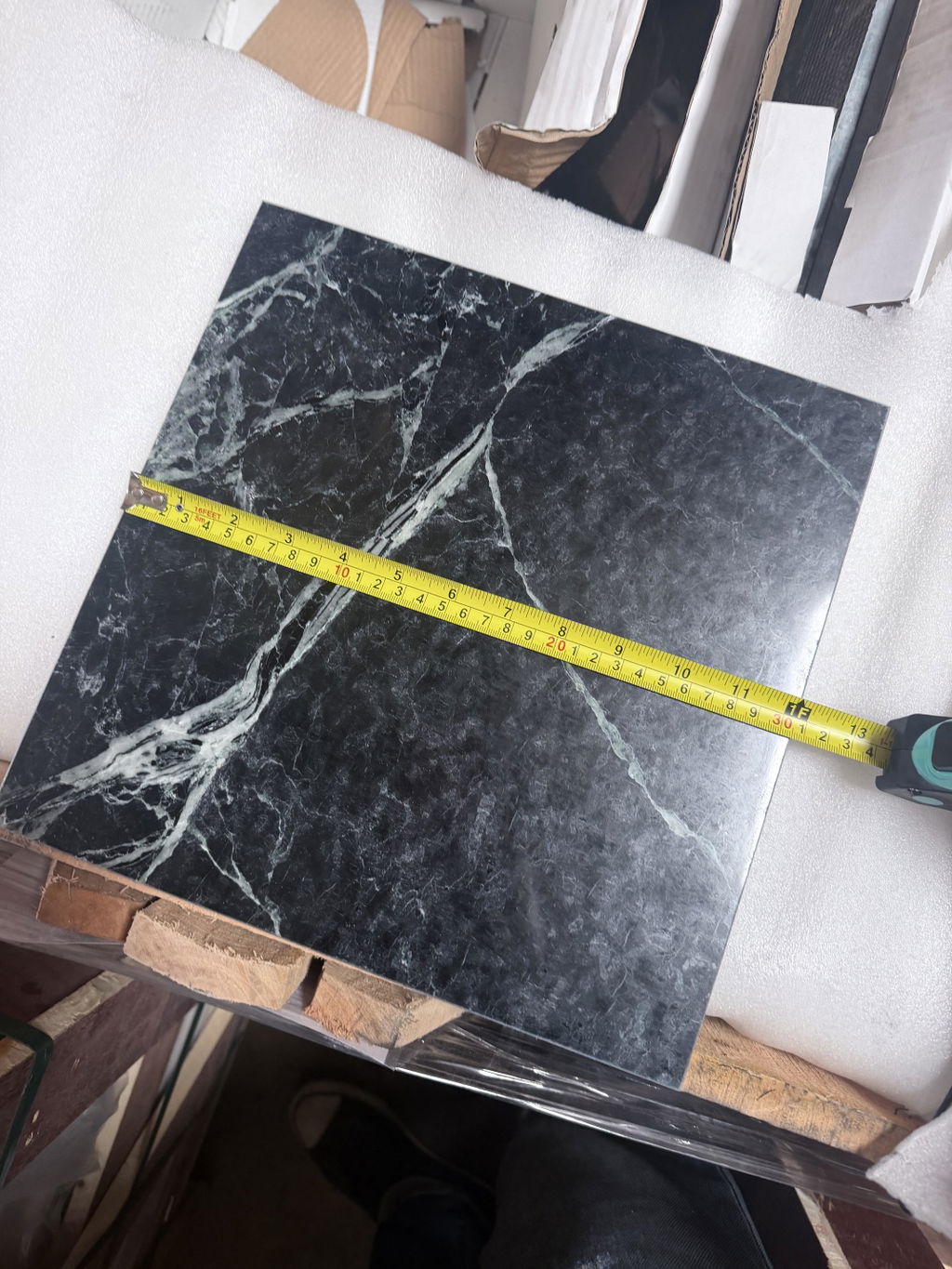
- Dimensional Accuracy: Checking precise measurements and cut tolerances
- Surface Finish: Evaluating smoothness, polish, and potential treatment techniques
Professional stone specialists employ advanced diagnostic techniques to validate stone authenticity, including spectroscopic analysis, microscopic examination, and comparative geological mapping. These methodologies help distinguish genuine, high-quality natural stone from inferior or synthetic alternatives. Critical considerations include understanding regional variations, quarry-specific characteristics, and the unique geological processes that create each stone’s distinctive appearance.

Pro tip: Request comprehensive material certification and conduct independent laboratory testing before making significant stone procurement decisions to ensure absolute quality and authenticity.
Sustainable and Ethical Sourcing Considerations
Sustainable natural stone sourcing represents a critical intersection of environmental responsibility, social consciousness, and industry innovation. Designers and architects increasingly recognize that material selection extends far beyond aesthetic considerations, demanding comprehensive evaluation of extraction practices, worker conditions, and ecological impact.
Key sustainable sourcing principles include:
- Environmental Protection: Minimizing ecosystem disruption during quarrying
- Worker Welfare: Ensuring safe working conditions and fair compensation
- Carbon Footprint Reduction: Implementing energy-efficient extraction and transportation methods
- Local Community Support: Creating economic opportunities in stone-producing regions
- Regenerative Practices: Developing land restoration strategies post-quarrying
Modern stone procurement requires a holistic approach that balances economic objectives with environmental stewardship. This means conducting thorough due diligence on quarry operations, understanding supply chain transparency, and prioritizing vendors who demonstrate commitment to responsible extraction techniques. Advanced tracking systems now allow designers to trace stone materials from original geological site through processing and transportation, providing unprecedented insight into each stone’s environmental and social journey.
Pro tip: Request detailed sustainability documentation from stone suppliers, including carbon offset programs, worker welfare certifications, and ecological restoration plans before finalizing material selections.
Cost, Lead Time, and Importation Challenges
Navigating the complex landscape of natural stone procurement requires a nuanced understanding of economic factors and international trade dynamics. Recent U.S. tariffs have significantly transformed the natural stone import ecosystem, creating unprecedented challenges for designers and architects seeking premium materials.
Key cost and importation considerations include:
- Tariff Impact: Unexpected duty increases affecting material pricing
- Shipping Complexity: Extended transportation timelines and logistics challenges
- Currency Fluctuations: Exchange rate variations influencing stone procurement costs
- Regulatory Compliance: Navigating international import regulations
- Supply Chain Disruptions: Managing unexpected delays and inventory constraints
Global supply chain factors now play a critical role in determining project feasibility and stone material selection. Designers must now factor in extended lead times, potential tariff adjustments, and intricate international shipping protocols when planning stone-based projects. Sophisticated procurement strategies now require comprehensive risk assessment, including contingency planning for potential supply chain interruptions and proactive vendor relationship management.
Compare key factors impacting natural stone procurement cost and logistics across domestic and international sources:
| Factor | Domestic Sourcing | International Sourcing |
|---|---|---|
| Average Lead Time | 2-4 weeks | 6-12 weeks |
| Tariff Risk | Minimal | High |
| Documentation Burden | Standard local forms | Complex import forms |
| Supply Disruption Risk | Lower | Higher |
Pro tip: Develop flexible project timelines and maintain multiple international sourcing relationships to mitigate potential supply chain disruptions and manage potential cost fluctuations.
Discover Ethical and Premium Natural Stone Solutions at Surfaces Galore
Sourcing natural stone with confidence means overcoming challenges like ensuring authenticity, managing environmental impact, and navigating complex import logistics. The article highlights the importance of quality standards, sustainability, and transparent supply chains — concerns every designer and architect shares. At Surfaces Galore, we address these pain points by directly importing premium marble and travertine tiles along with decorative mosaics, offering you authentic materials sourced responsibly with clear provenance.

Elevate your projects today with Surfaces Galore’s commitment to quality and ethics. Explore our extensive collection and gain peace of mind knowing each product reflects rigorous standards and sustainable practices. Visit Surfaces Galore to find the perfect natural stone that meets your aesthetic and ethical goals. Don’t wait to experience affordable elegance backed by nationwide shipping and expert support. Your next masterpiece starts here.
Frequently Asked Questions
What are the key principles of sustainable natural stone sourcing?
Sustainable natural stone sourcing encompasses environmental protection, worker welfare, carbon footprint reduction, local community support, and regenerative practices post-quarrying. These principles ensure that the extraction process is responsible and socially conscious.
How can I evaluate the quality and authenticity of natural stone?
To evaluate natural stone, consider conducting visual inspections, physical testing, geological verification, dimensional accuracy checks, and assessing surface finishes. Request comprehensive material certification and consider independent laboratory testing to ensure quality and authenticity.
What types of natural stone are commonly used in the industry?
The primary types of natural stone include granite, marble, limestone, slate, and quartzite. Each type has unique properties and geological origins, offering different aesthetic and functional benefits for architectural and design applications.
What impact do tariffs and import regulations have on natural stone procurement?
Tariffs can significantly affect material pricing, leading to unexpected cost increases. Additionally, international shipping complexities, regulatory compliance requirements, and potential supply chain disruptions are critical factors to consider when procuring natural stone.

Leave a comment