
See 15 ways to use natural stone mosaic finishes in your home decor.


Adding a natural stone mosaic to your home is one of the best ways to bring in texture and personality. These materials are durable and timeless, but it can be hard to decide where they look best. This list covers fifteen practical ways to use these finishes in your kitchen, bathroom, or outdoor spaces. You will find plenty of inspiration to help you start your next renovation project.
1. Polished Marble Entryway Floors
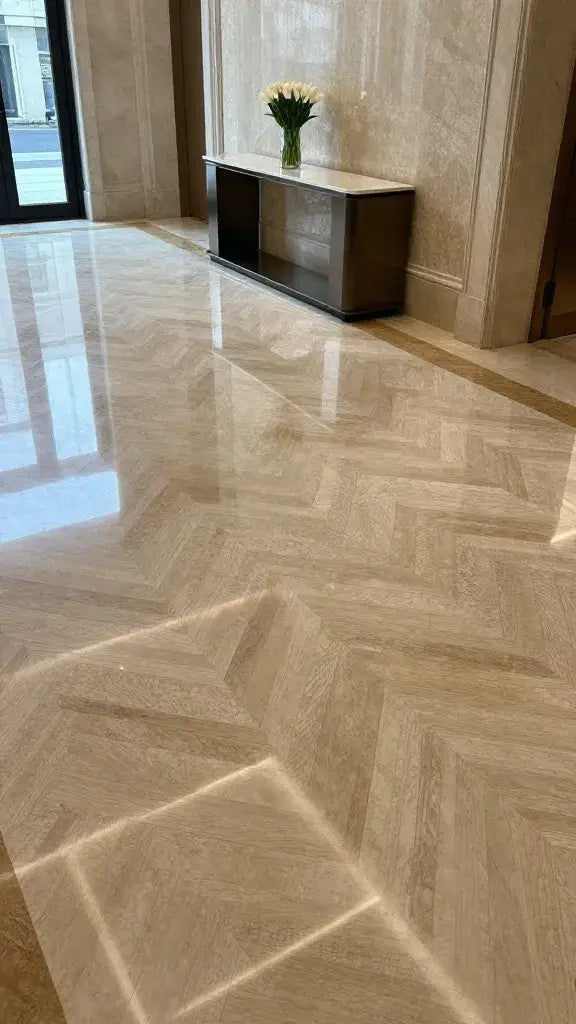
Your entryway is the first thing guests see when they walk through the door. Polished marble mosaics instantly signal that your home is a place of quality and care without feeling too stiff or formal.
The reflective surface of a polished finish helps bounce light around a small foyer, making a tight space feel much brighter. You can use a classic herringbone pattern or a simple basketweave to add visual interest right at the threshold.
I recommend choosing a stone with subtle grey or gold veining, like Carrara or Calacatta, to hide the occasional bit of dust. Since these mosaics have plenty of grout lines, they actually offer more grip than a single large slab of slippery stone.
Just make sure to apply a high quality sealer once the floor is installed. This protects the marble from muddy shoes and rain drips, keeping the finish bright for years.
2. Slate Kitchen Backsplashes
| Feature | Honed Slate | Cleft Slate |
|---|---|---|
| Texture | Smooth and matte | Rough and layered |
| Cleaning | Easy to wipe down | Requires more scrubbing |
| Vibe | Modern and minimalist | Rustic and earthy |
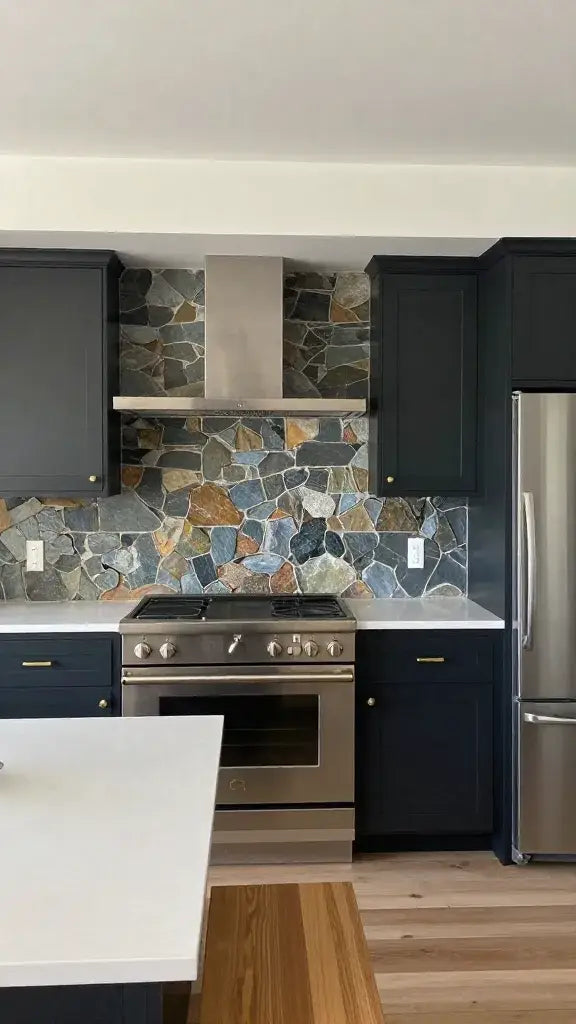
Picture a kitchen with charcoal cabinets and brass hardware where the walls feel a bit flat. Adding a multi-toned slate mosaic behind the stove immediately adds depth through its natural color shifts from deep blues to rusty oranges.
Slate is naturally resistant to heat and water, making it a practical choice for high splash zones. You should choose a cleft finish if you want that rugged look, but keep in mind that grease can sometimes hide in those uneven ridges.
If you prefer a cleaner look, go with honed tiles. They still offer that gorgeous, moody gray palette without the heavy texture. Just make sure to apply a high quality sealer every year to keep the stone from absorbing cooking oils.
3. Pebble Tile Shower Floors
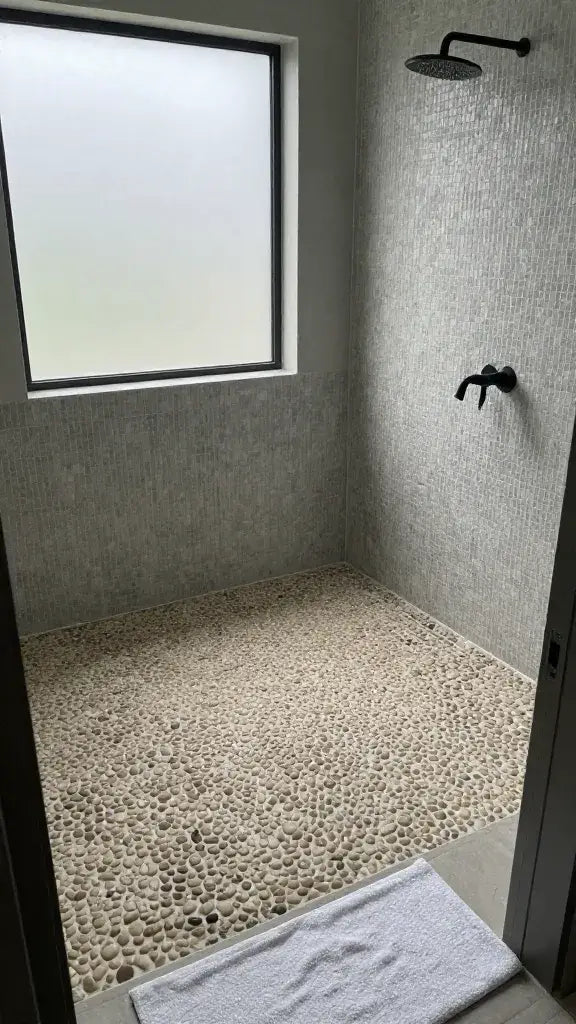
Walking onto a pebble tile shower floor feels exactly like a foot massage after a long day at work. These rounded stones create a textured surface that prevents slipping, making them much safer than polished marble or slick ceramic.
You'll want to choose a sliced pebble if you prefer a flatter surface that's easier on sensitive arches. Flat stones also require less grout, which means you spend less time scrubbing with a toothbrush on the weekends.
Natural river stones come in earthy grays, tans, and deep charlatans that hide water spots remarkably well. Since these tiles come on mesh sheets, they wrap around curved drains or corner benches without needing awkward cuts.
Just make sure to apply a high quality sealer before your first shower to keep the stones from darkening unevenly. This simple step protects the porous rock from soap scum and keeps the grout lines looking fresh for years.
4. Textured Travertine Feature Walls
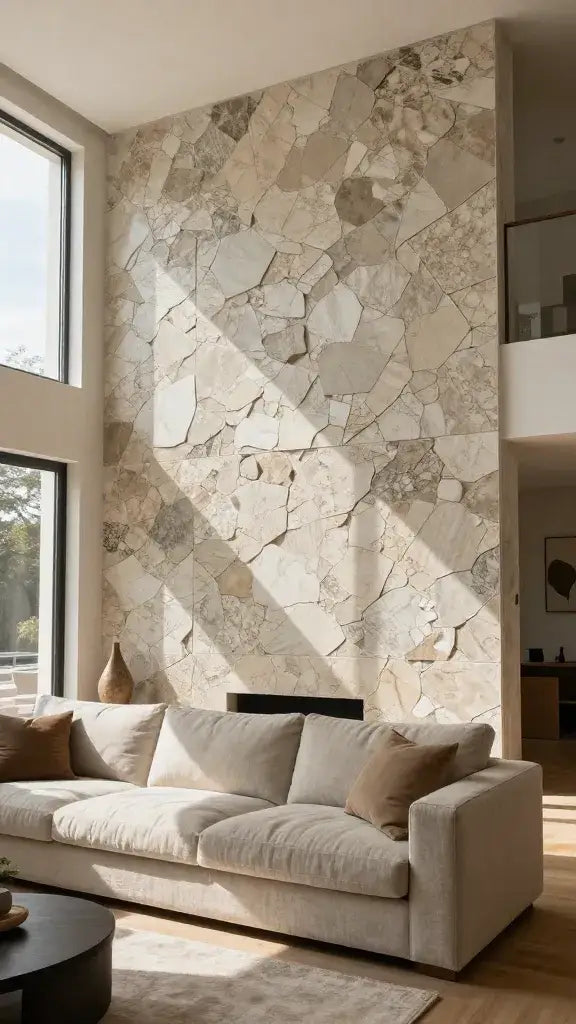
Installing travertine mosaic tiles behind a bed or a sofa creates a focal point that feels expensive without being flashy. The natural pits and holes in the stone catch shadows from overhead lighting, which adds a layer of depth that flat paint just cannot replicate.
You should look for tiles with a split-face finish to get that rugged, earthy look. This specific texture hides imperfections well and makes the room feel much warmer and more grounded.
- Select a cream or silver color palette to keep the space feeling bright and airy.
- Install directional pot lights in the ceiling to graze the stone and highlight the uneven surfaces.
- Keep the grout color nearly identical to the stone to create a continuous, slab-like appearance.
- Avoid using these high-texture tiles in splash zones like showers where soap scum can build up in the crevices.
It is a smart way to bring an organic element indoors while keeping your color scheme neutral and easy to style around.
5. Granite Medallions in Formal Dining Areas
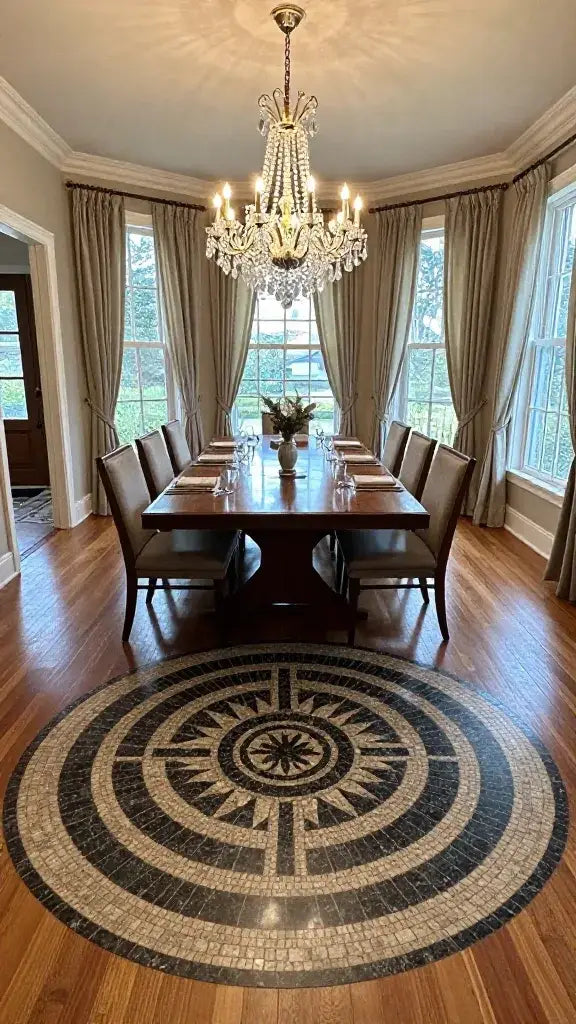
If you've ever felt like your dining room is missing a clear focal point, a granite medallion is usually the answer. I always suggest centering it directly under the chandelier to ground the furniture. It acts like a permanent rug that you never have to vacuum or steam clean.
The beauty of using granite for this is the sheer variety of colors like Blue Pearl or Absolute Black. These stones have a natural mica fleck that catches the light when you're hosting a dinner party. You can mix different shades to create a compass rose or a floral pattern that ties your wall colors together.
Most people worry about the installation, but these medallions usually come pre-assembled on a mesh backing. You just drop them into the center of your tile layout like a puzzle piece. It makes the entire room feel custom without requiring you to hire a master stone carver for weeks of work.
Since granite is incredibly dense, you won't have to worry about heavy chair legs scratching the design. It handles the constant sliding of furniture much better than softer stones like marble. Plus, a quick wipe with a damp cloth keeps the polished finish looking sharp for years.
6. Limestone Fireplace Surrounds
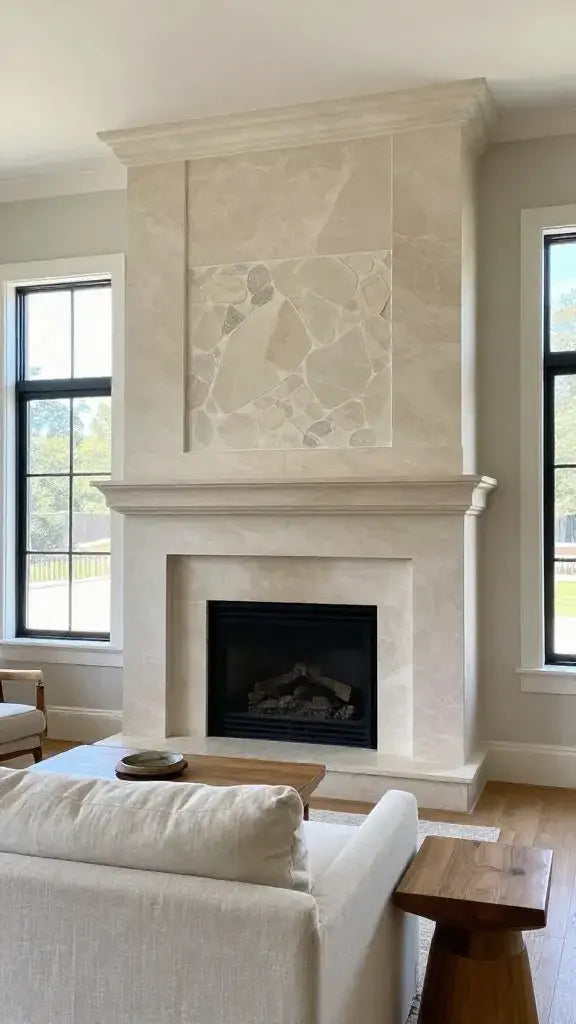
Limestone brings a soft, matte texture that instantly makes a living room feel more grounded. Since it's a sedimentary rock, you'll often see tiny fragments of shells or fossils embedded in the surface.
The most effective way to use this material is by mixing large slabs with intricate mosaic detailing. You can frame the firebox with a honed limestone border while using tumbled mosaic tiles for the recessed panels.
- Stick to cream or light grey tones to keep the room feeling bright and airy.
- Apply a high quality penetrating sealer to prevent soot from staining the porous stone.
- Mix different tile shapes like hexagons or small squares to add subtle visual interest.
Focus on the grout color when you're installing the mosaic sections. A color that matches the stone exactly creates a monolithic look that feels very high end.
7. Quartzite Bathroom Vanity Tops
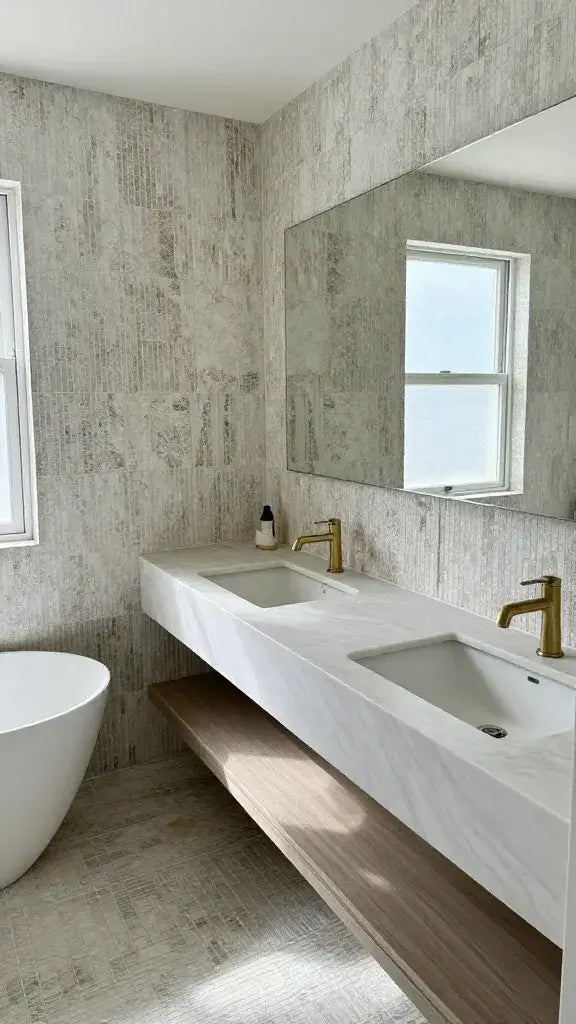
You can go one of two ways when picking quartzite for your bathroom. Some people prefer a polished finish because it makes the stone look like glass and shows off every tiny vein of color. It feels very high end, but it also shows every single water spot or toothpaste smudge.
The other option is a honed or leathered texture. This gives the vanity a matte look that feels more like a natural pebble under your hands. It hides those daily water marks much better than the shiny stuff, though it doesn't have quite the same sparkle under vanity lights.
I usually suggest going with the honed finish if you actually use your bathroom every day. It feels more modern and saves you from constantly wiping down the counter with a microfiber cloth. Pair it with a Taj Mahal or Sea Pearl quartzite for a look that stays clean even when you're busy.
8. Sandstone Patio Borders
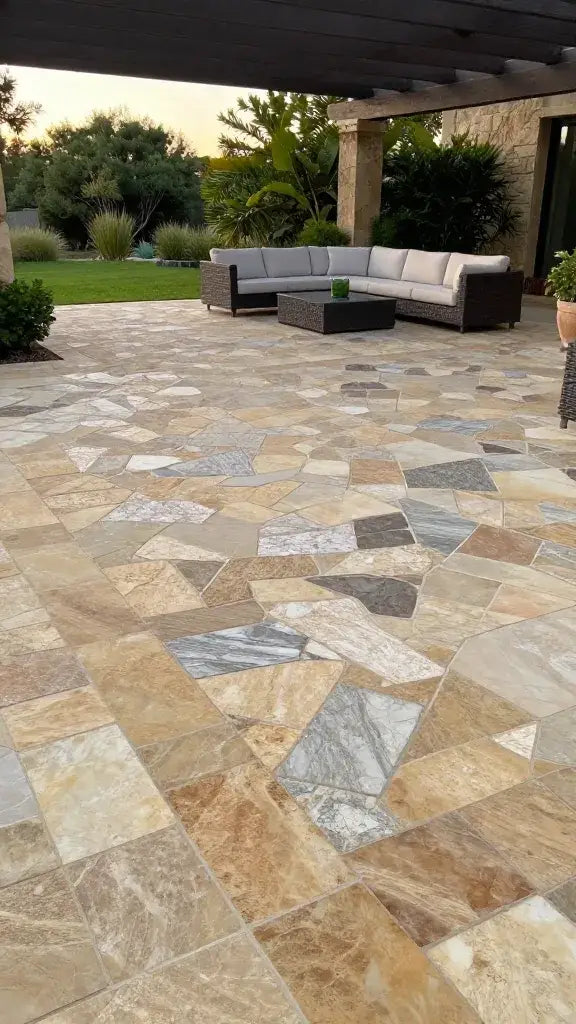
A plain concrete slab or uniform paver patio can feel a bit sterile without a clear visual boundary. Adding a sandstone mosaic border gives your outdoor space a finished, custom look that defines the dining or lounging area. It acts like a frame for a picture, pulling the eye inward and making the entire backyard feel intentional.
You can use small, irregular pieces of buff or tan sandstone to create a textured ribbon around the perimeter. These smaller stones naturally handle curves better than large slabs, so they are perfect for rounding off sharp corners. The natural color variations in sandstone, from desert gold to soft grey, help the patio blend into the surrounding garden soil and mulch.
For the best results, bed the mosaic pieces in a slightly deeper mortar pocket than the main patio stones. This prevents the smaller fragments from shifting or popping loose over time. You might even try contrasting grout colors to make the mosaic pattern pop against the larger, solid stones in the center.
9. Basalt Tile Mudroom Accents
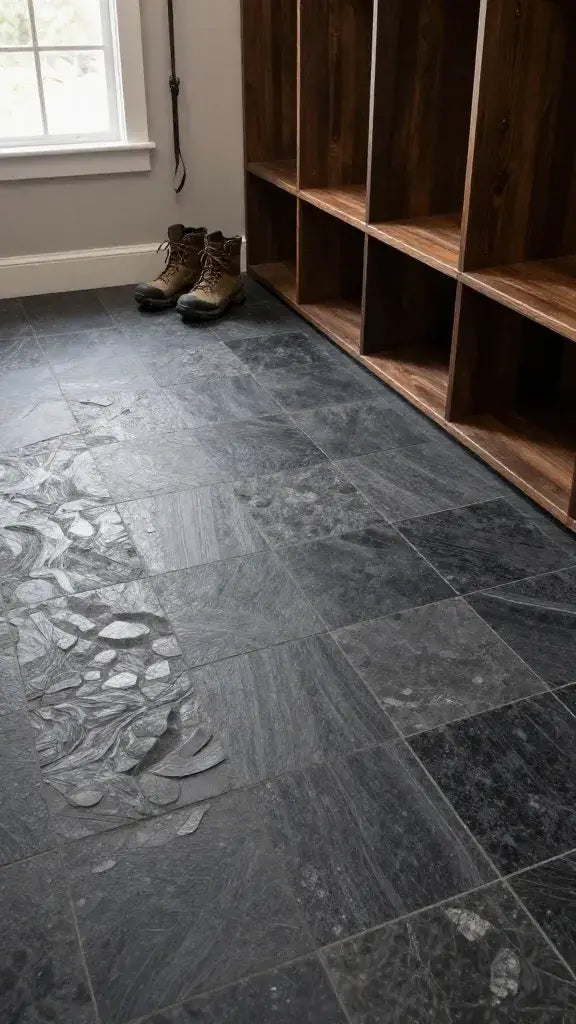
Imagine coming home after a rainy hike with a wet dog and muddy boots. If you have basalt mosaic tiles in your entryway, you won't panic about the mess because this volcanic stone is incredibly dense.
The dark charcoal tones do a fantastic job of hiding dirt and scuffs that would ruin lighter floors. It feels cool underfoot and provides a natural grip that prevents slipping when the kids run inside with wet shoes.
| Feature | Honed Basalt | Tumbled Basalt |
|---|---|---|
| Texture | Smooth and matte | Distressed and rustic |
| Best Use | Modern mudrooms | High-traffic entries |
| Slip Resistance | Moderate | Very High |
I recommend using a dark grout to match the stone so the floor looks like one solid, continuous surface. This setup makes the room feel grounded and expensive without requiring constant scrubbing.
Since basalt is a natural material, it holds onto heat quite well. If you have radiant heating underneath, your mudroom will actually help dry out soggy socks and boots much faster during the winter months.
10. Mixed Stone Kitchen Island Sides
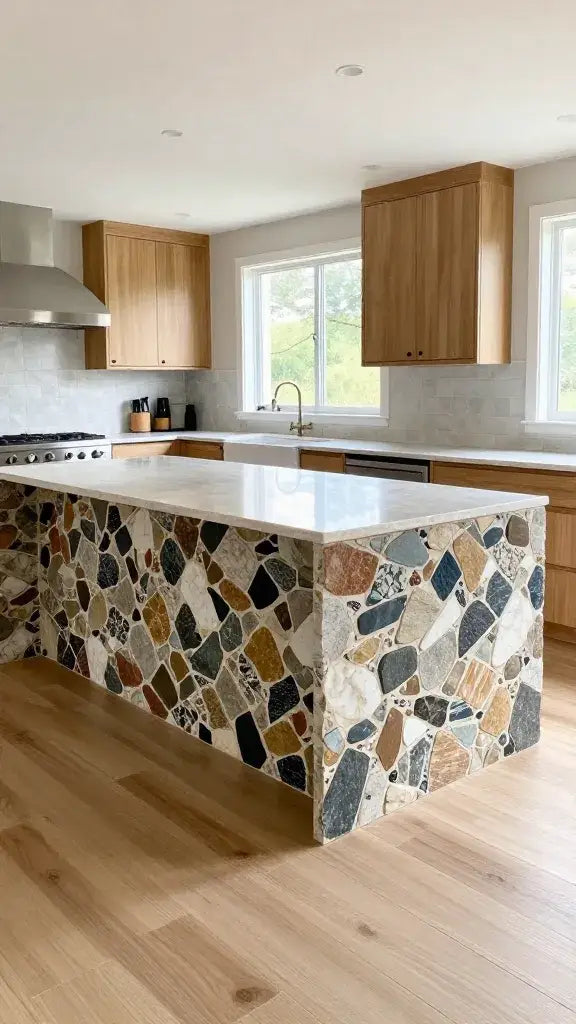
Wrapping the sides of your kitchen island in a mixed stone mosaic is the fastest way to make a basic cabinet look like a custom piece of furniture. Most people stop at the countertop, but adding texture to the vertical face protects the base from scuffs while hiding dirt from kicking feet.
I recommend using a blend of tumbled marble and slate to get a varied, organic color palette that ties your floor and walls together. You can find pre-assembled sheets that mix squares and rectangles, which makes the installation much faster than setting individual pieces by hand.
Stick to a light grey grout to keep the focus on the natural variations of the stone rather than the grid lines. This specific detail works best in open floor plans because it makes the island look like a solid architectural feature rather than just a box in the middle of the room.
You should consider a honed finish for these side panels to avoid any harsh glare from under-cabinet lighting or nearby windows. It feels incredibly sturdy to the touch and adds a layer of sophistication that standard paint or wood veneer simply can't match.
11. Tumbled Stone Pool Decks
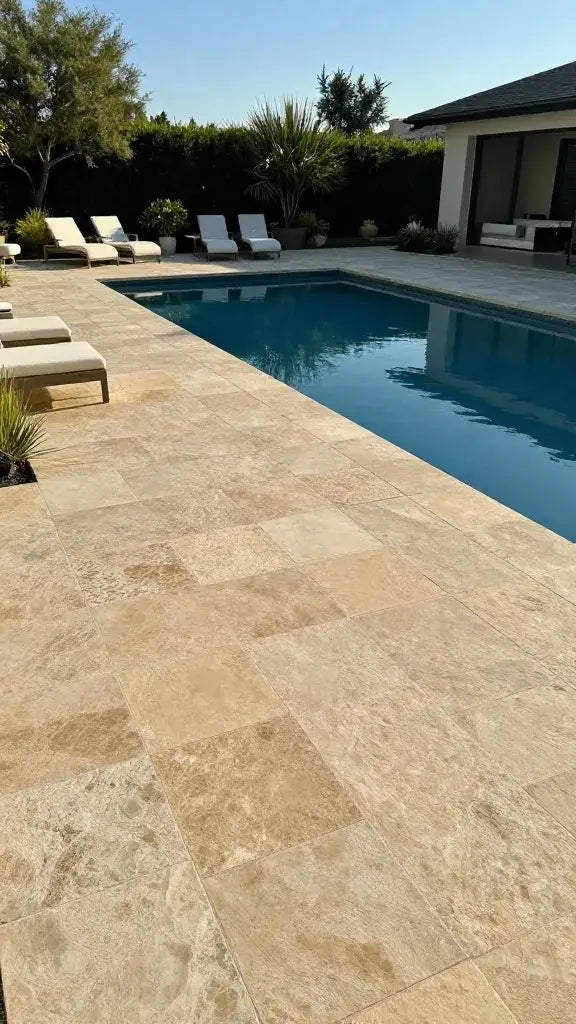
Tumbled stone mosaics solve the two biggest headaches of pool ownership: slippery surfaces and burning hot feet. The tumbling process rounds off sharp edges and creates a slightly porous, high-grip texture that stays safe even when it's soaked with splashes.
Because these stones aren't perfectly flat, they allow air to circulate and water to drain away from the surface. This keeps the deck significantly cooler than solid concrete or dark tiles during a July heatwave.
- Select travertine or limestone mosaics to keep the ground cool under direct sunlight.
- Use a light colored, epoxy-based grout to prevent algae growth in the small gaps between stones.
- Mix different sizes of tumbled pebbles to create a natural, beach-like transition into the water.
You'll find that the variegated colors of natural stone also do a great job of hiding stray leaves or dried water spots between cleanings.
12. Geometric Onyx Wall Panels
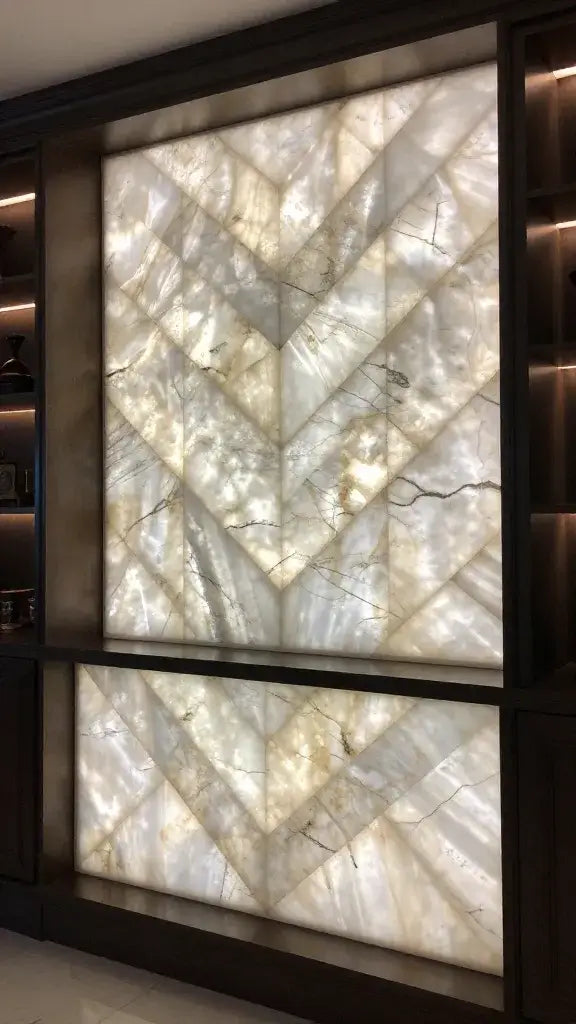
Onyx is naturally translucent, so when you cut it into geometric patterns, you get this incredible depth that changes depending on the light. I usually suggest using these panels in a small entryway or behind a bar where people can actually see the detail up close. The sharp angles of a chevron or hex pattern provide a modern contrast to the stone's soft, cloudy veining.
If you really want to make a statement, you can install LED backlighting behind the panels. Since onyx is porous and clear in some spots, the light glows through the stone and highlights the mosaic seams. It turns a standard wall into a massive lamp that feels warm and high end without being too flashy.
Stick to honey onyx or soft greens if you want a look that feels organic but structured. These panels work best when they aren't competing with other busy patterns in the room. Pair them with simple metal fixtures or dark wood to let the natural stone texture do the heavy lifting.
13. River Rock Stair Risers
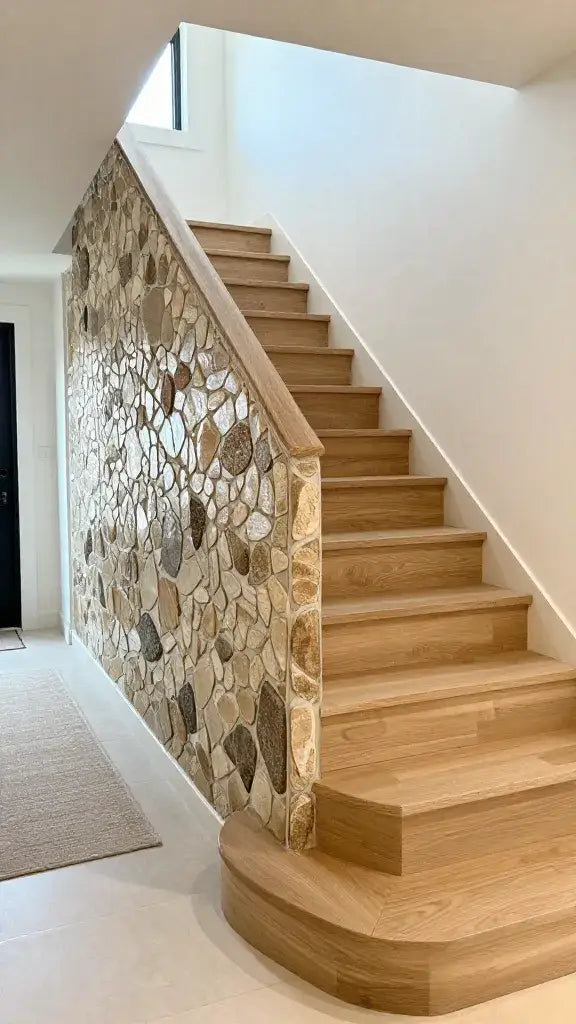
Installing river rock on your stair risers is a smart way to break up the visual weight of a heavy stone or wood staircase. It brings a textured, organic feel to a vertical surface that usually stays plain and boring.
The smooth, water-worn shapes of the stones catch the light at different angles as you walk up the stairs. Since these mosaics come on mesh sheets, you can easily trim them to fit the specific height of your steps without renting a heavy wet saw.
- Choose flat pebbles to ensure the stones don't stick out too far and become a tripping hazard for your toes.
- Use a dark grout color to hide the inevitable scuffs that happen when shoes kick the back of the steps.
- Seal the stones before grouting so the porous surface doesn't soak up the pigment and look muddy.
- Mix your patterns by alternating the direction of the stones to avoid seeing the square lines of the mesh backing.
This detail works particularly well for outdoor garden paths or basement entries where you want a rugged look. It's a small touch that makes the whole staircase feel like a custom piece of masonry rather than a standard build.
14. Bordered Stone Hallway Runners
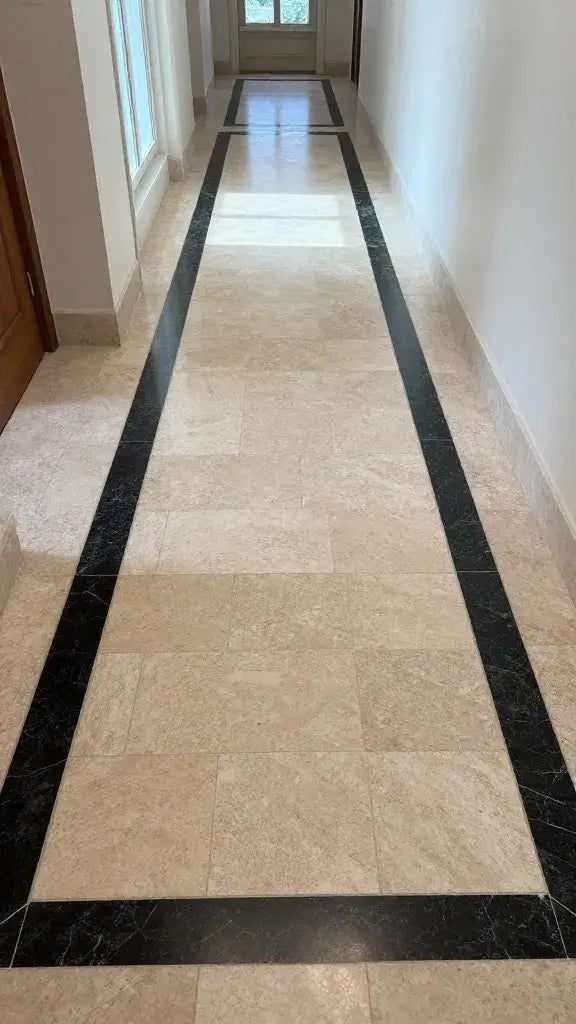
You can go with a monochromatic look where the border and the center mosaic use the same stone in different shapes. This creates a subtle texture that feels high end without screaming for attention. It's a great choice if you want your artwork or wall molding to be the star of the show.
On the other hand, using a high contrast border like black basalt against a creamy travertine mosaic makes a bold statement. It defines the walking path and mimics the look of a literal rug. This works best in long, narrow spaces where the architecture feels a bit plain.
I usually recommend the high contrast approach for hallways because it hides scuffs better along the edges. Go with a tumbled finish for the mosaic pieces to ensure the floor isn't too slippery for kids or pets. It adds a layer of safety while looking much more intentional than a basic strip of carpet.
15. Framed Mosaic Wall Art
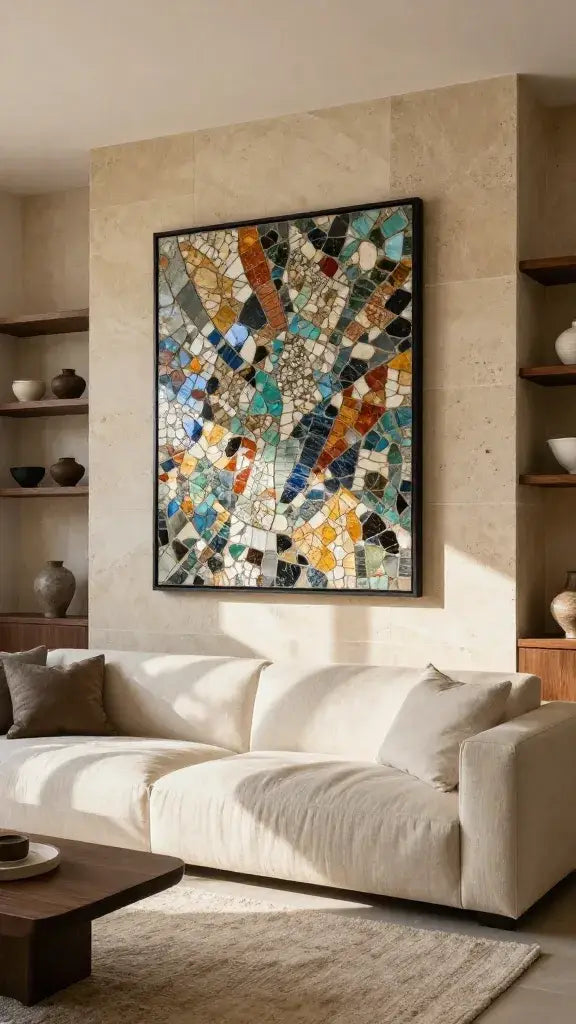
Traditional paintings often feel flat in a room that needs more character. Framed mosaic wall art solves this by adding actual depth and texture that changes as the light hits it throughout the day.
You can think of these pieces as jewelry for your walls rather than just simple decor. Instead of tiling an entire wall, you take a high quality marble or slate pattern and set it inside a heavy wooden or metal frame.
This approach works best in a hallway or above a console table where people can actually get close to the details. Look for tumbled travertine pieces for a rustic feel, or polished geometric marble if your style is more modern.
It is a smart way to use high end stone without the cost of a full renovation. You get that custom, high touch look while keeping the flexibility to move the art if you decide to rearrange your furniture later.
Wrapping Up
Adding a natural stone mosaic to your home is a great way to bring texture and character into any room. These fifteen ideas show that you do not need a massive budget to make a big impact with high quality materials. Pick the project that fits your style best and start your renovation today. You will love how much warmer your space feels with these organic details.

Leave a comment