

What Is Travertine Coping and Why It Matters

Every luxury residential project in Southern California includes outdoor spaces where both protection and beauty matter. Selecting the right coping material can feel daunting, especially when balancing durability with design impact. Travertine coping stands out for its distinctive natural texture and proven weather resistance, making it the ideal choice for designers who want to combine timeless appeal and functional strength in exterior environments. Discover how this elegant stone elevates every outdoor feature.
Table of Contents
- Defining Travertine Coping For Outdoor Design
- Why Travertine Coping Matters For Outdoor Spaces
- Understanding Travertine’s Natural Properties
- Key Considerations For Your Project
- Popular Types And Essential Features
- Travertine Finish Types
- Filled Vs. Unfilled Travertine
- Color And Tonal Variations
- Key Performance Features For Coping
- Benefits, Installation, And Common Uses
- Key Benefits For Outdoor Design
- Installation Process And Considerations
- Common Uses In Luxury Residential Design
- Cost Factors And Maintenance Essentials
- What Drives Travertine Coping Costs
- Maintenance Requirements For Longevity
- Avoiding Costly Mistakes
- Comparing Travertine To Other Coping Materials
- Travertine Vs. Concrete Coping
- Travertine Vs. Metal Coping
- Travertine Vs. Composite And Synthetic Materials
- Travertine Vs. Other Natural Stone
- Comparison Summary Table
Key Takeaways
| Point | Details |
|---|---|
| Travertine Coping Enhances Outdoor Spaces | It provides both aesthetic appeal and functional protection, making it ideal for luxury outdoor projects. |
| Variety of Finishes | Different finish types (polished, honed, tumbled, brushed) affect slip resistance and suitability for various applications. |
| Durability and Maintenance | Travertine lasts 20-30 years with proper sealing and care, requiring less maintenance than many alternatives. |
| Cost Considerations | Expect costs ranging from $50 to $150 per linear foot, influenced by stone grade, finish type, and installation complexity. |
Defining Travertine Coping for Outdoor Design
Travertine coping refers to the application of travertine stone as a protective cap or edging on top of exterior walls, pool surrounds, and outdoor architectural features. This natural stone material serves a dual purpose: it shields the underlying structure from weather exposure while elevating the visual appeal of your outdoor spaces.
Travertine is a freshwater limestone formed naturally around mineral springs and hot springs, creating a material with distinctive character and durability. The stone’s natural formation gives it unique visual qualities that homeowners and designers in Southern California especially appreciate for luxury residential projects.
What makes travertine coping distinct from standard coping materials is its combination of functional protection and aesthetic sophistication. The stone’s fibrous, textured surface catches light beautifully, creating subtle shadows that add depth to your outdoor design. Its warm, neutral tones—cream, tan, and soft white—complement most architectural styles without overwhelming other design elements.
Why Travertine Coping Matters for Outdoor Spaces
Travertine coping addresses several critical design and functional needs in outdoor environments:
- Weather protection: Shields walls and pool edges from harsh UV exposure, rain, and freeze-thaw cycles
- Durability: Resists erosion better than softer capping materials over 10-20 year periods
- Slip resistance: Textured surface provides safe footing around pool decks and walkways
- Design versatility: Adapts to contemporary, Mediterranean, transitional, and classic aesthetic approaches
- Low maintenance: Requires minimal upkeep compared to composite or wood alternatives
For Southern California designers working on luxury properties, travertine coping bridges the gap between durability requirements and high-end aesthetic expectations. The material doesn’t compromise on either front.
Understanding Travertine’s Natural Properties
Travertine originates as a sedimentary rock formed through natural geological processes over millions of years. This ancient origin story adds prestige to projects while ensuring the material has proven longevity in architectural applications.
The stone contains natural variation in color and texture—no two pieces are identical. This organic inconsistency is actually an advantage for outdoor design. It creates visual interest and authentic character that manufactured materials cannot replicate.
When exploring travertine design options for your specific application, you’ll discover the material adapts beautifully to both minimalist and ornate design concepts.
Travertine coping transforms functional necessity into design asset, protecting your outdoor investment while enhancing its visual presence.
Key Considerations for Your Project
Before specifying travertine coping for your design, consider these factors:
- Climate exposure levels at your specific site
- Desired finish (honed, brushed, or tumbled surfaces affect appearance and slip resistance)
- Installation method and sealing requirements
- Integration with surrounding materials and color palettes
- Budget allocation for material and professional installation
Travertine coping works exceptionally well in Mediterranean-inspired designs and modern luxury residences. The material complements both warm, earthy palettes and cool, minimalist approaches depending on the specific travertine variety selected.
Pro tip: Select tumbled or brushed travertine finishes for pool surrounds and walkways—these textures provide superior slip resistance and hide minor foot traffic marks better than highly polished finishes.
Popular Types and Essential Features
Travertine coping comes in several distinct varieties, each offering different aesthetic and functional characteristics for your outdoor design. Understanding these types helps you select the right material for your specific project requirements and Southern California climate conditions.
The primary distinction in travertine coping centers on how the stone is finished after extraction. Travertine finishes range from polished to tumbled, dramatically affecting both appearance and performance. Your choice of finish determines how the coping will look, feel underfoot, and perform over time.
Travertine Finish Types
Each finish option serves different design and functional purposes:
- Polished travertine: Creates a glossy, reflective surface with a contemporary aesthetic. Best for covered areas where slip resistance is less critical.
- Honed travertine: Offers a smooth, matte finish that feels refined without being slippery. Excellent for transitional and modern designs.
- Tumbled travertine: Features a weathered, antiqued appearance with rounded edges. Ideal for Mediterranean and rustic-inspired luxury homes.
- Brushed travertine: Provides texture while maintaining a controlled, finished look. Works well for both traditional and contemporary settings.
For pool surrounds and high-traffic walkways, tumbled and brushed finishes deliver superior safety without sacrificing elegance. Polished surfaces look stunning but require careful maintenance and present slip hazards when wet.
Here’s how travertine finishes influence project outcomes:
| Finish Type | Slip Resistance | Visual Effect | Ideal Application |
|---|---|---|---|
| Polished | Low | Glossy modern | Covered patios |
| Honed | Moderate | Matte refined | Transitional decks |
| Tumbled | High | Weathered charm | Pool surrounds |
| Brushed | High | Subtle texture | Walkways, terraces |
Filled vs. Unfilled Travertine
Travertine’s natural porosity creates small holes and voids across its surface. Designers face a choice: leave these voids visible (unfilled) or seal them with resin or cement (filled).
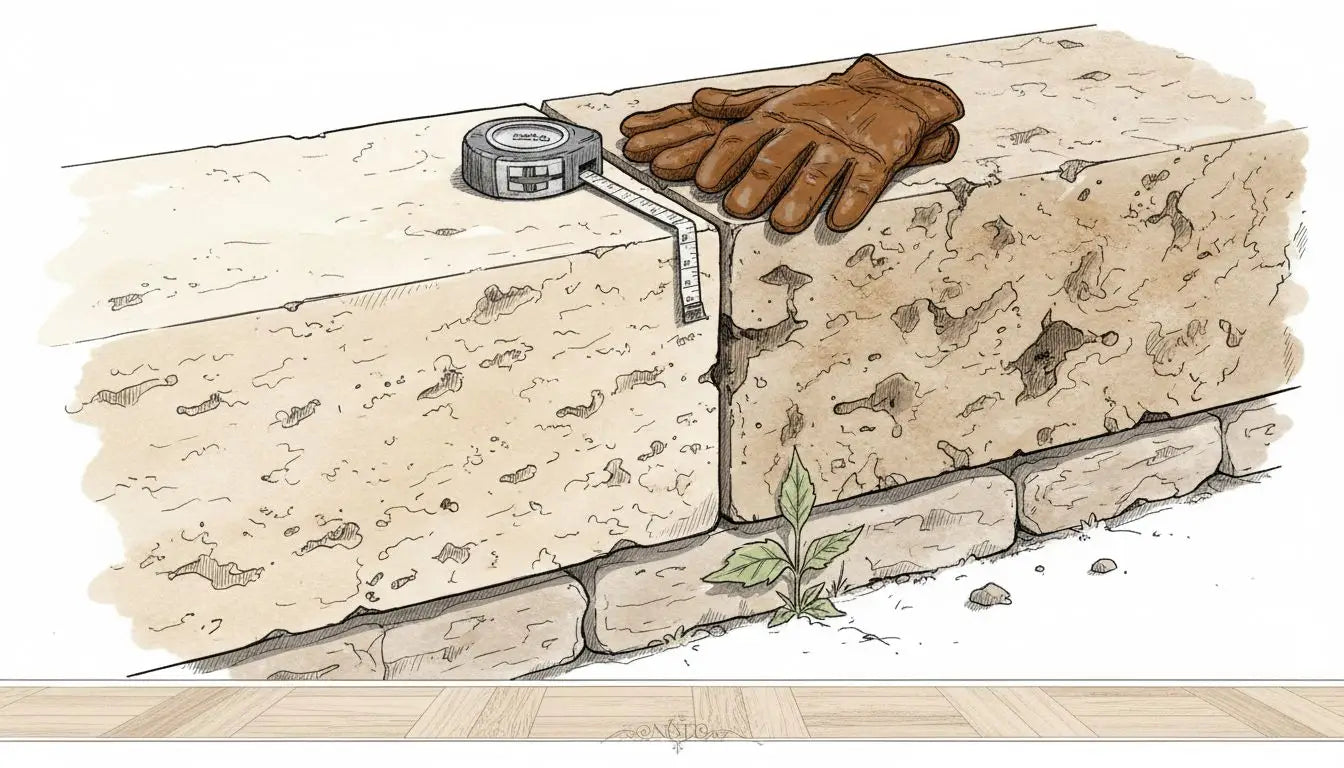
Unfilled travertine reveals the stone’s authentic character and organic appearance. The visible texture creates visual interest and a more natural, high-end aesthetic that resonates with luxury residential projects.
Filled travertine provides a smoother surface that’s easier to maintain and clean. The filling material protects against staining and reduces water penetration, making it more practical for exposed coping applications.
The choice between filled and unfilled travertine shapes both the stone’s visual presence and its long-term maintenance requirements.
Color and Tonal Variations
Travertine naturally occurs in warm, earthy palettes that complement most outdoor design schemes. Common colors include:
- Cream and light tan (most popular)
- Warm gold and honey tones
- Deeper walnut and chocolate hues
- Silver-gray varieties for contemporary designs
Travertine’s formation through natural geological processes creates color variation within individual pieces. This natural inconsistency is a design advantage—it adds authenticity and prevents the monotonous appearance of perfectly uniform materials.
Key Performance Features for Coping
When selecting travertine coping, prioritize these essential features:
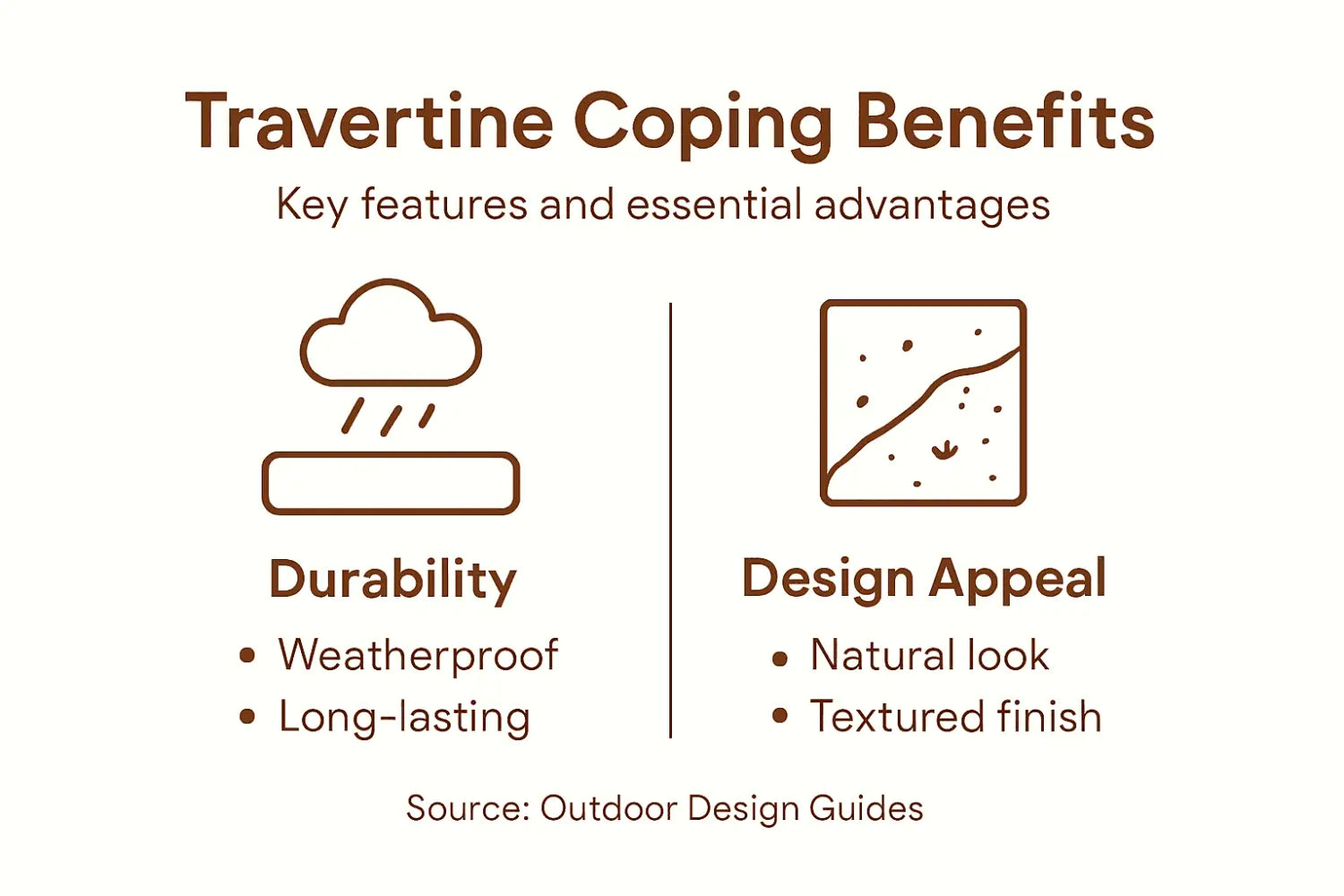
- Durability: Travertine withstands 15-25 years of harsh UV and weather exposure with proper sealing
- Weather resistance: Natural density resists freeze-thaw cycles common in variable climates
- Hardness: Sufficient to resist foot traffic wear without excessive polishing needs
- Porosity management: Proper sealing prevents water intrusion and mineral staining
- Slip resistance: Textured finishes provide safe footing year-round
Luxury residential projects in Southern California benefit from travertine’s proven performance in similar climates. The stone has been used architecturally for thousands of years, proving its reliability.
Pro tip: Request samples of your selected travertine finish and test them wet before committing to your full coping installation—this reveals actual slip resistance and how the color appears when damp.
Benefits, Installation, and Common Uses
Travertine coping delivers practical advantages that go beyond aesthetics. For Southern California designers, the combination of durability, safety, and timeless elegance makes it an ideal choice for luxury outdoor projects that need to perform for decades.
The material’s natural slip resistance comes from its porous surface texture, which provides secure footing even when wet. This safety feature matters significantly for pool surrounds and elevated terraces where guests walk barefoot or in wet conditions. Unlike slippery polished stone or slick manufactured coping materials, travertine coping offers grip without sacrificing refinement.
Key Benefits for Outdoor Design
Travertine coping brings multiple advantages to your project:
- Temperature resistance: Stays cool underfoot in summer heat, unlike dark stone or metal alternatives
- Natural beauty: Earthy tones and unique texture require no artificial coloring or finishes
- Durability: Withstands UV exposure, rain, and freeze-thaw cycles for 20-30 years with proper maintenance
- Design flexibility: Works with contemporary, Mediterranean, transitional, and classic aesthetics
- Reduced maintenance: Requires only periodic sealing and gentle cleaning compared to wood or composite options
- Environmental value: Natural stone with no chemical manufacturing process
Travertine’s proven use in significant architecture demonstrates its ability to endure environmental stresses while maintaining visual appeal across centuries.
Installation Process and Considerations
Proper installation separates successful travertine coping projects from costly repairs. The process involves several critical steps:
- Site preparation: Ensure substrate is level, clean, and properly sloped for drainage
- Precise cutting: Custom dimensions to fit your wall or pool edge specifications
- Pore filling (if selected): Fill natural voids with color-matched resin or cement before sealing
- Setting: Install with appropriate mortar or adhesive designed for outdoor stone applications
- Sealing: Apply quality stone sealer to protect against water penetration and staining
- Curing: Allow adequate time before foot traffic or water exposure
Installation typically involves precise cutting and professional sealing to maximize the material’s lifespan and performance. Hiring experienced stone contractors ensures your coping receives proper treatment from the start.
Professional installation and quality sealing are the foundation of travertine coping’s longevity and performance.
Common Uses in Luxury Residential Design
Travertine coping excels in these outdoor applications:
- Pool surrounds: Creates elegant, safe deck edges that complement water features
- Garden walls: Caps stone or stucco walls with refined, architectural detail
- Raised planters: Defines landscape features while adding design sophistication
- Terraces and patios: Edges outdoor living spaces with natural elegance
- Steps and stairs: Provides durable treads and risers for outdoor transitions
- Hot tub surrounds: Delivers safety and style for spa installations
- Waterfall and water feature edges: Frames water elements beautifully
In Southern California’s luxury residential market, travertine coping frequently appears in Mediterranean-inspired estates, modern minimalist homes, and transitional designs where outdoor spaces function as extensions of interior living areas.
Compare where travertine coping excels in luxury outdoor design:
| Application Area | Performance Benefit | Design Contribution |
|---|---|---|
| Pool Surrounds | Safe footing | Elegant transitions |
| Garden Walls | Weather protection | Architectural detail |
| Terraces/Patios | UV resistance | Natural elegance |
| Steps and Stairs | Durable treads | Visual continuity |
Pro tip: Plan your travertine coping color and finish selection 3-4 weeks before installation, allowing time to source the best available stock and request sample pieces that match your project site’s specific lighting conditions.
Cost Factors and Maintenance Essentials
Travertine coping represents a significant investment in your outdoor design. Understanding the cost drivers upfront and committing to proper maintenance ensures your project delivers both beauty and durability for decades.
Total travertine coping costs typically range from $50 to $150 per linear foot installed, depending on several variables. This price reflects material quality, finish selection, site complexity, and regional labor rates in Southern California. While higher than some alternatives, the longevity and aesthetic value justify the investment for luxury residential projects.
What Drives Travertine Coping Costs
Multiple factors influence your final project budget:
- Stone grade: Premium, uniform pieces cost more than standard grades with natural variation
- Finish type: Tumbled and brushed finishes typically cost less than honed or polished options
- Thickness: Thicker coping (typically 2-3 inches) provides durability but increases material costs
- Custom cutting: Complex curves, bevels, or specialized dimensions add fabrication time and expense
- Installation complexity: Intricate layouts, difficult access, or extensive prep work increase labor costs
- Sealing and filling: Professional pore-filling and quality sealing add to initial project investment
Designers often find that investing in premium stone grades and proper installation upfront saves money on repairs and replacements later.
Maintenance Requirements for Longevity
Proper maintenance involves regular cleaning with pH-neutral products and periodic sealing to preserve the stone’s porous surface. This ongoing care is what separates 10-year coping from 25-year coping that maintains its original beauty.
Your annual maintenance checklist should include:
- Spring cleaning: Remove accumulated debris and dirt with soft-bristled brushes and neutral cleaner
- Inspection: Check for chips, cracks, or areas where sealer may have worn thin
- Resealing: Apply fresh sealer every 2-3 years depending on exposure and foot traffic
- Stain treatment: Address mineral deposits or organic growth immediately to prevent permanent etching
- Drainage verification: Ensure water drains properly and doesn’t pool on the coping surface
Quality sealing every two to three years is the single most important maintenance action for preserving travertine coping’s appearance and longevity.
Avoiding Costly Mistakes
Common maintenance errors can shorten your coping’s lifespan significantly:
- Using acidic or abrasive cleaners that etch the stone surface
- Allowing water to pool or sit on the coping for extended periods
- Ignoring small chips or cracks that expand with freeze-thaw cycles
- Skipping regular sealing, allowing water penetration and damage
- Using pressure washers that can dislodge mortar or damage finishes
Designers who educate their clients about these maintenance needs protect their reputation and ensure client satisfaction long after project completion.
Pro tip: Budget an additional 5-10 percent of your travertine coping cost for a professional sealing application at installation, then schedule annual inspections to identify resealing needs before expensive damage occurs.
Comparing Travertine to Other Coping Materials
Travertine coping stands apart from alternative materials available to Southern California designers. Understanding how it compares helps you make informed decisions that balance aesthetic goals, performance requirements, and project budgets.
Each coping material offers distinct advantages and trade-offs. Travertine’s unique combination of natural beauty, durability, and warmth creates an unmatched aesthetic that most alternatives cannot replicate. However, some materials offer easier installation or lower upfront costs, making the comparison context-dependent.
Travertine vs. Concrete Coping
Concrete is the most common coping alternative due to its affordability and ease of installation. However, the comparison reveals significant differences:
- Concrete: Lower cost ($20-40/linear foot), faster installation, but cracks over time and requires frequent sealing
- Travertine: Higher initial cost ($50-150/linear foot), premium appearance, superior longevity, and natural aging that enhances rather than degrades character
Concrete coping typically shows visible cracks within 5-10 years in Southern California’s freeze-thaw cycles. Travertine withstands these conditions for 20-30 years while developing a refined patina that many designers find desirable.
Travertine vs. Metal Coping
Metal coping materials offer corrosion resistance and durability but create distinctly different design outcomes. Copper, aluminum, and steel provide clean, contemporary lines and require minimal maintenance.
Yet metal coping presents challenges travertine avoids:
- Thermal properties: Metal becomes dangerously hot in summer sun, uncomfortable for barefoot use
- Aesthetic limitations: Cold, industrial appearance conflicts with warm residential design
- Sound transmission: Water and footsteps create echoing sounds on metal surfaces
- Visual warmth: Lacks the natural character and organic beauty travertine provides
For luxury residential projects emphasizing warmth and comfort, travertine outperforms metal significantly.
Travertine vs. Composite and Synthetic Materials
Manufactured coping options promise low maintenance and consistent appearance. However, travertine brings unique aesthetic qualities that synthetic materials lack, particularly valued in upscale applications.
Composite copings fade, crack, and delaminate within 10-15 years. Travertine improves with age, developing character through natural weathering.
Travertine vs. Other Natural Stone
Granite and marble coping offer durability but create different visual impacts. When exploring travertine selection criteria, you’ll discover its distinctive advantages:
- Granite: Harder but cold-looking, less slip resistance, costs $60-200/linear foot
- Marble: Elegant but softer, etches easily, requires extensive sealing
- Travertine: Perfect balance of durability, aesthetics, warmth, and practical performance
Travertine occupies the ideal middle ground—durable enough for outdoor performance, beautiful enough for luxury design, and warm enough for human comfort.
Comparison Summary Table
| Material | Cost | Durability | Aesthetics | Maintenance | Temperature Feel |
|---|---|---|---|---|---|
| Travertine | $$ | 25-30 yrs | Premium | Moderate | Warm |
| Concrete | $ | 5-10 yrs | Basic | High | Neutral |
| Metal | $$$ | 30+ yrs | Industrial | Low | Hot |
| Composite | $$ | 10-15 yrs | Uniform | Low | Varies |
| Granite | $$$ | 30+ yrs | Bold | Moderate | Cold |
Pro tip: Request samples of travertine, concrete, and any other materials you’re considering, then place them side-by-side in your client’s actual outdoor space at different times of day to see how each material responds to sunlight and reflects your design vision.
Elevate Your Outdoor Spaces with Premium Travertine Coping
Choosing the right coping material is a critical step in protecting your outdoor living areas while achieving lasting beauty. If you want travertine coping that combines natural elegance, durability, and slip resistance you need a trusted source for premium stone that matches your design vision and withstands Southern California’s climate challenges. At Surfaces Galore, we understand the importance of selecting the perfect finish and authentic travertine variety to complement your luxury residential projects.
Discover how our direct-import travertine selections offer unmatched quality with options for tumbled, honed, and filled finishes that enhance safety and aesthetic appeal. Don’t risk costly repairs or compromise your design by settling for lesser materials. Visit Surfaces Galore today to explore our collection and request samples to experience firsthand the warmth and texture that define travertine coping excellence. Act now to secure high-grade stone and expert guidance that ensures your outdoor investment remains stunning and resilient for decades.
Frequently Asked Questions
What is travertine coping?
Travertine coping is a protective cap or edging made from travertine stone, used on exterior walls, pool surrounds, and other outdoor architectural features. It provides protection against weather while enhancing the aesthetic appeal of outdoor spaces.
What are the benefits of using travertine coping?
Travertine coping offers several benefits, including weather protection, durability, slip resistance, design versatility, and low maintenance requirements. Its natural beauty and texture provide a visually appealing option for outdoor designs.
How does travertine compare to other coping materials?
Compared to materials like concrete, metal, or composite, travertine offers a unique combination of natural beauty, warmth, and durability. While it may have a higher upfront cost than concrete, its longevity and aesthetic qualities often justify the investment.
What finish types are available for travertine coping?
Travertine coping is available in several finishes, including polished, honed, tumbled, and brushed. Each finish offers different aesthetic and functional characteristics, such as slip resistance and visual impact, making it important to choose one that fits your specific project requirements.
Leave a comment