
Marble Market Surges: Luxury Projects and Global Demand Drive Growth Towards $98 Billion

The global marble market is experiencing robust growth, projected to reach USD 98.34 billion by 2033, driven by increasing demand in luxury construction, architectural applications, and a rising appreciation for natural stone's aesthetic qualities. The market is set to expand at a compound annual growth rate of 4.1% from 2025 to 2033.
Key Takeaways
- The global marble market was valued at USD 68.50 billion in 2024 and is expected to reach USD 98.34 billion by 2033.
- Growth is fueled by the construction and real estate industries, particularly high-end and luxury projects.
- Asia-Pacific is the largest and fastest-growing market, with significant contributions from China and India.
- White marble dominates the market, and tiles and slabs are the leading product categories.
- Building and decoration applications generate the highest revenue.
Construction and Real Estate Boom Fuels Marble Demand
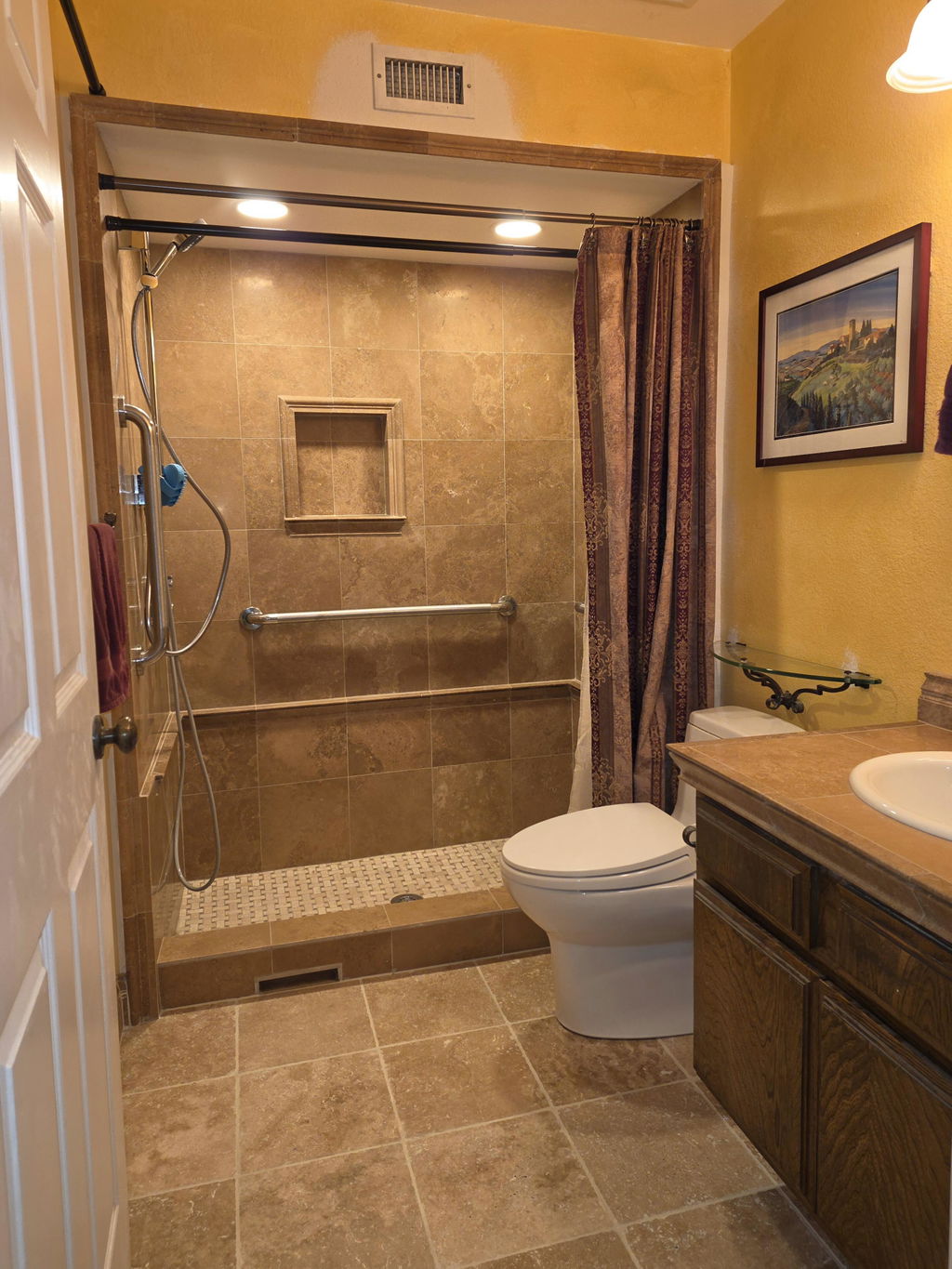
The construction and real estate sectors are primary drivers of the marble market. Marble's aesthetic appeal, unique patterns, and durability make it a preferred material for decorative purposes in buildings, interior design, and architectural features. Its use in high-end commercial and residential flooring, kitchen countertops, bathroom vanities, and building facades enhances structures and signifies luxury. Iconic buildings like the Burj Khalifa and hotels such as the Taj Mahal Palace Hotel showcase marble's prominent role in creating opulent environments. The booming construction industry, especially in regions like the US, further accelerates demand.
Luxury Projects and Infrastructure Drive Opportunities
The expansion of luxury real estate and large-scale infrastructure projects presents significant market opportunities. Museums, government buildings, and cultural centers frequently incorporate marble for its grandeur and historical significance. Emerging economies, particularly in the Middle East and Asia-Pacific, are investing heavily in marble-intensive projects, including luxury hotels, apartment complexes, and commercial buildings. This trend is supported by government initiatives focused on infrastructure development and urbanization, creating a sustained demand for high-quality marble.
Regional Market Dynamics
The Asia-Pacific region is anticipated to lead the global marble market in both size and growth rate. China's massive construction development and India's expanding real estate sector, driven by urbanization and rising household incomes, are key contributors. Europe also plays a crucial role, with countries like Spain, Italy, and the UK driving demand for marble in monuments, statues, and architectural restoration. The region's strong production base and increasing focus on sustainable quarrying practices further bolster its market position.
Market Segmentation and Trends
The marble market is segmented by color, product, and application. White marble holds a dominant position, while tiles and slabs are the leading product categories. The 'Building and Decorations' application segment generates the highest revenue, underscoring marble's primary use in construction. Technological advancements in quarrying, processing, and finishing are also enhancing efficiency, product quality, and sustainability, making marble more accessible and versatile for various applications.
Sources
- Marble Market Size to Worth USD 98.34 billion by 2033, at a, GlobeNewswire.
- Marble Strategic Global Business Report 2024: Market to Surpass $20 Billion by 2030, Yahoo Finance UK.
- Natural Stone Market Size & Share, Grand View Research.

Leave a comment