
Natural Stone Tile Buying Guide for Every Room

A beautiful stone tile project can be decided long before installation day. The right natural stone tile buying guide starts with the material in your hand, not a filtered product photo on a screen. Veining, pores, tonal movement, finish, and edge treatment all affect how marble, travertine, and limestone will look once they cover an entire bathroom, kitchen, entry, or feature wall.
Natural stone is not manufactured to repeat perfectly. That variation is the point. It also means buyers need to evaluate stone with more care than they would a uniform ceramic or porcelain tile. Premium-grade material, a properly selected finish, and accurate ordering quantities create a polished result that holds its design value for years.
Start With the Room, Not Just the Stone Color
A stone that looks exceptional in a powder room may not be the right choice for a busy family kitchen floor. Before narrowing your selection by color or name, define where the tile will be installed, how much water it will see, and how much daily traffic it needs to handle.
For walls and backsplashes, visual impact often leads the decision. Polished Carrara marble, Calacatta marble, Thassos, and Nero Marquina can create a refined focal point behind a range, around a vanity, or across a fireplace surround. Wall applications allow more freedom with polished finishes and decorative mosaics because they do not receive the same abrasion as a floor.
Bathrooms require a more balanced approach. Marble works beautifully on shower walls, vanity backsplashes, and bathroom floors, but a honed finish is often the smarter option underfoot. Honing softens surface sheen and provides a more forgiving appearance when water spots, light etching, or daily wear occur. For shower floors, smaller mosaics add grout joints for traction and conform more easily to slopes leading to the drain.
For kitchens, mudrooms, entries, and other high-use floors, prioritize a finish and format that suit real traffic. Honed limestone and filled-and-honed travertine provide warmth without looking overly formal. Tumbled travertine is a strong choice for relaxed, Old World interiors, especially where a softened edge and naturally weathered character fit the design direction. A sealed stone floor can perform beautifully, but it should be specified for the way the room is actually used.
Choose Marble, Travertine, or Limestone With Purpose
Each stone has a distinct visual language and practical profile. There is no universal best choice. The right choice depends on the project, finish, maintenance expectations, and the amount of natural movement the design can accommodate.
Marble for Classic Contrast and Movement
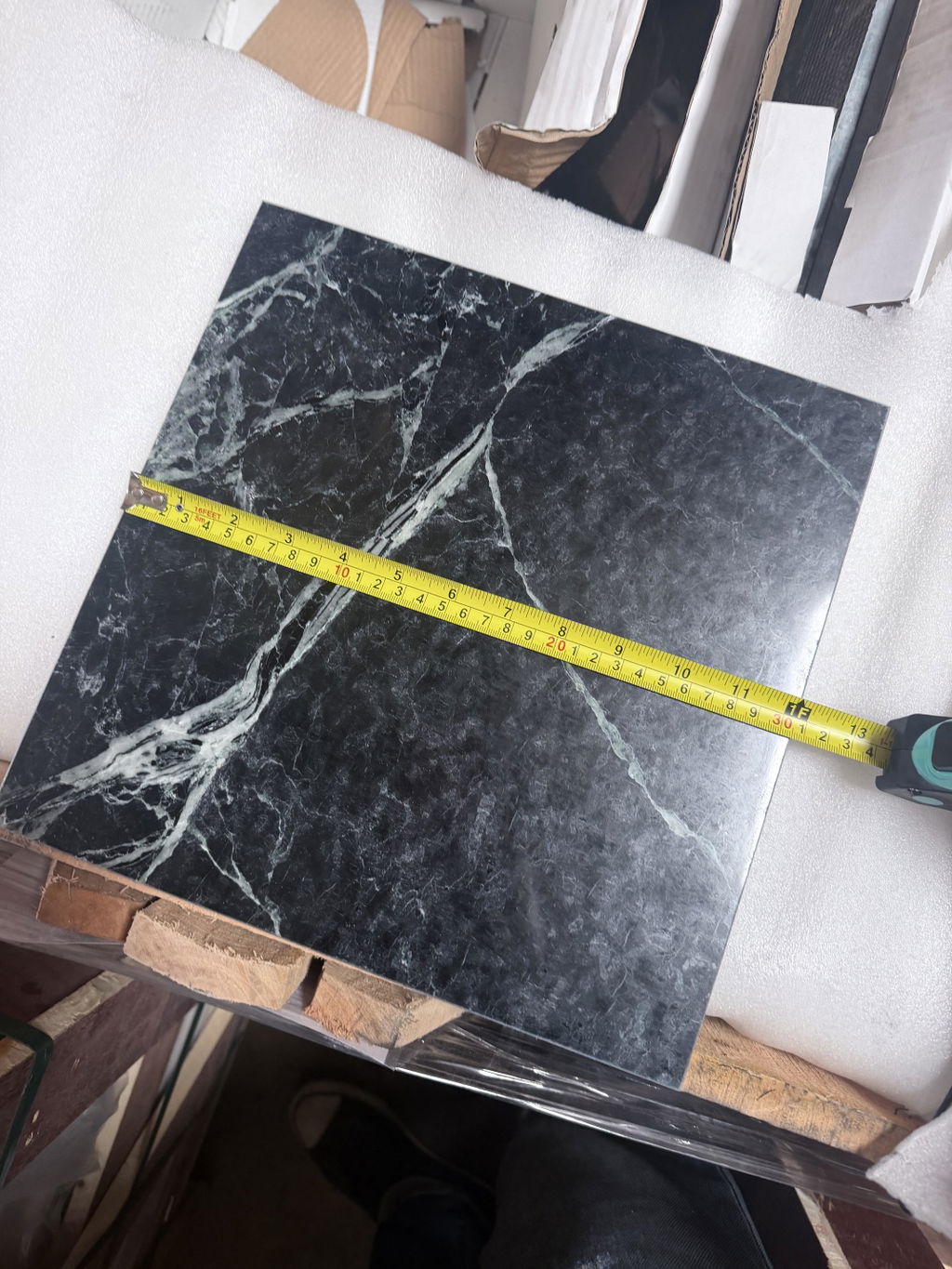
Marble is the natural choice when the project calls for crisp whites, expressive veining, deep blacks, or a high-design statement. Carrara offers soft gray veining and a timeless European look. Calacatta generally delivers bolder, more dramatic veining on a brighter white field. Thassos is prized for its clean, luminous white appearance, while Nero Marquina provides dramatic black-and-white contrast.
Polished marble reflects light and gives walls a formal, elevated finish. Honed marble feels quieter and is usually more practical for floors, especially in kitchens and bathrooms. Marble can etch when exposed to acidic substances, so homeowners who expect a completely unchanged surface may prefer another material for certain countertop-adjacent applications. On the other hand, buyers who appreciate patina often find marble becomes more personal over time.
Travertine for Warmth and Texture
Travertine brings natural beige, ivory, walnut, and noce tones that make a room feel established rather than newly built. Its visible pores and layered movement create depth that works especially well in Mediterranean, rustic, traditional, and transitional interiors.
Travertine is commonly sold filled, unfilled, honed, brushed, or tumbled. Filled-and-honed travertine has a more even, refined surface for interiors. Tumbled travertine retains more texture and suits patios, foyers, feature walls, and spaces where a relaxed finish is intentional. Buyers should not assume all travertine is equivalent. Premium imported stone has better selection, more dependable sizing, and a more consistent caliber than cheap commercial-grade material.
Limestone for Understated Luxury
Limestone has a softer, quieter appearance than most marbles. Its muted creams, grays, taupes, and warm neutrals make it a strong option for large-format floors and walls where the goal is calm continuity. It pairs naturally with wood cabinetry, plaster walls, aged metals, and tailored contemporary interiors.
Because limestone is generally more subtle, it rewards careful sampling. A beige limestone can read creamy in one home and gray in another depending on daylight, paint colors, and surrounding finishes. View samples in the actual room, at different times of day, before making a final selection.
Select the Finish Before You Commit
Finish changes both the look and day-to-day experience of natural stone. Polished tile offers reflection, saturated color, and a more formal surface. It is especially effective on walls, decorative accents, and lower-traffic areas where light play is part of the design.
Honed tile has a smooth matte or low-sheen finish. It is the most versatile choice for many residential floors because it feels refined while concealing minor wear better than a high polish. Honed stone is not maintenance-free, but it is often the practical middle ground for buyers who want premium material without an overly delicate appearance.
Tumbled and brushed finishes introduce texture. They work well with travertine, antique-inspired marble, French pattern sets, and designs that benefit from softened edges. These finishes can also make natural variation feel more intentional, which is useful in larger installations with visible tonal range.
Do not choose a finish from a single online image. Request samples, then place them next to cabinetry, paint, fixtures, and flooring transitions. Surfaces Galore provides access to premium natural stone samples with free shipping, making it easier to specify the actual material before ordering the full project quantity.
Understand Grade, Variation, and What You Are Buying
Natural stone should vary, but premium stone should not arrive with avoidable quality problems. Grade affects clarity, structural soundness, color selection, thickness consistency, and the overall finish of the installation. Extremely low-priced stone may have excessive filler, inconsistent cuts, weak corners, significant surface defects, or a broader range than the photos suggest.
Ask what the listed product includes and study its stated finish, tile size, thickness, and edge. A standard field tile, a mosaic sheet, a checkerboard set, and a Versailles pattern are ordered and installed differently. Trim pieces, corners, shelves, shampoo niches, and wall plates should be selected early so their finish and color coordinate with the primary tile.
Variation also needs to be managed on site. Before installation, open multiple cartons and dry-lay tiles from different boxes. This allows the installer to blend color and veining across the space rather than creating noticeable blocks of light or dark stone. It is a straightforward step that separates a deliberate installation from a rushed one.
Measure for Waste, Cuts, and Future Repairs
Never order stone based only on the exact square footage of the room. Every project needs additional material for cuts, pattern layout, breakage, and future repairs. A simple rectangular wall may require around 10 percent extra. Diagonal layouts, herringbone, checkerboard patterns, mosaics, and Versailles sets often require more because cuts and layout planning increase.
Large-format tile can make a room feel expansive, but it may also create more waste in small or irregular spaces. Smaller formats are easier to work around niches, outlets, corners, and shower details. If the project has multiple rooms, directional veining, or a complex border, have the installer review measurements before placing the order.
Ordering enough material from the same lot matters. Natural stone is quarried material, and later production can differ in shade or movement. Keeping a small number of extra tiles after installation is a smart safeguard for an unexpected repair years later.
Plan for Installation and Maintenance Early
Premium stone deserves a qualified installer who understands natural material. The substrate must be flat, stable, and properly prepared. Tile spacing, lippage control, expansion considerations, and the setting material all affect the final appearance. Large-format pieces and patterned sets require even more precision.
Discuss sealing before installation begins. Many natural stones benefit from a penetrating sealer that helps resist staining without creating a plastic-looking surface. The right sealer and schedule depend on the specific stone, finish, room, and use. A shower floor, kitchen backsplash, and entry floor do not face the same conditions.
For regular care, use a pH-neutral cleaner designed for natural stone. Avoid acidic household cleaners, abrasive powders, and improvised treatments that can dull the finish or damage the surface. Consistent, uncomplicated maintenance is usually better than aggressive cleaning after a problem develops.
The strongest stone projects begin with a sample, a clear installation plan, and enough material to do the job without compromise. Select the stone that suits the room and the way you live, then give it the preparation and craftsmanship that premium natural material deserves.

Leave a comment