
The ultimate guide to luxury tile and stone works for your renovation

Key Takeaways
Natural stone remains a foundational investment for homeowners seeking both endurance and style. This article explores the nuances of premium materials and how to effectively manage your renovation goals.
- Natural stone provides unmatched structural durability and luxury.
- Marble and travertine grades dictate both appearance and long-term performance.
- High-end stone interiors, such as floors and showers, offer significant aesthetic returns.
- Direct importers often provide exclusive access to luxury collections not found elsewhere.
- Proper sealing and routine maintenance preserve the material's aesthetic value for decades.
The enduring investment of natural stone
Natural stone has defined architectural elegance for centuries, offering a depth of character that engineered materials simply cannot replicate. Its inherent structural integrity ensures that your home retains its prestige regardless of passing trends. By prioritizing authentic materials, you are choosing a surface that matures gracefully with time.
Unmatched aesthetic and structural longevity
Selecting the right slab or tile is a long-term commitment to quality that pays dividends in both residence and commercial appeal. Natural stone resists the wear of daily life, keeping its cool touch and natural veining vibrant long after other finishes have faded. This resilience makes it a vital component in any lasting renovation effort.
Increasing property value through luxury materials
High-quality surfaces act as a significant indicator of a home's overall craftsmanship and care. Potential buyers and appraisers often view marble and travertine as indicators of a premium property, which can enhance your home's market standing. Choosing Surfaces Galore premium materials ensures your interior reflects a commitment to the highest construction standards.
Why natural stone remains a timeless design choice
Trends in home design fluctuate, yet the classic appeal of limestone and marble stays relevant across decades. These materials harmonize with both ancestral styles and contemporary lines, providing a versatile foundation for any interior aesthetic. Their historical significance adds an unspoken layer of prestige to modern spaces.
Understanding marble and travertine material grades
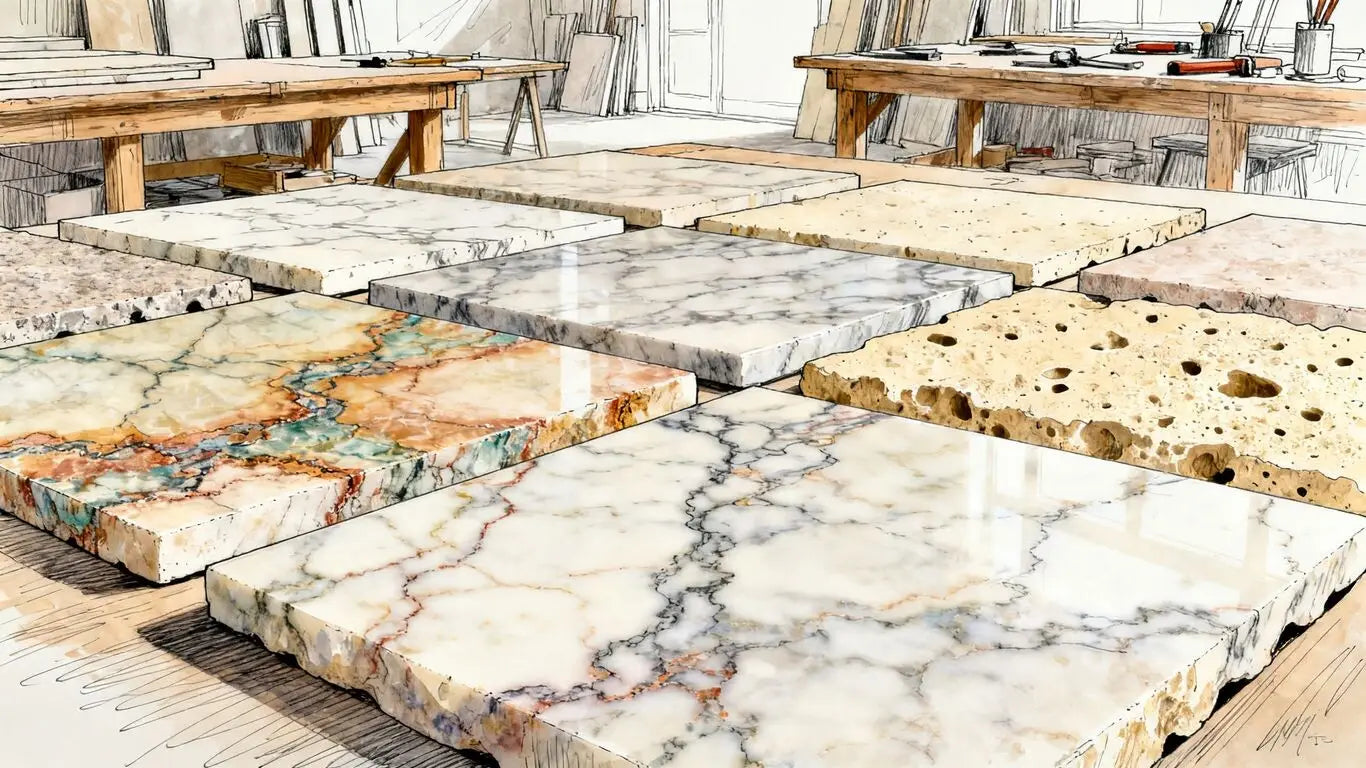
Navigating the world of natural stone grades is essential for ensuring your renovation achieves the expected visual and functional result. Material consistency and density vary between collections, influencing how each piece reacts to humidity, weight, and wear. Working with Surfaces Galore experts ensures that your chosen materials meet the stringent requirements of your space.
Distinguishing between premium marble collections
The visual richness of marble is often determined by the quarry origin and the selection of the raw blocks. Premium collections prioritize consistent mineral composition and color clarity, which are essential for creating cohesive flooring or feature walls. Understanding these differences allows for better aesthetic planning during the initial phases of your design.
The unique character of tumbled versus polished travertine
The finish on your travertine tile dictates the atmosphere of the room, ranging from the rustic charm of tumbled edges to the high-sheen elegance of a polished surface. Tumbled travertine highlights the stone's geological history and organic texture, fitting well in transitional designs. Polished variations, by contrast, offer a sophisticated glow that broadens smaller rooms and improves light distribution.
Assessing stone density for high-traffic environments
Selecting an appropriate stone density is critical when planning for high-traffic foyers or commercial lobbies. Denser stones provide better resistance to impact, whereas more porous varieties may require specialized care in public corridors.
- Low-porosity stones are ideal for high-moisture kitchen surfaces.
- Medium-density materials provide the best balance for general living room floors.
- Highly porous stone performs best as wall cladding where foot traffic is non-existent.
- Expert consultation helps match the stone's physical characteristics to your project's environmental demands.
These considerations ensure your surfaces withstand the rigors of everyday living without sacrificing elegance.
Key applications for high-end stone interiors
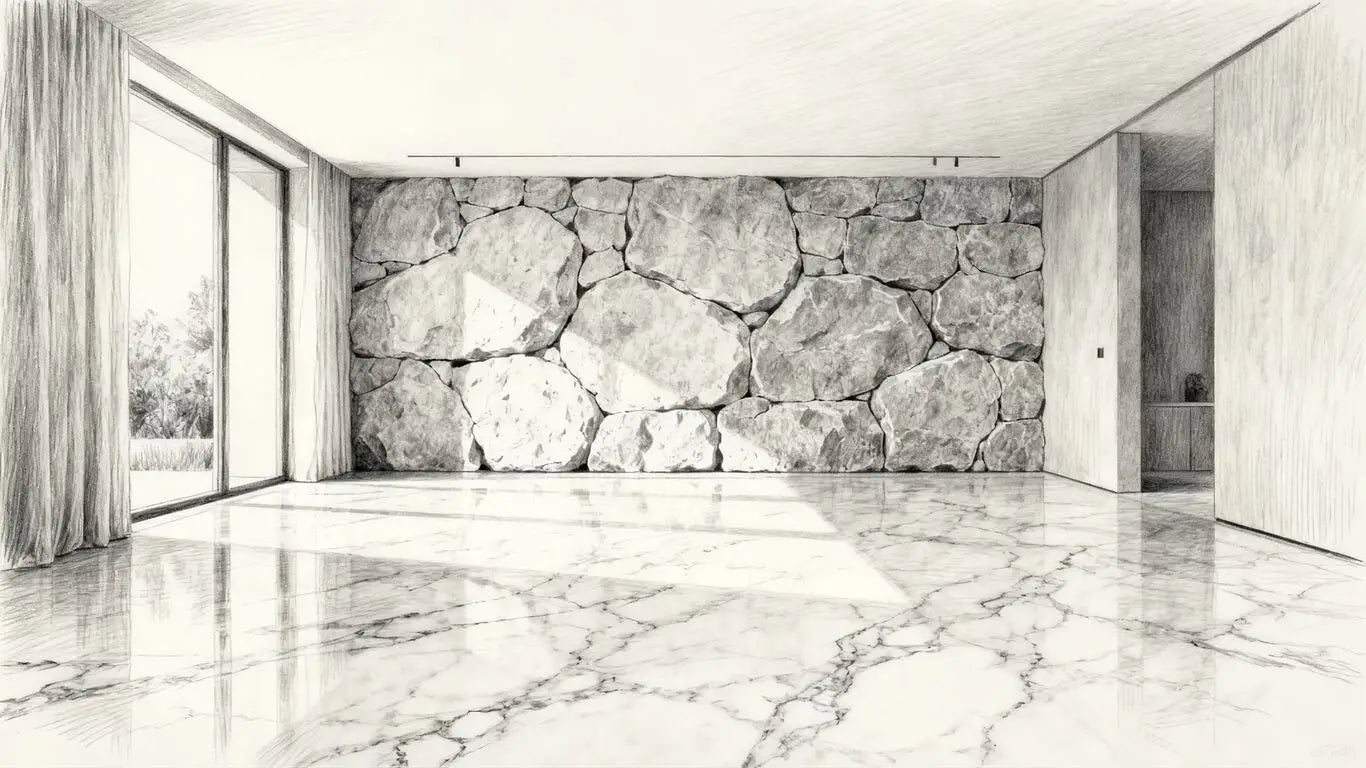
Integrating natural stone into your interior design creates a sense of luxury that extends through every square foot of your renovation. When handled with precision, these materials transform standard rooms into bespoke living environments. The versatility of these surfaces allows for deep customization in high-traffic regions like main hallways or open-floor kitchens.
Creating sophisticated marble flooring layouts
A well-planned marble floor provides a continuous, flowing visual landscape that anchors modern interior design. For instance, Tile & Stone Works can help implement these designs with expert precision ensuring every tile aligns for a seamless flow.
| Flooring Type | Recommended Finish | Best Use-Case |
|---|---|---|
| Carrara Marble | Polished | Formal Grand Entryway |
| Beige Travertine | Honed | Casual Living Area |
| Nero Marquina | Polished | Statement Dining Room |
This table illustrates how stone and finish selections should be tailored to their specific room environments to maximize both durability and aesthetic impact.
Transformative power of natural stone wall cladding
Wall cladding shifts a room's focal point away from generic paint or wallpaper toward a more tactile, three-dimensional experience. The depth created by stone panels adds warmth in winter and remains cool in summer, offering passive environmental benefits alongside visual appeal. In luxury spaces, Stone & Tile Works professionals emphasize that vertical stone surfaces are essential for achieving a high-end designer look.
Designing spa-inspired bathrooms and showers
Creating a private spa experience requires materials that manage moisture without compromising on beauty. Utilizing water-resistant marble or travertine for shower surrounds and vanity backsplashes achieves this balance, turning daily routines into a moment of calm.
Design and pattern possibilities in modern stone
Modern aesthetics now marry historic patterns with precision cutting technologies to produce intricate visual impacts. Designers frequently pull from old-world checkerboard or lattice layouts, which are reimagined through modern waterjet capabilities to fit specific room constraints.
Incorporating custom mosaics and waterjet designs
Advanced fabrication allows for extreme precision in mosaic patterns, offering infinite potential for bespoke flooring. These designs are rarely limited by the physical size of the stone tile itself, as they are cut specifically for your unique room geometry.
Exploring classic checkerboard marble patterns
The checkerboard remains the most iconic design layout in marble history, providing a striking graphical contrast that is both bold and balanced. Whether monochromatic or high-contrast, this pattern adds a structured rhythm to entryways and kitchens, echoing the aesthetic of historic European palazzos.
Aesthetic versatility of patterned molding and trim
Details like marble baseboards, chair rails, and decorative cornices act as the finishing touch to a stone renovation. These elements provide a cohesive look, connecting wall surfaces to floor materials for an integrated appearance that elevates the entire house.
Partnering with direct stone importers for home remodeling
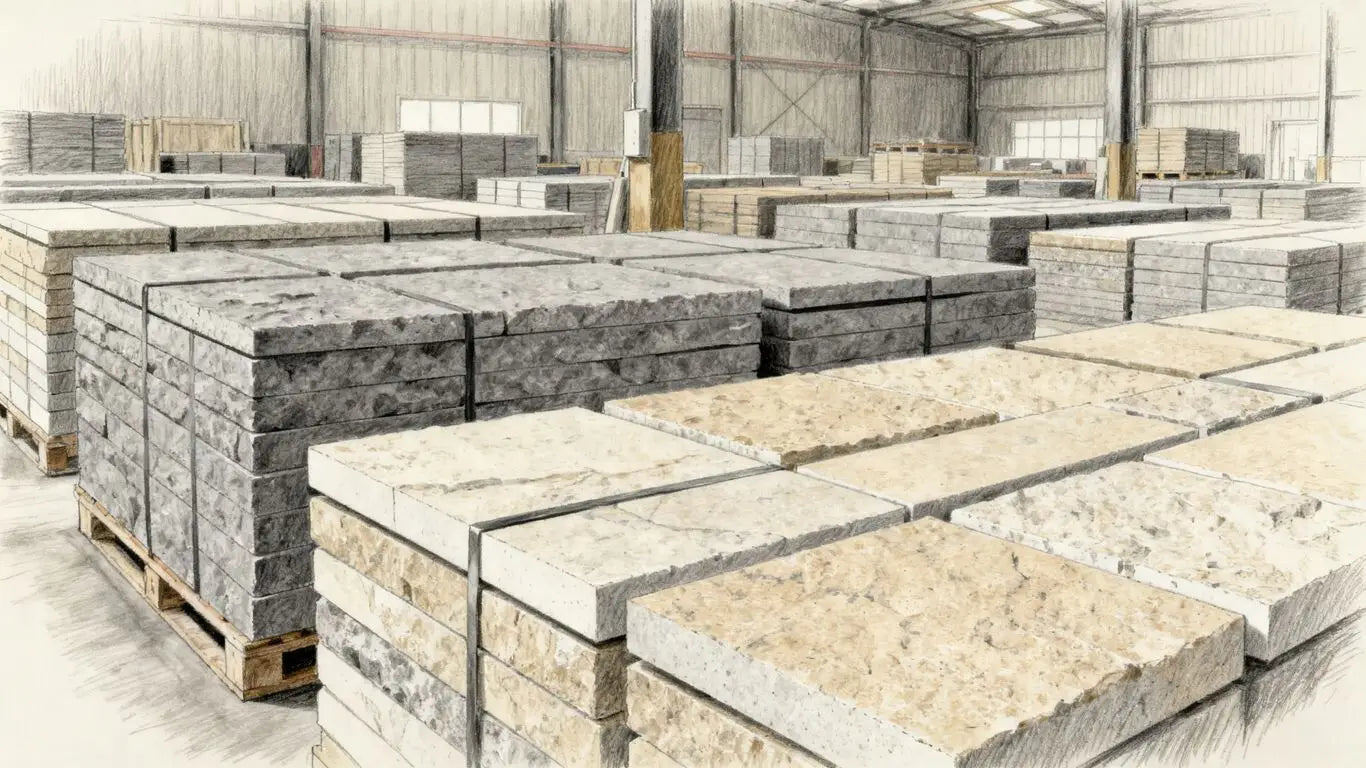
Engaging a direct stone importer provides homeowners with access to materials that are otherwise hidden from retail distribution channels. This partnership minimizes the layers of middle-markups while also ensuring you receive hand-selected batches of matching stone lots.
Accessing exclusive luxury material collections
Direct relationships with quarries mean that importers secure rare, specific color runs that would be unavailable through standard hardware supply houses. Accessing these exclusive lots ensures your project maintains a unique visual cachet, distinguishing your home from mass-produced interiors.
Leveraging volume and bulk discounts for large projects
Project-scale purchasing naturally favors those who utilize importers, as large-quantity orders allow for significant logistical efficiencies. This scale enables you to secure premium materials for larger footprints without abandoning your budget constraints.
Coordinating cross-country shipping for seamless supply
Reliable logistics are the heartbeat of timely renovations, especially when coordinating specialized shipments across states. A trusted importer ensures your palettes are insured and delivered at the right stage of your construction sequence, avoiding the stress of material shortages.
Best practices for installing and protecting your stone
Proper installation involves meticulous preparation of the substrate to support the weight and expansion characteristics of natural stone. Failing to prime the surface can lead to cracking or uneven settling over time, which compromises the integrity of your finish.
Substrate preparation for heavy natural materials
The wall or floor surface beneath your stone must be perfectly level and structurally reinforced. Using the appropriate thin-set or adhesive is mandatory for ensuring the stone bonds effectively to the substrate, preventing shifts in tiles during temperature-related expansion cycles.
Sealing protocols for marble and travertine surfaces
Maintaining the porosity of natural marble and travertine requires an application of high-quality penetrating sealers soon after installation. This barrier serves as the primary protection against stains, particularly in rooms like kitchens where oils and acids are frequently present.
Routine care to preserve color and finish
Daily upkeep requires only mild, pH-neutral cleaners specifically designed for natural stone. Avoiding harsh, acidic cleaning agents is essential for preventing long-term etching on marble surfaces, ensuring that the stone retains its gloss and color density for years to come.
Conclusion
Achieving the perfect renovation through expert tile and stone works requires a blend of high-quality materials and professional planning. By selecting the right grade of marble or travertine and partnering with experienced suppliers, you ensure that your design vision is realized with an enduring, luxurious finish that adds value to your property for generations.
Frequently Asked Questions
Why does natural stone require a professional sealer?
Natural stone is inherently porous, meaning it can absorb liquids and pigments without a protective seal. Professional-grade sealers fill these microscopic surface pores to create an invisible, stain-resistant barrier that protects the integrity of the material.
Is marble suitable for a busy kitchen floor?
Marble is suitable for high-traffic kitchens provided it is properly sealed and maintained with PH-neutral cleaners. While the stone may develop a slight patina over time due to wear, many homeowners appreciate this aged character as part of the material's inherent beauty.
Difference between honed and polished finishes?
A polished finish offers a mirror-like shine that reflects light and makes rooms appear more spacious. A honed finish provides a matte, non-reflective surface that feels smoother underfoot and often hiding minor scratches more effectively than high-gloss options.
Can natural stone be used outdoors?
Certain varieties of travertine or dense marble are ideal for outdoor paving, provided they are rated for exterior use and the sub-floor is properly drained. Always ensure the stone chosen is frost-resistant depending on your specific local climate conditions.
What is considered a high-traffic area for stone flooring?
Entryways, open-concept kitchens, and main living hallways are categorized as high-traffic because they experience the most frequent foot traffic and mechanical wear. In these areas, prioritizing higher density stone selections and professional sealing is especially prudent.
How do I handle small repairs on a marble floor?
Small chips or surface cracks can often be filled with color-matched epoxy resin materials. For deeper structural issues, it is recommended to bring in a professional stone restoration specialist to ensure the patched area blends seamlessly with the surrounding environment.
Are there specific cleaning agents I should avoid?
Avoid acidic cleaners such as vinegar, lemon juice, or abrasive chemical compounds, as these will cause etching and dull the finish of marble or limestone. Only use cleaners labeled for natural stone to maintain both the color and luster of your tiles.

Leave a comment