
What is antiqued marble? A 2026 guide for homeowners

Many homeowners and designers assume antiqued marble looks worn out or dated, but that misses the point entirely. This distinctive finish actually creates a sophisticated, lived-in elegance that works beautifully in contemporary spaces. Unlike polished marble’s glossy shine or honed marble’s flat appearance, antiqued marble offers unique texture and warmth that adds character to any room. Whether you’re renovating your kitchen, designing a statement bathroom, or selecting materials for a commercial project, understanding what antiqued marble truly is will help you make informed choices. This guide breaks down the definition, characteristics, finishing process, and practical applications of antiqued marble in 2026 interiors.
Table of Contents
- What Is Antiqued Marble? Defining Its Look And Process
- How Antiqued Marble Compares To Classic And Contemporary Marble Finishes
- Design Uses And Care Tips For Antiqued Marble In 2026 Interiors
- Explore Antiqued Marble Collections And Expert Design Resources
Key takeaways
| Point | Details |
|---|---|
| Antiqued finish definition | Specialized treatment creates a weathered, aged appearance on natural marble through tumbling, acid washing, or brushing techniques |
| Visual characteristics | Features softer luster, subtle patina, enhanced vein visibility, and slight surface texture unlike polished or honed finishes |
| Design versatility | Works in vintage, rustic, industrial, and eclectic styles for flooring, countertops, accent walls, and decorative pieces |
| Maintenance requirements | Needs gentle pH-neutral cleaners, prompt spill management, and periodic sealing to preserve the unique antiqued patina |
What is antiqued marble? Defining its look and process
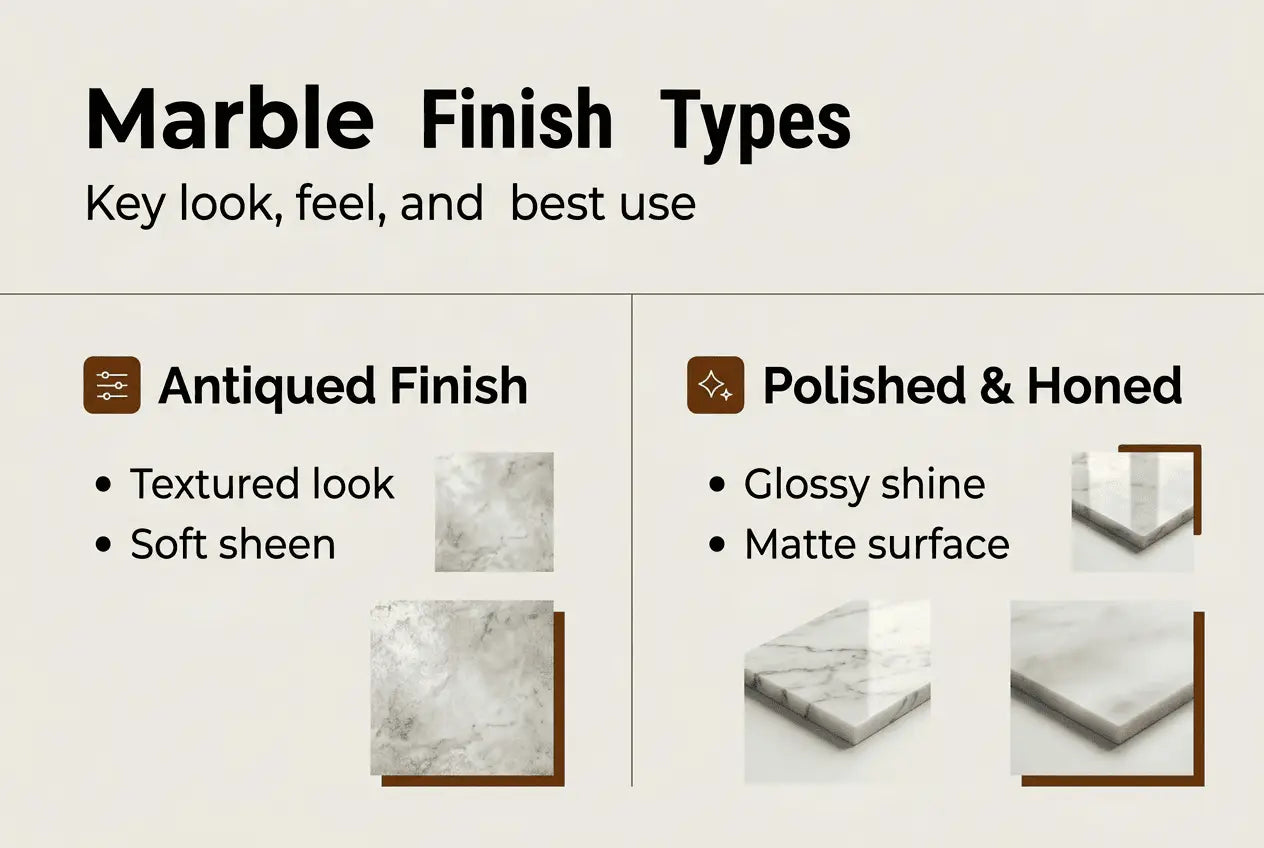
Antiqued marble is natural marble treated to appear aged or weathered, creating a finish that highlights the stone’s inherent beauty while adding visual depth. The antiquing process involves mechanical and chemical techniques that transform smooth marble surfaces into textured, character-rich materials. These methods include tumbling the stone with abrasives, applying controlled acid washes, or using specialized brushes to create subtle surface variations.
The antiquing process produces several distinctive characteristics that set this finish apart. You’ll notice a softer luster compared to polished marble, with light reflecting gently rather than creating mirror-like shine. The surface develops a subtle patina that suggests age and history, even on newly installed pieces. Veins and natural color variations become more pronounced as the treatment exposes different layers and textures within the stone. Small imperfections, slight irregularities, and gentle undulations across the surface contribute to the authentic aged appearance.
These characteristics differ significantly from other marble finishes. Polished marble receives extensive grinding and buffing to achieve a high-gloss, reflective surface that emphasizes color vibrancy and creates formal elegance. Honed marble undergoes grinding without the final polishing steps, resulting in a smooth, matte surface that feels flat and uniform. Antiqued marble goes beyond both by intentionally creating texture and visual interest through controlled weathering.
The key features that define antiqued marble include:
- Enhanced texture with slight surface variations and gentle undulations
- Matte to satin sheen that softens light reflection
- Emphasized veining and natural stone patterns
- Warm, inviting appearance that suggests history and character
- Tactile surface that engages both visual and physical senses
Pro Tip: When selecting antiqued marble, examine samples in your actual lighting conditions. The finish interacts differently with natural daylight versus artificial lighting, and you want to ensure the subtle variations enhance your space rather than disappear.
Understanding these defining characteristics helps you appreciate how antiqued marble functions differently than other finishes. The weathered appearance isn’t a flaw but an intentional design choice that brings warmth and authenticity to interiors. This foundation prepares you to evaluate how antiqued marble compares to other marble finishes and determine which option suits your specific design vision.
How antiqued marble compares to classic and contemporary marble finishes
Comparing marble finishes reveals distinct advantages and aesthetic qualities that influence design decisions. Each finish serves different purposes and creates unique visual effects in interior spaces. Antiqued marble provides rustic elegance that differs fundamentally from polished marble’s sleek formality, making the comparison essential for informed material selection.
The table below illustrates key differences across three primary marble finishes:
| Finish Type | Surface Appearance | Light Reflection | Texture | Best Design Styles |
|---|---|---|---|---|
| Antiqued | Weathered, textured patina | Soft, diffused glow | Slightly irregular, tactile | Rustic, vintage, industrial, eclectic |
| Polished | Glossy, mirror-like | High shine, reflective | Smooth, glass-like | Formal, contemporary, luxury, traditional |
| Honed | Matte, uniform | Minimal reflection | Smooth, flat | Modern, minimalist, transitional, casual |
Polished marble maximizes color vibrancy and creates dramatic visual impact through its reflective surface. Light bounces off the glossy finish, making spaces feel brighter and more expansive. This finish works beautifully in formal settings, luxury bathrooms, and spaces where you want to showcase the marble’s inherent colors and veining with maximum clarity. However, the high shine can feel cold or overly formal in casual living spaces.
Honed marble offers a middle ground with its smooth, matte surface that feels contemporary and understated. The flat finish reduces glare and creates a more relaxed atmosphere than polished marble. While honed surfaces show the stone’s natural beauty, they lack the dimensional quality and character that antiquing provides. The uniform appearance can feel somewhat sterile in spaces that need warmth and personality.
Antiqued marble brings visual texture and depth that neither polished nor honed finishes can match. The weathered appearance creates immediate character and suggests a story, making new installations feel established and intentional. Designers increasingly favor antiqued marble for projects requiring authentic charm without sacrificing quality or durability.
Key advantages of antiqued marble include:
- Conceals minor scratches and wear better than polished finishes
- Creates visual warmth that softens modern interiors
- Adds architectural interest without competing with other design elements
- Bridges traditional and contemporary aesthetics seamlessly
- Reduces maintenance visibility as natural patina blends with the antiqued finish
The antiqued finish particularly excels in spaces where you want marble’s luxury without the formal rigidity of polished stone. It works beautifully in transitional designs that blend multiple style elements, and it complements both vintage furnishings and sleek modern pieces. The textured surface also provides better slip resistance than polished marble, making it practical for flooring applications in high-traffic areas.
Pro Tip: Consider mixing marble finishes within a single project. Use polished marble for vertical surfaces like backsplashes where you want visual pop, and antiqued marble for flooring where texture and warmth matter more. This layered approach creates sophisticated depth while addressing practical performance needs.
Understanding these comparisons empowers you to select the right finish for each application in your project. The choice isn’t about which finish is objectively better, but which characteristics align with your design goals, lifestyle needs, and aesthetic preferences. With this foundation, you’re ready to explore specific ways to incorporate antiqued marble into your spaces and maintain its distinctive beauty over time.
Design uses and care tips for antiqued marble in 2026 interiors
Antiqued marble transforms spaces through versatile applications that range from foundational surfaces to decorative accents. Its textured finish and warm patina make it suitable for multiple interior uses where you want natural stone’s luxury with approachable character. Understanding both application possibilities and maintenance requirements ensures your antiqued marble investment delivers lasting beauty.
In kitchens, antiqued marble creates stunning countertops that balance elegance with practicality. The textured surface conceals minor etching and wear better than polished alternatives, though you still need to protect it from acidic substances. Island tops, perimeter counters, and even full-height backsplashes benefit from the finish’s ability to add depth without overwhelming the space. The matte to satin sheen complements both traditional cabinetry and contemporary minimalist designs.
Bathroom applications showcase antiqued marble’s versatility. Flooring in antiqued marble provides slip resistance while creating spa-like ambiance. Vanity tops gain character and visual interest from the weathered finish. Shower surrounds in antiqued marble tiles establish focal points that feel both luxurious and inviting. The finish works particularly well in master bathrooms where you want to create a retreat atmosphere.
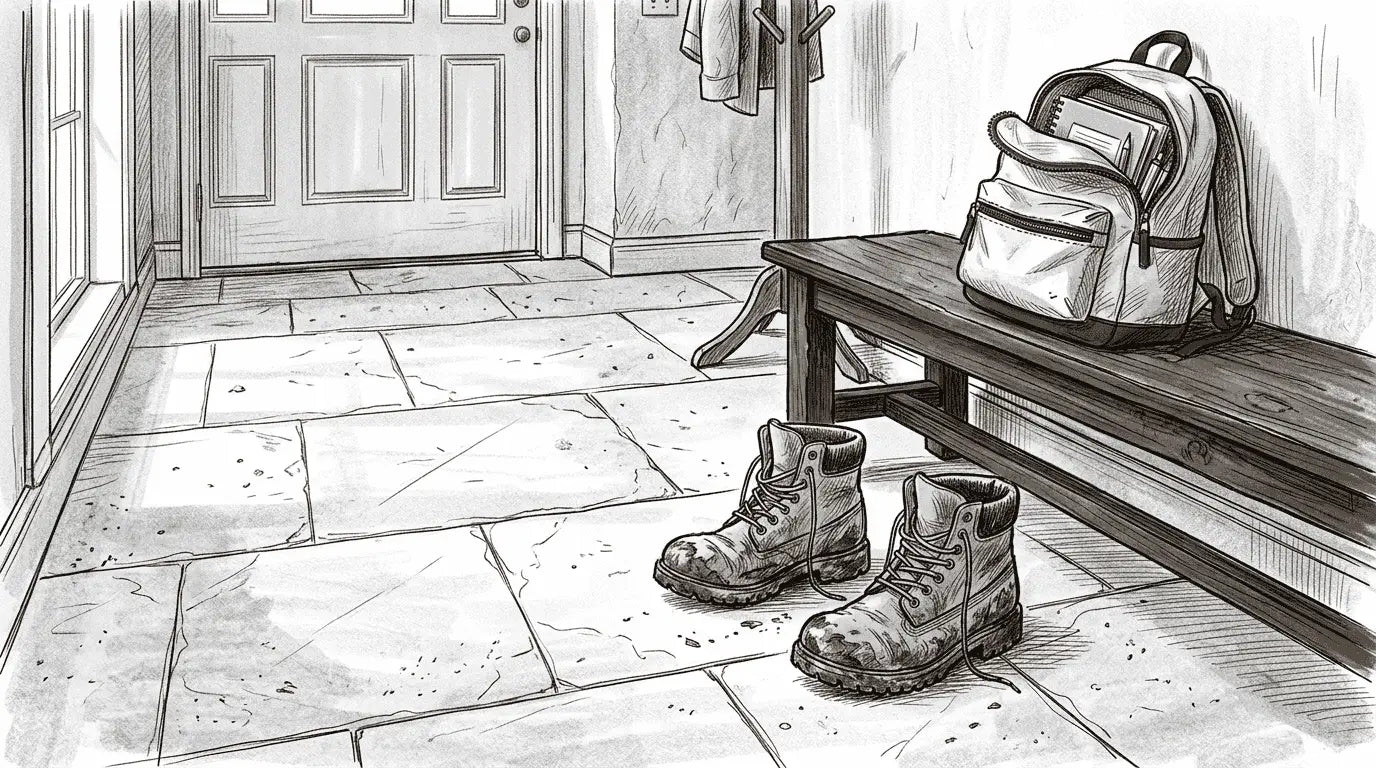
Living areas and entryways gain architectural presence through antiqued marble flooring. The textured surface handles foot traffic gracefully while adding warmth that polished stone can’t match. Accent walls in antiqued marble tiles create statement features without requiring bold colors or patterns. Fireplace surrounds benefit from the finish’s ability to suggest age and permanence, anchoring living spaces with natural beauty.
Decorative applications include coffee table tops, console surfaces, and custom furniture pieces. Small-scale uses let you introduce marble’s luxury in manageable doses. The antiqued finish ensures these pieces feel curated and intentional rather than ostentatious.
Antiqued marble suits specific interior styles particularly well:
- Vintage and farmhouse designs that celebrate aged materials
- Industrial spaces needing organic warmth to balance metal and concrete
- Rustic interiors where natural texture enhances the aesthetic
- Eclectic rooms that mix periods and styles with confident layering
- Transitional designs bridging traditional and contemporary elements
Proper maintenance preserves the antiqued finish and prevents damage that could compromise the stone’s appearance. The care routine differs slightly from polished marble because you’re protecting a textured surface with deliberate patina rather than maintaining a glossy shine.
Follow these steps for effective antiqued marble care:
- Clean daily with soft microfiber cloths and pH-neutral cleaners specifically formulated for natural stone.
- Wipe spills immediately, especially acidic substances like wine, citrus juice, or vinegar that can etch marble.
- Avoid abrasive scrubbers, harsh chemicals, and acidic cleaners that strip the antiqued patina.
- Apply penetrating sealer every 12 to 18 months to protect against staining while preserving the finish.
- Use coasters, trivets, and cutting boards to prevent direct contact with hot items or sharp objects.
- Dust mop or vacuum flooring regularly to remove grit that can scratch the surface over time.
- Deep clean monthly with stone-specific products, following manufacturer dilution ratios carefully.
The antiqued finish actually simplifies maintenance in some ways. Minor scratches and etching blend into the existing texture rather than standing out as obvious flaws. The matte surface doesn’t show water spots or fingerprints as readily as polished marble. However, you still need to seal the stone regularly because the antiquing process can make the surface slightly more porous.
Pro Tip: Test new cleaning products on an inconspicuous area first. Some cleaners marketed for general stone use contain ingredients that can alter antiqued marble’s carefully crafted patina. Stick with products specifically labeled safe for honed or antiqued marble to avoid unwanted changes.
Understanding these applications and care requirements positions you to use antiqued marble confidently in your projects. The finish delivers marble’s timeless appeal with added character and slightly easier maintenance than high-polish alternatives. Whether you’re designing a complete renovation or adding a single statement piece, antiqued marble offers flexibility that adapts to your specific vision and practical needs.
Explore antiqued marble collections and expert design resources
Bringing antiqued marble into your project becomes easier when you work with specialists who understand natural stone’s unique qualities. Surfaces Galore offers carefully curated collections of antiqued marble products perfect for homeowners and designers seeking authentic character in their interiors. Our direct import model ensures you receive premium quality at accessible prices, with nationwide shipping that brings luxury natural stone to your doorstep regardless of location.
Our extensive blog provides ongoing inspiration and practical guidance for working with marble in all its forms. Explore classic marble design approaches that blend timeless elegance with contemporary sensibilities, or dive into detailed marble maintenance strategies that protect your investment for decades. Visit Surfaces Galore to browse our complete selection and connect with stone experts who can help you select the perfect antiqued marble for your specific application.
What is antiqued marble? Frequently asked questions
Is antiqued marble durable for flooring?
Yes, antiqued marble performs well as flooring when properly sealed and maintained. The textured finish actually provides better slip resistance than polished marble, and the weathered appearance conceals minor wear that would show prominently on glossy surfaces. Regular sealing protects against staining in high-traffic areas.
How do you clean antiqued marble without damaging the finish?
Use pH-neutral cleaners designed for natural stone and soft microfiber cloths for daily cleaning. Avoid acidic products, abrasive scrubbers, and harsh chemicals that can strip the antiqued patina. Proper cleaning techniques preserve both the stone and its distinctive finish.
Can antiqued marble be used outdoors?
Antiqued marble can be used in covered outdoor spaces like patios or porches, but full exterior exposure isn’t recommended. Freeze-thaw cycles, constant moisture, and UV exposure can damage the stone over time. For fully exposed outdoor areas, consider more weather-resistant natural stone options.
What makes antiqued marble more expensive than other finishes?
The antiquing process requires additional labor, specialized equipment, and expertise beyond standard polishing or honing. Each piece receives individual treatment to achieve the desired weathered appearance, and quality control ensures consistent results. This extra processing time and skill increase production costs.
How does antiqued marble age over time?
Antiqued marble develops a deeper patina as it ages, enhancing the weathered character rather than detracting from it. Minor scratches and natural wear blend into the existing texture, making the stone look better with time. Proper sealing and maintenance ensure the aging process remains attractive rather than problematic.

Leave a comment