
Inspiring Stone Tile Pattern Ideas for Stylish Kitchens

TL;DR:
- Choosing the right stone tile pattern depends on room size, lighting, style, and maintenance needs.
- Classic patterns like straight lay and diagonal are easier to install and maintain, while complex patterns require skill.
- Balanced, well-planned layouts tend to age better than trendy, bold patterns rushed without proper consideration.
Picking the wrong stone tile pattern is one of the most expensive mistakes a homeowner can make during a kitchen or bathroom renovation. You live with that floor or backsplash every single day. The sheer number of options, from classic straight lay to intricate herringbone, can make the decision feel paralyzing. But it does not have to be. This guide walks you through the most popular stone tile patterns, explains exactly how to evaluate them for your specific space, and gives you the practical knowledge to move forward with confidence and avoid the regret that comes from a rushed choice.
Table of Contents
- How to choose the right stone tile pattern
- Timeless stone tile patterns: Classic to contemporary
- Comparing popular stone tile patterns: Visuals and benefits
- How to match stone tile patterns with your space
- Our perspective: Why balance beats boldness in stone tile patterns
- Design your dream space with expert support
- Frequently asked questions
Key Takeaways
| Point | Details |
|---|---|
| Identify project priorities | Think through style, function, and installation needs before picking a stone tile pattern. |
| Pattern impacts space perception | Choosing the right pattern can make rooms appear larger, cozier, or more striking. |
| Balance design and durability | Select patterns that offer lasting appeal and realistic upkeep for kitchens and baths. |
| Follow expert standards | Rely on industry guidelines and professional advice to ensure a flawless result. |
How to choose the right stone tile pattern
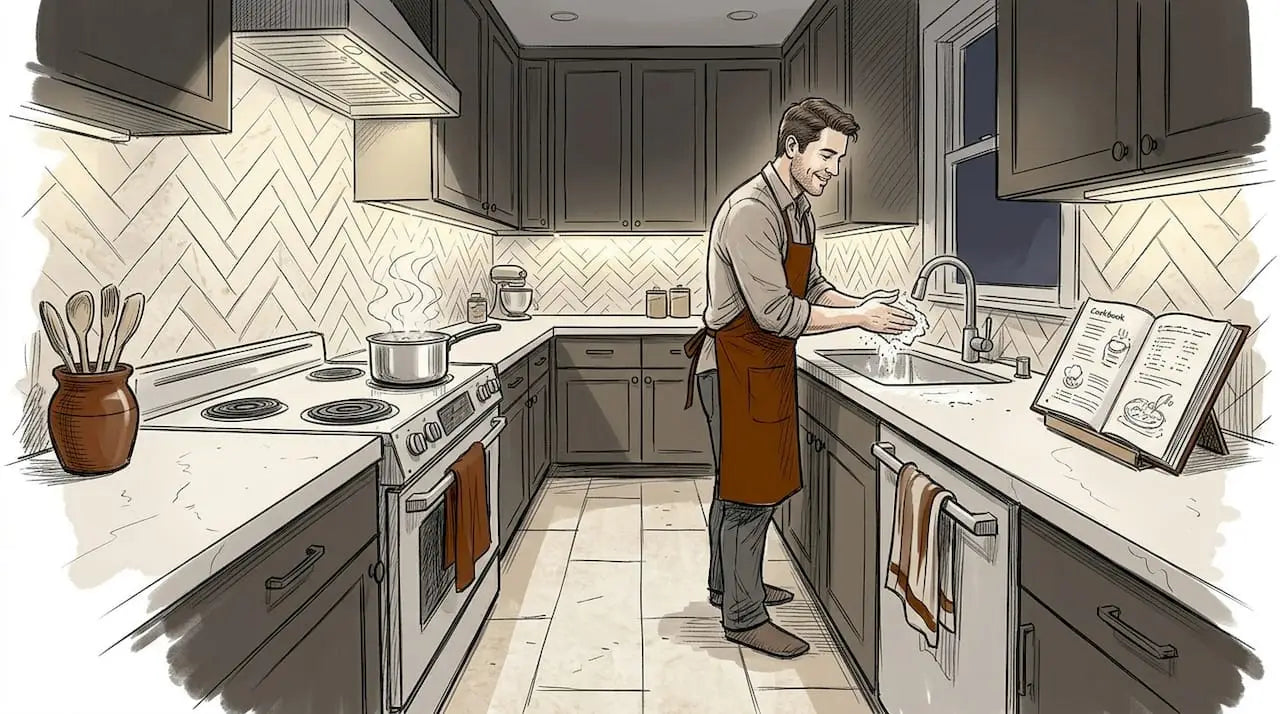
Before you fall in love with a pattern on a design blog, you need to ground your decision in a few real-world factors. The most important ones are room size, natural and artificial lighting, and the style you are going for. A bold diagonal pattern can make a small powder room feel dynamic, but that same layout in a narrow galley kitchen might feel chaotic rather than stylish.
Maintenance is another factor that homeowners often underestimate. Natural stone tiles in kitchens and bathrooms face moisture, grease, and foot traffic daily. Patterns with many grout lines, like mosaic layouts, require more frequent cleaning. Slip resistance matters especially in wet areas. Honed or brushed stone finishes offer better grip than polished surfaces, so factor that into your pattern and finish decision at the same time.
Installation skill is the third big variable. Some patterns look stunning but demand a professional with real experience. A herringbone layout, for example, requires precise angle cuts and careful alignment. Mistakes compound quickly and waste expensive stone. If you are a confident DIYer, choosing tile patterns that match your skill level will save you time, money, and frustration.
Here are the core criteria to evaluate before committing to any pattern:
- Room size: Large-format tiles in small rooms can feel overwhelming; smaller mosaic tiles in large rooms may look busy
- Lighting: Low-light rooms benefit from diagonal layouts that reflect light at more angles
- Style intent: Rustic, modern, transitional, or traditional spaces each have patterns that naturally complement them
- Grout line count: More grout lines mean more maintenance and a busier visual effect
- Installer skill: Complex patterns require experienced hands; always get a quote that accounts for pattern complexity
- Slip resistance: Prioritize textured finishes and smaller tiles in wet areas for safety
Pro Tip: Always measure for tile carefully before ordering. Diagonal and herringbone patterns typically require 10 to 15 percent more tile than straight layouts due to additional cuts at edges.
The TCNA/ANSI installation benchmarks are the industry standard for offset limits and coverage requirements. Following them is not optional if you want a floor that lasts.
Timeless stone tile patterns: Classic to contemporary
With clear criteria in mind, let’s explore the most popular and visually impactful stone tile patterns found in American kitchens and bathrooms.
-
Straight lay (grid): The most common layout. Tiles align in a clean grid with uniform grout lines. It is simple, timeless, and works in virtually any space. Best for large-format marble or travertine in modern and transitional kitchens.
-
Diagonal (45-degree): Tiles are rotated 45 degrees to create a diamond effect. This layout visually expands small rooms and adds energy without requiring complex cuts. A great choice for small bathrooms with square tiles.
-
Running bond (brick offset): Tiles are staggered like bricks, with each row offset by half a tile. It adds subtle movement and works beautifully on backsplashes and shower walls. Keep offsets at or below 33 percent for large-format stone tiles.
-
Basketweave: Pairs of rectangular tiles alternate direction to mimic a woven texture. It is a classic pattern for bathroom floors, especially in marble, and adds vintage charm without feeling dated.
-
Herringbone: Rectangular tiles are laid at 90-degree angles to each other in a V-shape. It is dramatic, directional, and works well in entryways, kitchen floors, and shower niches. It demands a skilled installer.
-
Modular (Versailles): A mix of different tile sizes arranged in a repeating pattern. It mimics old-world European stone floors and is stunning in large kitchens or open-plan spaces with travertine.
For top designer tile patterns, herringbone and modular layouts consistently rank among the most requested by interior designers working on high-end renovations.
“Patterns like herringbone demand skilled installers. Avoid offsets over 33% on large stone tiles to prevent lippage, which is the uneven edge height between adjacent tiles that creates a tripping hazard and looks unprofessional.”
Pro Tip: If you love the look of herringbone but are working with a tight budget, use it as an accent in a shower niche or kitchen backsplash rather than across an entire floor. You get the visual impact without the full installation cost. Explore more tile layout patterns to see how each one photographs in real spaces before you decide.
Comparing popular stone tile patterns: Visuals and benefits
After reviewing popular options, it helps to compare them side-by-side to clarify which suits your project.
| Pattern | Visual effect | Installation difficulty | Best use | Maintenance level |
|---|---|---|---|---|
| Straight lay | Clean, minimal | Easy | Large kitchens, open floors | Low |
| Diagonal | Spacious, dynamic | Easy to moderate | Small bathrooms, entryways | Low |
| Running bond | Casual, textured | Moderate | Backsplashes, shower walls | Low to moderate |
| Basketweave | Classic, detailed | Moderate | Bathroom floors, accents | Moderate |
| Herringbone | Bold, directional | Difficult | Feature floors, niches | Moderate |
| Modular | Elegant, old-world | Difficult | Large kitchens, living areas | Moderate to high |
A few things stand out from this comparison. First, installation difficulty scales directly with visual complexity. If you are hiring a general contractor rather than a tile specialist, stick to straight lay or diagonal for the best outcome. Second, maintenance level is tied to grout line density. Basketweave and modular layouts have more joints, which means more surface area for grime to collect.
For visual impact with tile patterns, the modular Versailles layout is hard to beat in large spaces. But it requires a seasoned installer who understands how to sequence the tile sizes correctly.
“TCNA and ANSI benchmarks set minimum tile coverage, pattern offsets, and installation quality standards that protect your investment and ensure the finished surface performs as expected over years of use.”
When comparing patterns, also consider how marble pattern ideas translate differently depending on the stone veining. A heavily veined marble in a herringbone layout creates a very different effect than the same pattern in a more uniform travertine.
Key takeaways from the comparison:
- Simple patterns are safer bets for DIY projects
- Bold patterns deliver more visual drama but cost more to install correctly
- Maintenance should factor into your final decision as much as aesthetics
- Stone type and veining interact with the pattern to create the final look
How to match stone tile patterns with your space
Comparison helps, but making the right match depends on how your chosen pattern will interact with your specific space.
Color and finish play a huge role. Light-colored stone in a straight lay pattern will make a dark kitchen feel brighter and more open. A dark, veined marble in a herringbone layout in the same kitchen might feel dramatic and moody. Neither is wrong, but they create completely different atmospheres. Think about the existing cabinet color, countertop material, and wall paint before locking in a pattern.
Grout color is often overlooked but it is one of the most powerful tools you have. A contrasting grout in a herringbone layout emphasizes the pattern. A matching grout in a straight lay creates a seamless, almost monolithic surface. The matching tile patterns approach that works best is to test grout samples on a small section before committing.
Tile scale matters just as much as pattern. Large 24x24 inch tiles in a 50-square-foot bathroom will have very few grout lines, which looks sleek but can feel cold. Smaller tiles in the same space create warmth and texture. Here is a quick reference:
| Room size | Recommended tile size | Best pattern options |
|---|---|---|
| Under 50 sq ft | 4x4 to 12x12 inches | Diagonal, basketweave, straight lay |
| 50 to 150 sq ft | 12x12 to 18x18 inches | Running bond, straight lay, herringbone |
| Over 150 sq ft | 18x18 to 24x24 inches | Modular, straight lay, large herringbone |
Common mistakes to avoid:
- Pattern clashing: Using a busy floor pattern with a busy backsplash creates visual noise. Let one surface lead and keep the other simple.
- Wrong scale: Tiny mosaic tiles on a large open floor look scattered and unintentional.
- Ignoring transitions: Where your tile meets wood flooring or carpet, the pattern direction matters for a clean visual handoff.
Pro Tip: Before finalizing any layout, use the bathroom tile workflow guide to map out your full design from floor to ceiling. Seeing the complete picture early prevents costly surprises during installation.
Room size, lighting, and design harmony are the three pillars of a successful tile match. Get all three right and the pattern almost selects itself.
Our perspective: Why balance beats boldness in stone tile patterns
We have seen thousands of renovation projects at Surfaces Galore, and the ones that age best share one trait: restraint. Not boring, but balanced. Homeowners who chase the boldest trend often end up with a space that looks stunning in photos but feels exhausting to live in after six months.
Bold patterns are not the enemy. The problem is when boldness is chosen for its own sake rather than because it genuinely fits the space. A herringbone floor in a small bathroom can be breathtaking when the stone color is calm and the grout blends in. That same pattern in a high-contrast stone with bright grout in a tiny room will feel like a mistake within a year.
The biggest differentiator for long-term satisfaction is not the pattern itself. It is how well the pattern was planned and installed. Classic layouts installed with precision and quality stone will always outperform trendy patterns rushed through a budget installation. That is the honest truth from years of working with homeowners and designers. For tile project planning tips, starting with balance as your guiding principle will serve you better than starting with a trend.
Design your dream space with expert support
Ready to bring your stone tile vision to life? Here’s how Surfaces Galore can support you every step of the way.
At Surfaces Galore, we specialize in premium natural marble and travertine tiles imported directly, which means you get authentic quality at prices that make sense for real renovation budgets. Whether you are drawn to a classic straight lay or a dramatic modular Versailles floor, our team can help you find the right stone and pattern combination for your specific space.

Browse our curated collection of top tile patterns to see how different layouts look in real kitchens and bathrooms. If you want personalized guidance, reach out to our design team directly. We ship nationwide and work with homeowners, contractors, and designers who want their projects to look exceptional and last for decades.
Frequently asked questions
Which stone tile pattern works best for small bathrooms?
Straight lay and diagonal patterns are the top choices for small bathrooms because they visually expand the space and are the easiest to install without errors.
How do I prevent uneven surfaces (lippage) with large stone tiles?
Keep your tile offset at no more than 33 percent and hire an installer with proven experience working with large-format natural stone.
Are mosaic stone tile patterns suitable for high-traffic kitchens?
Mosaic patterns can work well in kitchens, but you should prioritize slip-resistant grout treatments and seal the grout regularly to handle spills and heavy foot traffic.
Is it better to go with trendy or classic stone tile layouts?
Classic layouts hold their appeal far longer and are less likely to look dated, though a well-matched trendy pattern can add personality if it genuinely suits your space and stone type.

Leave a comment