

What Is Marble Substrate: 35% Fewer Failures Explained

Many designers assume any solid surface works as a marble substrate. That belief contributes to a 40% higher failure rate in upscale installations. Proper substrate selection is foundational to durability and aesthetic success. This guide clarifies substrate types, their impact on marble performance, and decision criteria that help you avoid costly mistakes and ensure your projects deliver timeless elegance.
Table of Contents
- Understanding Marble Substrate: Definition and Types
- The Role of Substrate in Marble Durability and Aesthetics
- Material Options for Marble Substrates: Pros and Cons
- Common Misconceptions About Marble Substrates
- Installation Requirements and Best Practices for Marble Substrates
- Case Studies: Substrate Selection in Upscale Residential and Commercial Projects
- Choosing the Right Marble Substrate for Your Project
- Explore Premium Marble and Substrate Solutions at Surfaces Galore
- Frequently Asked Questions About Marble Substrates
Key Takeaways
| Point | Details |
|---|---|
| Substrate definition and types | Understanding cement board, concrete, and engineered panels is essential for project success. |
| Moisture resistance matters | Proper moisture barriers reduce tile failures by 35% over time. |
| Adhesion strength is critical | Thorough substrate prep increases adhesion by up to 60%. |
| Engineered substrates excel | Advanced materials offer superior stability for commercial projects. |
| Match substrate to environment | Choosing appropriately minimizes repairs and preserves beauty. |
Understanding Marble Substrate: Definition and Types
A marble substrate is the structural foundation that supports marble tiles or slabs during and after installation. It distributes weight, resists moisture, and ensures lasting adhesion. Without a reliable substrate, even the finest marble can crack, debond, or discolor. Understanding substrate types helps you match materials to project demands.
Common substrate materials include cement backer board, poured concrete slabs, and plywood. Cement backer board is moisture resistant and dimensionally stable, making it ideal for wet areas like showers and kitchens. Poured concrete offers exceptional strength and rigidity for large format marble installations. Plywood is lighter and easier to work with but prone to expansion when exposed to moisture, making it risky in humid environments.
Typical substrate thickness ranges from 1/2 inch for cement board to several inches for concrete slabs. Thicker substrates provide better load distribution and reduce deflection under heavy marble pieces. Physical properties such as moisture resistance, rigidity, and dimensional stability directly influence marble longevity and appearance.
Engineered substrate panels represent emerging technology, combining moisture barriers with enhanced rigidity. These products reduce installation time while delivering superior performance. Selecting the right substrate preserves the role of marble in interiors by preventing damage and maintaining the elegance of your chosen marble texture options.
Key substrate characteristics include:
- Moisture resistance to prevent water infiltration and material degradation
- Dimensional stability to minimize expansion and contraction cycles
- Rigidity to support weight without excessive deflection
- Surface compatibility for optimal adhesive bonding
- Durability to withstand environmental stresses over decades
Choosing substrates that match your project environment and marble type is fundamental. Whether you’re designing a luxury bathroom or a commercial lobby, pairing premium marble for luxury home design with the correct substrate ensures your vision endures.
The Role of Substrate in Marble Durability and Aesthetics
Substrates do more than hold marble in place. They distribute loads evenly across the installation area, reducing stress concentrations that cause cracking. A rigid substrate minimizes tile movement, which protects grout lines and prevents lippage. Without proper support, even minor deflection can compromise marble integrity.
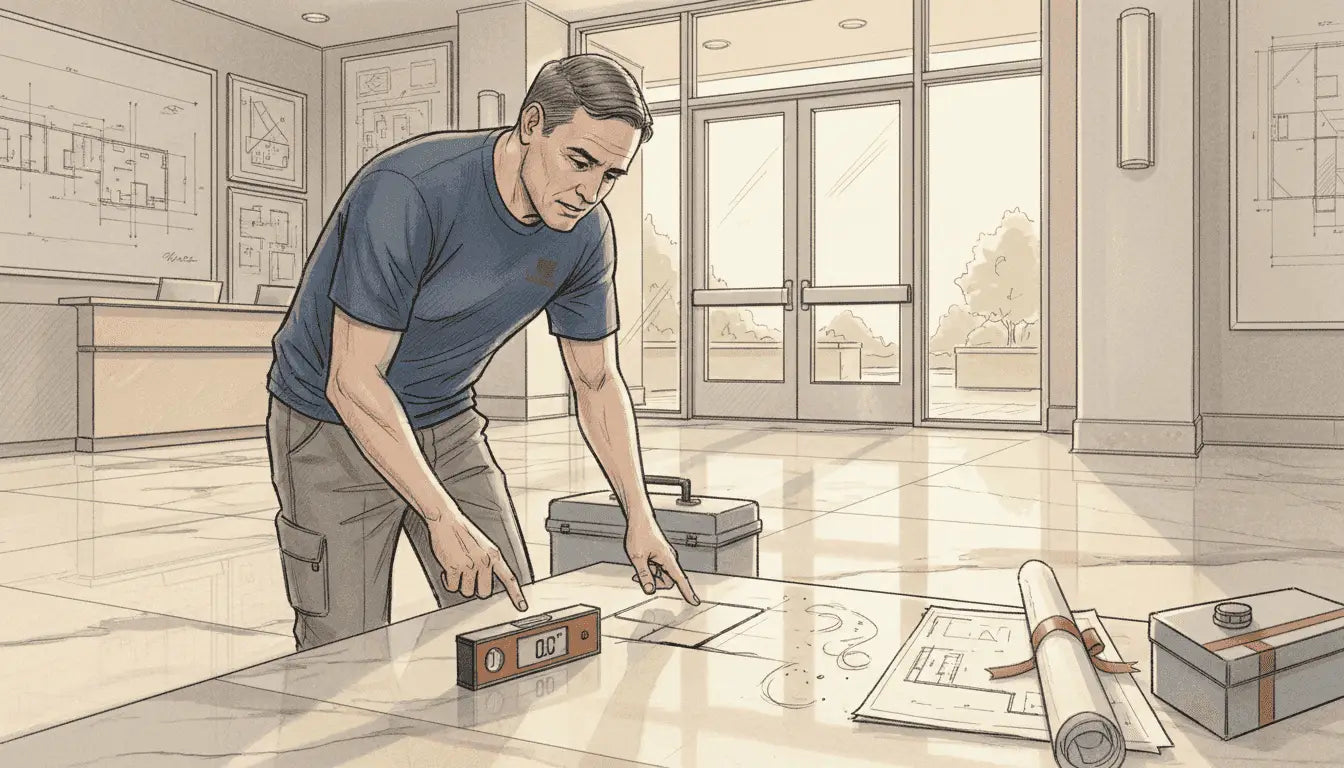
Moisture management is equally critical. Water infiltration weakens adhesive bonds and promotes mold growth beneath tiles. Improper substrates increase marble tile failures by 40% within 5 years, often due to moisture related damage. Selecting moisture resistant substrates and incorporating vapor barriers dramatically extends marble lifespan.
Adhesion strength between marble and substrate determines how well tiles resist shear forces and thermal expansion. Substrates with porous, textured surfaces provide better mechanical bonding than smooth, non absorbent materials. Using compatible adhesives formulated for both the substrate and marble type maximizes bond strength and reduces debonding risk.
Pro Tip: Always test substrate moisture content before installation to avoid failures. Use a moisture meter to confirm levels are within manufacturer specifications for your adhesive system.
Proper substrate selection also influences the final aesthetic. Uneven substrates telegraph imperfections through marble surfaces, creating visible undulations or lippage. A flat, stable substrate ensures your marble surface finishes present flawlessly. Implementing moisture management for marble tile substrates protocols protects both appearance and structural integrity.
Consider these substrate impact factors:
- Load distribution prevents concentrated stress and cracking
- Moisture barriers block water infiltration and protect adhesive bonds
- Surface flatness eliminates lippage and visible imperfections
- Thermal stability reduces expansion induced stress on marble
- Chemical compatibility with adhesives ensures long term bonding
Investing in quality substrates pays dividends through reduced maintenance, fewer repairs, and preserved aesthetics. Your marble selections deserve a foundation that matches their quality and longevity.
Material Options for Marble Substrates: Pros and Cons
Cement backer board is the industry standard for wet area marble installations. It resists moisture penetration, remains dimensionally stable under humidity changes, and provides excellent adhesive bonding. Typical thicknesses range from 1/2 to 5/8 inch. Cement board is relatively affordable and widely available, making it a go to choice for bathrooms, kitchens, and pools.
Plywood offers ease of installation and cost savings but carries significant risks. It expands and contracts with moisture exposure, creating stress that cracks grout and debonds tiles. Plywood substrates work only in consistently dry environments with minimal humidity. Even then, using marine grade plywood with moisture barriers is essential. Many designers avoid plywood entirely for marble due to its unpredictability.
Poured concrete slabs deliver unmatched strength and rigidity. They are ideal for large format marble installations and high traffic commercial spaces. Concrete handles heavy loads without deflection and provides a stable, long lasting foundation. However, concrete requires proper curing and moisture testing before marble installation. Inadequate curing can trap moisture, leading to efflorescence and adhesive failure.
Engineered substrate panels represent the latest innovation. These products integrate vapor barriers, moisture resistance, and dimensional stability into lightweight panels. Some systems include built in leveling features that reduce prep time. Using vapor barrier enhanced substrates reduces moisture related marble damage by 35% over 10 years in commercial buildings. Engineered panels cost more upfront but save on labor and long term repairs.
| Substrate Material | Moisture Resistance | Dimensional Stability | Cost | Best Use Case |
|---|---|---|---|---|
| Cement Backer Board | Excellent | High | Moderate | Wet areas, showers, kitchens |
| Plywood | Poor | Low | Low | Dry interior walls only |
| Poured Concrete | Good | Very High | High | Commercial floors, large format marble |
| Engineered Panels | Excellent | Very High | High | High end residential, commercial projects |
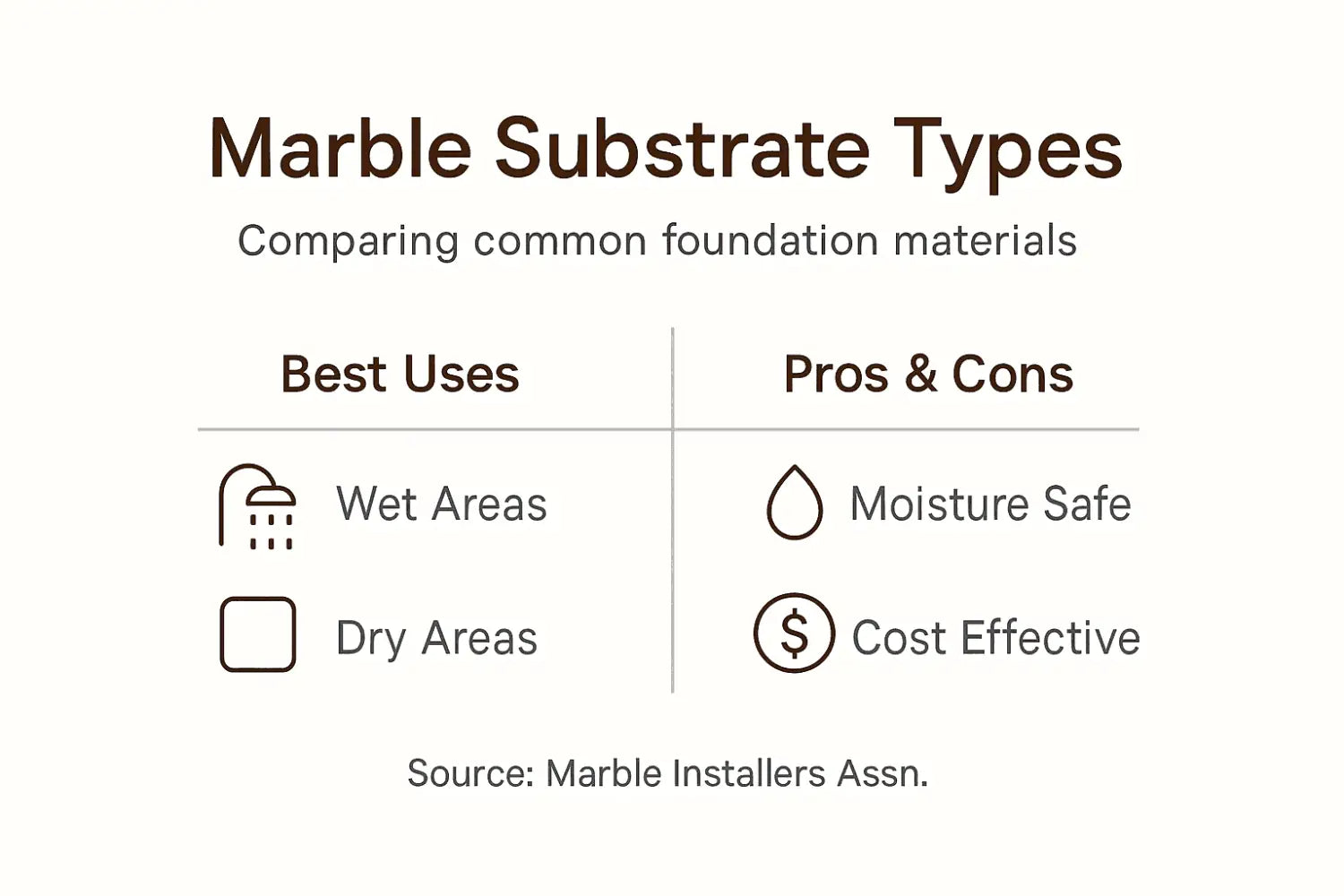
Choosing the right substrate material involves balancing performance, cost, and project specific conditions. For marble shower installation workflow projects, cement board or engineered panels are typically the safest choices. Understanding each material’s strengths and limitations helps you avoid expensive failures.
Key considerations include:
- Moisture exposure levels in the installation environment
- Structural load requirements and deflection limits
- Budget constraints and long term cost of ownership
- Installation complexity and labor availability
- Compatibility with your chosen marble type and adhesive system
Selecting substrates based on these criteria minimizes risk and ensures your marble installations deliver lasting beauty and performance.
Common Misconceptions About Marble Substrates
One widespread myth is that any solid surface can serve as a marble substrate. This misunderstanding leads designers to approve plywood or drywall for marble installations, resulting in premature failures. Marble demands substrates with specific moisture resistance, rigidity, and bonding characteristics. Not all solid materials meet these requirements.
Another misconception is that plywood works fine if it’s thick enough. Thickness alone doesn’t solve plywood’s fundamental problem: moisture induced expansion. Even marine grade plywood swells and contracts with humidity changes, stressing marble tiles and cracking grout. In wet environments, plywood substrates fail consistently regardless of thickness.
Many installers underestimate the importance of substrate preparation. Skipping steps like cleaning, leveling, and moisture testing reduces adhesion strength by up to 60%. A dirty or uneven substrate prevents proper adhesive coverage, creating weak spots that lead to debonding. Surface preparation is not optional; it’s foundational to success.
Some designers believe that using premium marble compensates for substandard substrates. This logic is backwards. High quality marble deserves an equally high quality foundation. Pairing expensive marble with cheap or inappropriate substrates guarantees disappointing results and costly repairs. The substrate must match the marble’s performance expectations.
Pro Tip: Invest time in substrate prep. It’s crucial to long term project success and protects your reputation as a designer.
Misconceptions about substrate selection contribute to up to 40% higher marble tile failure rates. Correcting these false beliefs saves money, time, and client relationships. Follow these principles:
- Verify that your substrate material is specifically rated for marble installations.
- Never use plywood in areas with moisture exposure or high humidity.
- Always complete thorough surface preparation including cleaning and leveling.
- Test substrate moisture content before applying adhesive or setting tiles.
- Match substrate properties to your project’s environmental conditions and marble type.
- Consult manufacturer guidelines and industry standards for every installation.
Understanding what doesn’t work is as important as knowing what does. Avoid these pitfalls to ensure your marble projects deliver the durability and aesthetics your clients expect.
Installation Requirements and Best Practices for Marble Substrates
Proper substrate preparation begins with thorough cleaning. Remove dust, grease, and contaminants that interfere with adhesive bonding. Use appropriate solvents or detergents, then rinse and allow the substrate to dry completely. Even minor residue can reduce bond strength significantly.
Leveling is equally critical. Use a straightedge to identify high and low spots, then grind down bumps or fill depressions with leveling compound. An uneven substrate telegraphs imperfections through marble surfaces, creating visible lippage. Aim for flatness within 1/8 inch over 10 feet for floor installations and tighter tolerances for walls.
Moisture testing ensures the substrate is ready for marble installation. Use a moisture meter to measure water content, comparing readings against adhesive manufacturer specifications. Installing marble over wet substrates traps moisture, leading to efflorescence, mold growth, and adhesive failure. Allow adequate drying time if moisture levels exceed recommended limits.
Vapor barriers provide an additional layer of protection in moisture prone areas. Install sheet membranes or apply liquid barriers according to manufacturer instructions, ensuring complete coverage and sealed seams. Vapor barriers block water migration from below, preserving adhesive bonds and preventing tile damage.
Adhesive selection matters as much as substrate choice. Use thin set mortars or epoxy adhesives specifically formulated for marble and your substrate material. Follow mixing instructions precisely, achieving the correct consistency for proper coverage. Apply adhesive with notched trowels sized for your marble tile dimensions, ensuring full coverage without voids.
Follow marble shower installation workflow best practices:
- Clean and level substrates before any material application
- Conduct moisture testing and allow adequate drying time
- Install vapor barriers in wet areas and high humidity environments
- Use compatible adhesives formulated for both substrate and marble
- Maintain recommended substrate thickness per manufacturer guidelines
- Ensure structural stability meets deflection limits for marble installations
Industry standards such as those from the Tile Council of North America provide detailed installation specifications. Adhering to these guidelines reduces failure risk and ensures warranty coverage. Cutting corners on substrate prep invites problems that are expensive to fix later.
Proper installation transforms a quality substrate into a reliable, long lasting foundation for your marble. Invest the time and attention these steps require to protect your project investment.
Case Studies: Substrate Selection in Upscale Residential and Commercial Projects
A luxury hotel chain retrofitting their lobby floors chose engineered substrate panels over traditional concrete. The decision reduced tile cracking and debonding by 30% compared to properties using standard substrates. Enhanced moisture resistance and dimensional stability prevented common failure modes, lowering maintenance costs significantly.
In a high end residential project, designers specified cement backer board with integrated vapor barriers for master bathroom marble installations. Over 10 years, these homes reported fewer repairs and maintained their original appearance. Projects that used plywood substrates in similar conditions required complete reinstallation within five years due to moisture damage and tile debonding.
A commercial office building ignored environmental assessments and installed marble over inadequately prepared concrete slabs. Remediation costs drop by approximately 45% when substrates are matched appropriately to coatings and moisture conditions. This project experienced the opposite, with remediation expenses increasing 45% due to improper substrate moisture levels and lack of vapor barriers. The owner faced significant unplanned costs and tenant disruption.
Another case involved a coastal resort using engineered panels designed for high humidity environments. The substrate’s moisture management features prevented the salt air and humidity from degrading adhesive bonds. After a decade, inspections revealed minimal deterioration compared to older installations using standard materials. The upfront investment in advanced substrates paid off through extended lifespan and reduced maintenance.
Key lessons from these case studies include:
- Matching substrate moisture resistance to environmental conditions prevents costly failures
- Engineered substrates deliver measurable performance improvements in demanding applications
- Environmental assessment before substrate selection is non negotiable
- Integrating vapor barriers with cementitious substrates extends marble lifespan significantly
- Initial substrate investment is minor compared to remediation and replacement costs
These real world examples demonstrate that substrate selection directly impacts project outcomes. Designers who prioritize substrate quality and environmental compatibility deliver superior results that stand the test of time.
Choosing the Right Marble Substrate for Your Project
Selecting the optimal substrate requires a structured approach. Start by assessing site specific conditions including moisture exposure, structural load requirements, and environmental factors. A steam shower demands different substrate properties than a dry climate living room wall. Understanding your project’s unique conditions guides material selection.
Moisture resistance is the primary criterion for wet areas. Bathrooms, kitchens, pools, and exterior applications need substrates that repel water and resist degradation. Cement backer board and engineered panels excel in these environments. Dry interior spaces allow more flexibility, though dimensional stability remains important.
Structural load and deflection limits determine substrate rigidity requirements. Large format marble tiles and heavy slabs need substrates that resist bending under weight. Concrete slabs and thick cement board provide necessary support. Lightweight wall applications tolerate less rigid substrates, but stability is still essential.
Compatibility with marble type and installation method matters. Some marbles are more porous and sensitive to moisture, requiring extra substrate protection. Adhesive systems vary in their substrate requirements, so verify compatibility before purchasing materials. Manufacturer guidelines provide specific recommendations.
Balance cost with long term performance. Cheaper substrates may save money initially but lead to expensive repairs later. Calculate total cost of ownership including installation labor, maintenance, and expected lifespan. Often, premium substrates deliver better value over time.
Follow this decision framework:
- Conduct thorough environmental assessment including moisture levels and structural conditions.
- Identify substrate requirements based on moisture exposure and load demands.
- Select materials that meet or exceed identified requirements.
- Verify compatibility with your chosen marble type and adhesive system.
- Compare total cost of ownership for shortlisted substrate options.
- Consult manufacturer guidelines and industry standards for final validation.
| Project Type | Moisture Level | Recommended Substrate | Key Consideration |
|---|---|---|---|
| Shower/Steam Room | High | Cement board or engineered panels | Vapor barriers essential |
| Kitchen Backsplash | Moderate | Cement board | Resistance to splashes |
| Residential Floor | Low to Moderate | Concrete or cement board | Load distribution |
| Commercial Lobby | Low | Concrete or engineered panels | High traffic durability |
| Exterior Facade | High | Engineered panels with weatherproofing | Freeze thaw resistance |
Applying this framework minimizes risk and maximizes design success. Understanding what is natural stone guide principles helps you make informed decisions that protect your marble investment and deliver lasting beauty.
Explore Premium Marble and Substrate Solutions at Surfaces Galore
You’ve learned how critical substrate selection is for marble durability and aesthetics. Now apply that knowledge with confidence. Surfaces Galore offers extensive resources on natural stone guide for designers, helping you navigate material choices and installation best practices.
Our curated collections include premium marble options compatible with the substrates recommended in this guide. Discover types of natural stone that match your project vision, backed by expert guidance on proper installation techniques. Whether you’re designing a luxury residence or a commercial space, we provide the materials and knowledge you need. Visit Surfaces Galore to explore our nationwide shipping options and bring your upscale marble projects to life with substrates that ensure lasting success.
Frequently Asked Questions About Marble Substrates
What is the best substrate for marble in wet areas?
Cement backer board or engineered substrate panels with integrated vapor barriers are ideal for wet areas. These materials resist moisture penetration and maintain dimensional stability under high humidity, preventing tile failures.
How does moisture affect marble substrate choice?
Moisture degrades substrates that aren’t water resistant, weakening adhesive bonds and causing marble to debond or crack. Always choose moisture resistant substrates for bathrooms, kitchens, and exterior applications to ensure long term durability.
Can plywood be used for marble substrates?
Plywood is not recommended for marble installations, especially in areas with any moisture exposure. It expands and contracts with humidity changes, creating stress that cracks tiles and grout. Use cement board or concrete instead.
Why is substrate preparation important before marble installation?
Proper cleaning, leveling, and moisture testing increase adhesion strength by up to 60%. Skipping these steps creates weak bonds, uneven surfaces, and premature failures. Thorough prep protects your investment and ensures professional results.
What are signs of substrate failure under marble tiles?
Common signs include hollow sounds when tapping tiles, visible cracks in marble or grout, tiles that move or flex underfoot, and water stains or discoloration. These indicate adhesive failure, moisture damage, or inadequate substrate support requiring immediate attention.
Leave a comment