

How to Choose the Right Grout for Your Backsplash

When you're thinking about your backsplash, the grout might seem like a small detail. But honestly, it makes a big difference in how the whole thing looks. Choosing the right grout on backsplash areas is more than just picking a color; it's about how it holds up, how easy it is to clean, and how it works with your tiles. We're going to look at what you need to know to get it right.
Key Takeaways
- The type of grout you choose for your backsplash affects its appearance and how easy it is to maintain.
- Grout color plays a significant role in the overall aesthetic of your backsplash, creating contrast or a seamless look.
- Consider the material of your backsplash tiles, especially natural stones like marble and travertine, when selecting grout.
- Durability, stain resistance, and water resistance are important performance factors for backsplash grout, particularly in kitchens and bathrooms.
- The width of the grout lines influences the type of grout (sanded vs. unsanded) you should use for your backsplash.
- Proper installation techniques are vital for grout longevity and preventing common issues like cracking or discoloration.
- Regular maintenance, including cleaning and sealing, is necessary to keep your backsplash grout looking its best.
- Surfaces Galore offers a wide range of natural stone tiles, including marble and travertine, which pair well with various grout choices for stunning backsplashes.
Understanding grout on backsplash options
Choosing the right grout for your backsplash is more than just picking a color. It's about selecting a material that complements your tiles, protects your walls, and stands the test of time. Let's explore the world of grout and find the perfect match for your kitchen or bathroom.
Exploring Different Grout Types for Your Backsplash
Not all grout is created equal. Understanding the different types available is your first step to a beautiful and durable backsplash. From traditional cement-based options to high-performance epoxies, each has its own strengths. For a kitchen that sees a lot of action, you'll want something that can handle grease and stains. For a bathroom, moisture resistance is key. We'll help you sort through the choices so you can buy marble tiles online USA with confidence, knowing the grout will perform.
Considering the Role of Grout in Backsplash Design
Grout isn't just filler; it's a design element. It can define your tile pattern, create a sense of unity, or provide a striking contrast. Think about the look you want: a seamless, modern feel or a more traditional, textured appearance. The right grout can make your chosen tiles, like a stunning travertine backsplash, truly pop.
The Impact of Grout Color on Backsplash Aesthetics
Color is a powerful tool. A dark grout against light tiles creates drama and highlights each individual tile. Conversely, a grout color that closely matches your tiles can create a smooth, expansive look. This choice significantly influences the overall style of your kitchen or bathroom. For instance, a classic checkerboard marble backsplash can look entirely different depending on whether you choose a light or dark grout.
Choosing Grout for Marble and Travertine Backsplashes
Marble and travertine are beautiful, natural stones that deserve the right grout. These porous materials require careful consideration. You'll want a grout that won't stain easily and complements the natural variations in the stone. For a luxurious marble backsplash, the grout choice is just as important as the tile itself. We can help you find the perfect pairing, whether you're looking at Carrara marble mosaics or tumbled travertine tiles.
Understanding the Function of Grout on Backsplash Installations
Beyond aesthetics, grout serves a vital protective function. It fills the gaps between tiles, preventing moisture, dirt, and grease from seeping into the wall behind your backsplash. This is especially important in kitchens and bathrooms where splashes and spills are common. Proper grouting ensures the longevity and hygiene of your installation.
Key Factors in Selecting Grout for Kitchen Backsplashes
Kitchen backsplashes face unique challenges: heat, grease, food splatters, and frequent cleaning. Your grout needs to be durable, stain-resistant, and easy to maintain. Consider epoxy grout for its superior performance in high-traffic, high-mess areas. For a beautiful kitchen, you might be looking at options like a Scabos travertine backsplash, and the grout needs to stand up to daily life.
Grout Considerations for Bathroom Backsplash Designs
Bathrooms are all about moisture. Soap scum, humidity, and water splashes are daily occurrences. Therefore, selecting a grout that is resistant to mold, mildew, and water penetration is paramount. Look for grouts with antimicrobial properties or consider epoxy grout for maximum protection. A marble bathroom backsplash, for example, needs a grout that will maintain its integrity and appearance in a wet environment.
Case Study: The Seamless Kitchen Transformation
A homeowner in Chicago wanted a modern, minimalist kitchen backsplash. They chose a sleek, large-format white subway tile. Initially, they considered a contrasting dark grout, but after consulting with our design team, they opted for a white, unsanded grout that closely matched the tiles. The result was a stunning, unified look that made the kitchen feel larger and more open. This choice highlighted the clean lines of the tile and created the desired seamless aesthetic, proving that grout color is a powerful design tool.
Case Study: The Durable Travertine Backsplash
Another client was installing a tumbled travertine backsplash in their busy family kitchen. They were concerned about staining from cooking. We recommended a high-performance, stain-resistant sanded grout in a color that complemented the warm tones of the travertine. After two years, the homeowner reported that the grout had held up exceptionally well, showing minimal staining and easy cleaning, validating the importance of choosing grout based on material and function.
Selecting the right grout for your backsplash material
Choosing the right grout is more than just picking a color; it's about ensuring your backsplash looks great and performs well for years to come. The material of your tiles plays a huge role in this decision. Let's break down how to match grout to your specific backsplash material.
Grout Compatibility with Natural Stone Backsplashes
Natural stone, like marble and travertine, brings a unique, timeless beauty to any kitchen or bathroom. However, these materials are porous and require careful consideration when selecting grout. Using the wrong grout can lead to staining or discoloration of your beautiful stone.
- Porosity is Key: Always opt for grouts specifically recommended for natural stone. These are typically formulated to be less likely to stain or etch the stone's surface.
- Color Matters: Lighter stones can be easily discolored by dark or poorly formulated grouts. Consider using white or light-colored grouts, or those with color enhancers designed for stone.
- Avoid Harsh Chemicals: Some grouts contain additives that can react with natural stone. Always check compatibility.
Case Study: A homeowner in Scottsdale, Arizona, chose a dark gray cementitious grout for their new travertine backsplash. Within months, the porous travertine around the grout lines began to darken, giving the backsplash a splotchy, unappealing look. Switching to a high-quality, color-stable epoxy grout in a lighter shade resolved the issue and protected the stone.
Matching Grout to Marble Backsplash Tiles
Marble is a luxurious choice, known for its elegant veining. The grout you choose should complement, not compete with, its natural beauty.
- Subtle Contrast: A slightly darker grout than the marble can define the tiles and highlight the veining. Think a soft gray with white Carrara marble.
- Seamless Look: For a more monolithic appearance, choose a grout color that closely matches the dominant color of your marble. This makes the tiles almost disappear, letting the stone's pattern take center stage.
- Avoid Discoloration: Marble is sensitive. Opt for non-sanded or epoxy grouts that are less likely to scratch or stain the surface. Always test a small, inconspicuous area first.
Choosing Grout for Travertine Backsplash Installations
Travertine offers a warm, earthy appeal. Its natural pits and variations mean grout choice is especially important.
- Filled vs. Unfilled: If your travertine has unfilled pits, you might want a grout that can fill these slightly, or choose a grout color that blends with the stone's overall tone to minimize the appearance of the pits.
- Color Stability: Travertine can absorb moisture and color. Choose a stain-resistant grout, like epoxy, especially in kitchen environments where grease and food splatters are common.
- Joint Width: Travertine tiles often have slightly irregular edges. Ensure your grout choice is suitable for the joint width, whether sanded or unsanded.
The Best Grout for Mosaic Tile Backsplashes
Mosaic tiles, whether glass, ceramic, or natural stone, present a unique grouting challenge due to the small tile size and often intricate patterns.
- Fine Grout Lines: Mosaics typically have very small grout joints. Unsanded grout is usually the best choice for joints less than 1/8 inch wide, as it's less likely to scratch delicate mosaic pieces.
- Color Versatility: With mosaics, you have the opportunity to play with grout color to either blend the tiles for a unified look or create a striking contrast that defines each tiny tile.
- Epoxy for Durability: For high-splash areas like kitchen backsplashes, epoxy grout offers superior stain and water resistance, which is invaluable when dealing with numerous small grout lines.
Case Study: A homeowner wanted a dramatic glass mosaic backsplash in their kitchen. They opted for a dark charcoal epoxy grout. This choice not only provided excellent protection against grease and stains but also made the vibrant glass tiles pop, creating a stunning focal point.
Ensuring Grout Complements Your Tile's Finish
The finish of your tile—be it polished, honed, matte, or textured—will interact differently with grout color and type.
- Polished Tiles: These shiny surfaces can reflect light. A grout that's too dark might create a stark contrast that looks busy. A matching or subtly contrasting grout often works best.
- Honed or Matte Tiles: These finishes absorb light. You have more flexibility with grout color, as the contrast won't be as stark. Darker grouts can add depth and definition.
- Textured Tiles: Grout can get caught in textured surfaces. Ensure you clean thoroughly to avoid a messy appearance. The grout color can either highlight or downplay the texture.
Grout Considerations for Textured Tile Backsplashes
Textured tiles add visual interest but require a bit more attention during grouting.
- Thorough Cleaning: It's vital to clean excess grout from textured surfaces immediately and carefully. A soft brush or sponge can help dislodge grout from crevices.
- Grout Color Impact: A grout color that closely matches the tile can help the texture stand out more, while a contrasting color might make the texture appear less pronounced.
- Grout Type: For deeply textured tiles, consider a grout that is less likely to shrink, such as an epoxy or a high-performance cementitious grout with polymer additives, to ensure full joint coverage.
How Grout Choice Affects the Overall Backsplash Look
Think of grout as the 'frame' for your tile artwork. Its color and application significantly impact the final aesthetic.
- Defining Lines: Contrasting grout makes each tile distinct, emphasizing patterns like subway or checkerboard. This can make the backsplash appear busier or more detailed.
- Blending In: Matching grout creates a more unified, seamless look. This is ideal for intricate mosaics or when you want the tile material itself to be the star.
- Visual Texture: The width and color of grout lines contribute to the overall visual texture of the backsplash. Wider, darker lines can create a more rustic or industrial feel, while thin, matching lines offer a sleek, modern appearance.
By carefully considering your tile material, finish, and desired aesthetic, you can select a grout that not only protects your backsplash but also elevates its design. Ready to find the perfect match? Explore our extensive collection of premium tiles and coordinating grouts at [Your Website Here] – where quality meets style for your home renovation projects!
Grout characteristics and backsplash performance
Choosing the right grout isn't just about filling gaps; it's about ensuring your backsplash stands the test of time and looks great doing it. The characteristics of your grout directly impact its durability, resistance to stains and moisture, and overall longevity. Let's explore what makes grout perform well in the demanding environment of a kitchen or bathroom backsplash.
Durability of grout on backsplash surfaces
Your backsplash takes a beating. From cooking splatters to accidental bumps, the grout needs to be tough. High-quality grout formulations are designed to withstand daily wear and tear, resisting crumbling or cracking. For areas with heavy use, like behind a stove, opting for a more robust grout is a smart move. Think of it as the unsung hero, holding your beautiful tiles together and protecting the wall behind them. We offer grout options known for their exceptional strength, perfect for busy kitchens where durability is key. For instance, epoxy grout is a fantastic choice for high-traffic areas due to its superior resilience.
Stain resistance in backsplash grout
Kitchens and bathrooms are notorious for stains. Grease, sauces, soap scum – they can all wreak havoc on grout. Selecting a grout with excellent stain resistance is paramount. This means less time scrubbing and more time enjoying your backsplash. Many modern grouts are formulated with additives that create a non-porous surface, making it difficult for stains to penetrate. Consider a stain-resistant grout if you're looking for a low-maintenance solution. For example, epoxy grouts are highly resistant to staining, making them ideal for kitchen backsplashes where food splatters are common. If you're installing marble tiles, you'll want a grout that won't discolor the stone or be easily stained itself.
Waterproofing grout for kitchen and bathroom backsplashes
Moisture is a constant concern in kitchens and bathrooms. Water can seep into grout lines, leading to mold, mildew, and even structural damage over time. Waterproof or water-resistant grout is a game-changer. It creates a barrier against moisture, keeping your backsplash looking pristine and preventing underlying issues. This is especially important for areas directly behind sinks or in shower surrounds. Look for grouts specifically labeled as waterproof or highly water-resistant for these high-moisture zones. Many of our premium grout selections offer excellent water resistance, providing peace of mind for your kitchen and bathroom installations.
Flexibility and crack resistance in grout
Buildings settle, and temperature fluctuations cause materials to expand and contract. Grout needs a degree of flexibility to accommodate these subtle movements without cracking. Cracks in grout not only look unsightly but also create entry points for moisture and dirt. Flexible grout formulations are designed to absorb minor shifts, maintaining the integrity of your backsplash. This is particularly relevant for larger tile installations or areas prone to vibration. Choosing a grout with good crack resistance means fewer repairs down the line.
The importance of grout density for backsplash longevity
Grout density plays a significant role in its performance. Denser grout is less porous, making it more resistant to stains, moisture, and the growth of mold and mildew. A well-compacted, dense grout line contributes to the overall longevity of your backsplash. When grout is properly mixed and applied, it achieves a higher density, offering better protection for your tiles and wall. We recommend grouts that are known for their dense, hard-setting properties to ensure a long-lasting finish.
UV resistance for backsplashes exposed to sunlight
While less common for typical indoor backsplashes, if your installation is near a window that receives direct sunlight, UV resistance might be a consideration. Prolonged exposure to sunlight can cause some grout colors to fade over time. If your backsplash will be in a sunny spot, look for grouts that are formulated to resist UV degradation, preserving the original color and appearance for years to come. This ensures your backsplash maintains its aesthetic appeal, even with direct sun exposure.
Mold and mildew resistance in grout for wet areas
Bathrooms and areas around sinks are prime breeding grounds for mold and mildew. Choosing a grout with inherent mold and mildew resistance is a smart preventative measure. These specialized grouts contain additives that inhibit the growth of these unsightly and unhealthy organisms. This is especially critical for shower backsplashes or areas that frequently get wet. Investing in mold-resistant grout means a cleaner, healthier, and more attractive backsplash. Many of our grout options are specifically designed for wet areas, offering superior protection against mold and mildew.
Case Study: The Resilient Kitchen Backsplash
A homeowner in Austin, Texas, was frustrated with the constant staining and cracking of the grout in their kitchen backsplash, especially behind the gas range. After a year, the once-white grout was a dingy gray, marred by hairline cracks. They decided to re-grout using a high-performance, stain-resistant, and flexible epoxy grout. The result? A backsplash that not only looked cleaner and more uniform but also withstood the rigors of daily cooking without showing signs of wear. The homeowner reported a significant reduction in cleaning time and a much more durable finish, proving the value of selecting grout based on performance characteristics.
Color and aesthetic considerations for backsplash grout
Creating Contrast with Dark Grout on Light Backsplashes
Want your backsplash to pop? Dark grout against light tiles is a surefire way to make a statement. Think classic white subway tiles with a deep charcoal or black grout. This combination creates a graphic, eye-catching look that highlights the shape and arrangement of each tile. It's a bold choice that adds architectural interest and a modern edge to your kitchen or bathroom. This technique works wonders for defining patterns, especially in subway tile layouts or intricate mosaic designs. If you're looking to buy marble tiles online in the USA for a truly luxurious feel, pairing them with a contrasting grout can amplify their natural beauty.
Achieving a Seamless Look with Matching Grout Colors
For a more subtle and unified appearance, opt for grout that closely matches your tile color. This approach blurs the lines between individual tiles, creating a smooth, expansive surface. It's perfect for achieving a minimalist aesthetic or when you want the tile itself to be the star. This is particularly effective with natural stone like marble or travertine, where you want to showcase the stone's natural veining and color variations without interruption. A well-matched grout can make a small space feel larger and more cohesive.
Using Colored Grout to Enhance Tile Patterns
Don't shy away from colored grout! It's a fantastic tool for accentuating specific tile patterns or adding a unique personality to your backsplash. Consider a soft blue grout with white tiles for a coastal vibe, or a warm terracotta with earthy tones for a Mediterranean feel. This is where you can really let your creativity shine. For example, a checkerboard pattern in marble or travertine tiles can be dramatically defined with a contrasting colored grout, turning a simple layout into a work of art.
The Impact of Grout Color on Perceived Tile Size
Did you know grout color can actually change how we perceive the size of our tiles? Dark grout tends to make tiles appear smaller and can emphasize the grid pattern, while lighter grout can make tiles seem larger and create a more expansive feel. This is a subtle but effective trick for influencing the overall perception of your space.
Exploring Grout Trends for Modern Backsplashes
Today's trends lean towards both bold contrasts and subtle integrations. We're seeing a rise in the use of epoxy grouts for their durability and stain resistance, often in sophisticated shades that complement contemporary tile designs. Metallic or glitter-infused grouts are also making waves for those seeking a touch of glamour.
Classic Grout Color Choices for Timeless Backsplashes
Some choices are classics for a reason. White, gray, and beige grouts offer timeless appeal and versatility.
- White Grout: Brightens the space, creates a clean look, and works with almost any tile color. It's ideal for a crisp, classic aesthetic.
- Gray Grout: Offers a softer contrast than black, providing definition without being overpowering. It's a practical choice that hides dirt well.
- Beige/Tan Grout: Brings warmth to the backsplash, pairing beautifully with natural stone like travertine or warmer-toned ceramic tiles.
How Grout Color Affects Light Reflection on Backsplashes
Lighter grout colors tend to reflect more light, making your backsplash appear brighter and potentially making the entire kitchen or bathroom feel more illuminated. Darker grout absorbs more light, which can create a moodier, more dramatic effect. Consider the natural and artificial light sources in your space when making your selection.
Case Study: The Contrasting Charm of a Marble Backsplash
A homeowner in Scottsdale, Arizona, was renovating their kitchen and wanted a statement backsplash. They chose a stunning Carrara marble subway tile, known for its delicate gray veining. Initially, they considered a white grout to match the tile's base. However, after consulting with a designer, they opted for a medium-dark gray grout. The result was transformative. The gray grout didn't just fill the joints; it outlined each marble tile, making the classic subway pattern pop and highlighting the intricate veining within the marble. The contrast added a sophisticated, almost graphic quality to the backsplash, turning a functional area into a focal point. This choice proved that the right grout color can elevate natural stone from beautiful to breathtaking.
Selecting the right grout color is as important as choosing the tile itself. It's the element that ties everything together, influencing the overall mood and style of your backsplash design. Don't underestimate its power!
Types of grout suitable for backsplash applications
Choosing the right grout is as important as selecting your tiles. It's the unsung hero that holds your backsplash together and can dramatically impact its final look. Let's explore the main types of grout available to make sure your backsplash is not only beautiful but also built to last.
Understanding Cementitious Grout for Backsplashes
This is your go-to, workhorse grout. Cementitious grout is a blend of cement, fillers, and pigments. It's widely used because it's affordable and easy to find. For most standard tile installations, including many backsplashes, it's a solid choice. However, it's porous and can stain if not sealed properly, especially in busy kitchen areas where grease and food splatters are common. You'll typically find it in sanded and unsanded varieties, which we'll cover next.
- Pros: Cost-effective, readily available, easy to work with for DIYers.
- Cons: Porous, susceptible to staining without sealing, can shrink and crack over time.
Case Study: Sarah wanted a classic subway tile backsplash for her kitchen. She opted for a white cementitious grout to keep the look bright and clean. After installation, she diligently sealed it every six months, which kept it looking fresh and prevented stains from her cooking, even near the stovetop.
The Benefits of Epoxy Grout for Durable Backsplashes
If durability and stain resistance are your top priorities, epoxy grout is a fantastic option. It's made from epoxy resins and a hardener, creating a non-porous, super-tough finish. This makes it ideal for areas that see a lot of action, like kitchen backsplashes behind the stove or bathroom backsplashes near sinks and showers. It's more expensive and can be trickier to work with than cementitious grout, but the payoff in terms of longevity and low maintenance is significant.
- Pros: Highly stain-resistant, waterproof, durable, doesn't require sealing.
- Cons: More expensive, can be difficult to apply, cures quickly, requires careful mixing.
Case Study: Mark and Emily were renovating their busy family kitchen. They chose a light-colored mosaic tile for their backsplash and were worried about stains. They invested in epoxy grout, and the results were outstanding. Even after a year of heavy use, spills from pasta sauce to coffee wiped away easily, leaving the grout looking as good as new.
When to Use Furan Grout on Backsplashes
Furan grout is a specialized, high-performance option, typically used in industrial settings due to its extreme resistance to chemicals, heat, and harsh conditions. While it's overkill for most residential backsplashes, if you have a very specific, demanding application (like a commercial kitchen with heavy chemical use), it might be considered. It's expensive and requires professional installation.
- Pros: Exceptional chemical and heat resistance.
- Cons: Very expensive, difficult to install, limited aesthetic options, generally not recommended for typical home use.
Exploring Pre-Mixed Grout Options for Convenience
For the DIY enthusiast looking for a simpler solution, pre-mixed grouts offer a convenient alternative. These come ready to use straight from the container, eliminating the need for mixing. They are often polymer-modified cementitious grouts, offering better performance than basic cement grout. While they are convenient, they can be more expensive than traditional powdered grouts and may have a shorter shelf life once opened.
- Pros: No mixing required, convenient, good for small projects.
- Cons: More expensive than powdered grout, can have a limited working time once opened, may not be suitable for all tile types or joint widths.
Advantages of Sanded vs. Unsanded Grout for Backsplashes
This distinction primarily applies to cementitious grouts:
- Sanded Grout: Contains fine sand particles. It's best for wider grout joints (1/8 inch or larger) because the sand adds strength and prevents shrinkage. It's a good choice for larger format tiles where consistent joint widths are maintained.
- Unsanded Grout: Does not contain sand. It's used for narrower grout joints (less than 1/8 inch) and is often recommended for delicate tiles like glass or polished natural stone (like marble or travertine) because the sand can scratch their surfaces. You can buy marble tiles online USA from reputable suppliers and pair them with unsanded grout for a pristine finish.
| Grout Type | Joint Width | Best For |
|---|---|---|
| Sanded Grout | 1/8 inch and wider | Ceramic, porcelain, larger format tiles |
| Unsanded Grout | Less than 1/8 inch | Glass, metal, polished stone, mosaic tiles |
Choosing Grout Based on Joint Width for Backsplashes
As highlighted above, the width of the space between your tiles is a critical factor. Using the wrong type can lead to cracking (sanded in narrow joints) or crumbling (unsanded in wide joints). Always measure your grout lines and consult the grout manufacturer's recommendations for the appropriate type and width suitability. For example, if you're installing intricate marble mosaic tiles, you'll likely need unsanded grout due to the narrow joints.
Specialty Grouts for Unique Backsplash Materials
Beyond the common types, there are specialty grouts designed for specific needs. These might include grouts with added antimicrobial properties for bathrooms, grouts with enhanced flexibility for areas prone to movement, or even decorative grouts with metallic flecks. If you're working with unusual materials or have specific performance requirements, exploring these specialized options is worthwhile.
Key Takeaway: Selecting the correct grout type is a foundational step for a beautiful and long-lasting backsplash. Consider your tile material, joint width, and the environment where the backsplash will be installed to make the best choice. For stunning marble and travertine options, explore Surfaces Galore's collection to find the perfect tiles to complement your chosen grout.
Installation best practices for backsplash grout
Getting your grout just right is key to a backsplash that looks amazing and lasts for years. It’s not just about filling gaps; it’s about finishing the job with professional flair. Let’s walk through the steps to make sure your grout installation is a success, whether you’re working with classic subway tiles or intricate marble mosaics.
Preparing the Tile Surface Before Grouting
Before you even think about mixing grout, give your tiles and the spaces between them a good once-over. Any leftover adhesive, dust, or debris can mess with how the grout bonds and looks. A clean surface means a strong, lasting grout line. For those of you looking to buy marble tiles online in the USA, remember that proper prep is just as important as the tile quality itself.
Proper Mixing Techniques for Backsplash Grout
Mixing grout might seem simple, but it’s a step where many DIYers stumble. Too wet, and it won’t hold up; too dry, and it’ll be crumbly and hard to work with. Always follow the manufacturer’s instructions to the letter. You’re aiming for a consistency like peanut butter – thick enough to stick but smooth enough to spread. Small batches are best, especially if you’re new to this, so you can use it all before it starts to set.
Applying Grout Effectively to Backsplash Joints
This is where the magic happens. Grab a grout float and hold it at a 45-degree angle. Work the grout into the joints diagonally. This motion helps push the grout deep into the gaps, avoiding air pockets. Don’t be shy; make sure every joint is packed full. Once a section is done, use the edge of the float to scrape off the excess, again working diagonally to avoid pulling grout out of the lines.
Cleaning Excess Grout from Backsplash Tiles
Now for the cleanup. This part requires a bit of finesse. Use a damp (not soaking wet!) sponge and a bucket of clean water. Wipe gently across the tiles, rinsing the sponge frequently. The goal is to remove the grout haze without digging into the fresh grout lines. Work in sections, and change your rinse water often. A clean sponge is your best friend here.
Achieving Uniform Grout Lines on Your Backsplash
Uniform grout lines are the hallmark of a professional installation. This starts with consistent tile spacing during the initial tile setting, using spacers or leveling clips. When applying grout, try to keep the float at a consistent angle. During cleanup, be mindful not to over-wipe or create dips in the grout lines. If you’re working with natural stone like travertine or marble, remember that slight variations are part of their charm, but the grout lines themselves should be neat.
The Importance of Curing Time for Backsplash Grout
Resist the urge to touch or clean too aggressively too soon. Grout needs time to cure, which is when it hardens and reaches its full strength. Most cementitious grouts need at least 24-72 hours. During this time, keep the area dry and avoid heavy use. Rushing this process can lead to cracking or a weak bond. For example, a beautiful marble backsplash from Surfaces Galore deserves patience during this critical phase.
Troubleshooting Common Backsplash Grouting Issues
Sometimes, things don’t go perfectly. If you notice cracking, it might be due to grout that was too wet or joints that were too deep. Discoloration can happen if the grout wasn’t mixed evenly or if cleaning was done improperly. Uneven lines? That’s usually down to inconsistent application or cleanup. Don’t worry, most issues can be fixed with a little patience and the right approach. For instance, if you notice hollow spots under tiles after grouting, it means the adhesive wasn't spread evenly during the tiling phase, and that’s a tougher fix requiring tile removal.
Case Study: The Kitchen Refresh
Sarah wanted to update her kitchen backsplash. She chose a stunning mosaic tile with intricate patterns. She meticulously prepped the surface, mixed her grout to the perfect consistency, and applied it carefully. Her biggest challenge was the cleanup, especially around the delicate mosaic pieces. By changing her rinse water frequently and using a soft sponge, she managed to remove the haze without disturbing the grout in the tiny joints. The result? A professional-looking backsplash that transformed her kitchen. She mentioned, "I was so worried about messing up the grout, but taking it slow and cleaning as I went made all the difference. It looks like I hired a pro!"
Proper grout installation is more than just a step; it's a craft. It requires attention to detail, the right tools, and a bit of patience. Investing time in these best practices will pay off with a backsplash that’s not only beautiful but also durable and easy to maintain for years to come. Think of it as the finishing touch that truly makes your tile choice shine.
Maintenance and care for backsplash grout
Your backsplash grout is more than just a filler; it's a key player in your kitchen's or bathroom's overall look and hygiene. Keeping it clean and protected means your beautiful tiles, whether they're sleek marble or rustic travertine, will continue to shine for years. Neglecting grout maintenance can lead to stains, discoloration, and even mold growth, diminishing the aesthetic appeal and potentially causing damage.
Daily Cleaning Routines for Backsplash Grout
For everyday upkeep, a simple approach works wonders. Regular, light cleaning prevents grime from building up.
- Wipe Down: After cooking or washing up, quickly wipe down your backsplash with a damp cloth or sponge. This removes fresh splatters before they set.
- Mild Soap: For a bit more cleaning power, use a solution of warm water and a few drops of pH-neutral dish soap. Avoid harsh chemicals that can damage grout over time.
- Dry Off: Always finish by drying the grout lines with a clean, soft towel. This helps prevent water spots and inhibits moisture absorption.
Deep Cleaning Methods for Stained Grout
When daily wipes aren't enough, it's time for a deeper clean. Stubborn stains and discoloration don't stand a chance against these methods.
- Baking Soda Paste: Mix baking soda with water to create a thick paste. Apply it to stained grout lines, let it sit for 10-15 minutes, then gently scrub with a grout brush or old toothbrush. Rinse thoroughly.
- Hydrogen Peroxide: For tougher stains or mildew, a solution of equal parts hydrogen peroxide and water can be effective. Apply, let it bubble for a few minutes, scrub, and rinse.
- Commercial Grout Cleaners: If DIY methods don't cut it, consider a specialized grout cleaner. Always test in an inconspicuous area first and follow the manufacturer's instructions carefully.
Sealing Grout to Protect Your Backsplash
Sealing is your grout's best defense against stains and moisture. Think of it as a protective shield for your investment. For those looking to buy marble tiles online in the USA, proper sealing is just as important as the tile choice itself.
- Why Seal? Grout is porous. Without sealing, it readily absorbs liquids, leading to stains from food, grease, or mildew.
- How Often? Most manufacturers recommend sealing grout at least once or twice a year, especially in high-moisture areas like kitchens and bathrooms. For heavily used areas, you might need to seal more frequently.
- Application: Ensure the grout is completely clean and dry before applying a high-quality grout sealer. Follow the product's instructions for application and drying times. A good sealer can make a world of difference in maintaining the pristine look of your backsplash.
Repairing Damaged Grout on Your Backsplash
Cracked, crumbling, or missing grout isn't just unsightly; it can compromise the integrity of your backsplash. Fortunately, repairs are usually straightforward.
- Remove Old Grout: Carefully remove any damaged grout using a grout saw or utility knife. Be cautious not to chip the surrounding tiles.
- Clean the Area: Thoroughly clean the grout lines to remove dust and debris.
- Apply New Grout: Mix a small batch of grout according to the manufacturer's instructions and apply it to the cleaned joints using a grout float. Smooth the surface and remove excess.
- Cure: Allow the new grout to cure completely as per the product's guidelines before cleaning or sealing.
Preventing Mold and Mildew on Backsplash Grout
Bathrooms and kitchens are prime spots for mold and mildew due to humidity. Proactive measures are key to keeping these unwelcome guests at bay.
- Ventilation: Ensure good airflow in your kitchen and bathroom. Use exhaust fans when cooking or showering.
- Wipe Down: Regularly wipe down the backsplash, especially in damp areas, to remove moisture.
- Sealing: A well-sealed grout line is less hospitable to mold and mildew.
- Immediate Cleanup: Address any spills or moisture promptly.
Choosing the Right Cleaning Products for Grout
Not all cleaning products are created equal when it comes to grout. Using the wrong ones can cause more harm than good.
- Avoid Acids: Acidic cleaners (like vinegar or lemon juice) can etch and damage grout, especially cementitious types. They can also dull the finish on natural stone tiles.
- pH-Neutral is Best: For routine cleaning, stick to pH-neutral cleaners. These are gentle on both grout and tile.
- Test First: Always test any new cleaning product on a small, hidden area of your backsplash to see how it reacts with your specific grout and tile.
Long-Term Care for Grout on Kitchen and Bathroom Backsplashes
Consistent care is the secret to a backsplash that stays beautiful for years. It’s about building good habits that protect your surfaces.
- Regular Inspections: Periodically check your grout for any signs of wear, cracking, or discoloration. Early detection makes repairs easier.
- Re-sealing: Don't forget to re-seal your grout as recommended. This is a simple step that offers significant protection.
- Professional Advice: If you're unsure about specific cleaning or maintenance needs for your tile and grout combination, consult with a tile professional or the manufacturer of your materials. For instance, if you've invested in beautiful marble tiles, understanding their specific care needs is paramount.
Case Study: The Stained Subway Tile Backsplash
Sarah had a classic white subway tile backsplash in her kitchen. Over time, the light grout lines became dingy and stained, especially around the stovetop and sink. She tried various household cleaners with little success. After researching, she decided to try a baking soda paste for a deep clean, followed by a thorough sealing of the grout. The results were dramatic. The grout lines looked almost new, and the sealing made subsequent cleanups much easier. She now makes it a habit to wipe down the backsplash after cooking and re-seals the grout every six months, keeping her kitchen looking fresh and clean.
Case Study: Mildew in the Shower
Mark and Emily's bathroom shower had developed unsightly black mold in the grout lines. They were concerned about health implications and the appearance of their new travertine shower surround. They opted for a specialized grout cleaner designed for bathrooms, followed by a robust grout sealer. They also committed to using their bathroom fan during and after showers. Within a few weeks, the mold was gone, and the regular maintenance prevented its return, preserving the spa-like feel of their bathroom.
Grout considerations for specific backsplash designs
Choosing the right grout is more than just filling gaps; it's about defining your backsplash's character. Different tile patterns and materials call for specific grout approaches to achieve the desired look and performance. Let's explore how grout choice plays a starring role in various backsplash designs.
Grout for Checkerboard Marble or Travertine Backsplashes
A checkerboard pattern, especially with classic materials like marble or travertine, is a bold statement. The grout here is key to either emphasizing the pattern or softening it. For a high-contrast, graphic look, a dark grout against light tiles (or vice-versa) will make each square pop. If you prefer a more subtle, blended appearance, choose a grout color that closely matches the dominant tile color. This approach can make the pattern feel more organic and less stark. When selecting marble or travertine for this design, remember these stones offer unique veining, which can add another layer of visual interest. For instance, a checkerboard backsplash using buy marble tiles online USA from a reputable supplier can become a true focal point.
Case Study: The Classic Kitchen Refresh
A homeowner wanted to update their kitchen with a timeless feel. They opted for a checkerboard backsplash using classic white Carrara marble tiles and black Nero Marquina marble tiles. To make the pattern stand out, they chose a dark charcoal grout. The result was a dramatic, sophisticated backsplash that perfectly complemented the white cabinetry and dark countertops, creating a stunning focal point.
Choosing Grout for Intricate Mosaic Backsplashes
Mosaic backsplashes, with their small tiles and often complex patterns, present a unique grouting challenge. The goal is usually to let the mosaic design shine. For most mosaics, an unsanded grout is the best choice. Its finer texture is less likely to scratch delicate mosaic pieces and fills the narrow joints effectively without looking bulky. The grout color here is critical: a grout that closely matches the tile colors will create a cohesive, almost painted-on look, allowing the intricate pattern to dominate. Conversely, a contrasting grout can break up the mosaic and highlight individual tiles, which might be desirable for simpler mosaic designs but can overwhelm complex ones.
Grout Options for Subway Tile Backsplashes
Subway tiles are incredibly versatile, and grout is a primary tool for dictating their style. For a clean, modern look, matching grout (e.g., white grout with white subway tiles) creates a seamless, almost monolithic surface. This is perfect for minimalist kitchens. To emphasize the classic subway tile shape and create a more traditional or graphic feel, a contrasting grout (like dark gray or black with white tiles) works wonders. This highlights the brick-like pattern. The joint width also matters; wider joints with contrasting grout can give a more rustic or industrial vibe, while narrow joints with matching grout lean towards contemporary elegance.
The Role of Grout in Herringbone Tile Backsplashes
Herringbone patterns are dynamic and visually engaging. The grout in a herringbone backsplash acts as both a binder and a design element. Similar to subway tiles, matching grout can create a fluid, unified surface, making the pattern feel more subtle. Contrasting grout, however, will dramatically emphasize the V-shapes and angles of the herringbone layout, adding significant visual texture and depth. For materials like ceramic or porcelain subway tiles, epoxy grout can offer superior stain resistance, which is a plus for backsplashes near cooking areas.
Grout for Large Format Tiles on Backsplashes
Large format tiles on a backsplash create a sleek, modern aesthetic with fewer grout lines. This means the grout that is visible becomes more prominent. A grout color that closely matches the tile is often preferred to maintain the minimalist, expansive feel. However, a subtle contrast can sometimes be used to define the edges of the large tiles and add a touch of architectural detail. Given the fewer grout lines, the quality and consistency of the grout are paramount. Consider using a high-performance grout, like epoxy, for maximum durability and stain resistance, especially if you're using large format tiles in a busy kitchen.
Grout Selection for Unique Backsplash Shapes
Beyond standard shapes, backsplashes can feature unique tile forms – think hexagons, arabesques, or custom-cut pieces. For these, the grout's primary job is often to connect the shapes without distracting from their inherent beauty. Matching grout is usually the safest bet, allowing the unique tile geometry to take center stage. However, for certain shapes, like geometric patterns, a contrasting grout can be used intentionally to highlight the complexity and artistry of the design. Always consider the material of these unique tiles; some, like natural stone mosaics, might require specific grout types to prevent damage.
Balancing Aesthetics and Function in Backsplash Grout Choice
Ultimately, every backsplash design requires a thoughtful balance between how the grout looks and how it performs. A beautiful grout color is less appealing if it stains easily or cracks. For kitchens, especially behind stovetops, stain resistance is non-negotiable. For bathrooms, moisture resistance and mold prevention are key. Epoxy grouts and high-performance cementitious grouts offer excellent durability and resistance, often coming in a wide range of colors. When you're ready to explore options, remember that the right grout can transform your backsplash from a simple covering to a design masterpiece. If you're looking for specific materials, consider exploring options like buy marble tiles online USA to find the perfect base for your grout decision.
Factors influencing grout selection for backsplashes
Choosing the right grout for your backsplash isn't just about filling gaps; it's a design decision that impacts the entire look and feel of your kitchen or bathroom. Several key factors come into play, and understanding them will help you make the best choice for both aesthetics and performance. Let's break down what you need to consider before you buy.
Budget Considerations for Backsplash Grout
Your budget plays a significant role in grout selection. While some high-performance grouts, like epoxy, come with a higher price tag, they offer superior durability and stain resistance, potentially saving you money in the long run on repairs and maintenance. Cementitious grouts are generally the most budget-friendly option, but they may require sealing and are more prone to staining. Consider the overall cost, including any necessary additives or sealers, to find a grout that fits your financial plan without compromising too much on quality.
DIY vs. Professional Installation of Backsplash Grout
Are you a seasoned DIYer or planning to hire a professional? This choice impacts your grout options. Some grouts, like pre-mixed varieties, are more forgiving for beginners. Epoxy grout, while incredibly durable, can be trickier to work with and is often best left to experienced installers. If you're new to tiling, opting for a simpler grout type or budgeting for professional help is wise. Professionals can also advise on the best grout for specific tile materials, like buy marble tiles online USA.
The Role of Climate in Grout Selection for Backsplashes
Climate can influence grout performance, especially in areas prone to high humidity or significant temperature fluctuations. In damp environments like bathrooms or kitchens with frequent steam, a grout with excellent water and mold resistance is paramount. Epoxy grouts are a top choice here due to their non-porous nature. For drier climates, standard cementitious grouts, properly sealed, might suffice. Always consider how your local environment might affect the grout's longevity and appearance.
Understanding Manufacturer Recommendations for Grout
Never underestimate the power of manufacturer guidelines. Tile and grout manufacturers provide specific recommendations based on their product's composition and intended use. Following these instructions is vital for optimal performance and to maintain any warranties. They often detail the best type of grout for specific tiles, joint widths, and installation methods. For instance, when working with delicate natural stones, always check compatibility.
Assessing the Porosity of Your Backsplash Tiles
Tile porosity is a critical factor. Highly porous tiles, such as natural stones like marble or travertine, can absorb moisture and stains more readily. This means the grout choice needs to complement this. A denser, less porous grout, or a properly sealed cementitious grout, is often recommended to prevent the tile from drawing moisture through the grout lines. For less porous tiles like porcelain or glass, the grout choice might be more flexible, but still needs to consider joint width and desired aesthetic.
The Impact of Lighting on Grout Color Perception
Lighting dramatically affects how grout color appears. A grout color that looks perfect in a showroom might appear different in your kitchen's natural light or under artificial kitchen lighting. Always test grout color samples in the actual installation space under various lighting conditions. This step is non-negotiable to avoid surprises. Consider how the light will reflect off the grout and tile combination in the actual installation space.
Considering the Overall Design Scheme of Your Space
Finally, the grout must harmonize with your overall design. Do you want the grout to blend in for a seamless look, or do you want it to stand out as a design element? Dark grout can create a dramatic contrast with light tiles, while matching grout colors can make the tile pattern recede. Think about the style of your cabinets, countertops, and appliances. The grout is the connective tissue of your backsplash; it should tie everything together beautifully.
Case Study: The Seamless Kitchen
A homeowner was installing a sleek, white subway tile backsplash in their modern kitchen. They initially considered a contrasting dark grout to highlight the tile pattern. However, after testing samples, they realized that a grout color very close to the white tile created the seamless, minimalist look they desired, making the kitchen feel more spacious and cohesive. This choice emphasized the clean lines of the cabinetry and countertops, proving that sometimes, blending in is the boldest statement.
Case Study: The Textured Statement
Another homeowner opted for a rustic, handmade terracotta tile backsplash. To complement the earthy tones and slight variations in the tiles, they chose a slightly darker, earth-toned grout. This choice didn't just fill the gaps; it added depth and texture, enhancing the artisanal feel of the tiles and creating a warm, inviting focal point in their kitchen. The grout became an integral part of the design, not just a functional necessity.
Advanced grout techniques for enhanced backsplashes
Using Grout Colorants for Custom Shades
Want a backsplash that truly stands out? Forget off-the-shelf colors. Grout colorants let you create your perfect shade. You can match your cabinets, your favorite mug, or just go bold. It’s like having a custom paint palette for your tiles. This is where you can really make your kitchen or bathroom unique. Think about a deep teal grout with white subway tiles, or a soft blush with natural stone. The possibilities are endless. You can buy marble tiles online USA and then find the exact grout color to make them pop.
Creating Decorative Grout Lines on Backsplashes
Beyond just filling gaps, grout can be a design feature. Think about creating a slightly recessed line or a raised bead. This adds subtle texture and visual interest. It’s a small detail that makes a big difference, especially with intricate tile patterns like mosaics. For example, using a specific technique with a specialized tool can give your grout lines a clean, sharp edge or a softer, more rounded appearance. This level of detail can transform a standard installation into something truly custom.
The Use of Metallic or Glitter Grouts
Ready to add some sparkle? Metallic and glitter grouts are game-changers for backsplashes. Imagine a shimmering gold grout against a dark granite tile, or a subtle silver sparkle with a white marble mosaic. These options add a touch of glamour and sophistication. They catch the light beautifully, making your backsplash a real focal point. It’s a fantastic way to achieve a high-end look without breaking the bank. These are perfect for adding that extra flair to your kitchen or bathroom.
Achieving a Stained-Glass Effect with Grout
This is a more advanced technique, but the results are stunning. By using translucent or colored grouts in specific patterns, you can mimic the look of stained glass. This works exceptionally well with glass tiles or intricate mosaic designs. It creates a vibrant, artistic statement piece for your backsplash. It’s a way to bring color and light into your space in a truly unique way. Consider this for a feature wall or a small accent area where you want maximum impact.
Integrating Grout with Accent Tiles
Accent tiles are great, but how do you make them really sing? The grout is key. You can use a contrasting grout color to make your accent tiles pop, or a matching grout to create a seamless flow. For example, if you have a row of decorative mosaic tiles, using a grout that complements their colors can tie the whole design together. It’s about creating harmony and drawing the eye to the special elements of your backsplash design. This is a great way to highlight unique features.
Grout Detailing for a High-End Backsplash Finish
This is where the pros shine. Grout detailing involves precise application and finishing techniques to create clean, sharp lines and perfectly smooth surfaces. It’s about attention to detail. Think about using specialized tools to create a perfectly uniform grout line, or carefully tooling the grout to create a specific profile. This level of craftsmanship elevates a standard backsplash to a luxurious finish. It’s the difference between a good job and a great one. For those looking to buy marble tiles online USA, pairing them with expertly detailed grout work is a must.
Exploring Innovative Grout Applications
Beyond the traditional, grout is evolving. We're seeing new applications like glow-in-the-dark grout for a fun, unexpected element, or grouts with enhanced antimicrobial properties for ultimate hygiene. There are even self-healing grouts that can repair minor cracks. These innovations offer not just aesthetic possibilities but also improved performance and longevity for your backsplash. It’s exciting to see how this material is being reimagined for modern homes. These advanced options can make a real difference in the long run.
Case Study: The Shimmering Kitchen Backsplash
A homeowner in California wanted a kitchen backsplash that felt both luxurious and modern. They chose a Calacatta Gold marble mosaic for its classic beauty. To make it truly unique, they opted for a custom-mixed grout with fine metallic gold flakes. The grout color was carefully selected to complement the warm gold veining in the marble. The result was a breathtaking backsplash that shimmered under the kitchen lights, perfectly blending the elegance of natural stone with a touch of glamour. This custom grout choice transformed a beautiful tile into a show-stopping feature.
Case Study: The Artistic Bathroom Feature Wall
In a contemporary bathroom renovation, the designer wanted to create a focal point behind the vanity. They selected a vibrant glass tile in a herringbone pattern. Instead of a standard white grout, they chose a deep, jewel-toned grout color that closely matched one of the dominant shades in the glass tiles. This technique created a striking, almost stained-glass effect, making the intricate tile pattern stand out dramatically. The grout became an integral part of the artistic design, rather than just a filler.
Advanced grout techniques are not just about filling spaces; they are about artistic expression and functional improvement. By exploring custom colors, metallic finishes, and precise detailing, you can significantly elevate the look and feel of your backsplash, turning a practical surface into a design statement.
Evaluating grout performance on backsplash surfaces
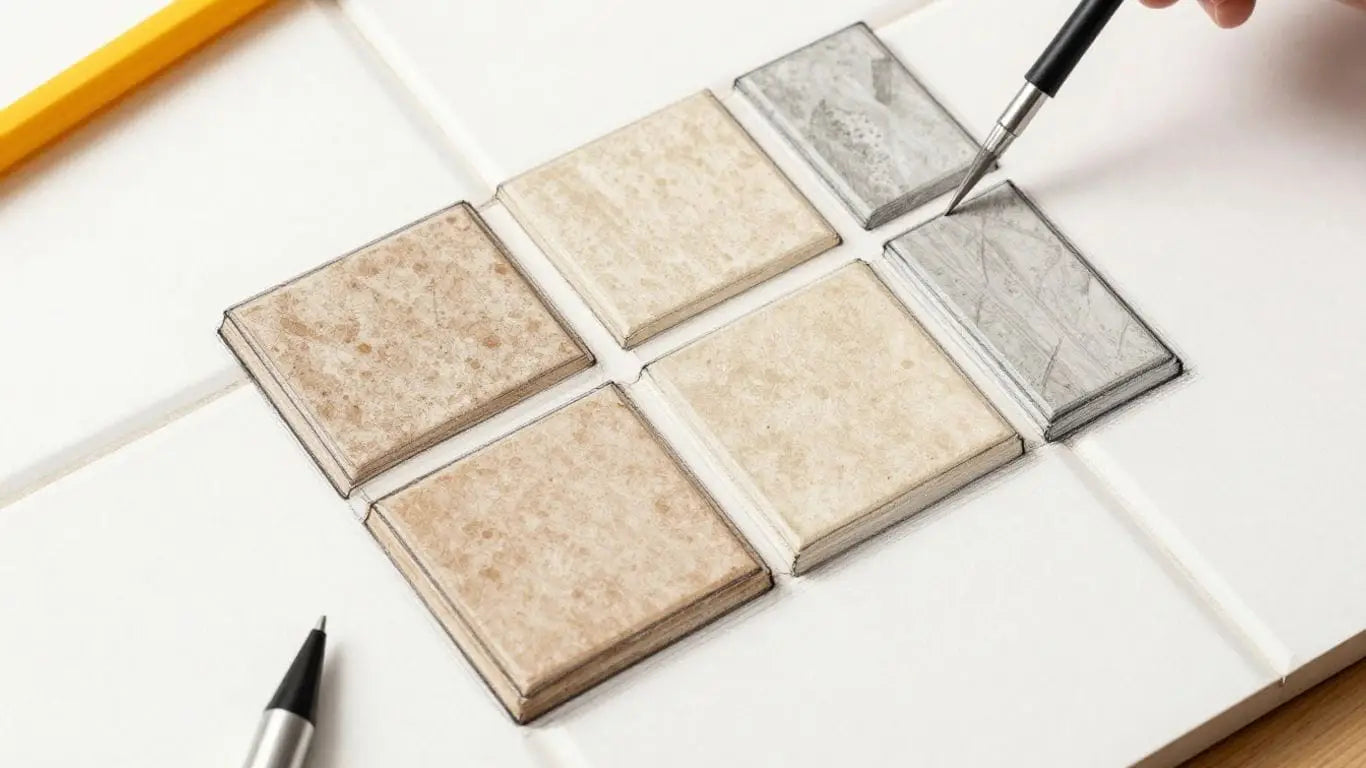
Assessing Grout Adhesion to Backsplash Tiles
Proper grout adhesion is the bedrock of a lasting backsplash. When grout bonds well with your tiles, it creates a unified, strong surface that resists loosening and cracking. Think of it as the glue holding your beautiful tile work together. Poor adhesion, however, can lead to tiles shifting or even falling off over time, especially in high-use areas like kitchen backsplashes. We meticulously test our grout formulations to ensure they form a tenacious bond with a wide range of tile materials, from sleek porcelain to natural stone like marble and travertine. A strong bond means a more durable and beautiful backsplash for years to come.
Monitoring Grout for Signs of Wear and Tear
Your backsplash is constantly working, protecting your walls from splashes, grease, and moisture. Over time, even the best grout can show signs of this daily battle. We advise regular visual inspections. Look for any signs of crumbling, cracking, or discoloration. These are early indicators that your grout might need attention, perhaps a deep clean or a fresh coat of sealant. Catching these issues early can prevent more significant problems down the line. For instance, a small crack can allow moisture to seep behind the tiles, leading to bigger issues.
Testing Grout for Water Absorption
Water is the enemy of many building materials, and grout is no exception. Highly porous grout can absorb liquids, leading to staining, mold growth, and eventual deterioration. This is especially critical for kitchen and bathroom backsplashes. We focus on grout types that offer low water absorption. For example, epoxy grouts are virtually waterproof, making them an excellent choice for areas prone to moisture. Cementitious grouts, while common, benefit greatly from proper sealing to minimize water intake. We can guide you to the best options, whether you're looking to buy marble tiles online in the USA or any other material.
Evaluating Grout's Resistance to Cleaning Chemicals
Backsplashes, particularly in kitchens, often face harsh cleaning agents. From degreasers to all-purpose cleaners, the chemicals used can break down certain grout types over time, leading to discoloration or a chalky texture. Our grout selections are tested for their resilience against common household cleaners. We recommend specific cleaning routines and products tailored to your grout type to maintain its integrity and appearance. For example, using acidic cleaners on unsealed cementitious grout can cause damage, whereas epoxy grout stands up much better to a wider range of chemicals.
Long-Term Durability Assessment of Backsplash Grout
When you invest in a backsplash, you expect it to last. Grout performance is a key factor in that longevity. We evaluate grout based on its ability to withstand daily wear, temperature fluctuations, and environmental factors without degrading. This means choosing materials that resist chipping, cracking, and fading. For a kitchen backsplash using, say, subway tiles, you want grout that won't stain easily from cooking splatters. For a bathroom, resistance to soap scum and humidity is paramount. Our goal is to provide grout solutions that offer superior long-term performance, ensuring your backsplash remains beautiful and functional for decades.
How Grout Affects the Structural Integrity of the Backsplash
It might seem like just a filler, but grout plays a vital role in the overall structural integrity of your backsplash. It fills the gaps between tiles, distributing stress evenly and preventing individual tiles from shifting. A well-chosen and properly installed grout acts as a flexible yet strong binder. If the grout fails, the entire tile assembly can become compromised. This is particularly true for mosaic backsplashes or those with intricate patterns where the grout lines are more numerous. Choosing the right grout is not just about looks; it's about building a solid, lasting installation.
Customer Reviews and Feedback on Grout Performance
Real-world performance is the ultimate test. We value the feedback from countless projects and customers who have used our grout recommendations. Hearing about how our grout has held up in busy kitchens, steamy bathrooms, and high-traffic areas provides invaluable insight. For instance, many customers rave about the stain resistance of our epoxy grout options in their kitchens, while others appreciate the ease of maintenance of sealed cementitious grout in their bathrooms. This collective experience helps us refine our recommendations and ensure you get the best possible performance for your specific needs. We often see positive feedback for grout used with marble tiles purchased from Surfaces Galore, highlighting its compatibility and lasting appeal.
The relationship between tile and grout on backsplashes
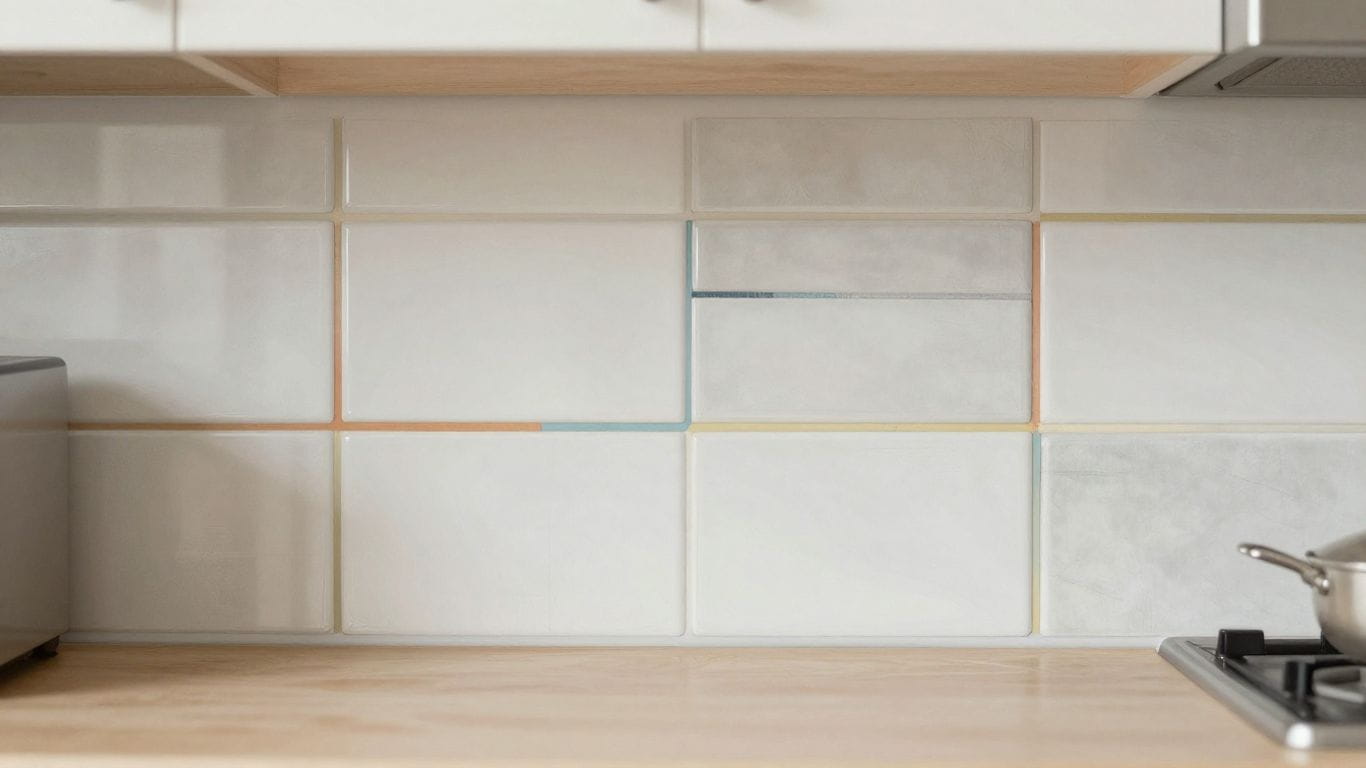
Think of your backsplash tiles and grout as a dynamic duo. They work together, and getting the balance right is key to a stunning finish. It's not just about picking pretty tiles; the grout plays a massive role in the overall look and feel. Let's break down how these two elements interact.
How tile spacing impacts grout needs
Ever notice how some tiles have super thin lines between them, while others have wider gaps? That spacing is called the grout joint. The size of these joints directly affects how much grout you'll need and what type is best. Smaller joints, like those you'd find with precisely cut subway tiles, often call for unsanded grout. This type is finer and won't crumble in tight spaces. For tiles with more natural variation or a deliberately rustic look, like some tumbled travertine, wider joints are common. These usually require sanded grout, which has sand mixed in for added strength and to prevent shrinkage in larger gaps. Getting this right means your grout lines will be consistent and your backsplash will look professionally done.
The effect of tile thickness on grout application
Tile thickness can be a bit of a curveball, especially when you're mixing different types or using natural stones. If your tiles aren't all the same thickness, you might end up with uneven grout lines or even areas where the grout doesn't quite fill the joint properly. This is where a good installer or careful planning comes in. For instance, when working with natural stones like marble or travertine, slight variations in thickness are normal. You need to account for this during installation to avoid issues later on. Proper substrate preparation is non-negotiable for a lasting installation.
Grout considerations for beveled edge tiles
Beveled edge tiles, like many classic subway tiles, have a sloped edge that creates a visual frame around each tile. This design feature can affect how grout is applied and how it looks. The bevel means the grout line isn't just a flat surface; it has depth. When grouting, you need to make sure the grout fills the joint completely, reaching the bottom of the bevel. If not, you might see shadows or unfinished areas. For these types of tiles, using a grout float at the right angle is important to push the grout into all the nooks and crannies. A well-grouted beveled tile backsplash really pops, highlighting the tile's shape.
Matching grout to the natural variations in stone tiles
Natural stones like marble and travertine are famous for their unique veining and color variations. Think of the beautiful patterns in Bardiglio Imperiale Marble or the earthy tones of Scabos Travertine. Choosing the right grout color can either complement these natural features or clash with them. A grout that's too dark might overpower delicate veining, while a grout that's too light could get lost. Often, a grout color that's a shade lighter or darker than the dominant stone color works best. It defines the stone's natural beauty without competing with it. For example, a light gray grout can beautifully frame the intricate patterns in many marble tiles, creating a sophisticated look.
How grout can highlight or minimize tile imperfections
Sometimes, tiles aren't perfectly uniform. Natural stones, especially, can have slight chips, pits, or color inconsistencies. Grout can be a fantastic tool to either draw attention to these unique characteristics or to blend them in. A contrasting grout color will naturally highlight the shape and edges of each tile, making any minor imperfections more noticeable. On the other hand, a grout color that closely matches the tile can create a more unified, less busy appearance, effectively minimizing the visual impact of small flaws. It's all about the desired effect.
The synergy between tile material and grout choice
It's more than just looks; the materials themselves matter. For porous stones like travertine, the grout choice is critical for performance. You want a grout that bonds well and resists staining. Epoxy grout, for instance, is incredibly durable and non-porous, making it a great, albeit more expensive, option for high-traffic areas or kitchens where grease splatters are common. For less porous materials like porcelain or ceramic, you have more flexibility. However, even with these, considering the tile's finish is important. A glossy tile might show grout haze more easily, so a careful cleanup is a must.
Creating visual harmony between tile and grout
Ultimately, the goal is a cohesive look. Whether you're going for a dramatic contrast with dark grout on white marble or a subtle, blended effect with matching tones, the interplay between tile and grout is what brings your backsplash design to life. It’s about creating a visual flow that feels intentional and pleasing to the eye. Don't underestimate the power of this partnership – it's what transforms a wall into a statement piece.
Case Study: The Kitchen Backsplash Transformation
A homeowner in Chicago wanted to update their kitchen backsplash. They chose a beautiful tumbled travertine tile for its rustic charm. Initially, they considered a dark grout to make the tiles stand out. However, after consulting with a designer, they opted for a light beige grout that closely matched the travertine's natural color. The result was a warm, inviting, and cohesive look that made the kitchen feel larger and more open. The grout subtly defined the tiles without being overwhelming, allowing the natural beauty of the travertine to shine. This choice highlighted the texture of the tumbled finish and created a soft, elegant backdrop for their cooking space.
Grout for specific kitchen backsplash applications
Choosing Grout for Cooking Area Backsplashes
Your kitchen backsplash is more than just a pretty face; it's a hardworking surface. Especially behind the stove, it faces grease, steam, and food splatters daily. The right grout here is key to both looks and longevity. For areas with heavy cooking, you'll want a grout that’s tough and easy to clean. Epoxy grout is a fantastic option because it's non-porous and highly resistant to stains and chemicals. This means spills wipe right off, keeping your backsplash looking fresh. If you're leaning towards a more traditional cementitious grout, make sure it's a high-performance, stain-resistant formula, and definitely plan on sealing it well. Think about the color too – darker grouts can hide grease splatters better between cleanings, giving you a little breathing room. When you're ready to buy marble tiles online USA, consider how the grout will hold up in this high-activity zone.
Grout Considerations for Backsplashes Near Sinks
Water is the main concern around kitchen sinks. Constant splashing means your grout needs to be ready for moisture. A well-sealed cementitious grout can work, but for ultimate protection, epoxy grout is again a top contender. Its waterproof nature prevents water from seeping into the grout lines, which can lead to mold or mildew over time. If you choose a porous tile like natural stone, proper sealing of both the tile and the grout is non-negotiable. This is where a good quality sealer makes all the difference in preventing water damage and staining. Remember, a little extra effort in grout selection and sealing here saves a lot of headaches later.
Selecting Grout for High-Moisture Kitchen Environments
Beyond the sink and stove, some kitchens just have a generally humid atmosphere. This is especially true if you have an open-plan living space or if your kitchen ventilation isn't top-notch. In these environments, grout that resists moisture and inhibits mold and mildew growth is paramount. Look for grouts specifically formulated for high-moisture areas. Many modern cementitious grouts now include additives that boost their performance against water and mildew. For the most demanding situations, epoxy grout remains the gold standard. Professionals often select epoxy grout for wall applications because of its superior performance in challenging conditions [8647].
Grout That Resists Grease and Food Splatters
Let's be honest, kitchens get messy. Grease, sauces, and all sorts of food can end up on your backsplash. The best grout for this is one that doesn't absorb these substances. Epoxy grout is the clear winner here due to its non-porous surface. It creates a barrier that prevents stains from setting in. For cementitious grouts, choosing a stain-resistant formula and sealing it regularly is your best defense. Consider a denser grout mix if you're using a cement-based product; it can offer better resistance. Some advanced cementitious grouts are designed to be highly resistant to common kitchen stains.
The Best Grout for a Marble Kitchen Backsplash
Marble backsplashes are stunning, adding a touch of luxury to any kitchen. However, marble is a porous stone and can be susceptible to staining and etching. When choosing grout for marble, you want something that complements its elegance without compromising its integrity. Unsanded grout is often recommended for marble, especially with narrow grout joints, as it's less likely to scratch the delicate surface of the stone. If you opt for a cementitious grout, ensure it's a high-quality, stain-resistant type and that you seal both the marble and the grout thoroughly. For a truly worry-free experience, especially in a busy kitchen, epoxy grout is an excellent choice as it provides superior stain and moisture resistance, protecting your beautiful marble investment. You can find beautiful marble tiles to complement your chosen grout at Surfaces Galore.
Grout Options for a Travertine Kitchen Backsplash
Travertine offers a warm, earthy appeal that's perfect for many kitchen styles. Like marble, travertine is porous and requires careful grout selection. For a more rustic look, you might leave the natural pits in the travertine unfilled, which will require a grout that can handle these textures. A sanded grout is often suitable for wider joints common with some travertine installations. However, the key is always sealing. A good quality penetrating sealer applied to both the travertine and the grout will protect against stains and moisture. If you're looking for a durable and low-maintenance option that still looks fantastic, consider a high-performance cementitious grout or epoxy grout. Mixed travertine tiles, like those combining ivory, noce, and yellow, can create a vibrant backsplash that pairs well with a neutral grout to let the stone shine.
Enhancing the Functionality of Your Kitchen Backsplash with Grout
Ultimately, the right grout choice for your kitchen backsplash is about balancing aesthetics with performance. Don't let a beautiful tile choice be undermined by a grout that can't keep up with the demands of a kitchen. Consider the specific challenges of your kitchen – cooking intensity, proximity to water, and ventilation. For areas prone to grease and moisture, prioritize stain and water resistance. Epoxy grout offers the highest level of protection, while high-performance, sealed cementitious grouts are also viable options. Choosing the right grout ensures your kitchen backsplash remains beautiful and functional for years to come.
Case Study: The Busy Family Kitchen
A family in California was renovating their kitchen and chose a stunning Carrara marble subway tile for their backsplash. They were concerned about staining from cooking and splatters around the sink. Initially, they considered a standard unsanded grout but worried about its long-term durability in a high-traffic kitchen. After consulting with a tile professional, they opted for a high-performance, stain-resistant epoxy grout in a light gray color. This choice not only provided excellent protection against grease and water but also offered a subtle contrast that highlighted the marble's veining. The result was a beautiful, easy-to-clean backsplash that has held up exceptionally well to daily use.
Case Study: The Modern Farmhouse
For a modern farmhouse kitchen, the homeowners selected a classic travertine tile for their backsplash. They wanted a look that was both rustic and easy to maintain. They chose a sanded grout in a warm beige tone that complemented the natural variations in the travertine. Crucially, they invested in a high-quality penetrating sealer and applied it to both the tiles and the grout immediately after installation and again after six months. This proactive approach has kept the travertine looking its best, resisting common kitchen stains and moisture without issue.
Grout for specific bathroom backsplash applications
Your bathroom backsplash is more than just a decorative element; it's a functional shield against moisture and splashes. Choosing the right grout is key to its performance and longevity, especially in a wet environment. Let's explore how to pick the perfect grout to keep your bathroom looking pristine.
Grout Selection for Shower Backsplashes
Showers are the wettest areas in your bathroom, making grout selection critical. You need a grout that can stand up to constant moisture, soap scum, and potential mildew. For shower backsplashes, consider epoxy grout or a high-performance cementitious grout with added polymers. These options offer superior water resistance and are less prone to staining and cracking compared to standard grouts. Epoxy grout is often the top choice for shower areas due to its non-porous nature.
Choosing Grout for Vanities and Sink Areas
Vanity and sink backsplashes face daily splashes from water, toothpaste, and soap. While not as constantly wet as a shower, they still require a durable and easy-to-clean grout. Cementitious grouts with added latex or polymer modifiers work well here, offering good stain resistance and flexibility. For a more premium option, consider single-component grouts, which are known for their ease of use and excellent performance in these high-use areas. Professionals often select these types of grouts for wall applications like showers and backsplashes [f4e7].
Grout That Resists Soap Scum and Mildew
Nobody wants to scrub away at stubborn soap scum or deal with unsightly mildew. The right grout can make all the difference. Look for grouts specifically formulated for stain and mildew resistance. Non-porous options like epoxy grout are naturally resistant to these issues. For cementitious grouts, ensure they are properly sealed after installation and consider those with built-in antimicrobial properties. Regular cleaning and sealing are your best defense against these common bathroom grout problems.
The Best Grout for a Marble Bathroom Backsplash
Marble backsplashes add a touch of luxury to any bathroom. When choosing grout for marble, it's important to consider the stone's natural beauty and porosity. For a seamless look, a color-matched grout can make the marble appear as one continuous surface. Alternatively, a contrasting grout color can highlight the intricate veining of marble tiles, creating a striking visual effect. For marble, it's best to use a neutral-cure silicone sealant or a high-quality, stain-resistant grout that won't etch or discolor the stone. If you're looking to buy marble tiles online in the USA, ensure you also select a compatible grout.
Case Study: The Spa-Like Marble Vanity
A homeowner wanted to create a luxurious spa-like feel in their master bathroom. They chose a stunning Carrara marble mosaic backsplash for their vanity. To complement the marble's subtle veining, they opted for a light gray, high-performance cementitious grout. This choice provided excellent stain resistance against daily splashes and toothpaste, while the subtle color contrast allowed the marble's natural beauty to shine. The grout was sealed post-installation, making cleaning a breeze and preventing mildew in the humid environment.
Grout Options for a Travertine Bathroom Backsplash
Travertine offers a warm, earthy aesthetic that can bring a natural elegance to your bathroom. Its natural pits and variations require careful grout selection. For a rustic look, a sanded grout can fill the larger pores effectively. If you prefer a smoother finish, a honed and filled travertine paired with an unsanded grout can achieve a more contemporary feel. Consider grout colors that complement the warm tones of travertine, such as beige, cream, or even a soft taupe. For example, Scabos Travertine backsplashes offer a vibrant aesthetic perfect for bathrooms.
Ensuring Grout is Safe for Wet Bathroom Environments
Safety and performance go hand-in-hand in wet bathroom areas. The grout must be able to withstand constant moisture without degrading. Look for grouts that are specifically rated for wet areas or showers. Epoxy grouts are a fantastic choice due to their impermeability. If using cementitious grout, ensure it's a high-quality, polymer-modified version and that it's properly sealed. This prevents water from seeping into the substrate, which can lead to mold, mildew, and structural damage.
Creating a Spa-Like Feel with Bathroom Backsplash Grout
Your grout color can significantly impact the overall mood of your bathroom. For a serene, spa-like atmosphere, opt for soft, neutral grout colors like light gray, beige, or off-white. These colors create a calming backdrop that allows your tile choice to take center stage. Contrasting grout colors can add a modern edge, while matching grout colors create a more cohesive and minimalist look. Consider how the grout color will interact with your tile's finish and the overall color scheme of your bathroom to achieve your desired aesthetic.
Case Study: The Modern Travertine Shower
A client wanted to update their guest bathroom with a modern yet warm feel. They selected a honed and filled Ivory Travertine tile for the shower backsplash. To achieve a clean, contemporary look, they chose a matching ivory-colored unsanded grout. This created a seamless appearance, making the shower feel larger and more open. The grout's non-porous nature, combined with regular sealing, ensured it remained resistant to soap scum and easy to clean, contributing to the overall spa-like ambiance.
Understanding grout additives and enhancers
The Purpose of Latex Additives in Grout
Latex additives are like a secret weapon for your grout. They're mixed in with cementitious grout to give it a serious upgrade. Think of it as giving your grout a super boost. This makes the grout more flexible, which is a big deal for backsplashes that might experience some movement or temperature changes. It also helps it stick better to your tiles, reducing the chance of cracking down the road. If you're looking for a more robust grout that can handle a bit more stress, a latex additive is definitely worth considering. It's a simple step that makes a noticeable difference in the longevity and performance of your grout.
Using Polymers to Improve Grout Strength
Polymers are another fantastic way to make your grout tougher. When added to grout, they create a denser, stronger bond. This means your grout will be more resistant to wear and tear, which is super important for a high-traffic area like a kitchen backsplash. Imagine less chipping and cracking, even with daily use. Polymers also help improve the grout's resistance to moisture and stains, keeping your backsplash looking cleaner for longer. It’s a smart move for any project where durability is key.
Color Enhancers for Grout on Backsplashes
Want your grout color to really pop? Color enhancers are your go-to. These additives are designed to intensify the pigment in your grout, making those bold colors bolder and subtle shades richer. If you're aiming for a specific look, like a dramatic contrast with dark grout on white subway tile backsplashes, or a perfectly matched tone, color enhancers help you achieve that precise shade. They ensure the color you see in the bag is the color you get on your wall, providing a more vibrant and consistent finish.
Waterproofing Additives for Grout
For areas prone to moisture, like behind your kitchen sink or in a bathroom shower, waterproofing additives are a must. These special ingredients create a barrier within the grout, significantly reducing water absorption. This is crucial for preventing water damage, mold, and mildew growth. A well-waterproofed grout line means a healthier, more durable backsplash that stands up better to splashes and humidity. It’s a simple addition that offers significant peace of mind, especially in wet environments.
Antimicrobial Additives for Grout Protection
Nobody wants mold or mildew on their backsplash. That's where antimicrobial additives come in. These are mixed into the grout to actively inhibit the growth of bacteria, mold, and mildew. This is especially beneficial for bathrooms and kitchens where moisture and food particles can create a breeding ground for unwanted organisms. By adding these protective agents, you're not just improving the look of your backsplash; you're also promoting a more hygienic environment. It’s a proactive step towards a cleaner, healthier home.
How Additives Affect Grout Workability
While additives are great for performance, it's good to know how they might change how you work with the grout. Some additives, like latex, can make the grout a bit stickier and easier to spread, especially for DIYers. Others might slightly alter the setting time. It’s always a good idea to do a small test batch first to get a feel for the consistency and workability. Understanding these changes helps you adjust your technique for a smoother grouting experience. For instance, when installing marble tiles, ensuring proper grout adhesion is key, and additives can help with that.
Choosing the Right Additives for Your Backsplash Project
Selecting the right additives depends entirely on your project's needs. Are you focused on durability? Look for polymers. Is moisture a concern? Waterproofing additives are your friend. Want vibrant color? Color enhancers are the way to go. For most residential backsplashes, a good quality grout with built-in latex or a separate latex additive is often sufficient. Always read the product descriptions and manufacturer recommendations to pick the best combination for your specific tile and location. If you're unsure, consulting with a tile professional or checking resources like Surfaces Galore can provide tailored advice for your unique backsplash material, whether it's elegant marble or rustic travertine.
Case Study: The Kitchen Splashback Upgrade
A homeowner in Chicago was experiencing persistent staining and mildew issues on their kitchen backsplash, despite regular cleaning. The existing grout was a standard cementitious type. After consulting with a tile specialist, they decided to re-grout the backsplash using a high-quality epoxy grout fortified with antimicrobial and waterproofing additives. The result was a dramatically improved backsplash that was not only easier to clean but also resistant to stains and mildew, significantly enhancing the kitchen's overall appearance and hygiene.
Additives are not just for professionals; they are accessible tools that can significantly improve the outcome of your DIY backsplash project, offering enhanced durability, protection, and aesthetic appeal.
The aesthetic impact of grout on backsplash design
How Grout Defines the Tile Pattern
Think of grout as the silent partner in your backsplash design. It's not just there to fill gaps; it actively shapes how your tiles are perceived. When you choose a grout color that contrasts sharply with your tiles, like a dark grout against white subway tiles, you're essentially drawing attention to each individual tile. This creates a bold, graphic look that emphasizes the pattern and layout. On the other hand, selecting a grout color that closely matches your tiles can make the pattern appear more fluid and unified. This approach is fantastic for creating a seamless, expansive feel, especially with intricate mosaic tiles or when you want the tile itself to be the star. For example, a checkerboard marble backsplash can look incredibly striking with a contrasting grout, highlighting the classic pattern. Or, if you're aiming for a more subtle effect, matching grout will let the natural beauty of the marble shine through.
Using Grout to Create Visual Texture
Grout isn't just about color; its application and finish can also add a tactile dimension to your backsplash. A slightly recessed grout line, common with cementitious grouts, can create subtle shadows that give the tile surface a bit more depth and visual texture. This is particularly noticeable with tiles that have a natural variation in their surface, like many travertine backsplash installations. The grout lines become subtle channels that catch the light, adding a layer of interest. Conversely, a very smooth, almost flush grout application can contribute to a sleeker, more modern appearance. The choice here depends on the overall style you're going for – do you want a rustic, dimensional feel, or a clean, contemporary finish?
The Role of Grout in Framing the Backsplash Area
Just like a picture frame defines a piece of art, grout can frame your backsplash, setting it apart from the surrounding wall. A well-chosen grout color and application can make your backsplash pop, drawing the eye and making it a focal point in the room. Consider how a bold grout color can act as an accent, much like a decorative border or listello. For instance, using a dark grout with a light-colored mosaic tile can really make the individual pieces stand out, creating a dynamic visual effect. This framing capability is especially important in open-plan kitchens where the backsplash is a significant design element.
Grout as a Design Element, Not Just Filler
It's time to shift the perception of grout from a mere necessity to a deliberate design choice. The grout you select has a profound impact on the final look of your backsplash. Think about the difference between a classic white subway tile backsplash with white grout versus the same tile with a charcoal grout. The latter creates a completely different vibe – more modern, more graphic. This is where you can really play with aesthetics. For example, using Spanish Mix Marble Mosaic tiles can be further enhanced by a grout color that complements their blend of earthy tones, making the entire backsplash a cohesive work of art.
Achieving a Minimalist Look with Grout
For those who prefer a clean, uncluttered aesthetic, grout plays a key role in achieving a minimalist look. The most effective way to do this is by using a grout color that is as close as possible to the color of your tiles. This creates a unified surface where the grout lines virtually disappear, allowing the tile material and pattern to take center stage without interruption. This technique is particularly effective with materials like Atlantic Gray Marble, where the subtle veining is the main attraction. A matching grout will ensure that the marble's natural beauty is the sole focus, contributing to a serene and sophisticated atmosphere.
Creating a Bold Statement with Grout Color
Don't shy away from using grout color to make a statement! Bold grout colors can transform a simple tile into something extraordinary. Imagine a kitchen backsplash with simple, affordable ceramic tiles; a vibrant, unexpected grout color can elevate it to a designer look. For instance, a bright teal grout with white tiles can add a playful pop of color, while a deep navy can lend a sophisticated, moody feel. This is a cost-effective way to inject personality into your space. Consider how a Scabos Travertine backsplash could be given a more contemporary edge with a darker, contrasting grout, or how a classic look could be amplified with a grout that picks up on one of the warmer tones in the stone.
How Grout Contributes to the Overall Backsplash Style
Ultimately, the grout is an integral part of the overall backsplash style. It's not an afterthought. The color, texture, and width of your grout lines all contribute to the final aesthetic. A wide, dark grout line on a mosaic tile can make it look busy, while a thin, matching grout line can make it appear elegant and refined. When selecting tiles, always consider the grout that will accompany them. For example, if you're looking at marble mosaic tiles, think about whether you want the grout to blend in or stand out. This decision will significantly influence the final style of your backsplash, whether it leans towards modern, traditional, rustic, or minimalist.
Troubleshooting common grout issues on backsplashes
Even with the best intentions and careful planning, sometimes grout doesn't behave as expected. Don't let a few common problems derail your beautiful backsplash project. Understanding these issues and their solutions can save you time, money, and a lot of frustration. Let's tackle them head-on!
Addressing Grout Cracking on Backsplashes
Cracked grout is a common headache. It can happen for several reasons, from improper mixing to movement in the substrate. The key is to identify the cause before you repair it.
- Movement: If your tiles are shifting, the grout will crack. This often points to an issue with the adhesive or substrate preparation. For a solid foundation, always ensure your surfaces are properly prepped. If you're working with natural stone like marble or travertine, a stiff substrate is vital to prevent cracking.
- Improper Mixing: Grout that's too dry or too wet can lead to shrinkage and cracking as it cures. Always follow the manufacturer's mixing ratios precisely. For example, when working with materials that require specific thin-set mortars, like those for marble tiles, using the wrong mix can cause problems down the line.
- Joint Width: Using sanded grout in very narrow joints can also cause issues. Sanded grout is best for joints 1/8-inch or wider, while unsanded is for narrower gaps.
Case Study: Sarah installed a beautiful mosaic tile backsplash in her kitchen. A few weeks later, she noticed hairline cracks appearing in the grout lines. Upon inspection, it was discovered that the grout was mixed too dry. She carefully removed the cracked grout, re-mixed a new batch to the correct consistency, and reapplied it, ensuring the joints were fully packed. The repair was successful, and the backsplash looked as good as new.
Dealing with Grout Discoloration
Discoloration can turn a stunning backsplash into a visual disappointment. It can range from patchy spots to a general dulling of the color.
- Uneven Mixing: If the grout wasn't mixed thoroughly, you might see darker or lighter patches where pigment wasn't evenly distributed. This is why consistent mixing is so important.
- Contamination: Dirt, grease, or even cleaning products can stain grout. For kitchens, especially near cooking areas, grease splatters are a common culprit. Using a good quality grout sealer can help prevent this.
- Water Issues: In bathrooms, especially around sinks or shower areas, mineral deposits from hard water can cause discoloration. Efflorescence, a white powdery residue, can also appear, particularly on cementitious grouts.
Tip: For stubborn stains on porous materials like travertine, consider a specialized stone cleaner. Always test any cleaning product in an inconspicuous area first.
Fixing Uneven Grout Lines on Backsplashes
Uneven grout lines can make even the most exquisite tiles look amateurish. This is often an aesthetic issue that can be corrected.
- Inconsistent Spacing: Not using tile spacers during installation is a primary cause of uneven lines. Spacers are your best friend for achieving uniformity, especially with intricate patterns like herringbone or checkerboard layouts.
- Poor Application: If the grout wasn't applied evenly or if excess was left on the tile surface and not cleaned properly, it can create a lumpy or uneven appearance.
Solution: For minor imperfections, you might be able to carefully scrape away excess grout with a utility knife or grout saw. For more significant issues, re-grouting might be necessary. If you're unsure about the process, consider hiring a professional for backsplash installation.
Resolving Grout Shrinkage Issues
Grout shrinkage occurs when the grout dries and pulls away from the edges of the tile, creating small gaps. This is often linked to improper mixing or using too much water.
- Over-watering: Adding too much water to cementitious grout mixes can cause excessive shrinkage as the excess water evaporates.
- Deep Joints: In very deep grout joints, shrinkage can be more pronounced.
Fix: Small shrinkage gaps can sometimes be filled with a grout repair caulk that matches your grout color. For larger issues, you may need to remove the affected grout and reapply a properly mixed batch.
How to Fix Hollow Spots Under Backsplash Tiles
Hollow spots indicate a lack of adhesion between the tile and the substrate. This is a serious issue that can lead to loose tiles.
- Insufficient Adhesive: Not applying enough thin-set mortar or not spreading it evenly with a notched trowel can leave voids.
- Uneven Substrate: Installing tiles on an uneven surface means some areas will have better contact than others.
Repair: For minor hollow spots, sometimes injecting a thin-set epoxy can help. However, if multiple tiles are affected or the hollow spots are large, it's often best to remove the affected tiles, clean the substrate, and re-install them with proper adhesive coverage. This is especially important when installing delicate materials like marble tiles which require full support.
Managing Efflorescence on Grout
Efflorescence is that white, powdery residue that sometimes appears on grout lines. It's caused by salts and minerals in the grout or substrate migrating to the surface as moisture evaporates.
- Moisture: The presence of moisture is key. This can come from the substrate, the grout itself, or external sources.
- Cementitious Grout: This type of grout is more prone to efflorescence.
Solution: Efflorescence can usually be cleaned off with a stiff brush and water. If it persists, a diluted vinegar solution or a specialized efflorescence cleaner can be used. The most effective long-term solution is to address the source of the moisture. Ensuring proper sealing of your grout and tiles is also a preventative measure.
Preventing and Correcting Grout Dusting
Grout dusting occurs when the surface of the grout crumbles or powders away. This is usually a sign of a weak or improperly cured grout.
- Improper Curing: Not allowing the grout to cure for the recommended time can leave it weak and prone to dusting.
- Poor Mix: A grout mix that is too dry or has too much additive can also lead to dusting.
Prevention: Always follow the manufacturer's instructions for mixing and curing times. Using a high-quality grout and proper installation techniques are key. If dusting is minor, a grout sealer can sometimes help bind the surface. For severe dusting, re-grouting may be necessary.
Future trends in backsplash grout
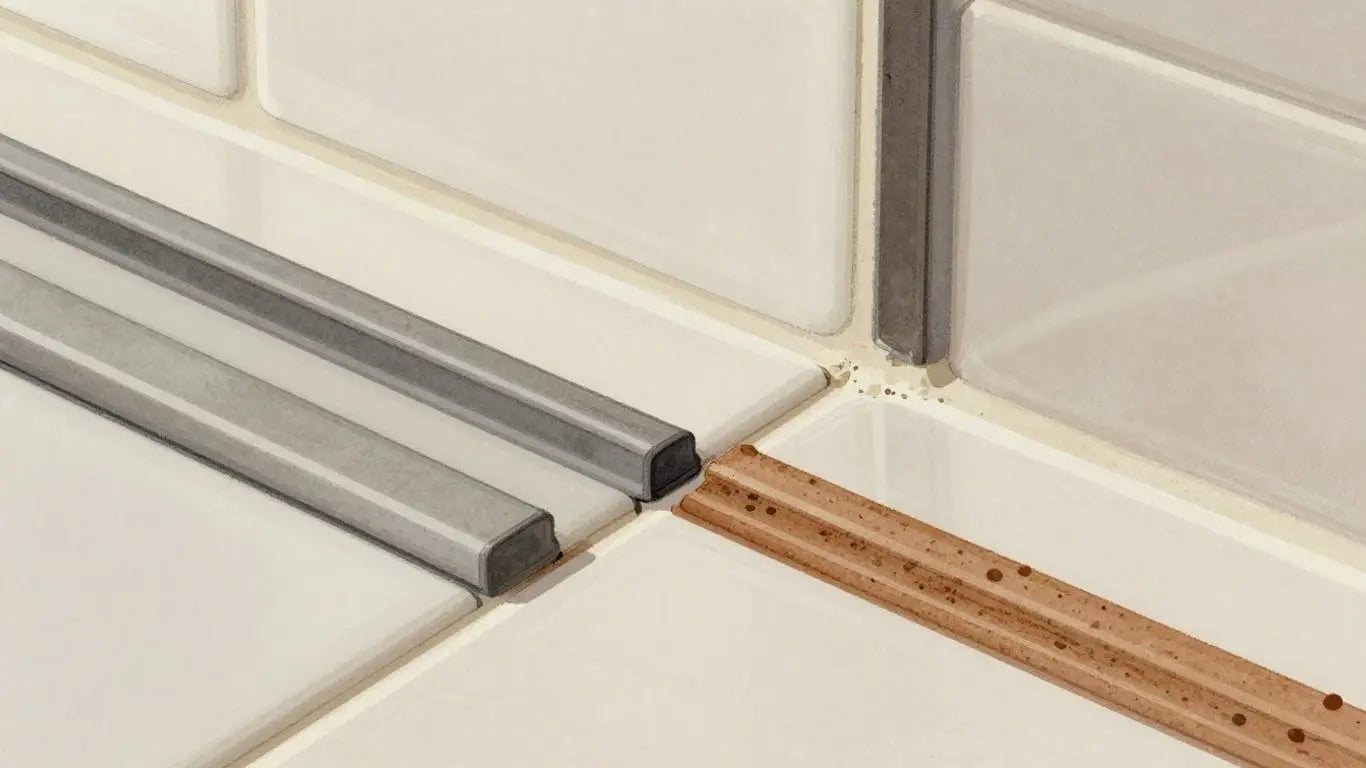
Sustainable and Eco-Friendly Grout Options
The future of backsplash design is green. Expect to see more grout options made from recycled materials or with lower environmental impact. These sustainable choices don't compromise on performance, offering durability and style while aligning with eco-conscious values. Look for formulations that minimize volatile organic compounds (VOCs) for healthier indoor air quality. This is a smart move for both your home and the planet.
Smart Grout Technologies for Backsplashes
Imagine grout that can do more than just fill gaps. Future grout technologies might include antimicrobial properties built right in, making cleaning easier and preventing mold and mildew in kitchens and bathrooms. Some innovations could even involve self-healing capabilities to fix minor cracks automatically. This means less maintenance and a longer-lasting, pristine look for your backsplash. It’s about making your backsplash work smarter, not harder.
The Rise of Custom-Colored Grouts
Personalization is key. Custom-colored grouts are becoming more accessible, allowing you to perfectly match your grout to your tile or create a bold statement. Forget the standard gray or white; think vibrant blues, deep greens, or even metallic finishes. This trend lets you truly make your backsplash unique. For example, imagine a custom-mixed grout that precisely matches the subtle tones in your marble tiles – a look you simply can't achieve with off-the-shelf options. If you're looking to buy marble tiles online in the USA, pairing them with a custom grout can transform a beautiful material into a personalized masterpiece.
Grout with Enhanced Performance Characteristics
Beyond aesthetics, performance is a major focus. Future grouts will likely offer superior stain resistance, making them ideal for busy kitchens where grease and food splatters are common. Expect enhanced flexibility to accommodate building movement and reduced cracking. Some advanced formulations might even offer improved UV resistance for backsplashes exposed to direct sunlight, preventing color fading over time. This means your backsplash will look great for longer, with less worry about wear and tear.
Minimalist Grout Lines in Modern Backsplash Design
Clean lines and a seamless look are highly sought after. The trend towards minimalist grout lines is growing, with narrower joints and grout colors that closely match the tile. This approach creates a more unified and sophisticated appearance, making the tile itself the star. It’s particularly effective with large format tiles or intricate mosaic patterns, where a less obtrusive grout allows the design to shine through. Think of a sleek subway tile backsplash where the grout almost disappears, creating a smooth, continuous surface.
The Influence of Interior Design Trends on Grout Choice
Grout is no longer an afterthought; it's a design element. As interior design trends evolve, so will grout choices. We're seeing a move towards bolder grout colors to create contrast, as well as sophisticated neutral tones for a more understated look. The texture and finish of the grout itself are also becoming more important, adding another layer of design possibility. Whether you're aiming for a modern, minimalist aesthetic or a more traditional, textured feel, the right grout plays a significant role.
Innovative Textures and Finishes in Grout
Get ready for grouts that offer more than just color. Innovative textures and finishes are emerging, adding a tactile dimension to backsplashes. This could include metallic flecks for a touch of glamour, subtle pearlescent finishes, or even matte textures that complement specific tile types. These unique finishes can dramatically alter the overall look and feel of your backsplash, turning a functional surface into a work of art. For instance, a metallic grout could beautifully complement a glass mosaic backsplash, adding depth and sparkle.
Thinking about what's next for your kitchen or bathroom walls? The world of grout is changing! Forget boring old lines; new trends are making grout a stylish statement. From bold colors that pop to sleek, almost invisible finishes, there's a whole new way to make your tiles shine. Want to see the latest looks that will make your backsplash the talk of the town? Visit our website to explore the coolest grout options available right now!
Wrapping Up Your Grout Decision
So, picking the right grout for your backsplash might seem like a small detail, but honestly, it makes a big difference in how the whole thing looks. Whether you're going for a clean, modern vibe or something a bit more classic, the grout color and type really tie it all together. Think about the look you want, how much cleaning you're up for, and what works best with your marble or travertine tiles. Getting this right means your backsplash will look great for years to come. If you're still unsure, checking out options from places like Surfaces Galore can give you a good idea of what's out there and help you make that final choice. Happy tiling!
Frequently Asked Questions
What is the main purpose of grout in a backsplash?
Grout fills the small gaps between your backsplash tiles. It helps hold the tiles together, prevents dirt and moisture from getting behind them, and also adds to the overall look of your backsplash.
What are the most common types of grout for backsplashes?
The most common types are cement-based grout, which is affordable and easy to use, and epoxy grout, which is very strong and resistant to stains and water. There are also pre-mixed grouts that offer convenience.
Does the color of the grout really matter for a backsplash?
Yes, grout color can significantly change how your backsplash looks. A dark grout can make light tiles pop and create a bold design, while a grout that matches your tile color can create a seamless, blended look.
Is epoxy grout better than cement grout for a kitchen backsplash?
Epoxy grout is generally more durable and stain-resistant, making it a great choice for kitchens where grease and food splatters are common. Cement grout is more budget-friendly and easier for DIY projects, but it may need sealing to protect against stains.
How do I choose the right grout color for my marble or travertine backsplash?
For marble and travertine, you can choose a grout that matches the stone's natural color for a soft look, or a contrasting color to highlight the tile's pattern. Always consider a sealant to protect these natural stones.
What is the difference between sanded and unsanded grout?
Sanded grout has sand added for strength and is best for wider grout lines (1/8 inch or more). Unsanded grout is smoother and used for narrower grout lines (less than 1/8 inch) and is often recommended for delicate tiles like glass mosaics.
How important is sealing the grout on my backsplash?
Sealing grout is very important, especially in kitchens and bathrooms. It helps prevent stains from setting in and makes the grout more resistant to moisture, mold, and mildew. This keeps your backsplash looking clean and new for longer.
Can I use the same grout for my kitchen and bathroom backsplashes?
Generally, yes. However, bathrooms often require grout with better resistance to mold and mildew due to higher humidity. Kitchens benefit from grout that is highly resistant to grease and stains. Epoxy grout is excellent for both.
What are the best grout options for mosaic tile backsplashes?
For mosaic tiles, especially those with small gaps, unsanded grout is usually recommended to avoid scratching the tile surfaces. Epoxy grout is also a good choice for its durability and resistance to moisture.
How do I clean grout on a backsplash?
For daily cleaning, use a soft brush and a mild detergent. For tougher stains, a specialized grout cleaner or a paste of baking soda and water can be effective. Always rinse thoroughly and dry the area.
What causes grout to crack, and how can I fix it?
Grout can crack due to house settling, improper mixing, or using the wrong type of grout. Small cracks can be repaired by carefully removing the old grout and applying new grout. For larger issues, it might require professional attention.
Are there any special grout considerations for natural stone like marble or travertine backsplashes?
Yes, natural stones like marble and travertine are porous and can be sensitive to harsh chemicals. It's best to use pH-neutral cleaners and sealants specifically designed for natural stone to protect their surface and prevent staining or etching.
Leave a comment